Heating Tips for Mobile Homes
Practical mobile home heating guide: learn which furnace checks you can do, when to upgrade insulation, and how to decide repair vs replace—backed by cost ranges and decision tools.
Proactive, Cost‑Conscious Approach
Maintain your mobile home furnace annually, seal air leaks first, and only replace when repair costs exceed 40% of a new unit’s price or your furnace is beyond its typical lifespan.
What Matters Most
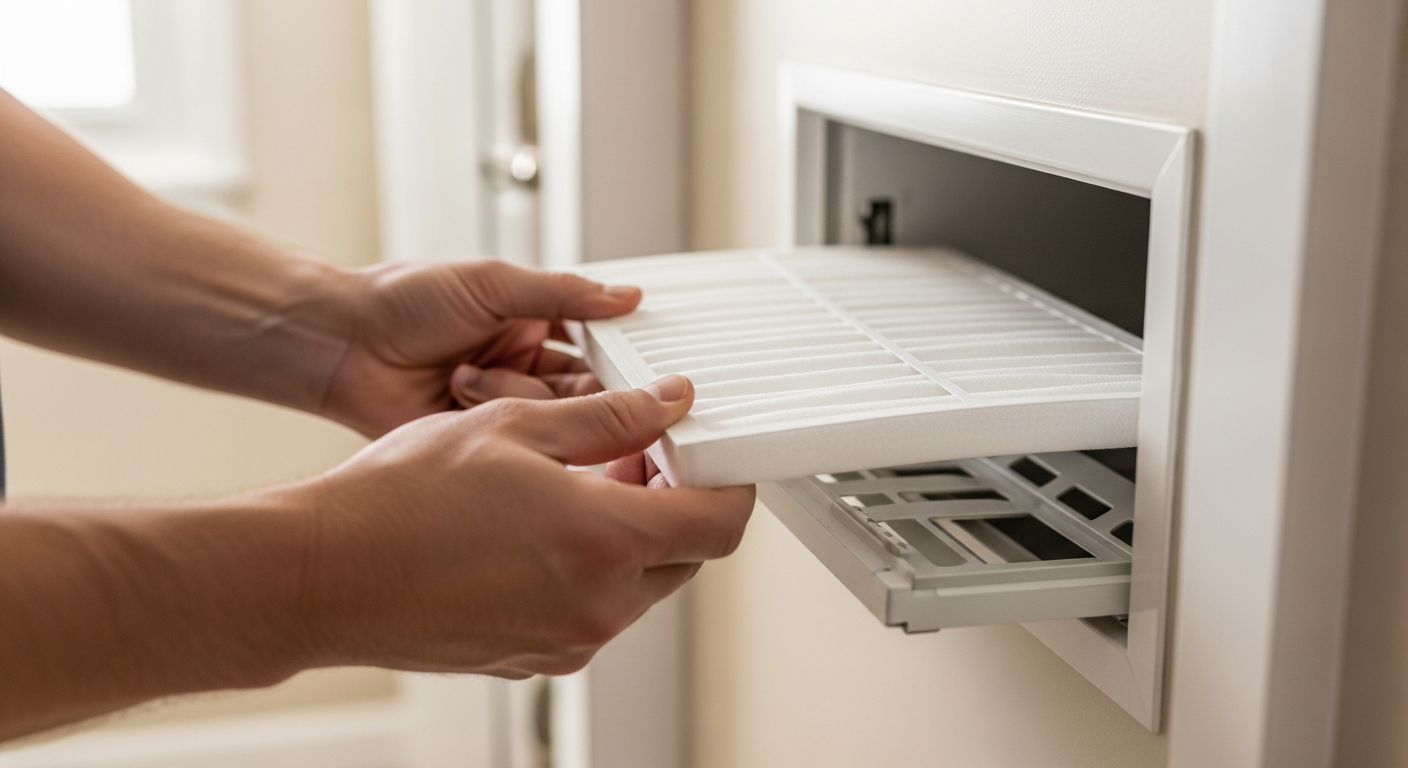
- Change furnace filters monthly during heating season.
- Insulate the underbelly and skirting to eliminate cold floors.
- Use a programmable thermostat to save up to 10% on heating bills.
- Get three quotes for any repair over $500 and use the repair‑or‑replace calculator.
- Verify that contractors have mobile home experience before hiring.
Strengths
- Immediate actions can cut energy waste by 15–30%.
- Low‑cost upgrades like window film and door sweeps pay back in one winter.
- Specialized contractor checklists reduce risk of hiring inexperienced techs.
- Tools and cost ranges give you confidence in negotiations.
Weaknesses
- Some insulation work requires crawling under the home, which may be inaccessible.
- Mobile home furnaces are pricier than standard ones, so replacement is a large investment.
- Duct sealing under the home often needs professional equipment for lasting results.
- Programmable thermostats may not be compatible with older two‑wire systems.
Decision Summary
| Scenario | Usually Do | Why |
|---|---|---|
| Furnace under 10 years old, no issues | Annual tune‑up + filter changes | Preventive maintenance extends life and avoids emergencies. |
| Furnace 10–15 years old, $800+ repair needed | Get a second opinion; check repair‑vs‑replace calculator | A mid‑life breakdown often signals more repairs soon. |
| Furnace over 15 years old or repair quote over $2,500 | Replace with a high‑efficiency model | New units can cut fuel use 20‑30% and come with full warranties. |
| Cold floors and high bills, but furnace works | Seal under‑belly ducts and add insulated skirting | Up to 30% of heated air leaks under your home. |
Quick Answer
For most mobile homes, start by changing your furnace filter monthly, sealing any visible duct leaks beneath the home, and adding insulated skirting. If your furnace is over 15 years old or has a repair quote above $2,500, it’s likely more cost‑effective to replace it. Use our tools to compare costs and find a vetted contractor before the first freeze.
Your 5‑Minute Heating Checkup
- Filter check: Hold it up to a light; if you can’t see light through it, replace it.
- Vent scan: Walk each room and make sure no furniture or rugs are blocking floor registers.
- Thermostat test: Set it 5°F above room temperature and listen for the furnace to kick on within a minute.
- Under‑home glance: Peek into the crawlspace for any hanging insulation or separated duct joints.
Decision Rules: Repair or Replace?
Use these thresholds to guide your choice. (Actual prices depend on your unit and region—get at least three quotes.)
| Scenario | Usually Do | Why |
|---|---|---|
| Furnace under 10 years old, no recent trouble | Annual tune‑up + filter changes | Preventive care keeps it running efficiently and extends its life. |
| Furnace 10–15 years old, $800+ repair needed | Get a second opinion; check repair‑vs‑replace calculator | A mid‑life breakdown often signals more repairs soon. |
| Furnace over 15 years old or repair quote > $2,500 | Replace with a high‑efficiency model | New units can cut fuel use by 20‑30% and come with full warranties. |
| Cold floors & high bills, but furnace works | Seal under‑belly ducts and add insulated skirting | Up to 30% of heated air leaks under your home. |
What You Can Safely Check & What Needs a Pro
Safe Homeowner Checks
- Replace or clean the air filter
- Visually inspect ductwork for disconnected joints (without touching electrical or gas components)
- Clear debris from outdoor exhaust/intake vents
- Test thermostat and breakers
- Note unusual noises, smells, or cold spots for the technician
Leave to a Licensed Pro
- Gas leak repairs, burner cleaning, or combustion adjustments
- Any work inside the furnace cabinet (blower motor, control board, capacitor)
- Refrigerant handling (heat pumps)
- Electrical components such as contactors or high‑voltage wiring
- Duct sealing that requires specialized equipment
Emergency tip: If you smell gas or suspect a carbon monoxide leak, evacuate immediately and call 911, then call an emergency HVAC service from a safe location.
Cost Ranges for Common Mobile Home Heating Work
Editorial estimates based on typical charges for manufactured‑home systems. Always get itemized quotes.
| Service | Typical Cost Range | Notes |
|---|---|---|
| Diagnostic visit | $80 – $200 | Emergency/after‑hours can be higher |
| Annual furnace tune‑up | $100 – $250 | Many contractors offer maintenance plans at $150‑$500/year |
| Minor repair (ignitor, sensor, thermostat) | $150 – $700 | Part + labor; exact cost depends on unit |
| Major repair (blower motor, gas valve, heat exchanger) | $800 – $2,500+ | Especially high for downflow furnaces specific to mobile homes |
| Full furnace replacement (installed) | $3,000 – $6,000 | Includes downflow unit, labor, permits; may be higher for heat pump upgrades |
Use These Free Tools to Save Money
- HVAC Cost Estimator – Get a local price range before you call a contractor
- Repair or Replace Calculator – Enter your unit’s age, repair quote, and efficiency to see the long‑term cost
- BTU Calculator – Make sure your next furnace is properly sized for your mobile home
- Rebate Finder – Check for utility or state incentives on high‑efficiency equipment
- System Age Decoder – Decode your furnace’s serial number to confirm its age
- Find Vetted Contractors – Search pros who specialize in manufactured housing
- Compare Contractors – See quotes side‑by‑side
- Cost Guide Hub – Compare local heating prices and labor rates
Contractor Checklist: Questions to Ask Before You Approve Work
- “Do you have experience with mobile home furnaces and their specific ductwork?”
- “Will you provide a written, itemized estimate before starting?”
- “Do you perform a Manual J load calculation for replacements?”
- “Are you licensed and insured for HVAC work in my state?”
- “Can you show me photos of duct leaks before and after sealing?”
- “Do you offer a maintenance plan, and what does it include?”
- “Can you provide references from mobile home park residents?”
Climate‑Specific Advice for Mobile Homes
Cold‑Climate Regions (Midwest, Northeast, Mountain States)
- Insulated skirting with at least R‑10 value and a vapor barrier on the ground reduce pipe‑freezing risk.
- Consider a sealed‑combustion furnace to prevent back‑drafting in windy conditions.
- Keep the thermostat at 55°F or higher during extreme cold to protect crawlspace pipes.
Hot‑Humid Regions (Southeast, Gulf Coast)
- Focus on moisture control under the home: a vapor barrier on the ground and ventilation to prevent mold.
- Heat pumps often perform efficiently in moderate cold and also provide air conditioning.
- Check for rust on the furnace cabinet and ductwork annually.
Coastal Areas
- Salt air corrodes standard units quickly; choose a furnace or heat pump with corrosion‑resistant coatings.
- Elevate outdoor units above potential flood lines.
How We Form Our Recommendations and Cost Estimates
Our editorial team aggregates pricing data from hundreds of HVAC contractors, manufacturer MSRPs, and industry surveys. We adjust for the higher costs of mobile‑home‑specific equipment and the labor rates in different regions. The final numbers are estimates, not guarantees. Always confirm with a local, licensed contractor and use our cost estimator for localized guidance.
Frequently Asked Questions
How often should I really change the filter in a mobile home furnace?
Monthly during the heating season. Because mobile home furnaces often have smaller return‑air grilles and high‑static pressure, a dirty filter chokes airflow quickly, raising energy use and risking overheating.
What is the average lifespan of a mobile home furnace?
12 to 18 years with proper maintenance. Downflow models used in manufactured homes tend to fail earlier than upflow residential units due to the constant exposure to crawlspace moisture and tighter ductwork.
Can I add insulation to my mobile home underbelly myself?
You can patch torn belly wrap and add batt insulation in accessible areas, but sealing duct joints and installing a full vapor barrier usually require a pro to ensure proper fastening and to avoid trapping moisture against the floor.
Is a heat pump a good choice for a mobile home?
In moderate climates (USDA zones 6 and below), a cold‑climate heat pump can be efficient. For very cold regions, a gas furnace remains the most reliable heat source. Many mobile homes can accommodate a packaged heat pump unit placed on the roof or next to the home.
Why are my floors so cold even when the furnace is running?
Likely because heated air is leaking from ductwork under the floor before it reaches the registers. Check for disconnected joints, holes, or missing insulation in the belly wrap. Also, uninsulated skirting lets cold air circulate under the home, chilling the floor structure.
Safety Boundaries
Homeowners can safely check thermostat settings, replace accessible filters, confirm vents are open, look for visible water or ice, clear debris around the outdoor unit, and reset a tripped breaker one time. Stop if the breaker trips again, if you smell gas or burning, if a carbon monoxide alarm sounds, or if equipment panels need to be opened.
- Do not open refrigerant lines, attach gauges, add refrigerant, or cut line sets unless you are certified and qualified.
- Do not work on gas piping, burners, heat exchangers, flues, capacitors, contactors, compressors, control boards, or high-voltage wiring unless licensed or trained for that work.
- Do not bypass safety switches or keep running equipment that trips breakers, leaks water into the home, or produces burning smells.
Methodology
HVACDatabase estimates combine common contractor price patterns, service-category pricing ranges, equipment complexity, urgency, regional labor variation, and known HVAC safety boundaries. Actual prices vary by city, brand, system size, access, warranty status, permit requirements, and whether the visit discovers ductwork, electrical, refrigerant, gas, or drainage issues. Use these numbers to sanity-check quotes, not as a guaranteed price.
Related articles
Connect this page to adjacent guides so readers keep moving deeper into the topic cluster.

Tips for Choosing a Smart Thermostat for a Heat Pump
Learn which smart thermostat features prevent expensive auxiliary heat mistakes, how to verify compatibility, and when to call a pro.

Understanding C Wire Adapters for Smart Thermostats
Missing the C wire for your smart thermostat? C wire adapters solve power issues without pulling new wiring. Compare types, costs, and installation options.

Best Smart Thermostats for Multi Zone Homes
Discover which smart thermostats deliver accurate zoning, remote sensors, and energy savings for homes with multiple HVAC zones. Our guide helps you pick the right model and avoid costly compatibility mistakes.