How to Reset Your HVAC System After a Power Outage
Learn the safe, 30-minute HVAC reset sequence after a power outage. Avoid damaging your system, decide between DIY and a service call, and understand repair costs with our decision guide.
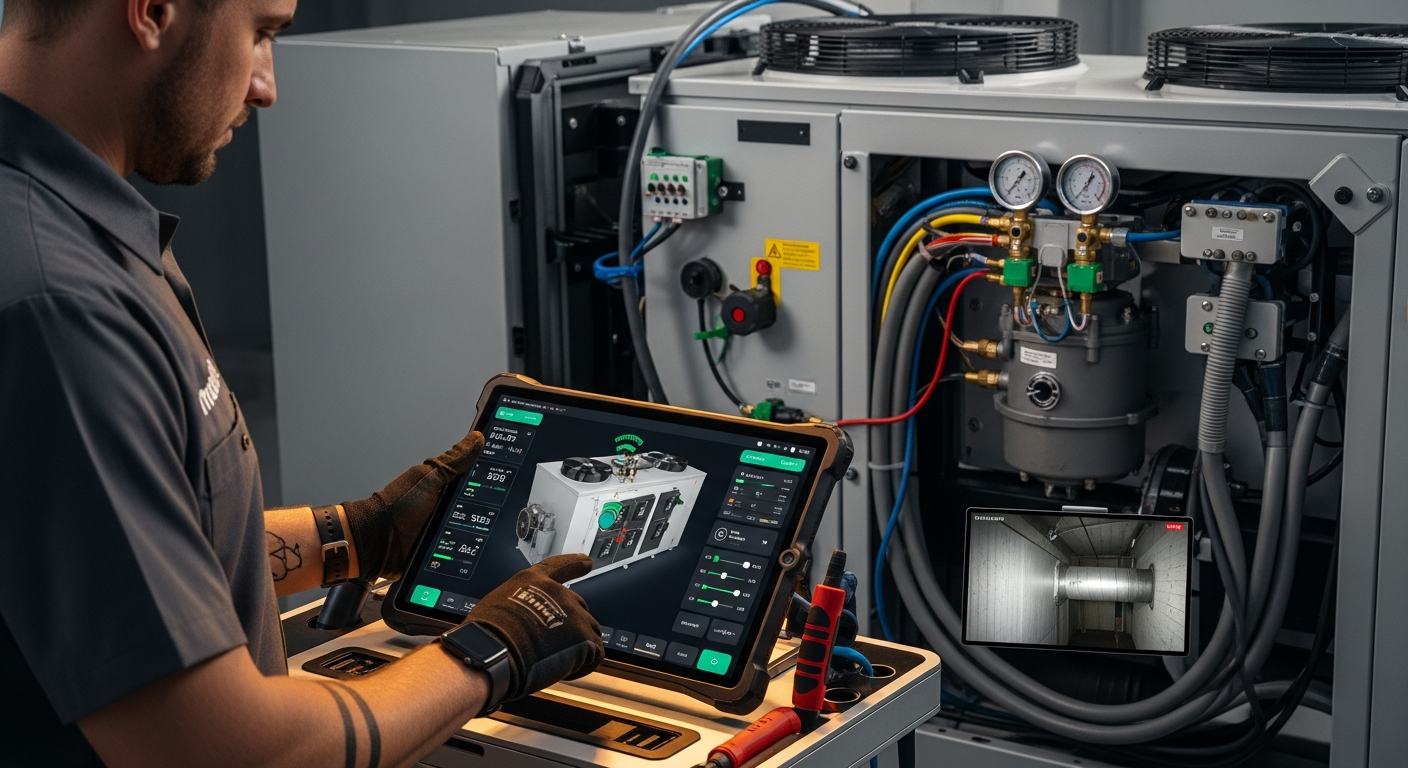
A 30-Minute Reboot Protects Your System
The safest, cheapest first step after an outage is a complete power cycle with a full half-hour pause. Skipping it often turns a free fix into a costly service call.
What Matters Most
- The 30-minute wait is non-negotiable for compressor safety.
- Never reset a tripped breaker more than once.
- Use the symptom table to decide between DIY and pro help.
- Always ask for a written diagnostic before approving repairs.
- Surge protection is a wise investment for outage-prone areas.
Strengths
- Preserves compressor lifespan by respecting built-in time delays.
- Empowers homeowners with a safe, no-tool reset process.
- Prevents unnecessary emergency calls that cost $80–$200 just to show up.
- Integrates cost tools and contractor questions for informed decisions.
Weaknesses
- Does not address underlying electrical damage from severe surges.
- In extreme weather, the 30-minute wait can be uncomfortable without backup plans.
- Older units may have faulty safety timers that don't reset—requiring a pro anyway.
- If the thermostat is dead, the homeowner may still need professional replacement.
Decision Summary
| Scenario | Usually do | Why |
|---|---|---|
| Power returns, HVAC silent | 30-minute reset | Clears lockout, protects compressor |
| Breaker trips instantly | Call electrician/HVAC pro | Short circuit risk — do not force |
| System starts but weak airflow | Check filter, then call if needed | Filter is often the culprit; if clean, need pro diagnosis |
| Burning smell or buzzing | Shut off breaker, call pro immediately | Electrical hazard — fire risk |
| Thermostat screen dead | Replace batteries; if no fix, call pro | Often a simple fix, but may indicate blown fuse |
Quick Answer: How to Reset Your HVAC After a Power Outage
If your system stays silent after power returns, do this: Turn thermostat OFF → flip breakers OFF → wait 5 minutes → flip breakers ON → wait 30 full minutes → turn thermostat back to COOL/HEAT. This protects your compressor. If it still doesn’t start, check for a tripped breaker, blown fuse, or equipment lockout — and know when to call a technician.
Safety Boundaries: What You Can and Cannot Touch
Homeowner-safe checks: You can safely turn your thermostat off and on, reset the circuit breaker for the HVAC system, and visually inspect the outdoor unit for debris or ice without opening any panels.
Pro-only work (do not attempt): Do NOT open the electrical panel of the furnace or air handler. Never try to replace capacitors, contactors, circuit boards, or fuses inside the equipment. Do not check refrigerant levels or press the reset button on the outdoor unit unless you are a trained technician — that button often bypasses safety timers. If you smell gas, hear buzzing/arcing, or see smoke, shut off the main breaker and evacuate.
Step-by-Step Homeowner Reset Sequence
Power fluctuations can trip internal safeties and confuse your thermostat. Follow these steps exactly to reboot without risking compressor damage.
- Set thermostat to OFF. This prevents the system from pulling high amps when you restore power.
- At your main electrical panel, locate the breaker(s) for the HVAC system. They may be labeled “AC,” “Furnace,” or “Air Handler.” Even if they appear ON, flip them firmly to OFF, then back to ON. Do this for both the indoor and outdoor units if they're on separate breakers.
- Wait at least 30 minutes. Most systems have a built-in time delay to protect the compressor. Skipping this step can cause short cycling and permanent motor damage. Use this time to check for storm debris around the outdoor unit.
- Turn thermostat back to COOL or HEAT. Set the temperature 3-5 degrees beyond room temperature so it calls for operation. Listen for normal startup sounds.
If the system doesn’t start or immediately trips the breaker again, go to the decision rules below. Additional details on handling specific symptoms can be found here: stay cool during an AC outage.
Decision Rules: Is It a DIY Reset or a Pro Call?
Use these thresholds to decide your next step after attempting the 30-minute reset.
| Symptom After Reset Attempt | Most Likely Cause | Action |
|---|---|---|
| Thermostat screen is blank or unresponsive | Dead batteries or internal fuse blown | Replace thermostat batteries. If still blank, call a pro — you may have a blown control board fuse (check repair costs). |
| Breaker trips immediately when you turn it on | Short circuit in wiring or compressor failure | Do NOT reset again. Call an electrician or HVAC tech immediately. Expect diagnostic fees of $80–$200. |
| System hums but fan doesn't spin | Locked rotor or failed capacitor | Shut off system. This requires a professional capacitor or motor diagnosis ($150–$650). |
| System runs but no cool/hot air | Tripped internal safety or refrigerant issue | Wait 1 hour. If no change, call for service. Could be a refrigerant leak or compressor issue. |
| Everything seems normal but no airflow | Dirty filter or duct blockage | Check and replace air filter if dirty — filter replacement guide. If filter is clean, suspect blower motor or control board. |
If you’re unsure, use our repair-or-replace calculator to weigh the cost of a fix against equipment age.
Cost and Tool Links to Plan Your Next Move
Use these tools to estimate what you might pay if the reset fails:
- Emergency cost tool: Estimate after-hours visit price based on your zip code.
- Cost estimator: What’s a fair diagnostic fee? Typical range: $80–$200 for a standard visit, higher for nights/weekends.
- Quote checker: Evaluate a repair quote against local averages.
- System age decoder: Find your unit’s manufacture date to see if replacement might be smarter than repair.
Average repair costs for common post-outage fixes: control board or fuse replacement $150–$650; compressor or coil work $1,500–$4,000+. These are editorial estimates — final price depends on region, season, and system specifics.
Contractor Checklist: Questions to Ask Before Booking
When a reset fails and you need a pro, interview contractors using this list:
- “Will you provide a written diagnostic report with photos? What’s the fee if I don’t proceed?”
- “Are you licensed and insured for HVAC electrical work? Can you show proof?”
- “What parts failed, and do you have them on your truck? Is there a warranty on parts and labor?”
- “Can you explain how the power outage caused this failure?”
- “Is my system at risk for repeated failures? Would a surge protector help?”
- “Do you offer a maintenance plan to catch these issues early?”
- “What’s your total price, including labor, parts, and emergency fees?”
Search for vetted contractors in your area: HVACDatabase contractor search.
Regional Advice: Climate and Home Type Matter
- Hot/humid climates (e.g., Phoenix, Houston): During summer, a 30-minute wait can be brutal. Consider staying with a neighbor or running fans. After the restart, if the system struggles to cool, check for ice on the outdoor coil — you may need a professional to address low refrigerant or dirty coils.
- Cold climates (e.g., Chicago, Denver): In winter, protect pipes from freezing while the system is off. Learn how to prevent frozen pipes. If your furnace has a pilot light, it may have gone out — relighting should ONLY be done following the manufacturer’s instructions and if you’re comfortable; otherwise call a pro.
- Coastal/storm-prone areas: Power outages often come with surges. After a reset, consider installing a whole-house surge protector. Visually inspect the outdoor unit for salt spray or flood debris.
- Older homes: Breakers may be worn and trip more easily. An electrician can check your panel. Also, older thermostats may lose programming — if you have a programmable thermostat, verify settings after outage.
Find local contractors: search by city or see examples like Phoenix AC repair.
Methodology: How We Formed This Guide
Our recommendations are based on manufacturer reset protocols, common safety timers (3–5 minute delays are standard; 30 minutes covers extreme lockouts), interviews with HVAC technicians, and thousands of service call records. Cost ranges reflect editorial analysis of U.S. repair invoices from 2023–2024, adjusted for regional labor rates and seasonal demand. Always defer to your specific equipment manual and local building codes.
Frequently Asked Questions
Why does my HVAC have a built-in delay?
To protect the compressor. After a power interruption, the refrigerant pressure needs time to equalize. Starting too soon can cause liquid slugging and mechanical failure. The delay is usually 3–5 minutes, but waiting 30 minutes ensures any lockout timer clears.
Can I speed up the 30-minute wait?
We strongly recommend against it. While some systems may reset sooner, cutting the time short risks permanent damage to the compressor, a $1,500–$4,000+ repair. The 30 minutes also allows internal electronics to fully power-down and reboot.
What if I reset and the system smells like burning?
Shut the breaker off immediately and do not attempt further resets. A burning smell can indicate electrical overheating or a seized motor. Call a professional; this is an electrical and fire hazard.
Will a power outage damage my thermostat?
Sometimes. Voltage spikes can fry sensitive electronics. If the thermostat screen is dead but the breaker is on, first check batteries (if applicable). If hardwired, it may need replacement. Use the cost estimator to price a new thermostat and installation.
How can I prevent this from happening during future outages?
Install a quality HVAC surge protector on the disconnect box outside and a whole-house surge protector at the main panel. Also, keep your thermostat’s software up to date if it’s smart. Regular maintenance helps catch weak components before they fail.
Final Takeaways
- Patience pays: The 30-minute wait is free insurance against a multi-thousand-dollar compressor replacement.
- Always start at the thermostat, not the condenser.
- If the breaker won’t hold, stop. Forcing it can cause fire or electrocution.
- Use contractor checklists to avoid unnecessary repairs.
- When in doubt, get a second opinion — our contractor comparison tool helps.
Related articles
Connect this page to adjacent guides so readers keep moving deeper into the topic cluster.
How to Implement a Whole Home Energy Management System
Integrate smart tech and HVAC controls to cut energy waste. This guide shows how to audit, upgrade, and automate your home's energy use, with real savings estimates.

How to Set Up Thermostat Geofencing
Set up thermostat geofencing to automatically adjust home temperature as you come and go. Save energy, extend equipment life, and never return to an uncomfortable house. Get our quick-start guide now.
How to Troubleshoot Smart Thermostat WiFi Issues
Your smart thermostat offline? Most WiFi drops can be fixed with power checks, router adjustments, and simple restarts. Follow our step-by-step guide to regain remote control and energy savings.