Tips for Energy Efficient HVAC in Multi-Story Homes
Struggling with uneven temperatures in your multi-story home? Discover actionable tips to optimize your HVAC efficiency and balance comfort across every floor.

Optimizing Comfort in Multi-Story Homes
Managing the temperature in a multi-story home presents unique challenges. Because heat naturally rises, your upper floors often feel like a sauna while the basement remains chilly.
Achieving energy efficiency requires more than just turning up the AC. It involves a strategic approach to airflow, insulation, and system management.
By following these tips, you can reduce your utility bills and ensure every room in your house stays comfortable. If you need professional help, you can find trusted experts via the directory at HVACDatabase.com.
The Power of HVAC Zoning
Zoning is perhaps the most effective way to manage a multi-story layout. Instead of one thermostat controlling the entire house, zoning uses multiple thermostats and dampers within your ductwork.
This allows you to send conditioned air only where it is needed. For instance, you can cool the bedrooms at night while keeping the downstairs living areas at a higher temperature.
If a full zoning retrofit is out of your budget, consider a smart thermostat with remote sensors. These sensors tell the system the temperature in specific rooms rather than just the hallway where the main unit sits.
Balance Your Airflow Manually
Many homeowners overlook the simple power of manual vent adjustments. During the summer, try partially closing the vents on the lower floor to force more cool air upstairs.
In the winter, reverse this process. Since heat rises, focusing your heating efforts on the first floor will naturally allow warmth to drift upward to the second story.
Keep in mind that you should never close vents completely. Closing more than 20% of your vents can create backpressure that damages your blower motor.
Invest in Proper Insulation and Sealing
Efficiency starts with your home's envelope. If your attic is poorly insulated, the expensive cool air from your HVAC system will escape almost immediately.
You should add insulation to your attic to create a thermal barrier. This prevents the sun’s heat from radiating through the roof and into your upstairs bedrooms.
Additionally, research the best insulation types for HVAC energy savings to see which materials offer the highest R-value for your specific climate.
Seal Your Ductwork
Leaky ducts can waste up to 30% of your system's energy output. In multi-story homes, ducts often run through walls and floor joists where leaks are hard to spot.
Professional duct sealing ensures that the air you pay to treat actually reaches its destination. This is a critical step before considering any major equipment upgrades.
Maintain Your Equipment for Peak Performance
A multi-story home puts extra strain on an HVAC unit because it has to push air vertically. Regular maintenance is non-negotiable for system longevity.
Check your filters every 30 days. Using the wrong filter can restrict airflow, so follow tips for choosing the right HVAC filter thickness to keep your air moving freely.
If your unit is making strange noises while trying to keep up with the demand, you might want to spend some time understanding HVAC noise ratings to determine if your motor is failing.
Schedule a Professional Energy Audit
If you aren't sure where your home is losing energy, a professional can help. You should learn how to get a home energy audit to identify hidden leaks and insulation gaps.
Auditors use thermal cameras and blower door tests to find exactly where your heated or cooled air is escaping. This data allows you to make targeted, cost-effective improvements.
For those living in specific climates, local advice can be invaluable. For example, HVAC tips for Baton Rouge homeowners will focus more on humidity control than tips for a dry desert climate.
Leverage Financial Incentives
Upgrading to a high-efficiency multi-stage system or a heat pump can be expensive. However, there are significant savings available through federal programs.
It is important to understand how the Inflation Reduction Act affects HVAC upgrades. Many homeowners qualify for thousands of dollars in tax credits and rebates for energy-efficient installs.
These incentives often make the difference between sticking with an old, inefficient unit and upgrading to a modern, variable-speed system that handles multi-story loads with ease.
Find a Trusted Professional Today
Managing a complex HVAC system requires expert knowledge. Whether you need a simple tune-up or a complete zoning overhaul, the right contractor makes all the difference.
Homeowners can find trusted, licensed HVAC contractors on HVACDatabase.com. Our directory simplifies the search, ensuring you connect with professionals who understand the nuances of multi-story climate control.
Don't let high energy bills and uncomfortable rooms dictate your home life. Take control of your HVAC efficiency today and enjoy a balanced, comfortable home year-round.
Related articles
Connect this page to adjacent guides so readers keep moving deeper into the topic cluster.
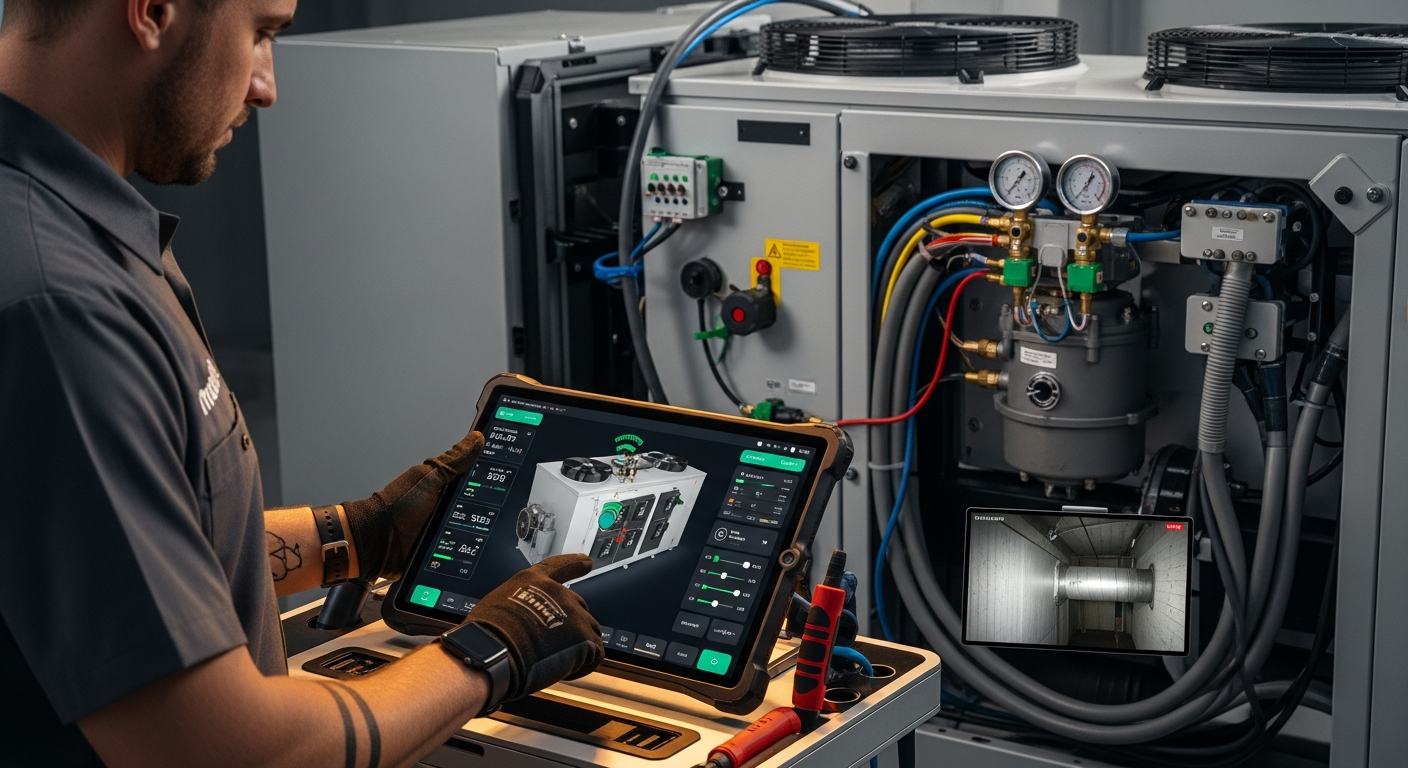
Tips for Reducing HVAC Costs in a Large Home
Managing a large home's climate can be expensive. Discover actionable strategies to optimize your HVAC efficiency and reduce monthly energy bills.
How Window Treatments Affect HVAC Efficiency
Discover how the right window treatments can drastically reduce your heating and cooling costs by supporting your HVAC system's performance.
Tips for Reducing Your HVAC Peak Demand Charges
Lower your monthly energy costs by understanding and reducing HVAC peak demand charges through smart scheduling and efficiency upgrades.