How to Check Your Heat Pump Before Winter
Don't get caught in the cold! Learn how to inspect, clean, and test your heat pump before winter arrives to ensure peak performance and lower energy bills.
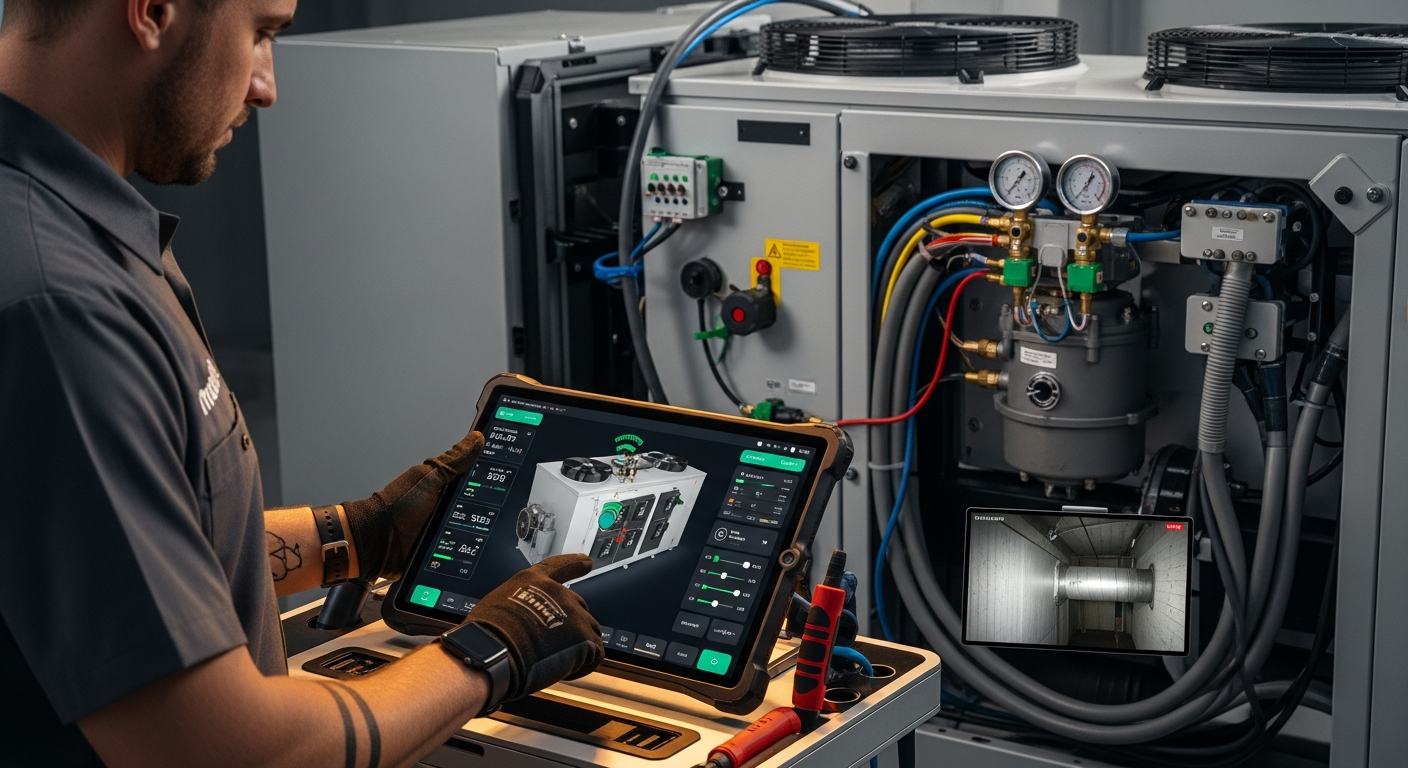
Get Your Heat Pump Ready for Winter
As the temperature begins to drop, your heat pump transitions from cooling your home to keeping it warm. Unlike a standard furnace, a heat pump works year-round, making it prone to more wear and tear.
Performing a pre-winter check is the best way to ensure your system operates efficiently and prevents sudden breakdowns during a freeze. If you find issues beyond your DIY skills, you can easily find trusted professionals on HVACDatabase.com to handle the heavy lifting.
1. Inspect and Replace the Air Filter
The simplest maintenance task is also the most important. A clogged filter restricts airflow, forcing your heat pump to work harder and increasing your utility bills.
Check your filter every 30 days during peak heating months. If it looks grey or dusty, replace it immediately to maintain high indoor air quality and system longevity.
2. Clean the Outdoor Unit
Your outdoor condenser needs to breathe to extract heat from the outside air. Over the summer, grass clippings, leaves, and dirt can accumulate against the fins.
Clear a two-foot perimeter around the unit. Use a garden hose to gently spray off dirt from the coils, but avoid using a pressure washer, as high pressure can bend the delicate aluminum fins.
3. Test the Heating Mode Early
Don't wait for the first frost to turn on your heater. Switch your thermostat to 'Heat' and set the temperature a few degrees above the current room temperature.
Listen for unusual grinding, clicking, or rattling noises. If you hear anything suspicious, it may be time to schedule seasonal HVAC maintenance with a local technician.
4. Check the Thermostat Accuracy
Ensure your thermostat is communicating correctly with your HVAC system. If you still have an outdated analog model, you might consider how to upgrade from a mercury thermostat to a programmable smart model for better efficiency.
If the heat pump fails to kick on or cycles off too quickly, the thermostat sensors might be faulty or in need of calibration.
5. Inspect the Condensate Drainage
Even in winter, moisture management is key. While many associate drainage with cooling, heat pumps produce condensation during the defrost cycle. Ensure your drain lines are clear to prevent ice buildup or water backup.
If your system is located in a basement or crawlspace, you should know how to install a condensate pump for your AC and heating system to properly move water away from your foundation.
6. Review Your Home Insulation
A heat pump is only as good as the envelope it is heating. If your home has drafts, your system will run constantly without reaching the desired temperature.
Check for leaks around windows and doors. You may also want to research how to upgrade your home insulation in the attic or crawlspace to keep that expensive heat inside where it belongs.
7. Prepare for the Transition
Moving from cooling to heating is a significant shift for your mechanical components. Following specific tips for transitioning from AC to heat in fall can help mitigate stress on the compressor.
Check the outdoor refrigerant lines for any signs of leaks or frayed insulation. Damaged insulation on these pipes can lead to significant energy loss before the heat even reaches your home.
8. Understand Maintenance Costs
Many homeowners wonder if they should service their units once or twice a year. Comparing annual vs biannual HVAC maintenance cost shows that twice-yearly checks are generally better for heat pumps due to their dual-season usage.
Budgeting for a professional inspection in the fall ensures that a licensed contractor can check refrigerant levels and electrical connections that homeowners cannot safely access.
When to Call a Professional
While DIY checks are helpful, some tasks require specialized tools. If you notice ice buildup on the coils, smell burning odors, or notice your "Emergency Heat" light stays on constantly, you need a pro.
HVACDatabase.com makes it easy to find verified contractors in your area who specialize in heat pump technology. A quick professional tune-up can save you hundreds of dollars in emergency repairs later in the season.
Conclusion
Taking an hour to inspect your heat pump today can prevent a cold night tomorrow. By cleaning the unit, changing filters, and testing the system early, you ensure a comfortable and warm winter season for your family.
If your system requires winterization beyond a heat pump check, learn how to drain your HVAC system for winter to prevent pipe bursts in unconditioned spaces.
Related articles
Connect this page to adjacent guides so readers keep moving deeper into the topic cluster.

How to Use Smart Power Strips to Reduce HVAC Costs
Discover how smart power strips can eliminate phantom energy loads and indirectly lower your HVAC costs by reducing heat generation from unused electronics.
Tips for Reducing HVAC Costs in a Large Home
Managing a large home's climate can be expensive. Discover actionable strategies to optimize your HVAC efficiency and reduce monthly energy bills.

Honeywell T9 vs Ecobee Smart Thermostat
Deciding between the Honeywell T9 and Ecobee Smart Thermostat? This guide compares their features, sensors, and ease of use to help you pick the perfect smart home upgrade.