New Matter Standard and HVAC Integration
Matter ensures your smart thermostat, sensors, and dampers speak one language across Apple, Google, Alexa, and SmartThings. Learn when to upgrade, what it costs, and how to hire a pro without getting locked into one brand.
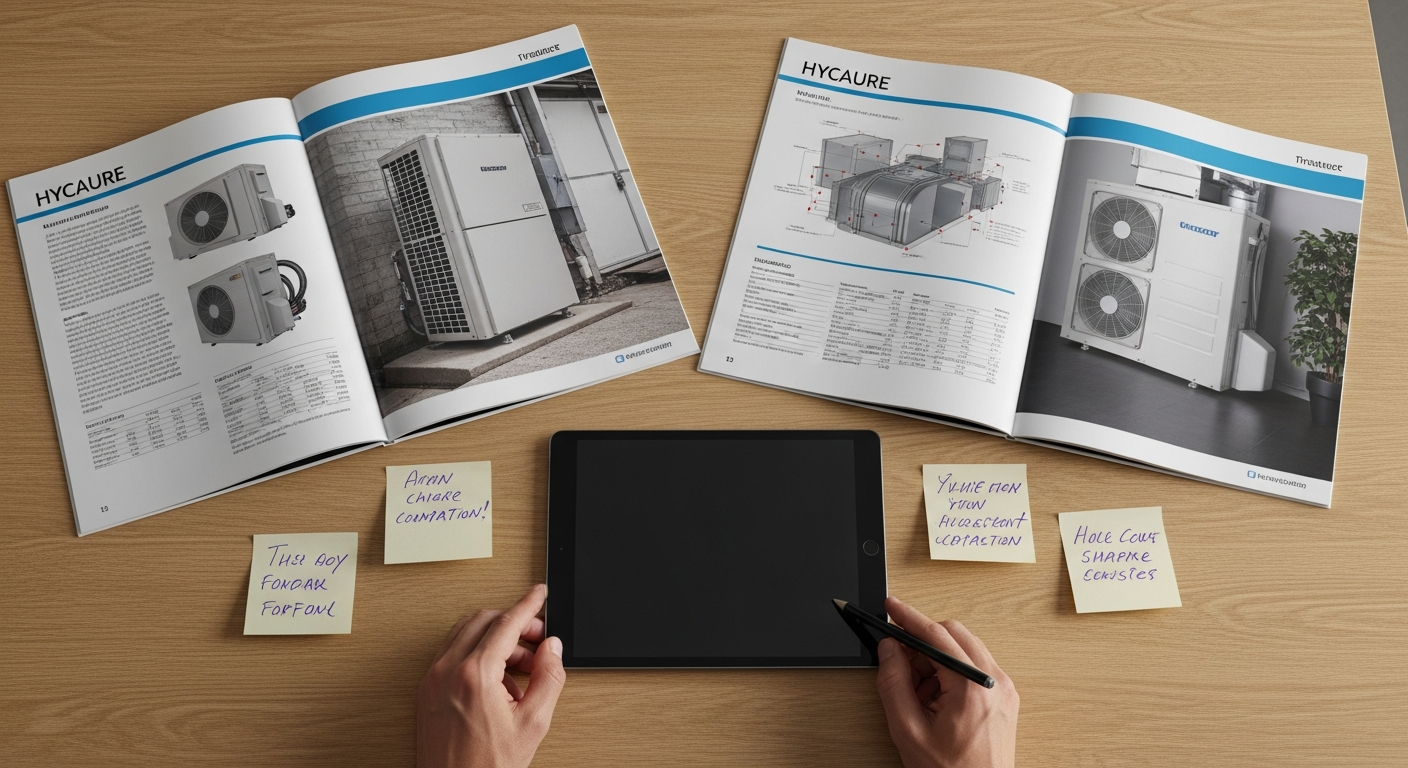
Go Matter for future‑proofing and multi‑brand homes
If you own or plan to own smart home gear from different brands, Matter removes the biggest pain point—ecosystem lock‑in. It’s a no‑brainer for new thermostat purchases and zoning projects. For single‑brand homes with older systems, the benefits are smaller, but Matter still provides a more secure and flexible foundat
What Matters Most
- Matter connects thermostats, sensors, and dampers across Apple, Google, Alexa, and SmartThings without extra hubs.
- Installation is often DIY‑friendly when a C‑wire exists, but professional help is needed for wiring or zoning work.
- Energy savings come from automation (geofencing, occupancy detection) that Matter makes easier to set up.
- Search for a NATE‑certified tech experienced with Matter and ask about local rebates.
- Expect a Matter thermostat installation to cost $200–$450 with labor, plus $100–$300 if a C‑wire must be added.
Strengths
- Eliminates brand silos so you can mix and match devices.
- Strong, built‑in security with local encrypted communication.
- Simple QR‑code setup reduces frustration.
- Opens the door for advanced automations like window‑open AC shutoff and demand‑controlled ventilation.
Weaknesses
- The Matter device ecosystem is still growing; some niche products may not yet support it.
- Older HVAC systems without a C‑wire add installation cost and complexity.
- Requires a stable Thread border router or Wi‑Fi network; network hiccups can disrupt control.
- Matter doesn’t inherently save energy—it relies on user‑configured automations, which some homeowners may find overwhelming.
Matter Adoption Decision Summary
| Scenario | Usually do | Why |
|---|---|---|
| You own devices from 2+ smart home ecosystems. | Install a Matter thermostat now. | Breaks down communication walls; avoids future rip‑and‑replace. |
| Your HVAC system is over 12 years old and needs replacement soon. | Upgrade to a Matter‑ready system during replacement. | Full system replacement is the perfect time to wire for smart controls and zoning. |
| You live in a small apartment with a single smart speaker. | A Matter thermostat is optional; non‑Matter works fine. | Limited device variety means cross‑platform isn’t critical, but it still adds future flexibility. |
| You want automated energy savings with window/door sensors. | Choose Matter thermostat + sensors. | Matter’s unified protocol simplifies sensor pairing and trigger automations. |
| Budget is under $150 for a thermostat. | Wait for more budget Matter options. | Prices are dropping; meanwhile, a non‑Matter smart thermostat can still save energy with schedules. |
Introduction
If you’ve ever struggled to get your Nest thermostat talking to your Samsung smart speaker, the Matter standard changes the game. Matter ensures your HVAC components—thermostats, sensors, dampers—speak one language across Apple Home, Google Home, Amazon Alexa, or SmartThings. This practical guide helps homeowners decide if Matter-ready HVAC gear is worth it now, what it costs to upgrade, and how to hire a qualified pro.
Quick Answer
Matter-certified thermostats and HVAC controllers let you mix brands freely, add sensors without ecosystem headaches, and automate for energy savings. If you’re buying a new smart thermostat or building a zoned system, go Matter. For older single-zone systems with no smart home hub, the benefits are smaller—but still worth considering for future-proofing.
Matter vs. Traditional Smart HVAC: A Comparison
| Feature | Traditional Smart HVAC | Matter-Enabled HVAC |
|---|---|---|
| Cross-platform control | Usually locked to one ecosystem | Works with Apple, Google, Alexa, etc. |
| Setup complexity | Often app-specific and brand-restricted | Simple QR code scan; uniform onboarding |
| Integration with sensors/dampers | Limited to brand-compatible peripherals | Matter bridges connect third-party sensors |
| Security | Varies by brand | Matter-certified encryption and blockchain-based trust |
| Cost | Comparable upfront; ecosystem lock-in may force future replacements | Slightly higher now but dropping; avoids rip-and-replace |
| Best for | Those deeply invested in one brand and not expanding | Multi-brand homes, new installations, and zoning projects |
Safety Boundaries: What Homeowners Can and Cannot Do
Matter makes setup easier, but your HVAC system contains high-voltage electricity, gas, and refrigerant lines. To stay safe:
- Safe homeowner checks: Ensure your Wi‑Fi/Thread network is stable; scan the Matter QR code; use the app to test connectivity and schedule changes; power-cycle the thermostat if it hangs.
- Call a licensed HVAC professional for: Any wiring changes beyond swapping a battery‑operated thermostat (e.g., adding a C‑wire, moving control boards); opening the air handler, furnace, or outdoor unit; refrigerant handling; gas line modifications; ductwork alterations; zoning damper installation; electrical panel work.
If your thermostat lacks a common wire and you’re not comfortable with low‑voltage wiring, have a pro handle it. Learn more about thermostat wiring basics before proceeding.
When to Adopt Matter: Decision Rules
Click to expand decision tree
- Do you own or plan to own multiple smart home devices from different brands?
→ If yes, Matter reduces compatibility headaches. Consider upgrading. - Is your HVAC system less than 10 years old with a standard 24V thermostat connection?
→ If yes, a Matter thermostat is a drop‑in upgrade (C‑wire required). - Are you installing a new zoned system with motorized dampers and multiple sensors?
→ Yes: Matter simplifies cross‑talk between zones and sensors. Choose Matter‑compatible components. - Do you already have a powerful smart home hub you’re happy with?
→ If your hub supports Matter (most do), adding a Matter thermostat expands your control without a hub change. - Is energy savings your top priority, and you want automated routines like geofencing?
→ Yes: Matter thermostats integrate seamlessly with presence sensors and window sensors for triggered savings. - Is your home older with outdated wiring or no C‑wire?
→ Pro installation needed; may cost $150–$300 to run a C‑wire. Compare with the cost of a pro install for a non‑Matter unit.
In general: If you’re buying a new smart thermostat today, choose Matter. If you’re satisfied with a single-ecosystem setup and don’t plan to expand, you can wait.
Costs and Tools for Planning Your Matter Upgrade
Before committing, estimate your budget with these free tools:
- HVAC Cost Estimator: /us/tools/cost-estimator – ballpark installation cost for new thermostats or zoning.
- Repair or Replace Calculator: /us/tools/repair-or-replace – see if your aging system is worth upgrading to Matter‑ready components.
- BTU Calculator: /us/tools/btu-calculator – size the system properly before adding zoning.
- Rebate Finder: /us/tools/rebate-finder – many utilities offer rebates for Wi‑Fi enabled smart thermostats.
Editorial cost ranges (not guaranteed):
| Project | Typical Cost Range | Notes |
|---|---|---|
| Matter thermostat + pro installation (C‑wire present) | $200–$450 | Includes labor for quick swap |
| Running a new C‑wire | $100–$300 | Cost varies with accessibility |
| Adding a zoning damper system (2-zone) with Matter dampers | $2,000–$4,500+ | Includes electrical, ductwork, and thermostat |
| Matter controller (if not built into existing hub) | $30–$150 | Often free with smart speaker |
Contractor Checklist for Matter HVAC Projects
Before hiring, ask these questions:
- Are you certified by NATE or a similar industry body?
- Have you installed Matter‑compatible thermostats or zone controllers before? Can you share a recent example?
- Will you verify that my existing HVAC control board supports a common wire (C‑wire) and, if not, quote adding one?
- Do you provide a detailed, written quote separating hardware and labor?
- How do you handle network and Thread border router setup for reliable Matter communication?
- Does your warranty cover both the thermostat and the integration with my smart home platform?
- Will you configure and demonstrate basic automation routines (geofencing, schedules) after installation?
- Can you check if local rebates apply and help with paperwork?
Use our contractor search to find qualified pros near you, and compare quotes with our comparison tool.
Local Climate Considerations
Matter’s real‑world value varies by region:
- Hot climates (Phoenix, Las Vegas): A Matter thermostat that responds to open‑window sensors can shut off AC instantly, saving $50–$100/year. Zoning with smart dampers prevents overcooling empty rooms. Phoenix AC pros often recommend zoning for two‑story homes.
- Cold climates (Chicago, Minneapolis): Combine Matter with geofencing (learn here) so the furnace only fires up when someone is heading home. Prevents frozen pipes while cutting heating bills.
- Humid climates (Miami, Houston): Integrate Matter‑enabled dehumidistats and fresh air dampers for demand‑controlled ventilation (see zoning damper options). This reduces sticky indoor air without overcooling.
- Coastal or older homes: Corrosive air may require tougher hardware; Matter readiness is secondary to corrosion resistance. Prioritize a durable thermostat but still choose Matter if possible.
Methodology: How We Form Our Recommendations
HVACDatabase’s editorial team evaluates real‑world homeowner data, manufacturer specifications, and published energy studies. Cost ranges are based on aggregated contractor quotes, regional labor rates, and material pricing as of early 2025. We do not guarantee prices, but they serve as planning ranges. Matter compatibility was assessed against Connectivity Standards Alliance specifications and field reports. When we suggest a device, we consider interoperability, security track record, and availability of local support. Always get multiple quotes and check for utility rebates.
Frequently Asked Questions
- Do I need a Matter controller for a Matter thermostat to work?
Yes. Most modern smart speakers (e.g., Google Nest Hub, Apple HomePod, Echo 4th Gen) include a Thread border router and act as the controller. If you don’t have one, budget $30–$150. - Will my existing non‑Matter smart sensors work with a new Matter thermostat?
Not directly unless the sensors are also Matter‑certified or connected through a Matter bridge. Many sensor brands are adding Matter support; check compatibility before buying. - Can I install a Matter thermostat myself if I’m handy?
If you have an existing C‑wire and the thermostat is a direct replacement (e.g., swapping a simple 2‑wire heating thermostat), it’s possible. However, any doubt about wiring or if your system has a heat pump or dual fuel, hire a pro. Incorrect wiring can damage equipment. - Does Matter save money on energy bills?
Matter itself doesn’t save energy; the automation it enables does. Features like geofencing, occupancy‑based setbacks, and window‑open detection can reduce HVAC runtime. Estimates range from 10–23% savings on heating and cooling, but depend on your habits and climate. - Is Matter secure? What prevents hacking?
Matter uses device‑level encryption, blockchain‑inspired device attestation, and requires local communication (no cloud dependency by default). It’s among the most secure smart home protocols available. Keep your hub and apps updated.
References
Related articles
Connect this page to adjacent guides so readers keep moving deeper into the topic cluster.

How Utility Demand Response Programs Use Smart Thermostats
Enrolling your smart thermostat in a demand response program can earn you up to $150/year while keeping you comfortable. Learn if it's right for your home and how to maximize benefits.
Heating Industry Trends to Watch
Smart thermostats and heat pumps headline heating industry changes. But which trends deliver real savings? Use our decision guide, cost ranges, and contractor checklist to plan your upgrade.

How Gas Bans Are Affecting Heating Choices
Gas bans in new construction and retrofit codes are pushing homeowners toward electric heat pumps. Understand your options, costs, and available incentives before you replace your furnace.