UV Light Installation for HVAC Cost
Stop guessing what HVAC UV light installation costs. Our guide breaks down coil sterilization vs air purification prices, ongoing bulb replacement costs, and the questions to ask contractors for real value.
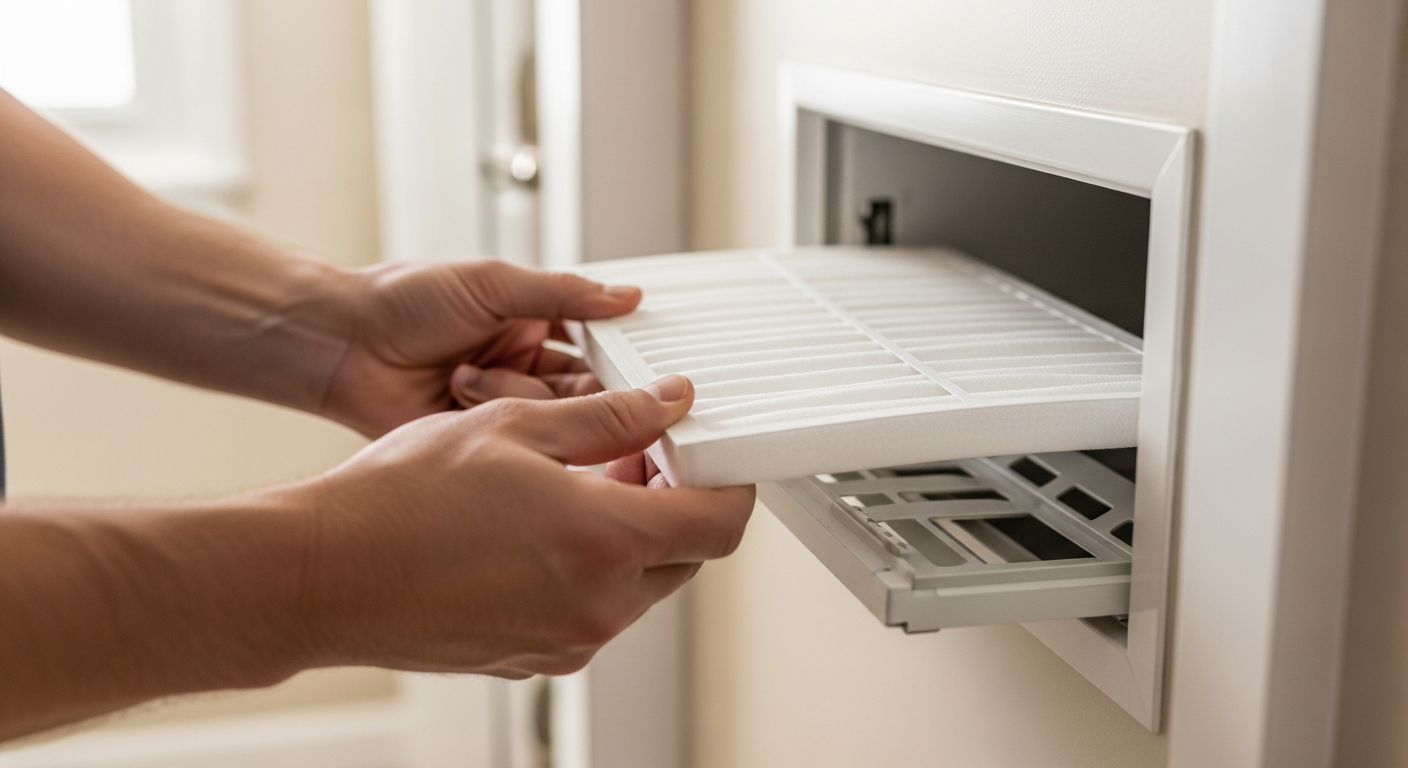
UV lights are a proven, low-maintenance way to control mold and reduce airborne germs in central HVAC systems—when installed professionally and maintained prop
For most homes, a coil sterilization unit offers the best return on investment by keeping the cooling coil mold‑free and efficient. In‑duct air sterilization adds value for allergy and respiratory concerns, especially in tightly sealed homes, but requires careful placement to be effective. Skip DIY and use our checkli
What Matters Most
- A professionally installed UV light costs $220–$900+ depending on type and complexity.
- Coil sterilization prevents mold on the evaporator coil; air sterilization targets airborne pathogens.
- Replace bulbs every 10–14 months to maintain germicidal effectiveness.
- Always verify the contractor uses correct UV‑C wavelength, intensity, and safety features.
- UV lights complement, not replace, mechanical air filters.
Strengths
- Stops mold and biofilm growth on the evaporator coil, preserving HVAC efficiency.
- Reduces musty odors and potential allergens from microbial buildup.
- Minimal ongoing cost after initial install (bulb replacement only).
- Low energy consumption (typically 30–70 watts).
- Can be added to most existing residential air handlers or furnaces.
Weaknesses
- Does not capture dust, pollen, or dander—still need a particulate filter.
- Bulb replacement cost and labor if not DIY‑able.
- Ineffective if airflow bypasses the lamp or placement is suboptimal.
- Direct UV exposure can damage plastic components, wires, and eyes if installation is incorrect.
- Short air exposure time in ducts limits pathogen kill rate compared to standalone room units.
Which UV Light Fits Your Home?
| Scenario | Usually do | Why |
|---|---|---|
| You smell mustiness from vents and live in Houston, Miami, or Atlanta. | Coil sterilization system | Targets mold at the source (wet coil), eliminates odor, and prevents expensive coil cleaning or replacement. |
| A family member has asthma or severe allergies; you’re worried about flu transmission indoors. | In‑duct air sterilization system | Treats the air passing through the return, reducing circulating bacteria and viruses before they reach living spaces. |
| You just bought a newly built, tightly sealed home in a cold climate. | In‑duct air sterilization + HRV/ERV | Kills germs in recirculated air while fresh outdoor air is exchanged; reduces indoor pollutant buildup. |
| Your AC has frozen coils and you’ve had repeated mold‑related HVAC service calls. | Coil sterilization (dual‑lamp if coil large) | Keeps coil dry and clean, preventing ice buildup and reoccurring microbial growth. |
| Budget is tight but you want some IAQ improvement. | Coil sterilization (basic model) | Most affordable entry; prevents the worst mold problems without the premium price of full air purification. |
What Is HVAC UV Light Installation?
A UV light system installed inside your HVAC equipment uses germicidal ultraviolet (UV‑C) rays to kill mold, bacteria, and viruses on coils or in the air stream. It’s a disinfection tool, not a filter. Most professionally installed residential units fall between $350 and $900, though high-end whole-house setups can exceed $1,500. The right choice depends on the type, placement, and your home’s climate. This guide gives you practical numbers, decision rules, and a contractor checklist to get a safe, effective installation at a fair price.
Quick Answer: What You’ll Pay
- Coil sterilization (most common): $220–$550 installed (equipment $70–$250 + labor $150–$300).
- In‑duct air sterilization: $350–$900 installed (equipment $150–$500 + labor $200–$400).
- Bulb replacement every 10–14 months: $50–$150 per lamp.
- Professional installation strongly recommended due to UV hazard and precise positioning.
Two Types of UV Lights for HVAC
| Feature | Coil Sterilization | Air Sterilization (In‑Duct) |
|---|---|---|
| Placement | Near evaporator coil | Return duct, treats moving air |
| What It Does | Stops mold/biofilm on wet coil | Kills airborne pathogens as they pass |
| Typical Installed Cost | $220–$550 | $350–$900 |
| Bulb Life (Effectiveness) | 9–14 months | 9–14 months |
| Best For | Mold‑prone coils, humid climates, efficiency | Allergy/asthma concerns, circulating germs |
Cost Factors That Move the Price
| Factor | Typical Impact |
|---|---|
| Number of lamps (dual‑lamp systems) | Adds $150–$350 to equipment & installation |
| Lamp intensity (higher wattage UV‑C) | $50–$150 more per lamp; better kill rate |
| Electrical work (new outlet or circuit) | $150–$300 if no power source near handler |
| Regional labor rates | Metro areas often 20–40% higher than rural |
| Access difficulty (crawlspace, attic, tight plenum) | May add $100–$200 in labor |
| Warranty, monitoring, or smart integration | Premium models add $200–$500+ |
Editorial estimates based on national averages. Actual quotes vary by region and contractor.
Safety Boundaries: What You Can and Cannot Do
Safe Homeowner Maintenance
- Turn off the HVAC system and its power at the breaker before opening any panel.
- Replace UV bulbs if the unit is designed for tool‑free user replacement and the manual allows it. Wear UV‑blocking glasses and never look directly at a lit bulb.
- Visually inspect for dust or debris on the lamp (clean only with a dry cloth after bulb is off and cool).
Leave to Licensed Pros
- Any wiring, duct cutting, or modification to refrigerant lines or air handler seals.
- Relocating or hard‑wiring the lamp; a pro ensures the UV wavelength and intensity match the application and that no plastic or wiring is exposed to direct radiation.
- Installation in gas furnaces or if combustion seals are involved.
Decision Rules: Which UV Light Type Makes Sense for You?
When to choose coil sterilization
- You’ve noticed musty smells from vents or visible mold near the air handler.
- You live in a humid climate (Southeast, Gulf Coast) where coil condensation is constant.
- Your AC system struggles to maintain efficiency because of coil fouling.
- You want the most cost‑effective mold prevention to protect your cooling equipment.
When to choose in‑duct air sterilization
- Family members have asthma, allergies, or are immunocompromised.
- You’re concerned about circulating viruses (flu, common cold) indoors.
- Your home is newer with tight construction and limited outdoor air exchange.
- You’re pairing it with a high‑efficiency filter to capture particles.
When both (or a whole‑house purifier) might be justified
- Major mold history plus respiratory issues.
- Large home (3,500+ sq ft) with multiple air handlers.
- Budget allows $1,500+ for an integrated purification system that treats both air and coil.
Questions Every Homeowner Should Ask a UV Installer
- “Which specific lamp and wavelength (nm) will you install, and how many microwatts per square centimeter (µW/cm²) does it produce at the target surface?” A proper system should deliver at least 50–100 µW/cm² continuously at the coil or duct center.
- “Will the lamp be positioned to avoid shining on plastic drain pans, wiring, or filter media?” UV degrades many plastics.
- “What’s the recommended bulb replacement interval and replacement cost?” Confirm they stock or can source replacements easily.
- “Do you provide a UV warning label for the air handler and a safety interlock switch that turns off the lamp when the access panel is opened?” This is required by many building codes.
- “Does the installation meet ASHRAE guidelines for UV‑C in air handlers?” Pros should know the standard.
- “Can you show me a before/after coil inspection or offer a maintenance schedule?” Good contractors stand behind results.
UV Lights in Your Climate: Local Context Matters
- Hot, humid regions (Southeast, Gulf Coast): Coil sterilization nearly always pays for itself by preventing mold‑related HVAC repairs and efficiency loss. Consider a coil UV system plus a whole‑house dehumidifier for best results.
- Cold climates (North, Midwest): Air sterilization in the return duct can reduce indoor viral transmission during winter when windows stay shut. Pair with an HRV/ERV for fresh air without losing heat.
- Coastal areas: Salt air corrodes coils faster; a UV light helps control biofilm but doesn’t stop corrosion. Add a protective coil coating if you’re near the ocean.
- Older homes: Seal duct leaks first (learn about duct cleaning and sealing) so purified air doesn’t escape, then install UV.
Handy Tools to Compare Costs and Quotes
Get personalized cost estimates and verify contractor bids with our free online calculators:
- HVAC Cost Estimator – see what others paid in your ZIP code.
- Quote Checker – upload a bid and get an instant sanity check.
- Rebate Finder – many utilities offer incentives for indoor air quality upgrades; don’t miss savings.
Not sure if you need a whole‑home purifier instead? Compare options in our guide How to Install a Whole‑Home Air Purifier. For broader air quality improvements, see How to Improve Indoor Air Quality.
How We Generate Our Cost Estimates
These price ranges are editorial estimates compiled from thousands of actual contractor quotes submitted through HVACDatabase.com cost tools, manufacturer suggested retail prices (MSRP) for common residential UV kits, and regional labor‑rate databases. Figures represent typical installations for a single‑family home with standard access. They are not guaranteed quotes; always obtain at least three written, site‑specific estimates from local qualified contractors before proceeding.
Frequently Asked Questions
1. Do HVAC UV lights kill COVID‑19?
UV‑C light can inactivate coronaviruses in laboratory conditions, but the short exposure time in a moving airstream makes complete elimination unlikely. It does reduce overall microbial load in the air and on surfaces, which may lower transmission risk indirectly. For source control, combine UV with a MERV 13 or higher filter and adequate ventilation.
2. How often do I really need to replace the bulb?
Most residential UV‑C bulbs lose germicidal intensity after 9–14 months of continuous use, even if they still glow visibly. Stick to the manufacturer’s replacement schedule. Ignoring it means you’re paying to run a decorative light, not a disinfection device.
3. Can I install a UV light myself?
We strongly advise against DIY installation. Misplaced lamps can damage HVAC components (melted drain pans, brittle wire insulation) or fail to kill germs. UV‑C radiation is hazardous to eyes and skin. A pro ensures safe containment, proper wavelength, and optimal placement.
4. Will a UV light increase my electric bill?
A typical residential UV lamp draws 30–70 watts. Running 24/7, that’s about $3–$7 per month (at $0.12/kWh). Any efficiency gain from a clean coil often offsets this minor cost.
5. Do I still need a regular air filter if I have UV lights?
Absolutely. UV light does not capture dust, pollen, or dander. A standard pleated filter (MERV 8–13) removes particles, while UV handles microbial growth. Both work together for cleaner air.
Methodology
HVACDatabase estimates combine common contractor price patterns, service-category pricing ranges, equipment complexity, urgency, regional labor variation, and known HVAC safety boundaries. Actual prices vary by city, brand, system size, access, warranty status, permit requirements, and whether the visit discovers ductwork, electrical, refrigerant, gas, or drainage issues. Use these numbers to sanity-check quotes, not as a guaranteed price.
Related articles
Connect this page to adjacent guides so readers keep moving deeper into the topic cluster.

Cost to Install Multiple Smart Thermostats
Get a clear cost breakdown for installing 2–4+ smart thermostats. Includes equipment, labor, zoning upgrades, and how to save with utility rebates. Practical checks and contractor questions inside.
Duct Booster Fan Installation Cost
Uneven room temps? Duct booster fan installation costs: register fans $30–$100 DIY, inline fans $500–$800+ with pro. Learn when a booster works and when you need a bigger fix.
Makeup Air Unit Installation Cost Guide
Expect to pay $1,500–$4,500 for a pro-installed makeup air unit. Discover passive vs. tempered options, code triggers, and money-saving decision rules.