How to Clean Your Furnace Air Handler
Keep your furnace air handler clean to cut energy bills and avoid breakdowns. This guide covers safe DIY tasks, pro-only work, and cost estimates for a healthier HVAC system.

Clean Your Air Handler Annually to Cut Bills and Extend Life
Routine cleaning of the blower and coils is safe for most homeowners with basic precautions and can improve system efficiency by 5-15%. For deeper service, hire a pro and expect to pay $80-$250.
What Matters Most
- Turn off power before touching anything.
- Clean filters monthly, blower and coils annually.
- Use soft tools to avoid damaging fins.
- Call a pro if you see oil, refrigerant, or electrical damage.
- A clean system can save 5-15% on heating bills.
Strengths
- Low-cost DIY maintenance
- Immediate efficiency gains
- Prolongs equipment lifespan
- Reduces risk of breakdowns
Weaknesses
- Limited to external cleaning if uncomfortable with disassembly
- Mold or deep-seated debris may require professional cleaning
- Forgetting to turn power off can cause injury
- Overspray from coil cleaners can affect other components
DIY Cleaning vs. Professional Service
| Scenario | Usually do | Why |
|---|---|---|
| Visible dust on blower blades, accessible | DIY: gentle vacuum and brush | Safe without disassembly; restores airflow |
| Heavy filth, musty smell, ice on coils | Hire a pro | May require coil removal, chemical cleaner, and potential refrigerant handling |
| System age >10 years, frequent repairs | Evaluate replacement | Use repair-or-replace calculator; cleaning may not fix underlying wear |
| Regular maintenance, no issues | DIY filter + annual pro tune-up | Pro can check safety and adjust combustion if gas furnace |
Quick Answer
What a homeowner can safely do: turn off power, vacuum around the blower (without touching wiring or blades), wipe cabinet interiors, and replace the air filter. Never open refrigerant lines or electrical compartments. If you see mold, oil, or hear grinding, call a pro.
Introduction
Your furnace air handler is the blower and coil cabinet that circulates heated or cooled air. Dust buildup reduces airflow, stresses the motor, and raises energy bills. A clean air handler can improve system efficiency by up to 15% and extend equipment life. This guide explains what you can safely clean yourself, when to stop, and how to find a qualified technician if needed.
Safety Boundaries
Safe Homeowner Tasks
- Turn off power at the breaker and service switch
- Vacuum loose dust from blower housing using brush attachment
- Wipe down cabinet walls with a damp cloth
- Replace disposable air filter
- Inspect for visible mold, water, or burnt wires
Pro-Only Work
- Any cleaning that requires disconnecting refrigerant lines or opening sealed coils
- Removing blower motor or electrical components
- Using chemical coil cleaners that require rinsing and drainage
- Handling combustion components (gas burners, heat exchangers)
- Diagnosing electrical shorts or capacitor discharge
If you’re unsure, use HVACDatabase’s contractor search to find a verified pro.
What You Can Clean Yourself
After confirming power is off, remove access panels. Use a vacuum with a soft brush to clean visible dust from the blower motor exterior and the fan inlet. Do not force the nozzle into tight spaces or disturb balancing weights. Next, use a mild detergent and damp microfiber cloth to wipe the interior walls of the air handler cabinet. Finally, install a fresh high-quality filter. For more filter guidance, see how to replace an AC air filter.
When to Use HVACDatabase Tools
If your system is older or struggling, clean the unit and then check:
- HVAC cost estimator – compare professional cleaning prices in your area
- Repair or replace calculator – if costs are mounting, see if a new unit makes financial sense
- System age decoder – locate your unit’s manufacture date and factor it into decisions
Decision Tree: Clean, Repair, or Replace?
- System under 5 years old, no issues → DIY clean annually. Troubleshoot heating issues if performance drops.
- Weak airflow but filter is clean → heavy blower dirt likely; try DIY if safe, or hire pro for deep clean ($80–$250).
- Musty smell, visible mold → pro cleaning required. In high-humidity climates, ask about biocide treatments.
- Grinding or squealing → stop; potential motor or bearing failure. Find emergency HVAC help.
- Unit over 10 years, repeated repairs >$500/year → use repair or replace calculator. Often replacement is wiser.
Cost Comparison Table
| Method | Typical Cost | Efficiency Boost | When to Do |
|---|---|---|---|
| DIY basic cleaning (vacuum, wipe, filter) | $0–$20 (filter) | 5–10% | Every 1–3 months |
| DIY deep clean with no‑rinse coil spray | $20–$50 | 10–15% | Every 2–3 years |
| Professional air handler maintenance visit | $80–$250 | 15–20% | Annually |
| Professional deep clean with coil removal | $200–$500+ | Up to 30% | When severe buildup or mold present |
Editorial estimates only; actual prices vary. For real‑time local pricing, try the HVAC cost estimator.
Contractor Checklist
Before hiring, ask:
- Will you pull and wash the blower wheel, or just vacuum in place?
- What type of coil cleaner do you use? Is it no‑rinse, and safe for my coil material?
- Is the service call fee applied to any repairs found?
- Can you provide before‑and‑after photos of the coils and blower?
- Do you check static pressure or airflow after cleaning to verify improvement?
- Are you licensed and insured? Request local references from HVACDatabase’s contractor comparison.
Local Considerations
- Hot/Humid (Southeast, Gulf Coast): Evaporator coils often mold. Annual pro cleaning with antimicrobial treatment recommended. Check drainage pans for sludge.
- Cold (Northern US, Canada): Soot accumulation possible from gas burners. Annual combustion safety check essential; cleaning alone may miss dangerous heat‑exchanger cracks.
- Coastal (Salt Air): Corrosion accelerates. Use corrosion‑resistant coated coils when replacing; clean quarterly to remove salt residue.
- Older Homes: Duct dust may be high. Seal duct leaks and consider a blower motor direction check if airflow is poor.
Methodology
Cost ranges are editorial estimates derived from HVACDatabase aggregated values, contractor surveys, and public price data, current as of 2025. Efficiency improvements are based on industry research (e.g., ASHRAE findings) and are averages; results vary. Local prices can be checked in real time through the cost estimator.
FAQs
How often should I clean my air handler?
Light cleaning (vacuum, filter change) every 1–3 months; deep clean annually. If you have pets or live in a dusty area, increase frequency.
Can I use a water hose on the coils?
No. Water pressure can bend aluminum fins and introduce moisture into electrical areas. Use only low‑pressure spray and no‑rinse foam cleaners designed for HVAC coils.
Will cleaning fix a noisy blower?
If noise is from loose debris, yes. If it’s grinding or screeching, you likely have a bearing, motor, or alignment issue—stop operating and call a technician.
Do I need to turn off the gas?
For the air handler section (blower, coil), only electrical power needs to be off. If you’re inspecting the furnace burner area, however, the gas must be shut off—but that’s a pro task. See short cycling causes for gas‑related safety.
What if I smell burning after cleaning?
Shut off the system immediately. Burning odor from an air handler often means a motor overheating or debris contacting hot elements. Do not restart; contact an HVAC technician through our emergency HVAC page.
Related articles
Connect this page to adjacent guides so readers keep moving deeper into the topic cluster.
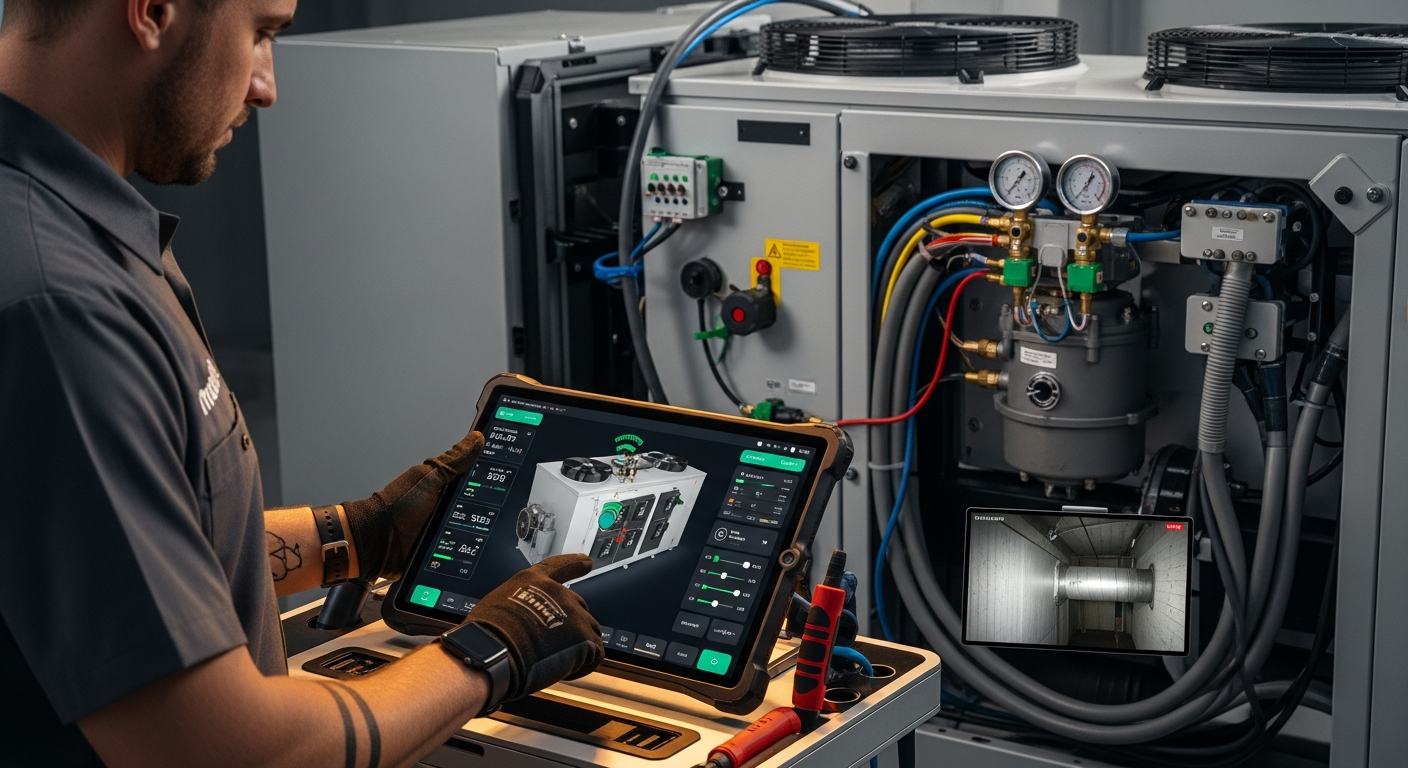
How to Implement a Whole Home Energy Management System
Integrate smart tech and HVAC controls to cut energy waste. This guide shows how to audit, upgrade, and automate your home's energy use, with real savings estimates.

How to Set Up Thermostat Geofencing
Set up thermostat geofencing to automatically adjust home temperature as you come and go. Save energy, extend equipment life, and never return to an uncomfortable house. Get our quick-start guide now.
How to Troubleshoot Smart Thermostat WiFi Issues
Your smart thermostat offline? Most WiFi drops can be fixed with power checks, router adjustments, and simple restarts. Follow our step-by-step guide to regain remote control and energy savings.