Tips for Reducing Your HVAC Peak Demand Charges
Lower your monthly energy costs by understanding and reducing HVAC peak demand charges through smart scheduling and efficiency upgrades.
Understanding Peak Demand and Your HVAC Bill
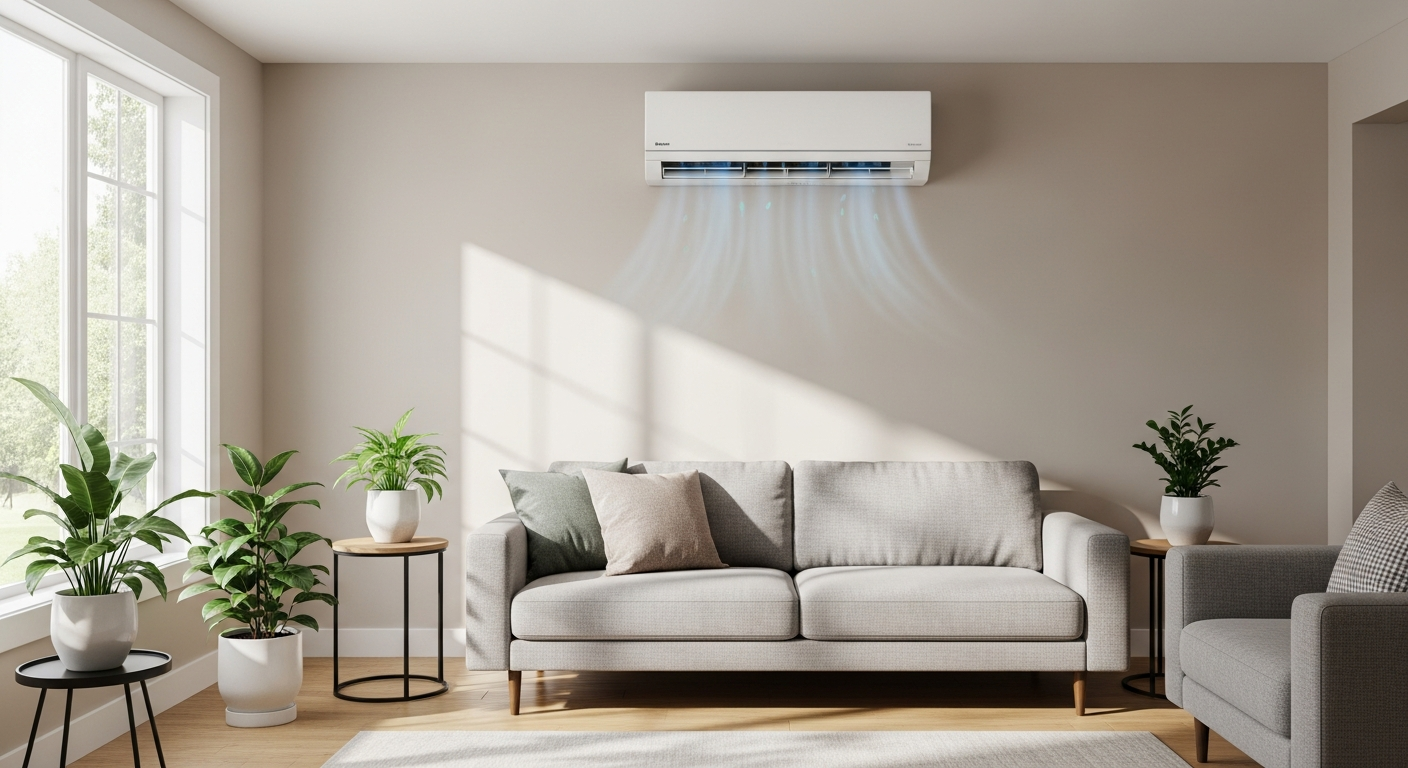
Many homeowners are surprised to find that their utility bill isn't just based on how much energy they use, but also when they use it. Peak demand charges are fees applied by utility companies based on the highest amount of electricity your home draws during a specific window of time.
Your air conditioner or furnace is often the largest consumer of power in your home. When these systems kick into high gear during the hottest part of the afternoon, they can trigger expensive surcharges that linger on your bill for months.
Learning how to read your electric bill for HVAC usage is the first step toward regaining control. By flattening your energy load, you can avoid these spikes and save significant money without sacrificing comfort.
The Role of Smart Thermostats in Demand Management
One of the most effective ways to lower peak demand is through strategic scheduling. Smart thermostats allow you to 'pre-cool' or 'pre-heat' your home before the utility's peak hours begin.
For instance, if your utility peak begins at 3:00 PM, you can set your AC to 70 degrees at 1:00 PM and then raise it to 76 degrees during the peak window. This turns your home's thermal mass into a battery that keeps you cool while your HVAC system rests.
Many modern thermostats also feature 'demand response' programs. These programs automatically adjust your settings slightly during high-demand periods to help stabilize the grid and lower your costs.
Optimize Your Home Envelope
If your home leaks air, your HVAC system must work harder and longer, increasing the likelihood of a high demand spike. Improving your home's insulation is a foundational step in demand reduction.
- Seal gaps around windows and doors with weatherstripping.
- Ensure your attic has adequate R-value insulation.
- Consider a crawl space insulation cost guide to see if your floors are leaching energy.
By keeping the conditioned air inside, you reduce the frequency of your unit cycling. If you notice why your furnace cycles on and off frequently, it might be a sign of poor insulation or an oversized unit, both of which contribute to higher peak demand.
Stagger Your Appliance Usage
Peak demand is a measurement of simultaneous energy draw. If your HVAC system, dishwasher, clothes dryer, and EV charger are all running at once, your peak demand will skyrocket.
Try to move heavy appliance usage to late evening or early morning. This is especially important in high-performance homes that follow passive house design and HVAC requirements, where load management is built into the home's philosophy.
Even in standard homes, simply waiting until 8:00 PM to run the dishwasher can make a measurable difference in your monthly demand charges.
Regular Maintenance and System Health
A dirty or poorly maintained HVAC system draws more amperage to achieve the same cooling or heating effect as a clean one. Clogged filters and dirty condenser coils force motors to work harder, pushing up your peak wattage.
Homeowners should prioritize annual professional inspections. You can easily find the best HVAC contractors in Spokane or your local area by using the directory at HVACDatabase.com.
Additionally, if you share your home with furry friends, pay extra attention to your filters. Following indoor air quality tips for pet owners can prevent pet dander from clogging your system and driving up energy spikes.
Upgrading to Multi-Stage Equipment
Older HVAC units are often 'single-stage,' meaning they are either 100% on or 100% off. Every time a single-stage motor starts, it creates a massive 'inrush current' that contributes heavily to peak demand.
Modern variable-speed or multi-stage systems can run at lower capacities for longer periods. This steady, low-draw approach is far more efficient and rarely triggers high demand charges. This technology is a cornerstone for tips for energy efficient HVAC in multi-story homes, where temperature zoning and gradual cooling are essential.
Final Steps for Homeowners
Lowering your HVAC peak demand doesn't require a lifestyle overhaul. It simply requires a combination of smart technology, proper maintenance, and a bit of timing.
Start by auditing your bill, then focus on your insulation and appliance timing. If your current system is failing to keep up efficiently, it may be time to consult a professional. At HVACDatabase.com, we connect homeowners with trusted HVAC professionals who can evaluate your system and recommend high-efficiency upgrades that will pay for themselves through lower utility bills.
Related articles
Connect this page to adjacent guides so readers keep moving deeper into the topic cluster.
Tips for Reducing HVAC Costs in a Large Home
Managing a large home's climate can be expensive. Discover actionable strategies to optimize your HVAC efficiency and reduce monthly energy bills.

How Window Treatments Affect HVAC Efficiency
Discover how the right window treatments can drastically reduce your heating and cooling costs by supporting your HVAC system's performance.
Tips for Energy Efficient HVAC in Multi-Story Homes
Struggling with uneven temperatures in your multi-story home? Discover actionable tips to optimize your HVAC efficiency and balance comfort across every floor.