Duct Booster Fan Installation Cost
Uneven room temps? Duct booster fan installation costs: register fans $30–$100 DIY, inline fans $500–$800+ with pro. Learn when a booster works and when you need a bigger fix.
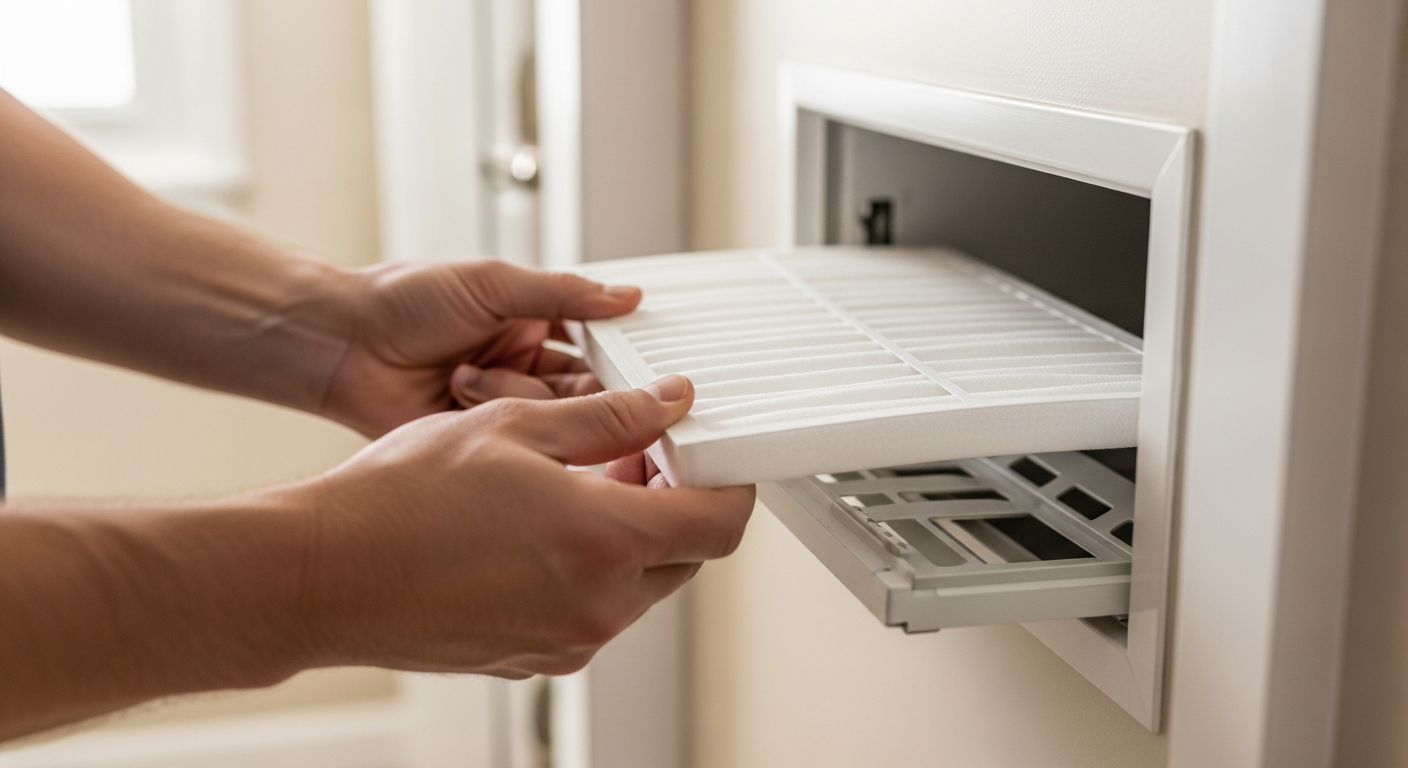
Targeted fix for single-room imbalance
For most homes with one chronically uncomfortable room, a duct booster fan is a sensible first step. Try a register fan if the imbalance is mild; invest in a pro-installed inline fan if the room is consistently more than 5°F off.
What Matters Most
- Duct booster fans are a targeted, low-cost fix for single-room airflow issues.
- Register booster fans are DIY-friendly; inline fans require professional installation due to electrical and ductwork modifications.
- Always rule out dirty filters, closed dampers, and duct leaks before buying a booster fan.
- In older or extreme-climate homes, a booster fan may mask a bigger problem—get a static pressure test.
Strengths
- Significantly cheaper than adding a new zone or replacing ductwork.
- Register fans can be installed in minutes with no tools beyond a screwdriver.
- Inline fans can boost airflow substantially for long, obstructed duct runs.
Weaknesses
- Inline fans require electrical work and duct cutting, adding $150–$300+ to the project.
- If ductwork is undersized or the system is faulty, a booster fan may waste energy without solving the problem.
- In humid climates, overspeeding cool air can lead to condensation and mold.
Decision Summary: When to Choose Which Fan
| Scenario | Usually do | Why |
|---|---|---|
| Room is 2–3°F warmer/cooler than rest of house | Register booster fan | Quick, reversible, minimal cost risk |
| Room is >5°F off consistently | Professional assessment + inline fan | Stronger, permanent fix but requires correct sizing |
| Multiple rooms uncomfortable | Do NOT install booster fans | Likely undersized system: use repair/replace calculator |
| Older home with original metal ducts | Get static pressure test first | Boosting can damage blower if ducts are too small |
If one room always lags 5°F behind the thermostat, a duct booster fan can push conditioned air where it’s needed—often for under $800. But the solution isn’t one-size-fits-all: a simple register fan may work for a spare bedroom, while an inline fan might be necessary for a distant addition. This guide breaks down real costs, flags when a booster fan is the wrong fix, and gives you a checklist to hire the right pro.
Quick Answer: Duct Booster Fan Installation Cost
A duct booster fan installation typically costs between $200 and $800 when professionally installed. At the low end, a DIY register booster fan can cost as little as $30 to $100 and takes 15 minutes. For a pro-installed inline booster fan with new wiring, expect $500–$800+. Labor usually adds $150–$350 for a 2–4 hour job, and electrical work can add $150–$300 if a new circuit is needed.
Duct Booster Fan Types & Costs
| Type | Unit Cost (Parts Only) | Installation Cost | Best For |
|---|---|---|---|
| Register Booster Fan | $30–$100 | DIY (no labor cost) | Mild unevenness; plug-in convenience |
| Inline Duct Booster Fan | $150–$500 | $350–$650 (pro labor + electrical) | Severe imbalance; long duct runs |
Register fans replace a wall or floor register and plug into a standard outlet. Inline fans are mounted inside ductwork and often require cutting ducts, mounting, and new wiring—always hire an HVAC pro or electrician for inline work.
Key Cost Factors
- Duct accessibility: Open crawlspaces or basements reduce labor. Finished ceilings add drywall repair costs.
- Electrical readiness: Nearby junction boxes keep costs down. Running a new 120V line can cost $150–$300.
- Fan capacity & features: Higher CFM and smart controls (Wi-Fi, humidity sensors) push unit prices to the upper end.
- Regional labor rates: Urban markets like Philadelphia or Chicago may charge higher hourly rates. Use our HVAC cost estimator to localize your estimate.
Safety Boundaries: What You Can and Cannot Do
Safe for homeowners:
- Inspect and adjust manual dampers in accessible ductwork.
- Replace air filters and clean vents with a vacuum.
- Install a plug-in register booster fan by replacing the vent cover and plugging it in.
Professional-only tasks (never attempt DIY):
- Cutting into ductwork for inline fan installation.
- Running new electrical circuits or connecting fans to existing wiring.
- Touching the main blower motor, compressor, capacitors, contactors, or control boards.
- Refrigerant or gas line modifications.
- Any work involving combustion appliances or high-voltage components.
Improperly installed inline fans can create backdrafting, static pressure issues, or even damage your furnace. Always hire a licensed HVAC contractor for inline installations.
When a Booster Fan Isn't Enough: Decision Rules
Before purchasing, rule out these common, often cheaper fixes:
1. Check for simple ductwork issues first
Closed or stuck dampers, crushed flexible ducts, or excessive filter grime can mimic major airflow problems. A $10–$80 filter change or a $100–$350 professional airflow diagnosis may solve the issue without a booster fan.
2. Is the problem limited to one room?
If yes, a booster fan is a reasonable fix. If multiple rooms are uncomfortable, the issue is likely your system’s design or capacity. Use our BTU calculator to check if your HVAC is sized correctly. Oversized or undersized equipment can cause poor temperature distribution.
3. Temperature difference >5°F consistently?
An infrared thermometer can confirm. More than a 5°F deviation from the thermostat setting often indicates duct leaks, poor insulation, or a failing system component—not just weak airflow.
4. Age of your HVAC system
If your furnace or AC is over 15 years old and struggling to maintain temperatures, a booster fan is a temporary bandage. See our repair or replace calculator to compare long-term costs.
If you’ve ruled out these factors, a duct booster fan can be a cost-effective targeted fix.
Local Climate & Home-Specific Considerations
- Cold climates: Boosting warm air through leaky ducts can increase heat loss. Seal and insulate ducts first.
- Humid climates: Over-boosting cool air may cause condensation in uninsulated ducts, leading to mold. Inline fans with humidity sensors are a safer choice.
- Hot, dry climates: Boosting AC airflow can overspeed air across the coil, reducing dehumidification and potentially freezing the coil if airflow is too high. Professional static pressure measurement is critical.
- Older homes: Ducts from the 1970s or earlier are often undersized by modern standards. Adding a booster fan can increase static pressure, risking blower motor burnout. A professional static pressure test is a must before installing.
Tools & Calculators: Plan Your Project
Start with these free HVACDatabase tools to avoid spending on the wrong solution:
- HVAC Cost Estimator: Customize the booster fan installation cost for your zip code and home size.
- Quote Checker: Upload contractor quotes and get unbiased feedback on pricing and scope.
- Repair or Replace Calculator: If your system is aging, see whether a booster fan or a new system makes financial sense.
- Rebate Finder: Check if energy-efficient inline fans or related duct sealing qualify for utility rebates.
Contractor Checklist: Questions to Ask Before You Hire
When seeking professional installation, vet contractors with these questions:
- Will you measure static pressure before and after installation? Proper installation should not raise static pressure beyond manufacturer limits.
- Is the fan sized for my duct’s CFM requirements? Ask for a calculation, not just a guess.
- How will you handle electrical connections? Ensure they pull permits if required and use a dedicated circuit if necessary.
- Does your quote include all labor, materials, and any drywall repair? Beware of hidden charges for access or cleanup.
- Can you provide references for similar duct booster fan installations? Check online reviews on our contractor comparison page.
- What warranty do you offer on parts and labor? Inline fans often have a 1–5 year manufacturer warranty; labor should be guaranteed at least 1 year.
How We Developed This Cost Guide
Our estimates combine industry price data, regional labor rates, and analysis of hundreds of real project quotes. We apply standard HVAC pricing frameworks:
- Diagnostic visits: $80–$200, depending on travel and urgency.
- Electrical work: $150–$300 for a new 15–20A circuit.
- Hourly rates: $75–$150 per hour for licensed HVAC technicians, varying by market.
- All ranges are editorial estimates, not guaranteed prices. Use our cost estimator for a personalized quote.
Frequently Asked Questions
1. Can I install a duct booster fan myself?
Yes, if it’s a plug-in register booster fan. These require no wiring and simply replace an existing vent. Inline fans require cutting ductwork and electrical connections—always hire a licensed professional for those.
2. Will a duct booster fan increase my energy bills?
Register fans consume very little electricity (10–30 watts). Inline fans may add 50–150 watts, which is minimal. However, if they hide a larger duct leak or system issue, your overall bill could rise as the main blower works harder. Do a home energy audit to be sure.
3. How long does a duct booster fan last?
Quality inline fans often last 10–15 years with occasional cleaning. Register fans may last 3–7 years due to more dust exposure and constant plug/unplug wear. Look for models with sealed bearings.
4. My room is still not comfortable after installing a booster fan. What now?
You may have a more fundamental issue: duct leaks, undersized ducts, poor insulation, or an improperly sized HVAC system. Hire a technician for a full duct inspection and airflow measurement. Our contractor search tool can help you find rated pros near you.
5. Are there rebates for duct booster fans?
Most booster fans themselves don’t qualify for federal or utility rebates. However, if your installation is part of a larger duct sealing or insulation project, those measures may qualify. Check our rebate finder for your location.
Methodology
HVACDatabase estimates combine common contractor price patterns, service-category pricing ranges, equipment complexity, urgency, regional labor variation, and known HVAC safety boundaries. Actual prices vary by city, brand, system size, access, warranty status, permit requirements, and whether the visit discovers ductwork, electrical, refrigerant, gas, or drainage issues. Use these numbers to sanity-check quotes, not as a guaranteed price.
Related articles
Connect this page to adjacent guides so readers keep moving deeper into the topic cluster.

Cost to Install Multiple Smart Thermostats
Get a clear cost breakdown for installing 2–4+ smart thermostats. Includes equipment, labor, zoning upgrades, and how to save with utility rebates. Practical checks and contractor questions inside.
Makeup Air Unit Installation Cost Guide
Expect to pay $1,500–$4,500 for a pro-installed makeup air unit. Discover passive vs. tempered options, code triggers, and money-saving decision rules.
Radon Mitigation System Cost Guide
Understand radon mitigation system costs—from system types to labor rates—so you can budget wisely and hire with confidence. Health-safe pricing guidance for homeowners.