How to Change Your HVAC Filter Yourself
Changing your HVAC filter improves air quality and efficiency. This guide helps you choose the right filter, decide between DIY and pro, and avoid costly mistakes. Includes cost estimates, a filter finder, and a contractor checklist.
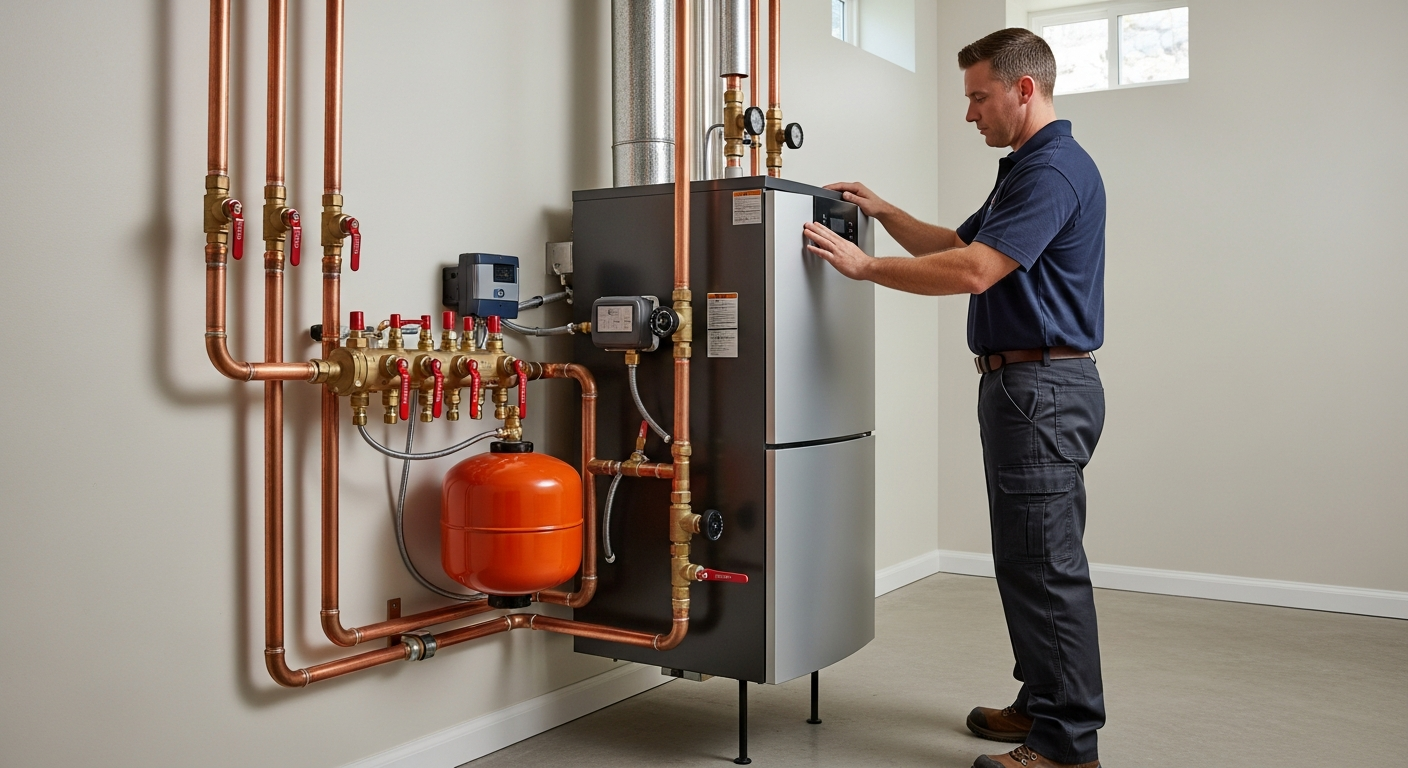
Filter changes are a DIY task—when you know your system’s limits
For the vast majority of homes, replacing a standard 1-inch filter is safe, quick, and saves money. However, choosing the wrong MERV rating or ignoring airflow restrictions can lead to expensive repairs. Let this tool guide you to the right filter and timing, and know when to call a pro.
What Matters Most
- Change 1-inch filters every 30–90 days; mark the date on the frame.
- Match the MERV rating to your system’s capacity—never exceed the manufacturer’s recommendation.
- Use HVACDatabase’s Filter Finder for exact size and compatibility before buying.
- If airflow issues persist after a filter change, hire a professional for a static pressure test.
- DIY filter changes are low-risk, but all electrical, refrigerant, or combustion work must be left to licensed technicians.
Strengths
- Saves $80–$250 per service call by avoiding unnecessary pro visits.
- Improves system efficiency and indoor air quality within minutes.
- No tools required and can be done in under five minutes.
- Prevents costly breakdowns caused by overheating furnaces or frozen AC coils.
- Empowers homeowners to choose the correct filter confidently using data-driven tools.
Weaknesses
- Using a filter with too high a MERV rating can damage your system if airflow is insufficient.
- Hard-to-reach filters or non-standard sizes may require professional help.
- A new filter won’t fix deeper issues like dirty coils or duct leaks—other DIY maintenance may be needed.
- Bulk buying filters can lead to storage issues or wasted money if you move or change systems.
DIY Filter Change vs. Pro Maintenance Visit
| Scenario | Usually do | Why |
|---|---|---|
| You have a standard 1-inch filter and can safely access it | DIY | Fast and zero labor cost; no risk if you follow airflow direction |
| Filter slot is in a crawlspace, attic, or requires a ladder and you have mobility issues | Hire a Pro | Safety first. A service call ($80–$250) includes filter replacement and system inspection |
| You want to upgrade to a high-MERV or media filter and are unsure of compatibility | Hire a Pro | Static pressure testing ($100–$350) prevents costly freeze-ups or motor burnout |
| Your system is under warranty and you suspect an airflow problem | Hire a Pro | Document professional diagnosis to preserve warranty coverage. DIY filter changes are fine, but leave diagnostics to pros |
Quick Answer: Should You Change Your HVAC Filter Yourself?
For most homeowners, replacing a standard 1-inch air filter is a safe, 5-minute DIY task that saves $80–$250 per service call. However, the decision gets trickier when you consider MERV ratings, filter thickness, and your system's tolerance for airflow resistance. This tool walks you through the choice, from selecting the right filter to deciding when to bring in a professional.
Safety Boundaries for DIY Filter Changes
Changing a disposable filter is low-risk if you follow these rules:
- What you can safely do: Replace standard filters, inspect for debris, note direction of airflow arrow, write the installation date, and set reminder alerts. You can also visually check for dust buildup and listen for unusual noises after installation.
- Leave to a pro: Any work involving refrigerant lines, gas connections, electrical panels, high-voltage components, or opening sealed units. If you notice abnormal system behavior after a filter change (e.g., loud bangs, burning smells, ice on coils), turn off the system and call a contractor. Even if you DIY the filter, schedule an annual professional tune-up to inspect safety controls and system performance.
Step-by-Step Filter Replacement (Framed as a Decision)
Use these steps not just to change the filter, but to decide whether DIY is truly right for you.
- Locate the filter slot. It’s usually in the return air duct or near the blower compartment. If you can’t find it or it’s in a cramped crawlspace, hiring a pro for a one-time filter change and system inspection ($80–$250) may be worth the safety and peace of mind.
- Identify your filter size. Slide out the old filter and check the dimensions printed on the frame. If the size is non-standard or hard to find, use our HVACDatabase Filter Finder to source the correct replacement or order custom sizes.
- Note the airflow direction. Before discarding the old filter, note the arrow indicating airflow direction (toward the furnace/air handler). Mark the new filter’s arrow to match.
- Check for system issues. While the old filter is out, look for excessive dust, mold, or debris in the slot. If you see standing water or mold, you likely have a drainage problem—this is a pro-level issue; see how to clear a clogged drain line for basic steps, but call a contractor if the issue persists.
- Insert the new filter. Slide it in, arrow pointing the right way. It should fit snugly but not require bending the frame. Turn the system back on and listen for normal operation.
Filter Selection: Understanding MERV Ratings and Costs
Choosing the right MERV rating is critical. A filter that is too restrictive can damage your system.
| Filter Type | MERV Range | Typical Cost (per filter) | Change Frequency | Best For |
|---|---|---|---|---|
| Basic fiberglass | 1–4 | $2–$8 | Monthly | Dust protection only; low airflow resistance |
| Pleated (standard) | 5–8 | $5–$15 | Every 30–90 days | Pet dander, mold spores, typical homes |
| Pleated (high-efficiency) | 9–12 | $15–$30 | Every 60–90 days | Allergies, asthma; may restrict airflow in older systems |
| Washable/electrostatic | 4–8 | $20–$60 (reusable) | Monthly cleaning | Eco-conscious; ensure proper cleaning to avoid mold |
| Media (4–5 inch thick) | 8–13 | $30–$80 | Every 6–12 months | Whole-house filtration; often requires pro installation |
These are editorial estimates; actual prices vary by brand, region, and store. Ensure you never exceed your system’s maximum recommended MERV rating—check your manual or use our Filter Finder.
Decision Tree: When to DIY, Upgrade Filter, or Hire a Pro
Use these concrete thresholds to make the right call.
- Can you safely locate and access the filter slot? No → Hire a pro. A diagnostic visit typically costs $80–$200.
- Is your filter size standard and readily available? No → Use our Filter Finder to find custom sizes, or have a contractor supply the correct filter during a maintenance visit ($80–$250).
- Does your system have a history of airflow-related issues (frozen coils, frequent cycling)? Yes → Start with a low-resistance MERV 5–8 filter and monitor. If problems persist, hire a pro to assess ductwork and static pressure ($100–$350).
- Are you considering a media cabinet or electronic air cleaner? Yes → This requires duct modifications; hire a licensed contractor. Get multiple quotes and use our Quote Checker to compare.
- Is the filter overdue by more than 6 months and you see heavy buildup? Yes → Change it immediately and schedule a system inspection to check for damage from reduced airflow.
Local Context: Filter Needs by Climate and Home Type
- Hot, dry climates (e.g., Phoenix): Dust storms can clog filters in weeks. Check monthly, use MERV 8–11. Find Phoenix AC contractors for seasonal tune-ups.
- Humid climates (e.g., Southeast US): High humidity promotes mold on filters. Choose antimicrobial-treated MERV 8–11 and change every 30 days during peak season. Also ensure you clear your AC drain line.
- Cold climates (e.g., Chicago): A dirty filter during heating season can overheat the heat exchanger. Check monthly and before winter. Chicago heating contractors can perform combustion safety checks.
- Coastal areas: Salt-laden air accelerates corrosion; a high-density filter (MERV 11–13) can protect equipment, but verify static pressure compatibility with a pro.
- Older homes: Leaky ducts pull in extra dust. Use a mid-MERV filter (5–8) and consider duct sealing. Check your system’s age with our System Age Decoder—older units may not handle high-MERV filters.
Contractor Checklist: Questions to Ask Before Your Next Filter Change
If you call a pro for a maintenance visit that includes a filter change, ask these questions to protect your investment.
- “Will you check static pressure and recommend the right MERV rating for my system?”
- “Can you supply a year’s worth of filters at a discount? Do you have a maintenance plan that includes filters?” (Compare to our Cost Estimator.)
- “Is my filter slot sized correctly, or should a media cabinet be installed?”
- “Will you inspect for duct leaks and airflow issues during the visit?”
- “Are there any rebates for high-efficiency filters or indoor air quality upgrades?” (Check our Rebate Finder.)
- “If my system is still under warranty, will your work be documented to keep coverage intact?”
Tools to Make a Smarter Filter Decision
- HVACDatabase Filter Finder: Enter your system’s model number to get the exact filter size and recommended MERV rating.
- HVAC Cost Estimator: Compare the 5-year cost of DIY filter replacement vs. a professional maintenance plan that includes filters.
- Repair or Replace Calculator: If you’re constantly battling dust or high energy bills, see if a new, more efficient system would save you money.
- BTU Calculator: Oversized equipment can cycle too frequently, causing uneven filter loading. Make sure your system is sized correctly.
Methodology
Our recommendations are based on industry best practices from ASHRAE, ACCA, and major HVAC manufacturer guidelines. Cost ranges are editorial estimates reflecting market averages observed in US metro areas as of 2025. Actual prices depend on system specifics, regional labor rates, and site conditions. We emphasize safety by directing homeowners to licensed contractors for any service beyond basic filter replacement. All internal tools (Filter Finder, Cost Estimator, etc.) synthesize manufacturer spec sheets and aggregated user data to deliver personalized, actionable guidance.
Frequently Asked Questions
1. Can I use a higher MERV filter to improve air quality?
Yes, but only if your system can handle the increased resistance. A filter that is too restrictive reduces airflow, potentially causing the evaporator coil to freeze in summer or the heat exchanger to overheat in winter. Use our Filter Finder to check manufacturer limits, or have a pro perform a static pressure test ($100–$350) before upgrading.
2. How often should I change a 4-inch media filter vs. a 1-inch filter?
Thick media filters typically last 6–12 months, but check quarterly during heavy-use seasons. A standard 1-inch pleated filter needs replacement every 30–90 days, depending on pets, dust, and system runtime. Mark the date on the filter frame.
3. What happens if I put the filter in backwards?
Airflow will be slightly restricted, and the filter may collapse or not trap particles effectively. Always point the airflow arrow toward the furnace or air handler. If you’re unsure, snap a photo of your old filter before removal, or use the visual guide in our Filter Finder.
4. Can a dirty filter cause my AC to freeze?
Absolutely. Restricted airflow reduces heat exchange, causing the indoor coil to drop below freezing and ice to form. If you see ice, turn off the system, change the filter, and let the coil thaw completely before restarting. If icing recurs, call a pro to check refrigerant levels and airflow.
5. Is it worth buying filters in bulk online?
Often yes, if you have a standard size and a dry storage area. Compare prices using our Cost Estimator. Avoid substandard knock-offs that may shed fibers or lack proper sealing. When in doubt, purchase directly from a reputable HVAC supply house or contractor.
For any work beyond a simple filter change, always find a licensed HVAC contractor through HVACDatabase.
Related articles
Connect this page to adjacent guides so readers keep moving deeper into the topic cluster.
How to Implement a Whole Home Energy Management System
Integrate smart tech and HVAC controls to cut energy waste. This guide shows how to audit, upgrade, and automate your home's energy use, with real savings estimates.

How to Set Up Thermostat Geofencing
Set up thermostat geofencing to automatically adjust home temperature as you come and go. Save energy, extend equipment life, and never return to an uncomfortable house. Get our quick-start guide now.
How to Troubleshoot Smart Thermostat WiFi Issues
Your smart thermostat offline? Most WiFi drops can be fixed with power checks, router adjustments, and simple restarts. Follow our step-by-step guide to regain remote control and energy savings.