How to Choose the Right HVAC System for Your Home
Stop guessing. Use this expert guide to pick the ideal HVAC system by matching your climate, home, and budget. Includes a contractor checklist and cost tables.
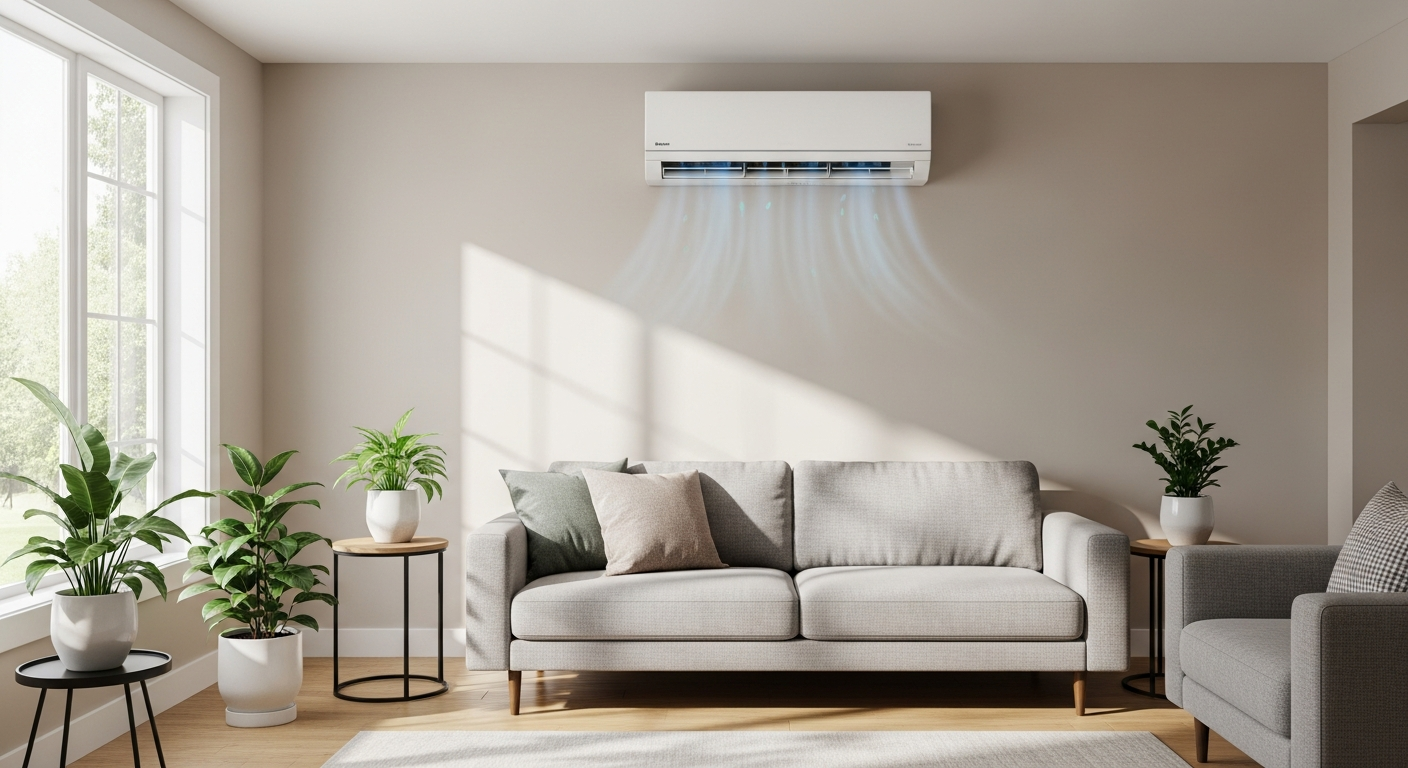
Start with a Manual J load calculation, then match fuel and efficiency to your climate, and vet the contractor harder than the brand.
A perfectly sized system installed by a vetted professional will outperform expensive equipment that’s slapped in. Use our free tools to check sizes and rebates, then demand a load calc report and a written, all‑inclusive quote before signing.
What Matters Most
- Insist on a printed Manual J report—never accept square‑footage‑only sizing.
- Use our BTU calculator and cost estimator to arm yourself with preliminary numbers before talking to contractors.
- In cooling‑heavy climates, 16 SEER2 often pays back the upgrade cost in under five years thanks to rebates and savings.
- Heat pumps are now viable even in cold climates; choose a model rated for your design winter temperature.
- The contractor checklist is your contract’s MVP: if they can’t answer all eight questions, keep shopping.
Strengths
- Data‑driven decision thresholds replace guesswork.
- Safety section clearly delineates DIY maintenance from hazardous pro‑only tasks.
- Multiple tools and links let readers self‑diagnose and compare quotes instantly.
- Local context paragraphs make the advice actionable for real geographies and home ages.
Weaknesses
- Cost tables are editorial ranges; actual quotes can swing 20–30% with season and location.
- A load calculator cannot replace an on‑site professional evaluation—it’s a starting point.
- Rebate and tax credit details change; always verify with the rebate finder and your local utility.
- Some hyper‑specific scenario (e.g. geothermal, ductless minisplits) are only briefly touched; the guide focuses on conventional split systems.
Decision summary
| Scenario | Usually do | Why |
|---|---|---|
| AC dead in August, system 12+ years | Replace entire system | Mismatched parts kill efficiency; full swap often adds <$1,500 |
| High electric rates, low gas rates | Gas furnace (96%+ AFUE) + modest AC | Heating cost per BTU makes gas the winner |
| All‑electric home, mild winter | Heat pump (16+ SEER2 / 8+ HSPF2) | Cheapest to run, qualifies for federal tax credit |
| System uses R‑22 refrigerant | Replace immediately | R‑22 is phased out; repairs cost more than down payment on new |
Introduction
Buying an HVAC system isn't just a purchase—it's a 15‑year relationship with your comfort and energy bills. The wrong size, a mismatched fuel type, or a quick‑hire contractor can cost you thousands in lost efficiency and early replacements. This guide gives you a no‑fluff, step‑by‑step decision path that homeowners and property managers can follow today. By the end, you'll know which three quotes to request, exactly what to look for in the paperwork, and how to avoid the number one mistake people make: skipping a Manual J load calculation.
Quick Answer
1. Size it right first: demand a Manual J load report before signing anything. 2. Match fuel to your climate and rates: heat pumps excel in most of the U.S.; gas furnaces still dominate the coldest corners. 3. Aim for 16 SEER2 / 8+ HSPF2 minimum: the federal tax credit and utility rebates often close the cost gap. 4. Vet the contractor harder than the brand: a mediocre system installed perfectly outperforms a premium system slapped in. 5. Use our tools below to test your own numbers.
What the Table Decision Looks Like
| Scenario | Usually Do | Why |
|---|---|---|
| AC died in August, system is 12+ years old | Replace entire system (indoor + outdoor) | Mismatched components kill efficiency and warranties. Cost difference vs. patch is often <$1,500. |
| Gas furnace is 20 years old, still runs | Replace proactively in shoulder season | Modern furnaces deliver 95%+ AFUE; save 20–30% on gas, avoid emergency markup. |
| New construction or gut renovation | Right-size with Manual J + commission the system | Most new builds are oversized. Commissioning verifies airflow and refrigerant charge. |
| High electric rates (> $0.15/kWh), low gas rates | High-efficiency gas furnace (96%+ AFUE) with modest AC | Heating cost per BTU is the decider; gas often wins in winter-peak regions. |
| Poor indoor air quality, allergies | Add a media cabinet with MERV 13 filter, consider variable-speed | Variable-speed blowers run longer at low speed, filtering more air. Upgrade the filter, not just the box. |
Editorial estimates based on 2024‑2025 market data for a typical 2,000 sq. ft. home. Actual quotes may differ 20–30% by region and complexity.
Step 1: Understand What Your Home Really Needs
Walk through these three numbers before you look at a single brochure:
- Square footage + ceiling height. A quick proxy: 400–600 sq. ft. per ton of cooling is common, but it’s only a starting point.
- Insulation and window quality. Double‑pane low‑E? Attic R‑49? These drastically shave off BTUs.
- Local design temperatures. The 1% summer high and 99% winter low (ask your contractor or check ASHRAE data) determine the outdoor extremes your system must fight.
Then run our free BTU calculator for a preliminary range. For a deeper pre‑shopping dive, study how to read HVAC equipment specifications so you can compare tonnage and airflow figures across brands. If your current equipment is just getting old, use our system age decoder and repair‑or‑replace calculator to decide if now is the time.
Step 2: Fuel Type – The Real Fork in the Road
Your heating fuel dictates your future monthly bills and upfront cost. Compare honestly:
| System Type | Typical Installed Cost Range* | Best When |
|---|---|---|
| Heat pump (15–18 SEER2, 8–9 HSPF2) | $7,000 – $12,000 | Mild winters, high gas hookup fees, all‑electric homes |
| Dual fuel (heat pump + gas backup) | $8,500 – $15,000 | Swing climates: days above 40°F, nights below freezing |
| Gas furnace (96% AFUE) + basic AC (14 SEER2) | $5,500 – $8,500 | Pronounced winter season, cheap natural gas |
| High‑efficiency AC (16–20 SEER2) + 96% furnace | $8,000 – $14,000 | Long cooling seasons, plan to stay 10+ years |
*Editorial estimates for complete system swap; ductwork modifications extra. Prices vary by brand, location, and season.
For a personalized cost projection, use the HVAC cost estimator and then check the rebate finder—the Inflation Reduction Act can cover up to $2,000 off a heat pump or $600 toward a heat pump water heater.
Step 3: Sizing Is 90% of the Fight
Bigger equipment cycles on and off too often, leaving your basement floor cold and your upstairs stifling. Smaller equipment runs endless marathons, killing efficiency and never quite keeping up. The only correct route is a Manual J load calculation (ACCA‑approved). When you request quotes, make this non‑negotiable:
“I will not consider a quote that doesn’t include a printed Manual J report specific to my home.”
Any contractor who says they can “size by square footage” or “use the old unit’s tonnage” is guessing. Walk away. If you want a head start, the free BTU calculator gives an educated range so you can spot a wildly off proposal.
Step 4: Efficiency – Where the Payback Hides
SEER2 and HSPF2 ratings directly affect your wallet. In a cooling‑dominant climate, jumping from 14 SEER2 to 16 SEER2 saves about 12% on cooling costs. For a typical $1,200 annual cooling bill, that’s $144/year. Over 12 years, you save $1,728—often more than the upgrade cost after rebates. Thresholds to remember:
- 14 SEER2 is the federal minimum; treat it as the floor, not the target.
- 16 SEER2 usually qualifies for utility rebates and the $600 federal tax credit for AC.
- 18+ SEER2 makes sense only if you live in a very hot zone (e.g., Phoenix, Las Vegas) or have tiered electric rates you can exploit with inverter‑driven compressors.
Keep tabs on how to research HVAC equipment before buying so you can spot efficiency trends before the sales pitch.
Safety Boundaries
What homeowners can safely do
- Replace disposable air filters every 1–3 months (more often with pets/allergies). See how to replace an AC air filter.
- Keep the outdoor unit clear of leaves, grass clippings, and snow drifts.
- Test thermostat operation in heating and cooling modes during season changes.
- Pour a cup of water down the condensate drain each spring to flush algae.
- Listen for grinding, squealing, or hammering noises and report them immediately.
Always hire a licensed professional for
- Any task that releases refrigerant, opens gas lines, or accesses electrical panels above 120V.
- Compressor, capacitor, contactor, control‑board, or heat exchanger replacements.
- Furnace ignition system, burner, or combustion adjustment.
- Bypassing any safety switch or pressure sensor.
- Adding or moving supply/return ductwork (impacts static pressure and airflow).
Attempting these repairs can void your warranty, cause injury, and violate local building codes. When in doubt, use the emergency HVAC service locator.
Decision Tree: Replace, Repair, or Tune?
- Age ≥ 15 years AND repair cost > $1,500 → Replace. Use repair‑or‑replace calculator for your precise numbers.
- System needs R‑22 refrigerant (phased out 2020) → Replace. R‑22 is no longer produced, making top‑offs punitively expensive.
- Energy bills 25%+ higher than neighbors’ → Have a load calc and duct leakage test before replacing equipment. An undersized return is often the hidden culprit.
- Frequent capacitor/contact failures → Evaluate if the unit is oversized and short‑cycling. Replacement is usually cheaper than chasing repeat repairs.
- Heat exchanger is cracked → Replace the furnace immediately. Safety hazard.
Contractor Checklist: 8 Questions That Separate Pros from Salesmen
Run every quote through this list. Score 8/8 before you sign.
- “Will you provide a Manual J report and explain it to me?”
- “Are you pulling all required permits? Can I see the permit before work starts?”
- “What labor warranty do you offer—minimum 1 year, ideally 2–3 years?”
- “Will you register my equipment warranty on my behalf and give me the certificate?” (Manufacturer warranties often drop from 10 to 5 years if not registered.)
- “Do you perform a duct leakage test and include the results in the quote?”
- “Is your quote all‑inclusive, or could there be add‑ons for refrigerant, permits, electrical, or disposal?”
- “Can you provide three references from the past 12 months with similar systems?”
- “How do you handle punch‑list items after installation and what’s the maximum response time?”
Search our verified directory or compare nearby HVAC contractors to find pros who pass this test.
Local Context: One Size Does Not Fit All
- Hot, humid coastal (Houston, Miami): Variable‑speed compressors and ideally a dedicated dehumidifier. Ask for “sensible heat ratio” specs.
- Hot, dry (Phoenix, Las Vegas): High SEER2 (18+) pays back quickly. Consider white/reflective outdoor unit coating. Hit Phoenix AC specialists for local expertise.
- Cold winters (Chicago, Minneapolis): Cold‑climate heat pumps (<2.0 COP at 5°F) or dual fuel. Gas furnaces at 96%+ AFUE remain a top choice. Chicago heating pros know what holds up under lake‑effect snow.
- Coastal mild (Seattle, San Diego): Simple heat pump, no auxiliary gas. Focus on corrosion‑resistant coil coatings if within 2 miles of salt water.
- Older homes (pre‑1970): Budget an extra $1,500–$4,000 for ductwork sealing or even full replacement. Poor ducts strangle even the best new system.
Methodology: How We Form Our Estimates
The cost ranges and payback examples above are editorial estimates drawn from HVACDatabase’s national cost database, contractor surveys, and publicly reported equipment pricing (2024‑2025). They assume a straightforward replacement in a single‑family home with existing ductwork. Actual quotes will vary based on system brand, local labor rates, seasonal demand, permit fees, and unforeseen issues like asbestos or code‑required electrical upgrades. Always obtain at least three itemized quotes and compare them with our quote checker to spot inflated line items.
Frequently Asked Questions
What size HVAC unit do I really need?
Square footage is a rule of thumb—roughly 400–600 sq. ft. per ton. But the only accurate method is a Manual J load calculation, which accounts for insulation, window area, orientation, ceiling height, and local climate. Use our BTU calculator for a preliminary range, then insist on a professional report.
Is a high SEER system worth the extra money?
In cooling‑heavy regions, yes. A 16 SEER2 unit saves about 12% annually vs. the 14 SEER2 minimum. If your summer bill is $1,200, that’s $144/year. Over 12 years, the savings often exceed the $800‑1,500 upgrade cost. Combine with the federal $600 tax credit and utility rebates, and the payback drops to under 4 years.
Can I install a heat pump in a cold climate?
Absolutely. Modern cold‑climate heat pumps maintain full capacity down to 5°F and can still output heat at -15°F. Look for HSPF2 ≥ 8.5 and a model rated for your design winter temperature. If you have cheap natural gas, a dual‑fuel system may offer the best economics, switching to furnace only during deep cold.
What’s the difference between a heat pump and central AC?
A central AC only cools. A heat pump cools and heats by reversing the refrigerant cycle. Since a heat pump moves heat rather than generating it, it can be 2–4 times more efficient than electric resistance or even a gas furnace in moderate weather. The indoor unit often looks identical; the magic is in the outdoor reversing valve.
How long does a full HVAC installation take?
For a straightforward system swap in a home with existing ductwork, expect 1–2 days (8‑16 labor hours). Ductwork modifications, electrical panel upgrades, or new gas lines can add 1–3 days. Always confirm the timeline and daily work schedule in the contract.
Related articles
Connect this page to adjacent guides so readers keep moving deeper into the topic cluster.
How to Implement a Whole Home Energy Management System
Integrate smart tech and HVAC controls to cut energy waste. This guide shows how to audit, upgrade, and automate your home's energy use, with real savings estimates.

How to Set Up Thermostat Geofencing
Set up thermostat geofencing to automatically adjust home temperature as you come and go. Save energy, extend equipment life, and never return to an uncomfortable house. Get our quick-start guide now.
How to Troubleshoot Smart Thermostat WiFi Issues
Your smart thermostat offline? Most WiFi drops can be fixed with power checks, router adjustments, and simple restarts. Follow our step-by-step guide to regain remote control and energy savings.