How to Reduce AC Noise
A noisy air conditioner disrupts comfort and often hints at mechanical trouble. This guide helps you diagnose sounds, compare solutions, and decide when to repair or replace.
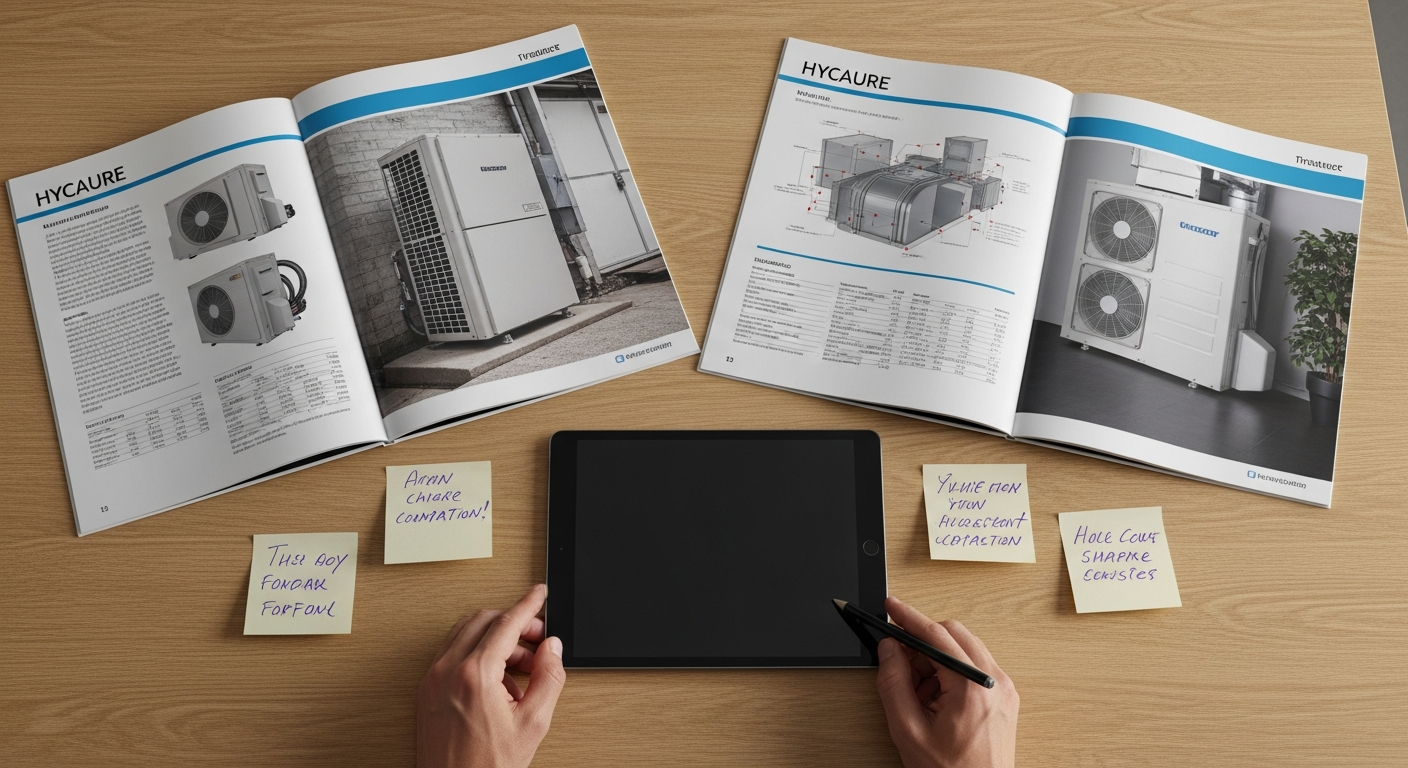
Prioritize diagnosis before spending money
Homeowners should first identify the noise source safely, then decide on low-cost fixes or professional help, avoiding unnecessary repairs. A systematic approach saves money and extends equipment life.
What Matters Most
- Match the noise to the likely cause using the symptom table.
- Perform zero-cost fixes first: clear debris, tighten panels, level unit.
- Never DIY electrical, refrigerant, or internal mechanical work.
- A sound blanket only helps humming compressors and must be pro-installed.
- Consider replacement if the system is over 12 years or repair costs exceed $1,500.
Strengths
- Empowers homeowners with easy, safe actions that can resolve noise immediately.
- Reduces risk of misdiagnosis and unnecessary service calls.
- Extends equipment life by catching minor issues before they become major failures.
- Provides clear cost comparisons to support repair vs. replace decisions.
Weaknesses
- Safe DIY fixes are limited to external issues; many noises require a pro.
- Sound blankets only mask compressor noise, not underlying mechanical faults.
- Older units may need replacement no matter what, and upgrading is a larger investment.
Noise solution decision summary
| Scenario | Usually do | Why |
|---|---|---|
| Rattling from outdoor unit | Tighten screws and clear debris | Loose panels or external objects are common, safe DIY |
| Humming compressor that's louder than usual | Schedule a pro diagnostic ($80–$200) | May indicate failing compressor or electrical, not DIY |
| High-pitched squeal at startup | Shut off system, call pro immediately | Likely bearing failure, risk of motor burnout |
| Clicking when fan spins | Check for debris in fan blades | Safe to clear after power off, prevents motor damage |
A noisy air conditioner can turn a peaceful backyard into a stress zone. But that rattling, buzzing, or humming isn't just annoying—it often points to mechanical wear that can shorten equipment life. Rather than ignoring it or calling a technician blindly, this guide helps you decode AC noises, apply safe home remedies, and make confident repair or replacement decisions. Use our interactive tools and checklist to protect your investment and restore quiet.
Quick Answer: Diagnose Before You Spend
If your AC is making a new noise, start by safely inspecting for debris, loose panels, or an unlevel base. If the noise persists and sounds mechanical (screeching, grinding), shut it off and call a pro. For a constant loud hum, a compressor sound blanket may help, but only if professionally installed. Use our noise guide to pinpoint the issue and estimate costs.
Identify the Noise: What That Sound Means
Different sounds often point to specific issues. The table below matches symptoms with likely causes, safe actions, and editorial cost ranges. Remember, these estimates are not guaranteed—actual prices vary by region, system type, and required parts. Always get a detailed quote from a local licensed technician through HVACDatabase.com.
| Symptom | Likely Cause | Safe Action | Editorial Cost Estimate |
|---|---|---|---|
| Rattling | Loose panels, debris, or refrigerant line vibration | Check and tighten accessible screws; clear debris; call pro if inside unit | $0–$150 (if pro tightening needed) |
| Buzzing | Electrical contactor or capacitor failing | Turn off unit, call pro immediately | $150–$400 |
| Humming (loud) | Compressor hard-starting or failing | Request diagnostic; consider sound blanket if otherwise healthy | $80–$200 diagnostic; blanket install $200–$400 |
| Screeching/Squealing | Motor bearings or belt (if belt-drive) | Shut off system, call pro to prevent motor burnout | $300–$900 (motor replacement) |
| Clicking (rhythmic) | Foreign object in fan blades | Power off, visually inspect and remove debris safely | $0 |
| Whistling/Hissing | Duct leak or high static pressure | Check accessible ducts for holes; call pro for thorough test | $200–$600 for duct sealing |
Safe DIY Noise Fixes
Some noise reduction tasks are low-risk for homeowners:
- Clear debris: Leaves, twigs, or pebbles can rattle against fan blades. Turn off the unit at the disconnect box and carefully remove any visible objects.
- Tighten exterior screws: Use a screwdriver to snug loose cabinet panels or fan grilles. Do not open the electrical compartment.
- Level the unit: A mild tilt can cause vibration. If the pad is intact, insert rust-proof shims under the base to level it. Avoid lifting the unit yourself; if the pad is cracked, call a pro.
- Maintain airflow: Replace dirty air filters (how to replace an AC filter) and keep at least 2 feet of clearance around the outdoor unit. This reduces blower strain and fan noise.
- Clean condenser coils: Gently rinse coils with a garden hose (after power off) to improve efficiency and reduce fan load. See condenser coil cleaning guide for safe methods.
Safety Boundaries: What Homeowners Should Never Touch
HVAC systems carry serious risks. To avoid injury or code violations, never attempt the following:
- Opening the electrical panel or handling wiring, capacitors, or contactors
- Working on refrigerant lines or attempting to recharge refrigerant
- Replacing motors, compressors, or internal bearings
- Bypassing safety switches or modifying control boards
- Installing a compressor sound blanket if it requires accessing the sealed unit; leave this to a qualified technician
If you're unsure, always check 24/7 emergency services or schedule a diagnostic through our contractor search.
Cost Guide: Repair vs. Replace vs. Upgrade
Use this editorial guidance to weigh options. Pricing factors include system size, brand, region, and season.
| Action | Typical Cost Range | When It Makes Sense |
|---|---|---|
| Diagnostic visit | $80–$200 | Whenever a new, persistent noise appears |
| Condenser sound blanket (installed) | $200–$400 | Humming compressor; system under 10 years old and otherwise healthy |
| Minor repair (loose parts, debris removal) | $0–$150 | Rattling or clicking with visible external cause |
| Major repair (motor, compressor) | $500–$1,500 | System under 8–10 years; get a second quote |
| Full system replacement (quiet, efficient) | $4,000–$12,000+ | System over 12 years, or repair > 50% of new unit cost |
Check if rebates can offset costs with our rebate finder.
Decision Rules: When to Call a Pro vs. DIY
Follow these concrete thresholds:
Click to expand decision flowchart
- Is the noise new and changing? If yes, shut off the unit and call for emergency service—continuous operation may cause catastrophic damage.
- Can you safely see and reach the source? If it's external (debris, loose panel) and power is off, you may fix it. If internal or electrical, call a pro.
- Is the system older than 12 years? Use the repair or replace calculator. A noisy older unit often costs more to quiet than to replace with a modern, silent model.
- Does the noise include screeching, grinding, or a burnt smell? These indicate motor failure or electrical arcing—immediate pro attention is mandatory.
- Have you tried a sound blanket and still unhappy? Then it's time to consider a variable-speed upgrade. Check system age and cost estimator.
Contractor Checklist: Questions to Ask Before Work Begins
When you hire a professional, use this list to ensure you're getting a thorough, honest assessment:
- “Can you explain exactly what the noise indicates and how you'll fix it?”
- “What are the repair costs versus the cost of a new, quieter unit?”
- “Do you offer a written, itemized quote with labor and parts separated?”
- “Is a compressor sound blanket installation included or available? What decibel reduction can I expect?”
- “Are there any maintenance tasks I can perform to prevent future noise?”
- “Can I see reviews or references from similar noise-reduction jobs?”
- “Will this repair affect my system's warranty or efficiency?”
- “Are there any rebates or financing options for replacing with a quieter model?” (Use our rebate finder ahead of time.)
Get at least 3 quotes to compare; use our contractor comparison tool.
Local Context: Noise Concerns by Climate and Home Type
- Hot, arid climates (Phoenix, Las Vegas): Compressors run long cycles. Sound blankets and keeping the unit shaded (without blocking airflow) can reduce noise and extend life. See Phoenix AC pros for local expertise.
- Humid, coastal areas (Miami, Houston): Corrosion on fan blades causes imbalance and clicking. Annual maintenance visits are critical. Check condensate drain care to avoid sloshing water noises.
- Cold, northern regions (Chicago, Minneapolis): Ensure winter covers don't trap moisture, leading to rust and rattles in spring. Chicago HVAC experts can advise on year-round care.
- Older homes (pre-1990): Duct rattling and whistling from undersized returns are common. Consider a static pressure test and duct sealing.
Tools and Calculators: Make Data-Backed Decisions
- HVAC Noise Guide: Compare decibel levels of different units and find acceptable noise ranges.
- HVAC Cost Estimator: Ballpark total installed cost for a new, quiet system.
- Repair or Replace Calculator: Enter your system's age, repair quote, and local energy rates to get a recommendation.
- System Age Decoder: Find your unit's manufacture date to assess if it's still worth repairing.
- Rebate Finder: Look for incentives for high-efficiency replacements.
Methodology: How We Form Our Recommendations
The advice and cost ranges in this article are editorial estimates based on HVACDatabase's analysis of nationwide contractor surveys, manufacturer data, and public pricing trends. They do not constitute guaranteed quotes. Actual costs depend on factors like system size, accessibility, local labor rates, seasonality, and material prices. We always recommend obtaining multiple detailed quotes from licensed professionals via our contractor network before making a financial decision.
Frequently Asked Questions
- Can I install a compressor sound blanket myself? No. It requires accessing the condenser unit's interior, which contains high-voltage components. Always hire a licensed technician.
- My outdoor unit makes a loud buzzing sound only at startup. Is that normal? A brief hum at startup can be normal, but a loud buzzing may indicate a failing contactor or capacitor. Have a pro check it promptly to avoid further damage.
- The unit is level, but I still feel vibration inside the house. What can I do? Request a technician to install vibration isolation pads under the unit and check that refrigerant lines are not pressed against the house structure.
- How much can a new, quiet AC unit reduce noise compared to my old one? Modern variable-speed units operate at 55–60 decibels, versus 70–80 dB for older single-stage units—a perceived 50% noise reduction. Use our noise guide to compare models.
- Is it worth repairing a noisy 15-year-old AC? Typically not. Use the repair or replace calculator. If the repair exceeds 50% of a new unit's cost and the system is past its expected life, replacement is smarter, especially when factoring in energy savings and quiet operation.
Related articles
Connect this page to adjacent guides so readers keep moving deeper into the topic cluster.
How to Implement a Whole Home Energy Management System
Integrate smart tech and HVAC controls to cut energy waste. This guide shows how to audit, upgrade, and automate your home's energy use, with real savings estimates.

How to Set Up Thermostat Geofencing
Set up thermostat geofencing to automatically adjust home temperature as you come and go. Save energy, extend equipment life, and never return to an uncomfortable house. Get our quick-start guide now.
How to Troubleshoot Smart Thermostat WiFi Issues
Your smart thermostat offline? Most WiFi drops can be fixed with power checks, router adjustments, and simple restarts. Follow our step-by-step guide to regain remote control and energy savings.