How to Register Your HVAC Equipment Warranty
Registering your HVAC warranty can double your coverage to 10 years. We show you how in under 10 minutes, what you need, and how to avoid costly mistakes.
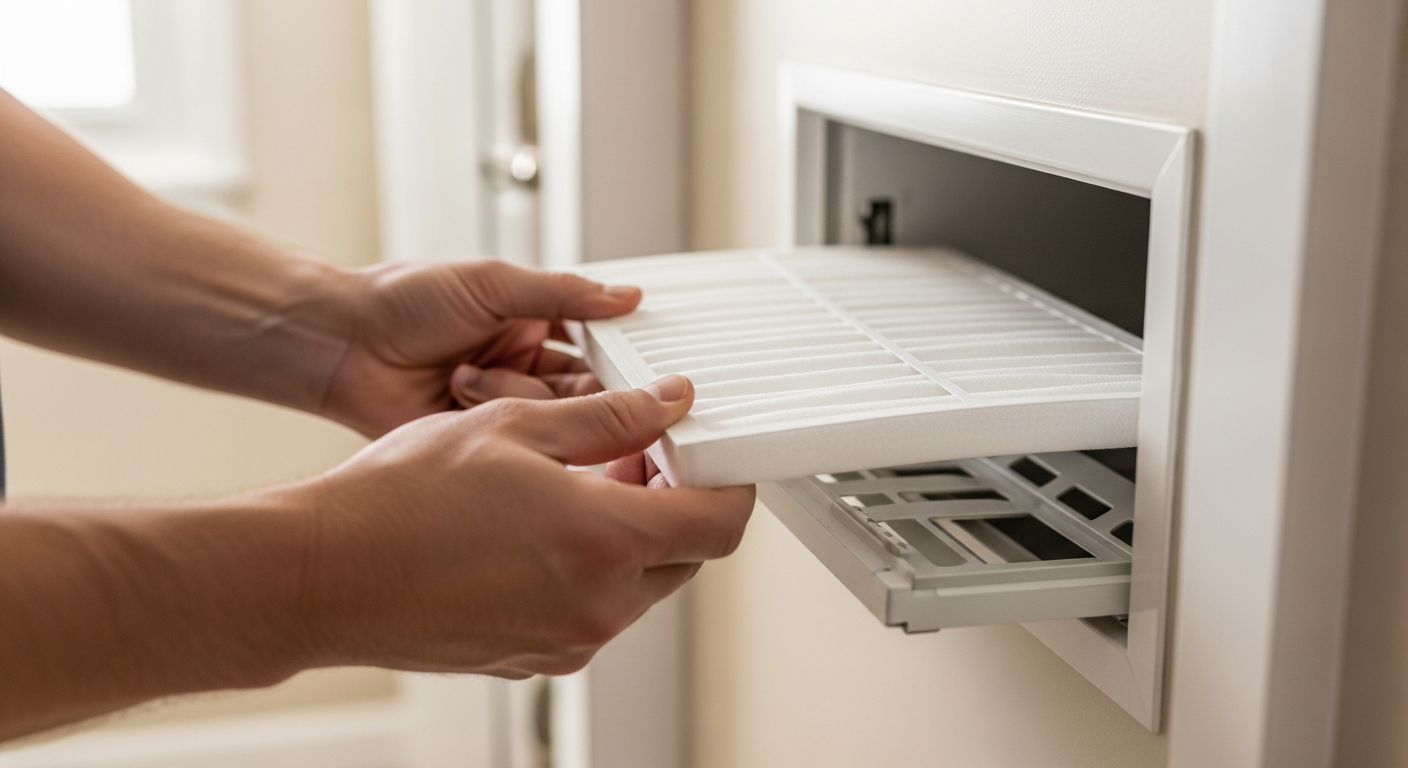
Register Immediately to Maximize Coverage
Homeowners should register HVAC equipment within 60 days of professional installation to secure the longest available parts warranty—typically 10 years. It's free, takes 10 minutes, and prevents thousands in unexpected repair bills.
What Matters Most
- Register all system components online within 60 days.
- Keep a copy of the confirmation and serial numbers.
- Only a professional installation keeps your warranty valid.
- Late registration can cut coverage in half.
- Know what's not covered: labor, consumables, and damage from poor maintenance.
Strengths
- Free and fast
- Doubles or triples the parts coverage period
- Enables direct manufacturer recall notices
- Reduces future repair cost uncertainty
Weaknesses
- Parts only – labor is extra
- Requires diligent record keeping
- May not transfer automatically
- Brand-specific portals can be confusing
Warranty Registration Scenarios
| Scenario | Usually do | Why |
|---|---|---|
| Registered on time | Go to manufacturer site, enter details, save certificate | Locks in 10-year parts, seamless claims |
| Missed deadline | Check late registration; if not, accept base coverage | Prevents total loss, but coverage reduced |
How to Register Your HVAC Warranty: Quick Answer
After a contractor installs your new heating and cooling system, register each component (outdoor unit, indoor unit, coil, furnace) on the manufacturer's website within 60 days. You'll need the serial and model numbers from data plates, installation date, and your contractor's information. Registration typically extends the standard 5‑year parts warranty to 10 years or more—for free. Print or save the confirmation certificate.
Why Registration Matters (And What You Risk by Skipping It)
Most manufacturers split their warranty into two tiers: a base warranty (often 5 years on parts) and a registered extended warranty (often 10 years on parts). Some brands, like Carrier or Lennox, will reduce coverage to as little as 1 year if you miss the registration window. Labor is rarely covered beyond the first year, but the parts extension is worth thousands. You also enable the manufacturer to contact you directly for safety recalls.
Editorial cost estimate: A single major part replacement, like a compressor or ECM motor, can cost $1,500–$4,000+ without warranty. Registration is essentially free insurance.
What You Need to Register (Gather This Now)
- Serial numbers: from the outdoor condenser and indoor air handler/furnace data plates.
- Model numbers: also on the data plates.
- Installation date: the day the contractor completed the work.
- Contractor info: company name, address, phone, and license number (if required).
- Proof of purchase: invoice or contract showing installation details.
| Scenario | Typical Parts Coverage | Claims Process |
|---|---|---|
| Immediately registered (within 60 days) | 10 years (or manufacturer maximum) | Simpler – your info is on file |
| Not registered or late | 5 years base (some brands lower) | May require purchase proof, slower |
Safety Boundaries: What Homeowners Can and Can't Do
Registration is perfectly safe for anyone with the serial number. But to keep your warranty valid, remember:
- Safe for you: Locating data plates, taking photos, filling out the online form, saving the certificate.
- Pro only: Initial system sizing, installation, refrigerant handling, electrical connections, gas hookups, and any repair that involves opening the sealed system or control board. DIY work on these will void your warranty.
If your system wasn't installed by a licensed professional, the warranty may be void regardless of registration. Always verify your contractor's license and insurance.
Decision Tree: Should You Register Right Now?
Click to see if registration is for you
- Was the system professionally installed? Yes → continue. No → warranty likely void; registration won't help.
- Are you within the registration window? Yes (typically 60–90 days) → act now. No → check if the manufacturer offers a late-registration option (some allow up to 1 year with a fee or reduced coverage).
- Do you have the necessary documentation? Yes → grab the serial numbers and go online. No → contact your installer immediately for the missing info.
Contractor Checklist: Questions to Ask During Installation
Before the crew leaves, confirm:
- "Will you provide all serial and model numbers and the exact installation date on the invoice?"
- "Do you register the warranty for me, or do I need to do it myself?" (Some dealers handle registration, but always verify.)
- "Can you show me the data plates on each component so I can take a photo?"
- "Is your company listed as the installing contractor on the registration? What's your license number?"
Local Context: Climate and Home Considerations
- Hot/humid climates (e.g., Phoenix, Houston): Air conditioners run almost year-round, so a 10-year compressor warranty can be a lifesaver. Registration is even more critical.
- Cold climates (e.g., Chicago, Minneapolis): Furnace heat exchangers often carry longer warranties when registered; a failed heat exchanger can cost $1,500+.
- Coastal and older homes: Corrosion or outdated ductwork can strain equipment. Ensure your installer documents that the system is properly matched; mismatched components can void coverage.
Use Our Tools to See What's at Stake
If you're weighing repair vs. replacement, run the numbers: HVAC Repair or Replace Calculator. For a sense of long-term costs if your warranty expires, try our HVAC Cost Estimator. Knowing the age of your system? System Age Decoder helps you spot coverage gaps.
Step-by-Step: Register in 10 Minutes
- Locate the manufacturer's registration portal. (Search "[Brand] warranty registration" or visit the brand's support page. For example, brand research articles often list registration links.)
- Gather the serial numbers and model numbers from all components.
- Enter the information exactly as it appears on the plates. A single typo can cause a denied claim later.
- Provide your contact details, installation date, and contractor info.
- Submit and save the confirmation. Print a copy and store it with your home documents; tape a copy to the indoor unit for easy access.
Methodology
Our recommendations are based on a review of warranty terms from major HVAC manufacturers (Carrier, Lennox, Trane, Goodman, Rheem, Daikin, etc.) and common industry practices. Cost ranges come from HVACDatabase editorial price research, reflecting typical contractor pricing in the U.S. as of 2025. They are estimates, not quotes. Always confirm details with your specific manufacturer and installer.
Frequently Asked Questions
What if I miss the 60‑day deadline?
Some manufacturers allow late registration with reduced coverage (e.g., 5 years instead of 10) or charge a fee. Contact the brand's warranty department. You may need to provide proof of purchase.
Does registration cover labor?
Almost never. Parts‑only extended warranties are the norm. Labor coverage is typically limited to the first year and is often handled by the installer.
Can I transfer the warranty if I sell my home?
It varies. Many brands allow a one‑time transfer to a new owner for a small administration fee, but the new owner must register the transfer within a window (often 90 days after property closing). Check your warranty certificate.
Do I need to register if I bought a home with an existing system?
If the original owner registered it, the warranty may be transferable. If not, you may only have the base warranty remaining. Use our System Age Decoder to estimate the equipment's age, then contact the manufacturer to see if registration is possible.
Will smart thermostats or third‑party accessories void my warranty?
Generally no, unless the manufacturer can show the accessory caused damage. However, some brands restrict which thermostats or zone controls are approved. Always check the installation manual or ask the manufacturer before adding non‑OEM parts.
For help finding a qualified installer to verify your system or perform maintenance, search HVAC contractors in your area, or compare contractors side by side.
Related articles
Connect this page to adjacent guides so readers keep moving deeper into the topic cluster.
How to Implement a Whole Home Energy Management System
Integrate smart tech and HVAC controls to cut energy waste. This guide shows how to audit, upgrade, and automate your home's energy use, with real savings estimates.

How to Set Up Thermostat Geofencing
Set up thermostat geofencing to automatically adjust home temperature as you come and go. Save energy, extend equipment life, and never return to an uncomfortable house. Get our quick-start guide now.
How to Troubleshoot Smart Thermostat WiFi Issues
Your smart thermostat offline? Most WiFi drops can be fixed with power checks, router adjustments, and simple restarts. Follow our step-by-step guide to regain remote control and energy savings.