HVAC Tasks You Can Safely DIY
Keep your HVAC system efficient with these safe DIY tasks. From filter changes to drain line cleaning, know your limits and when to call a pro to avoid costly damage.
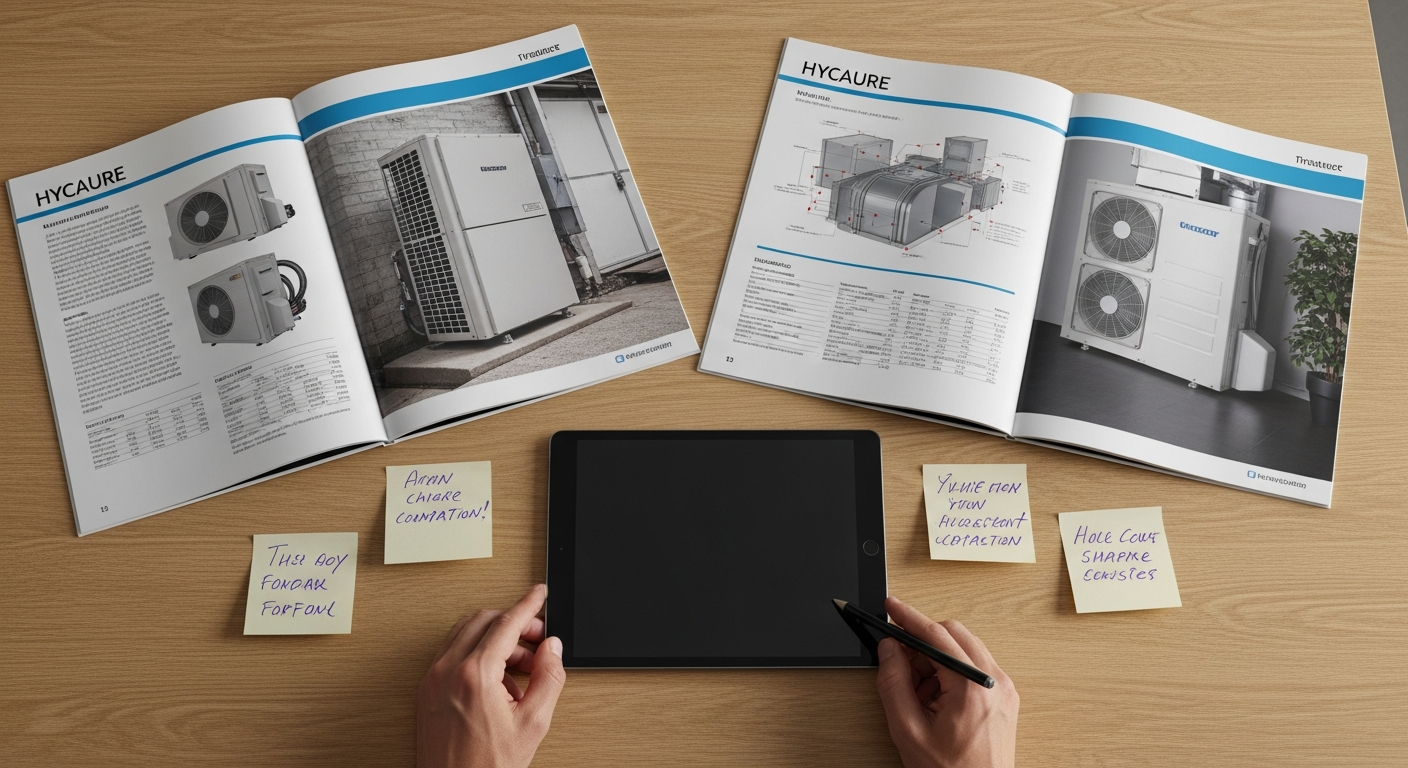
Homeowners should handle basic filter, coil, and drain maintenance but always avoid refrigerant, gas, and high-voltage work.
DIY maintenance saves money on simple tasks, prevents unnecessary service calls, and extends equipment life. However, complex or dangerous repairs demand a licensed technician. Use the provided tools to know when to hire and how to compare quotes accurately.
What Matters Most
- Replace filters monthly to quarterly; clean outdoor unit and drain line seasonally.
- Never attempt refrigerant handling, gas lines, or electrical panel repairs.
- Use the Repair or Replace Calculator for systems over 12 years old or repairs exceeding 30% of new unit cost.
- Get at least three written quotes and verify licensing before hiring.
- Regional climate calls for tailored maintenance: humid areas need more drain cleaning, coastal areas require anti‑corrosion rinsing.
Strengths
- Empowers homeowners to reduce energy bills by up to 15% with simple tasks.
- Prevents unnecessary $80–$200 diagnostic calls for fixable issues.
- Extends system lifespan by avoiding neglect.
- Clear safety boundaries prevent life‑threatening mistakes.
- Direct links to estimators and comparison tools help avoid overpaying.
Weaknesses
- Does not replace professional diagnosis—misdiagnosis can worsen problems.
- Some tasks require moderate fitness (e.g., climbing ladder for outdoor unit).
- Local building codes may require permits for duct sealing, though rarely enforced.
- Cost estimates are editorial ranges, not guaranteed; prices vary by season and region.
- Overconfidence may lead a homeowner to attempt borderline tasks.
Decision Summary
| Scenario | Usually do | Why |
|---|---|---|
| Clogged condensate drain line | DIY clear with vinegar and wet/dry vac | Simple, low risk; persistent clogs may need a pro to check for deeper blockages |
| Dirty air filter | DIY replace | $10–30 part; improves airflow and efficiency immediately |
| System not cooling | Pro after checking filter and vents | Likely refrigerant, compressor, or electrical issue—dangerous to self‑diagnose |
Quick Answer
These DIY tasks are safe for most homeowners when performed as described:
- Replace air filters every 30–90 days (more often with pets/allergies).
- Clean the outdoor condenser unit by clearing debris and gently rinsing fins with a garden hose—never use a pressure washer.
- Clear the condensate drain line by pouring distilled white vinegar down the access port; use a wet/dry vac if clogged.
- Seal accessible duct joints in unconditioned spaces with mastic sealant or foil‑backed tape.
- Check thermostat settings and airflow: ensure vents aren’t blocked by furniture or curtains.
Pro‑only work includes anything involving refrigerant, natural gas, line‑voltage electricity, compressors, capacitors, contactors, control boards, or combustion components. If you’re unsure, use our Repair or Replace Calculator and contractor search to decide next steps.
Safety Boundaries
Always avoid these tasks yourself: handling refrigerant (EPA 608 certification required), working on gas lines or gas valves, accessing high‑voltage electrical panels, replacing capacitors/contactors, compressor work, bypassing safety switches, or opening sealed control boards. Even diagnostic steps that involve removing panels beyond the filter access may expose live voltage or gas—stop and call a licensed technician.
Safe checks you can do:
- Visually inspect the outdoor unit for debris, bent fins, ice buildup, or oil residue (oil signals a refrigerant leak—call a pro immediately).
- Read the furnace error‑code LED (see panel legend) but do not open the blower compartment to access sensors if it requires tools.
- Gently clean the condensate drain line and condensate pump (if accessible) with vinegar only.
- Change the air filter and clean the filter slot.
DIY Decision Table
| Scenario | Usually do | Why |
|---|---|---|
| Air filter dirty | DIY | $10–30 filter; 2‑minute job; monthly check prevents blower motor strain |
| Outdoor unit fins clogged | DIY | Gentle hose rinse restores airflow; debris removal prevents overheating |
| AC drain line water backup | DIY | Vinegar flushes algae; wet/dry vac on exterior outlet clears blockages |
| Furnace won’t start | Pro | Could be gas valve, igniter, or board—safety hazard to self‑diagnose |
| Insufficient cooling/heating | Check filter & vents first, then call Pro | If basic checks fail, likely refrigerant or mechanical issue requiring tools |
| Unusual noises (banging, screeching) | Pro | Indicates motor bearing, compressor, or duct damage—professional repair needed |
Tools & Calculators for Smarter HVAC Decisions
Before spending on a service call, use these free HVACDatabase tools to understand your system and compare options:
- Repair or Replace Calculator: Plug in your system’s age, repair cost, and efficiency to see if replacement saves more long‑term.
- HVAC Cost Estimator: Get editorial cost ranges for common repairs, maintenance plans, and full installations in your area.
- Quote Checker: Compare contractor estimates to market ranges and spot overpricing.
- BTU Calculator: Ensure your system is correctly sized for your home—critical if you’re adding insulation or finishing a basement.
- Rebate Finder: Locate utility, state, and federal incentives for high‑efficiency upgrades.
Editorial cost ranges (2024–2025 estimates, not guaranteed): Diagnostic visit $80–$200; standard maintenance visit $80–$250; common AC repair (small electrical/control) $150–$650; refrigerant leak or motor work $500–$1,500; compressor or coil replacement $1,500–$4,000+.
Decision Rules: When to DIY vs. Call a Pro
Apply these concrete thresholds before picking up tools:
- Age + repair cost rule: If your AC or furnace is over 12 years old and a repair exceeds 30% of new system cost (use the Repair or Replace Calculator), replacement often makes more sense.
- Filter neglect: If the filter hasn’t been changed in 6+ months, change it first—many symptoms (poor airflow, icing, short cycling) vanish with a clean filter.
- Refrigerant or gas odor: Any smell of rotten eggs (gas) or chemical sweet smell (refrigerant) demands immediate pro dispatch. Do not DIY.
- Electrical panel warnings: If the furnace board shows a code that indicates line‑voltage or ignition fault, call a pro. Do not reset breakers repeatedly—frequent tripping signals a short or overload.
- Water around indoor unit: Clean the drain line yourself; if water returns within days, a deeper clog or broken pan requires a technician.
Contractor Checklist & Hiring Tips
When DIY isn’t enough, protect yourself with a vetted pro. Ask every contractor these questions before approving work:
- “Are you licensed, bonded, and insured for HVAC work in my state?” Verify through your state’s licensing board.
- “Will you provide a written, itemized estimate before starting?” Avoid vague verbal quotes.
- “Do you have experience with my specific brand and model?” Niche systems (e.g., high‑velocity, mini‑split) need specialized knowledge.
- “Can you provide references from recent jobs in my neighborhood?” Check at least two.
- “What are your after‑hours and emergency rates?” These can double standard prices.
Use HVACDatabase Contractor Search to find pre‑screened professionals, and Compare Contractors to weigh up to three proposals side‑by‑side. Also review our Cost Guide Hub for regional benchmarks.
Local Climate Considerations
Your region shapes which DIY tasks matter most:
- Hot, humid climates (Southeast, Gulf Coast): Condensate drain clogs are the #1 cause of water damage. Use vinegar monthly during cooling season. Outdoor coil cleaning is also critical due to pollen and dust. See safe coil cleaning guidelines.
- Cold climates (Midwest, Northeast): Furnace filter changes and vent blockage checks are vital—frozen intake/exhaust pipes can shut down a high‑efficiency furnace. Also inspect ductwork in unconditioned attics for leaks and ice dams.
- Coastal areas: Salt spray corrodes aluminum fins and coils faster. Rinse the outdoor unit quarterly with fresh water, and consider a repair vs. replace analysis if your unit is over 8 years old and showing rust.
- Older homes: Duct leakage is often severe. DIY sealing of accessible basement/attic ducts can yield 10–20% energy savings. Use our BTU Calculator to see if your system matches your home’s current insulation and window upgrades.
Methodology
Our recommendations and cost estimates come from HVACDatabase’s analysis of thousands of homeowner-reported jobs, contractor pricing data, and industry sources updated for 2024–2025. Cost ranges are editorial estimates only—actual prices vary by system size, brand, local labor rates, season, and access difficulty. Always obtain at least three written quotes and verify the contractor’s license and insurance. We do not recommend or guarantee any DIY task that involves refrigerant, gas, high voltage, or sealed components; those require certified professionals as noted by the EPA and OSHA.
Frequently Asked Questions
How often should I change my HVAC filter?
Every 30–90 days. Homes with pets, allergies, or high dust should check monthly. A clogged filter increases energy use by up to 15% and can cause frozen coils or blower motor failure. Use the arrow on the filter frame to orient airflow toward the furnace/air handler.
Can I clean my evaporator coil myself?
Not safely. The indoor evaporator coil is often sealed inside the air handler or furnace, requiring removal of panels that expose high voltage and refrigerant lines. Coil cleaning chemicals can be hazardous. Hire a pro for periodic deep coil cleaning—typical cost $100–$300 as part of a maintenance visit.
Is it okay to use a garden hose on the outdoor AC unit?
Yes, with care. Use a gentle spray (no pressure nozzle) and spray from the inside out to push debris away from the fins. Never use a pressure washer—it will bend the aluminum fins and reduce heat exchange. If fins are already bent, a pro can comb them straight during a service.
What does a blinking furnace light mean?
Each manufacturer has different flash codes. Look for the legend on the inside of the panel door (often a sticker). Common codes: pressure switch stuck open, limit switch fault, ignition failure. If the code indicates a gas or electrical fault, turn off the furnace and call a technician—don’t attempt to reset more than twice.
How much does a typical HVAC service call cost?
Editorial range: $80–$200 for a diagnostic visit during regular business hours. Emergency or after‑hours calls can be $150–$350. Repairs vary widely: small electrical part replacement $150–$650; refrigerant leak repair $500–$1,500; compressor replacement $1,500–$4,000+. Always get a firm quote after diagnosis and check our Cost Estimator to gauge reasonableness.
Related articles
Connect this page to adjacent guides so readers keep moving deeper into the topic cluster.

Tips for Choosing a Smart Thermostat for a Heat Pump
Learn which smart thermostat features prevent expensive auxiliary heat mistakes, how to verify compatibility, and when to call a pro.

Understanding C Wire Adapters for Smart Thermostats
Missing the C wire for your smart thermostat? C wire adapters solve power issues without pulling new wiring. Compare types, costs, and installation options.

Best Smart Thermostats for Multi Zone Homes
Discover which smart thermostats deliver accurate zoning, remote sensors, and energy savings for homes with multiple HVAC zones. Our guide helps you pick the right model and avoid costly compatibility mistakes.