Attic Insulation Cost and HVAC Savings
Upgrading attic insulation reduces HVAC load, lowers bills 15–20%, and pays back in 2–5 years. Compare materials, costs, rebates, and hiring a pro.
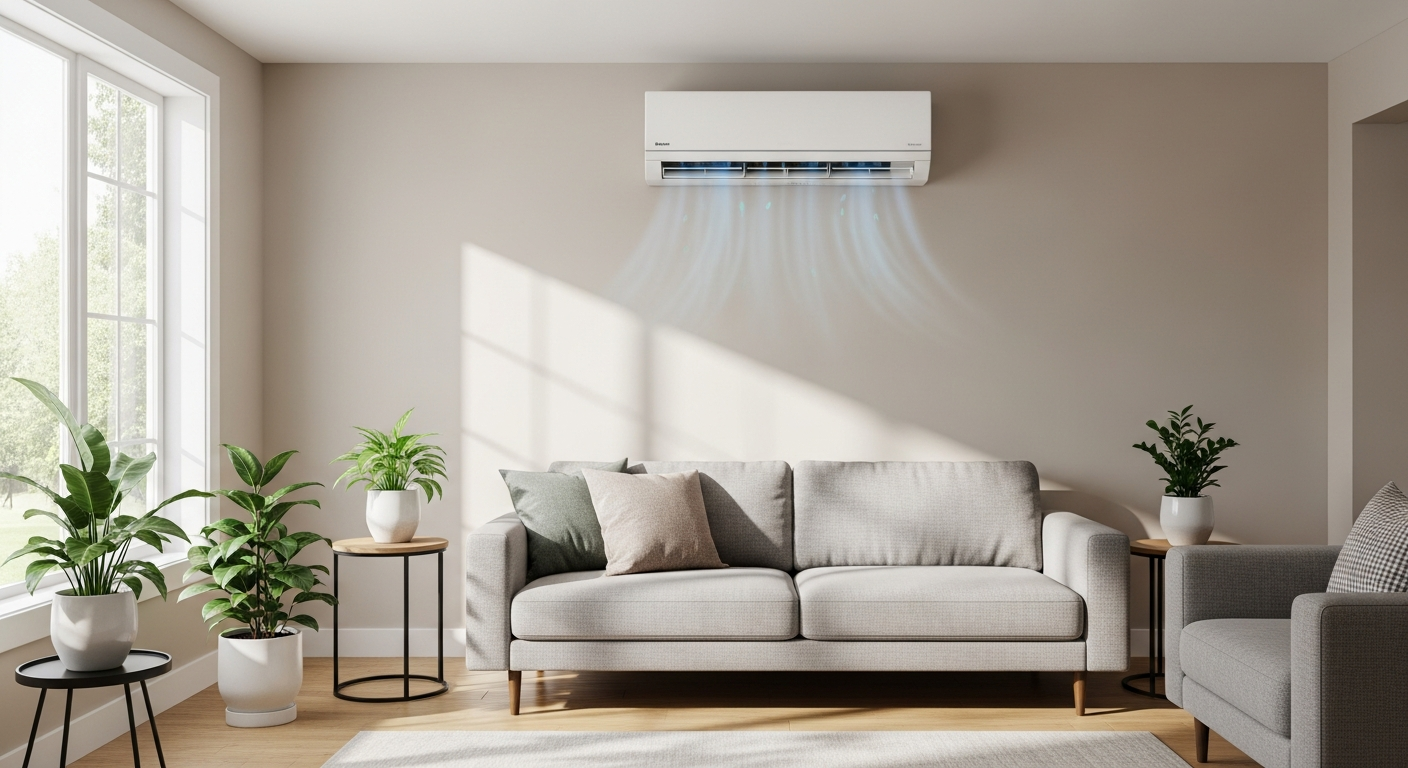
Attic insulation should be prioritized before replacing HVAC equipment.
Adding insulation to achieve DOE‑recommended R‑values reduces HVAC runtime, saves 15–20% on annual energy bills, and often pays back within five years. Pairing insulation with air sealing and a professional energy audit maximizes the return and may allow a smaller replacement system.
What Matters Most
- Attic insulation is one of the highest‑ROI home improvements, with a typical payback of 2–5 years.
- Upgrading before replacing HVAC equipment can lower the size and cost of the new unit.
- Material choice depends on climate, attic layout, and existing insulation; blown‑in cellulose and fiberglass are the most common.
- Always combine insulation with air sealing to achieve real‑world savings.
- Check for rebates and tax credits — they can reduce out‑of‑pocket cost by 30% or more.
Strengths
- Immediate energy savings and improved comfort.
- Extended HVAC system life due to reduced runtime.
- Reduction in required heating and cooling capacity for future equipment.
- Quiet operation — a well‑insulated attic also dampens outside noise.
- Can be combined with DIY air‑sealing for additional savings.
Weaknesses
- Upfront cost can be $1,500–$4,000 or more, depending on scope.
- Not all insulation materials are DIY‑friendly; improper installation can create fire or moisture hazards.
- Some homes have pre‑existing conditions like knob‑and‑tube wiring that require costly prep.
- If ventilation is ignored, insulation can trap moisture and lead to mold.
Decision Summary
| Scenario | Usually do | Why |
|---|---|---|
| Attic with ≤ R‑11 and 15‑year‑old HVAC | Insulate first, then assess HVAC | Reduce load before sizing new equipment; may avoid oversizing |
| Ice dams every winter | Air‑seal and increase to R‑49+ | Stops heat loss melting roof snow and refreezing at eaves |
| Hot second floor in summer | Add attic insulation + radiant barrier if in sunny region | Cuts radiant heat gain; lowers AC demand |
| Pre‑1940 home with original insulation | Hazard test; then dense‑pack cellulose or spray foam | Safely upgrade without disturbing asbestos or obsolete wiring |
| Home in hurricane zone | Use wind‑resistant insulation and proper strapping | Prevents uplift; meets coastal building codes |
Quick Answer
Adding attic insulation to meet current DOE recommendations costs $1,500–$4,000 for a typical home, with payback in 2–5 years through 15–20% HVAC energy savings. The right material and R‑value depend on your climate zone, existing insulation depth, and accessibility. Rebates and tax credits can bring out‑of‑pocket cost even lower.
How Attic Insulation Affects Your HVAC System
Your attic is the top of your home’s thermal boundary. In summer, heat radiating through a poorly insulated ceiling makes the air conditioner run longer; in winter, rising warm air escapes, forcing the furnace to cycle more. The result is higher wear, shorter equipment life, and uneven comfort between rooms.
When you seal and insulate the attic floor, you stabilize indoor temperature swings, letting the HVAC reach set point faster and run shorter cycles. This directly reduces annual compressor and blower motor hours, the main drivers of repair needs and replacement timing.
Costs and Material Options
Cost depends on square footage, attic shape, existing insulation condition, labor availability, and the R‑value required. Below are editorial estimates, valid for most U.S. regions; actual quotes will vary.
| Material | Approx. Cost per Sq. Ft. (Installed) | Typical R‑value per Inch | Best For |
|---|---|---|---|
| Blown‑in cellulose | $1.00–$2.00 | 3.2–3.8 | Filling irregular cavities, eco‑conscious homes |
| Fiberglass batts | $0.80–$1.50 | 2.9–3.8 | Open attic floors with few obstructions |
| Blown‑in fiberglass | $1.00–$2.20 | 2.2–2.7 | Over existing insulation where weight is a concern |
| Spray foam (closed‑cell) | $3.00–$6.00+ | 6.0–7.0 | Cathedral ceilings, very high R‑value in limited depth |
| Mineral wool batts | $2.00–$4.00 | 3.0–3.3 | Fire‑rated assemblies, sound control |
Labor and removal of old insulation add to the project cost. A professional energy audit (How to Get a Home Energy Audit) often uncovers air leaks that, when sealed before insulating, improve effectiveness by 20–30%.
Return on Investment and Rebates
The national average payback period for attic insulation is 2–5 years, after which the savings become pure gain. Many utilities and federal programs offer incentives:
- Federal tax credit: up to 30% of qualifying insulation costs (through 2032).
- State and local utility rebates: $0.10–$0.50 per square foot, often stackable.
Use our Rebate Finder to see what’s available by ZIP code, and the Energy Calculator to estimate your annual HVAC savings after an upgrade.
Signs Your Attic Needs More Insulation
- Heating or cooling bills that keep rising year after year despite no change in energy price.
- Uneven temperatures between floors or between rooms on the same floor.
- Drafts near ceiling fixtures, hatches, or knee walls.
- Ice dams forming along the roof edge in winter (more common in cold climates).
- HVAC system never shuts off during peak cold or heat.
- Attic floor joists are visible above the insulation; the Department of Energy recommends recommended R‑values for each zone.
Decision Rules: When to Upgrade
If you answer “yes” to any of these, insulating your attic should be a priority before replacing or upsizing HVAC equipment:
- R‑value check: If your attic insulation is less than R‑30 in warm climates (zones 1‑3) or less than R‑49 in cold climates (zones 4‑8), bring it to the recommendation.
- Age of home: Homes built before 1990 often have very little insulation — as little as R‑11. Upgrading is nearly always cost‑effective.
- Ice dams or hot rooms: If you experience ice dams or bedroom temperatures fluctuate more than 5°F from the thermostat set point, the attic envelope needs attention.
- HVAC runtime: If your AC or furnace runs more than 12 hours per day during moderate outdoor temperatures, excessive heat transfer through the attic is likely.
- Prefilter rule: Before replacing a furnace or AC, always maximize insulation first. A properly sized system for a well‑insulated attic may cost $500–$1,500 less.
Safety Boundaries: What Homeowners Can Check vs. Leave to Pros
✅ Safe for most homeowners
- Measure existing insulation depth with a ruler (wear gloves and a dust mask).
- Visually scan for dark spots, moisture stains, or rodent droppings — signs of air leaks and failed insulation.
- Ensure soffit vents are not blocked by insulation (but do not disturb the insulation if it’s old or you’re unsure).
- Check that bathroom and kitchen exhaust fans vent outside, not into the attic.
- Inspect weatherstripping on attic hatches and whole‑house fan covers.
⚠️ Work for a licensed contractor
- Blowing or spraying insulation — requires proper equipment, PPE, and training to avoid respiratory and fire hazards.
- Handling old insulation that may contain asbestos or vermiculite — leave testing and removal to a pro.
- Sealing air leaks in attics with existing knob‑and‑tube wiring or other uninsulated electrical hazards.
- Installing ventilation baffles, roof vents, or addressing moisture issues — improper work can lead to mold and ice damming.
- Any work near exposed electrical wiring, recessed lights, or unshielded gas flue pipes — a fire risk if insulation is placed incorrectly.
Tools to Calculate Your Savings
Use these HVACDatabase tools to quantify the financial and comfort impact:
- Energy Waste Calculator — see how much your home’s thermal leaks are costing you each year.
- BTU Calculator — size your next HVAC system after insulation is improved.
- HVAC Cost Estimator — compare system quotes with your newly capped load.
- Repair or Replace Calculator — decide whether insulation extends the life of your existing system enough to delay a replacement.
Contractor Checklist: Questions to Ask Before You Approve Work
- Are you insured and hold a state contractor license? (Verify at your state’s licensing board.)
- What R‑value and material do you recommend for my climate zone, and why?
- Will you perform blower‑door‑guided air sealing before insulating? (A “must” for maximum savings.)
- How do you protect soffit vents and recessed lights against blockage or fire?
- What is the expected payback period based on my utility rates? Ask them to show their energy model or use the HVACDatabase Energy Calculator together.
- Is there a warranty on the insulation and the air‑sealing work, and for how long?
- Can you provide references from similar homes in this area?
Search HVACDatabase contractors who offer insulation services near you.
Local Climate Considerations
Hot climates (zones 1‑2): Consider adding a radiant barrier along with high‑R insulation to reflect heat. Blown‑in cellulose with an air‑sealing package works well.
Mixed/humid climates (zones 3‑4): Pay close attention to vapor barriers and ventilation to avoid moisture‑related mold. Spray foam or dense‑pack cellulose may be required in vent‑free attics.
Cold climates (zones 5‑8): Target R‑49 or higher. Fiberglass blown or batt insulation is common; never compress insulation — it loses R‑value per inch. Ice‑dam protection is critical.
Coastal and older homes: Use corrosion‑resistant fasteners for reflective barriers. For pre‑1940 homes, test for asbestos before any disturbance and check wiring condition.
Methodology
Cost ranges are editorial estimates compiled from industry pricing surveys, Remodeling Magazine’s Cost vs. Value Report, ENERGY STAR savings data, and contractor quotes in 2023‑2025. The 15‑20% HVAC savings claim is based on studies by the Department of Energy and independent field monitoring. Regional adjustments follow International Energy Conservation Code (IECC) climate zone maps. Your actual results depend on home layout, existing conditions, and utility rates. Always get at least three itemized quotes before proceeding.
Frequently Asked Questions
1. Can I just add new insulation over the old stuff?
Yes, in many cases. If the old insulation is in good shape (no moisture, no compaction, no mold), you can add a fresh layer on top. However, always air‑seal the attic floor first. Avoid laying fiberglass batts over loose‑fill unless you leave the loose‑fill undisturbed; it’s better to top up with more loose‑fill. Never add insulation over a vermiculite layer without testing for asbestos.
2. Do I need a vapor barrier with attic insulation?
Only in certain climates. A continuous vapor barrier on the warm‑in‑winter side of the insulation is recommended in cold climates (zones 5‑8) to prevent interior moisture from reaching the cold attic space. In warm, humid climates, a vapor barrier can trap moisture and cause rot; here, rely on air‑sealing and proper ventilation instead.
3. Will insulating my attic make my house stuffy?
Not if ventilation is maintained. A sealed and insulated attic still needs soffit and ridge vents to let moisture escape. If those get blocked, static air can lead to higher humidity indoors. A professional install should include vent baffles to preserve airflow.
4. How long does an attic insulation project take?
A typical 1,500‑2,000 sq. ft. attic can be air‑sealed and insulated in one day by a trained crew. Larger attics or those with complex roof designs may take 2‑3 days. Spray foam requires longer cure time but is usually completed within a single workday.
5. After insulating, should I replace my HVAC system with a smaller unit?
Not necessarily. If your system was oversized to compensate for poor insulation, it may short‑cycle and fail to dehumidify. After the envelope improvement, a professional load calculation (Manual J) will show whether downsizing is beneficial. Upgrading insulation often reduces the required heating and cooling capacity by 0.5–1 ton, which can lower replacement costs. Use the BTU Calculator to check before buying.
Related articles
Connect this page to adjacent guides so readers keep moving deeper into the topic cluster.

Cost to Install Multiple Smart Thermostats
Get a clear cost breakdown for installing 2–4+ smart thermostats. Includes equipment, labor, zoning upgrades, and how to save with utility rebates. Practical checks and contractor questions inside.
Duct Booster Fan Installation Cost
Uneven room temps? Duct booster fan installation costs: register fans $30–$100 DIY, inline fans $500–$800+ with pro. Learn when a booster works and when you need a bigger fix.
Makeup Air Unit Installation Cost Guide
Expect to pay $1,500–$4,500 for a pro-installed makeup air unit. Discover passive vs. tempered options, code triggers, and money-saving decision rules.