Best HVAC Brands for Home Comfort
Selecting the best HVAC brand means balancing reliability, efficiency, and budget. Compare premium and value brands, learn when to replace, and get local contractor matches.
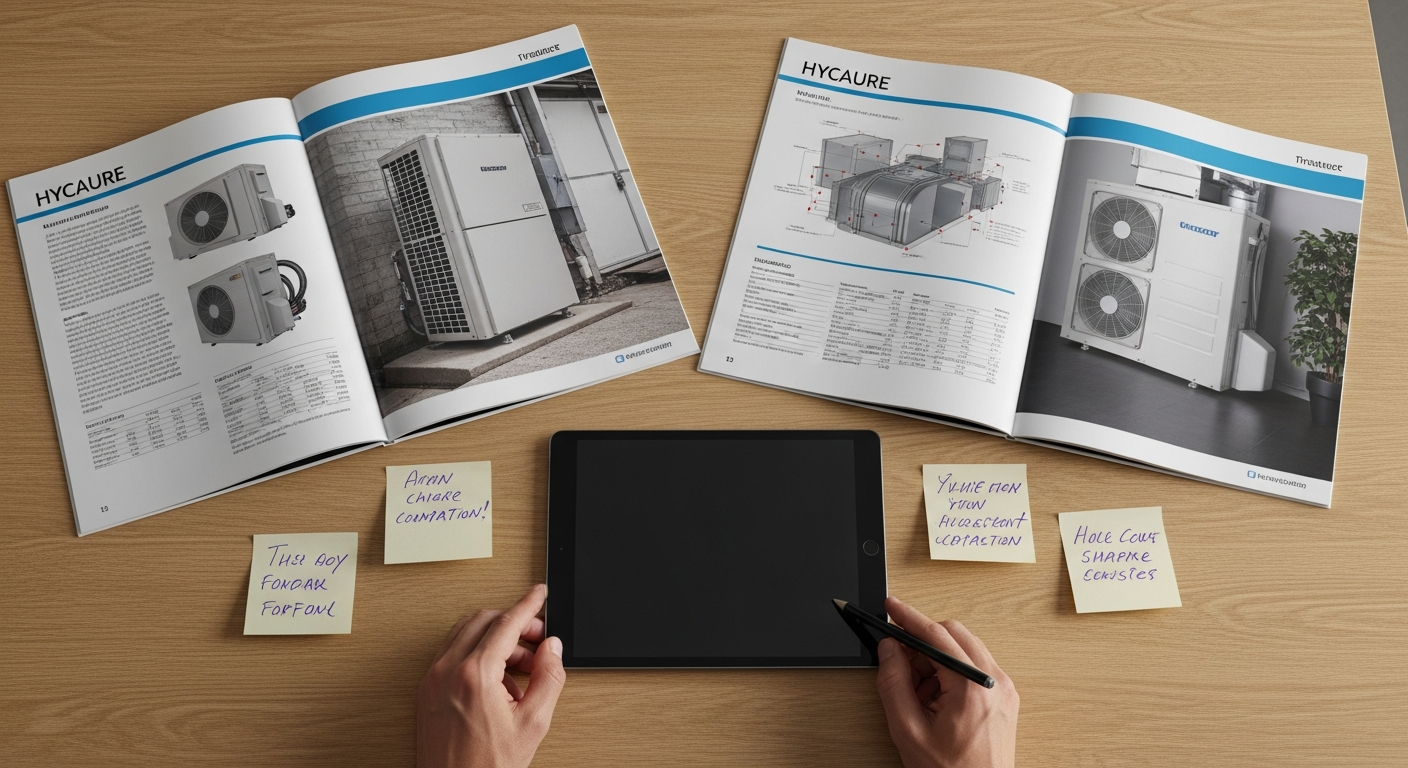
The installer matters more than the brand
Even the best HVAC equipment will underperform if sized or installed incorrectly. Prioritize finding a top-rated contractor who performs a load calculation and validates your ductwork. Our tools and checklist help you hire the right professional for long-term comfort and savings.
What Matters Most
- Premium brands offer superior efficiency, quieter operation, and longer warranties—ideal if you’ll stay 10+ years.
- Value brands like Goodman and Rheem provide reliable performance at a lower upfront cost, especially for budget-conscious buyers.
- Always get a Manual J load calculation; never accept a “rule of thumb” system size.
- Register your equipment warranty within 60 days to secure the full 10-year parts coverage.
- Use free online tools to estimate costs, check rebates, and decide between repair and replacement before committing.
Strengths
- Data-driven brand comparisons help you understand trade-offs without sales pressure.
- Actionable decision rules align equipment choice with your ownership horizon and climate.
- Contractor checklist ensures you hire a qualified pro who follows industry standards.
- Free tools and calculators empower you to verify quotes and avoid oversizing.
Weaknesses
- Premium brands have higher upfront costs; payback requires longer occupancy.
- Value brands may lack advanced features like variable-speed compressors or proprietary smart thermostats.
- Coastal and extreme climates may demand additional protective features not included in base models.
- Cost estimates are editorial ranges; actual quotes vary by region, season, and contractor overhead.
Decision summary
| Scenario | Usually do | Why |
|---|---|---|
| Stay in home 10+ years | Invest in premium (Trane, Carrier, Lennox) | Lower lifetime cost through efficiency and fewer repairs; quieter; smart features |
| Budget under $7,000 or move within 5 years | Choose value (Goodman, Rheem, Amana) | Reliable comfort without overspending; good warranty coverage when registered |
| Live in humid coastal area | Select any brand with coated coils and variable-speed | Corrosion resistance and dehumidification are more critical than brand prestige |
Quick Answer: Which HVAC Brands Perform Best Overall?
For long-term reliability and energy efficiency, Trane/American Standard lead the pack. Lennox excels in cutting-edge, solar-ready efficiency. Carrier/Bryant offer premium comfort with superior humidity control. If budget is a priority, Goodman/Amana and Rheem/Ruud deliver solid performance and easy serviceability. But the installer's skill matters more than the badge. Use our contractor search to find top-rated professionals near you.
Brand Tiers at a Glance
| Brand Tier | Examples | Installed Cost Range* | Typical Warranty | Best For |
|---|---|---|---|---|
| Premium | Trane XV20i, Carrier Infinity 26, Lennox XC25 | $6,000–$12,000+ | 10-year parts, 20-year heat exchanger (if registered) | Long-term ownership, quiet operation, smart thermostat integration |
| Mid-Range | American Standard Gold 17, Bryant Evolution 16 | $5,000–$9,000 | 10-year parts (registered) | Reliable performance with good efficiency |
| Value | Goodman GSX16, Rheem RA16, Amana AVZC20 | $3,500–$7,000 | 10-year parts (registered); some offer unit replacement warranties | Budget-conscious buyers, rental properties, shorter-term homes |
When to Invest in a Premium Brand: Decision Rules
Use these thresholds to decide:
- Stay 10+ years → Premium pays back through lower utility bills and fewer repairs. Check repair vs. replace costs.
- Need ultra-quiet operation → Variable-speed premium units (as low as 55 dB) are best for bedrooms or patios.
- Smart home integration → Premium brands offer proprietary thermostats that optimize humidity and air quality.
- Budget under $7,000 or move within 5 years → Value brands with a good install deliver reliable comfort without overspending.
- Coastal or humid climate → Look for corrosion-resistant coils and variable-speed for dehumidification, regardless of tier.
Tools to Choose and Size Your System
Don’t guess. Use these free calculators:
- BTU Calculator – find the right capacity for your home’s square footage and climate.
- HVAC Cost Estimator – get localized cost ranges for different brands and sizes.
- Repair or Replace Calculator – decide if a new system makes financial sense.
- Rebate Finder – see available utility incentives for high-efficiency equipment.
- Comfort Score – assess your current system’s performance.
Safety Boundaries: What You Can Check vs. Pro-Only Work
Homeowners can safely:
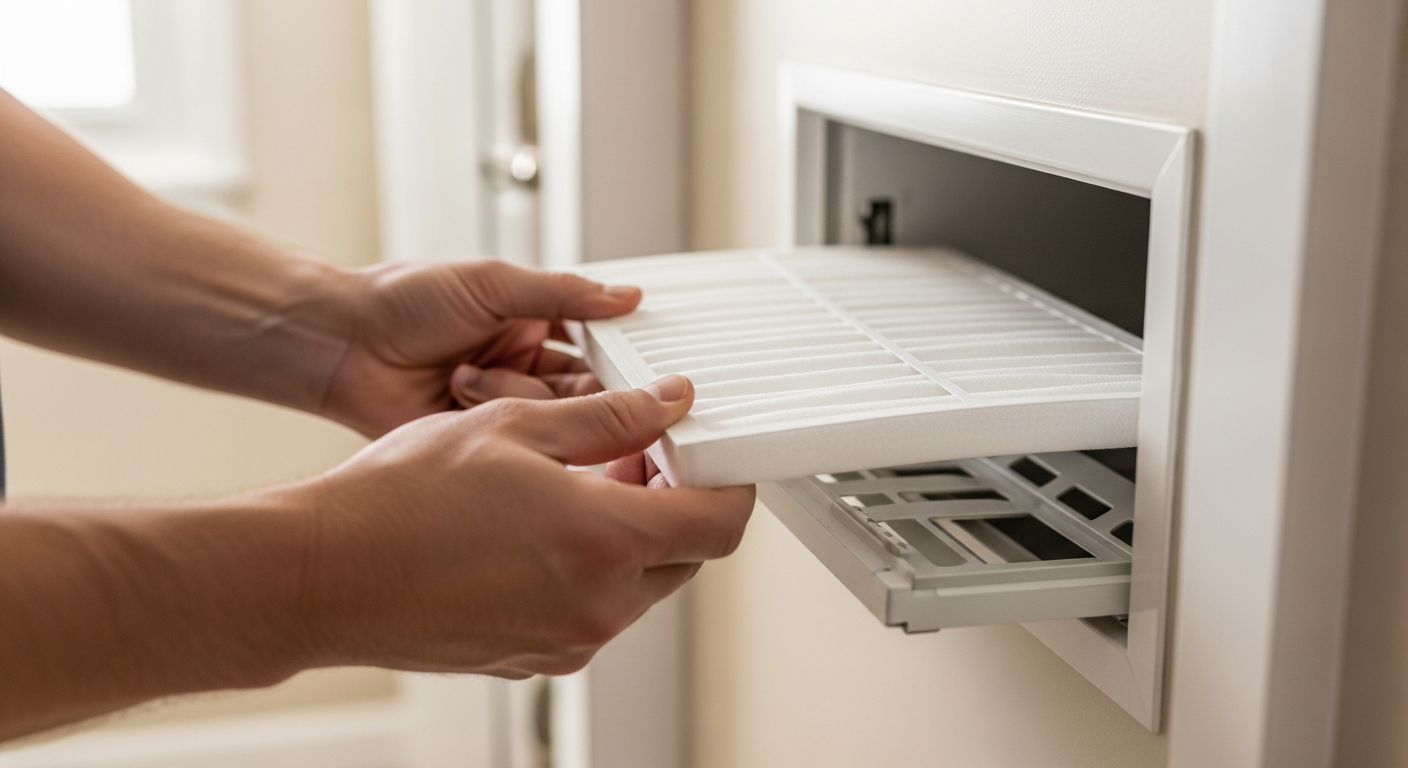
- Replace air filters every 1–3 months.
- Check thermostat settings and batteries.
- Ensure outdoor unit is free of debris, leaves, and ice.
- Listen for unusual sounds like grinding or squealing.
- Reset a tripped circuit breaker once. If it trips again, call a pro.
Never attempt: refrigerant handling, gas line work, compressor or capacitor replacement, contactor repair, high-voltage electrical work, or opening sealed components. These require EPA certification and specialized tools. Hire a licensed HVAC contractor.
Contractor Checklist: Questions to Ask Before You Hire
Print this and ask every bidder:
- Will you perform a Manual J load calculation? (Never accept “rule of thumb” sizing.)
- Can you provide a detailed, itemized written estimate?
- What are the warranty terms, and will you register the equipment for me?
- Are you licensed, insured, and NATE-certified? (Ask for proof.)
- Can you provide local references and photos of similar installations?
- Will you pull required permits and schedule inspections?
- Do you offer a labor warranty beyond the parts warranty?
- What maintenance plan do you recommend, and what does it include?
Compare at least three bids using our contractor comparison tool.
Local Climate Considerations
- Hot & Humid (Southeast, Gulf Coast): Look for variable-speed air handlers and enhanced dehumidification modes. Coastal homes need coated coils to resist salt corrosion.
- Cold (Midwest, Northeast): Prioritize HSPF2 ratings for heat pumps. Dual-fuel systems (heat pump + gas furnace) often perform best. Ensure your home has sufficient insulation to maximize efficiency.
- Dry & Hot (Southwest): Evaporative cooling may supplement AC. High SEER2 is critical. Solar-ready units from Lennox can offset peak loads.
- Older Homes: Electrical panel upgrades or ductwork modifications may be needed. Ask contractors about historical challenges in your neighborhood.
Find contractors familiar with your area: Phoenix AC pros or Chicago heating experts.
Methodology: How We Evaluate Brands
Our recommendations draw on contractor surveys, public repair data, warranty analysis, and long-term reliability trends. Cost ranges are editorial estimates based on average equipment and labor costs across U.S. regions. They are not guaranteed prices. Always get multiple quotes for your specific home. We do not receive compensation from manufacturers for brand rankings.
Frequently Asked Questions
Is a more expensive brand always better?
No. A perfectly installed value system can outperform a poorly installed premium one. Focus on the contractor’s reputation and proper sizing. However, premium brands often offer longer component lifespans and quieter operation, which may justify the price if you plan to stay long-term.
How long do these HVAC systems typically last?
With annual professional maintenance, premium systems last 15–20 years; value systems 12–18 years. Climate, usage, and installation quality heavily influence lifespan. Use our system age decoder to check your current unit.
What’s the difference between SEER and SEER2?
SEER2 is the new federal efficiency testing standard (2023+) that better reflects real-world ductwork pressure. Always compare SEER2 ratings when shopping. Energy Star requires SEER2 ≥ 15.2. Higher SEER2 means lower cooling bills.
Can I mix brands for indoor and outdoor units?
It’s not recommended. Mismatched components can reduce efficiency up to 15%, void warranties, and cause premature failure. AHRI matching ensures optimal performance.
Should I replace both AC and furnace at the same time?
If both are over 15 years old, replacing together often costs less than doing them separately. A matched system also ensures efficiency and compatibility. Use our repair or replace calculator to see the financial trade-offs.
Related articles
Connect this page to adjacent guides so readers keep moving deeper into the topic cluster.

Understanding C Wire Adapters for Smart Thermostats
Missing the C wire for your smart thermostat? C wire adapters solve power issues without pulling new wiring. Compare types, costs, and installation options.

Tips for Choosing a Smart Thermostat for a Heat Pump
Learn which smart thermostat features prevent expensive auxiliary heat mistakes, how to verify compatibility, and when to call a pro.
Tips for Heating a Home With Radiant Barriers
Radiant barriers can reduce winter heat loss through ceilings, but they are not a replacement for insulation. Learn when they help and what else you need for a warm, efficient home.