Best HVAC Filters for Allergy Sufferers
Learn how MERV 11-13 pleated filters trap pollen, dander, and mold. Get a decision tree, cost estimates, and a contractor checklist to breathe easier.
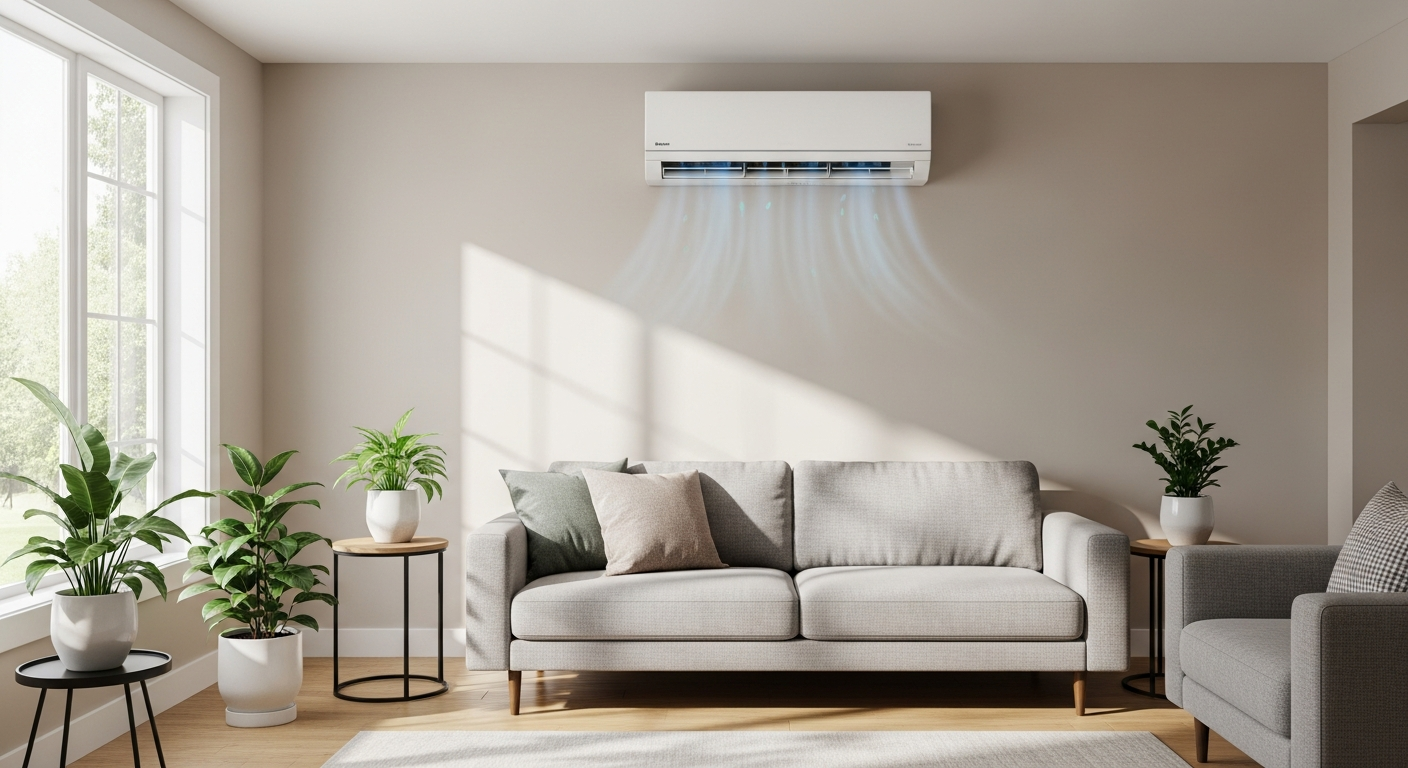
Use MERV 11–13 pleated filters and change them monthly during allergy season
For most allergy sufferers, a mid-range pleated filter offers the best balance of particle capture and system compatibility. Avoid HEPA in standard central systems unless pro-approved, and always address duct leaks first.
What Matters Most
- Choose MERV 11–13 pleated filters for pollen, dander, and mold.
- Change filters every 30–45 days during peak allergy season; 60–90 days otherwise.
- Don’t put a HEPA filter in a residential air handler—add a standalone purifier instead.
- Seal ductwork to stop unfiltered air from bypassing the filter.
- Use a static pressure test to confirm your system can handle higher MERV without strain.
Strengths
- High capture rate for common allergens
- Affordable monthly cost (filters under $30)
- Compatible with most modern HVAC systems
- Reduces respiratory symptoms significantly for many users
- Easy homeowner maintenance
Weaknesses
- May reduce airflow in older or undersized systems
- Requires frequent replacement during heavy pollen months
- Doesn’t address gaseous pollutants (VOCs, smoke) without carbon media
- Professional duct sealing can be expensive ($1,200+)
- Not a substitute for medical treatment or severe mold remediation
Decision Summary: Which Filter for Your Situation?
| Scenario | Usually do | Why |
|---|---|---|
| Mild seasonal allergies, modern system | Pleated MERV 11, change every 60 days | Captures 80% of pollen; safe for most blowers |
| Diagnosed mold/dust mite allergy, older HVAC | Pleated MERV 11–13 after technician evaluation | Balances efficiency and airflow; avoid overloading |
| Pet dander triggers asthma | MERV 13 + standalone HEPA air purifier | Catches fine particles; purifier adds extra cleaning |
| Wildfire season in a leaky house | MERV 13 carbon filter + duct sealing | Carbon removes some smoke odors; sealing prevents bypass |
| Severe immune disorder | Whole‑home HEPA bypass or standalone unit | Hospital-grade filtration without damaging central system |
Introduction
Seasonal allergies affect over 50 million Americans. Your HVAC system can either circulate allergens or trap them—depending on the filter you choose. This guide helps homeowners and property managers pick the right filter without risking system damage. We’ll cover MERV ratings, filter types, costs, and when professional help is worth it. Breathe easier by making an informed decision in the next 5 minutes.
Quick Answer: Best Filter for Allergies
MERV 11–13 pleated filters strike the best balance for most allergy sufferers. They capture 90%+ of pollen, mold spores, and pet dander without choking airflow in typical residential systems. Change them every 30–60 days during peak allergy season. If you need HEPA-level performance, add a standalone air purifier—most central HVAC can’t handle the resistance. Always check your system’s age and ductwork before upgrading to higher MERV ratings.
How HVAC Filters Affect Allergies
Your forced-air system pulls airborne particles through the return ducts. The filter traps them before supply vents redistribute cleaner air. Low-efficiency filters (MERV 1–4) only protect the equipment from large debris; they won’t help your sinuses. High-efficiency filters can remove microscopic allergens but may restrict airflow if your blower motor isn’t sized for them.
Understanding MERV Ratings
MERV (Minimum Efficiency Reporting Value) measures a filter’s ability to capture particles between 0.3 and 10 microns. The scale runs 1–16 for residential use. Here’s what each range actually does for allergy relief:
| MERV Rating | Particle Removal | Typical Allergens Captured | Homeowner Fit |
|---|---|---|---|
| 1–4 | Large debris only | Dust bunnies, carpet fibers | Equipment protection only; not for allergies |
| 5–8 | Moderate filtration | Mold spores, dust mite debris (50–70%) | Better than nothing, but leaves many allergens |
| 9–12 | High filtration | Pollen, pet dander, fine dust (80–95%) | Good for mild to moderate allergy sufferers |
| 13–16 | Hospital-grade | Bacteria, smoke, virus carriers (95%+) | Best for severe allergies; confirm system compatibility |
Many homes can handle up to MERV 13 without issues. If your system is older than 15 years or has a PSC blower motor, consult a technician before moving from a low-MERV filter to 11+. Use our filter finder tool to see compatible options.
Filter Type Comparison
Not all MERV 11 filters are created equal. Material and design matter.
| Type | Cost per filter | Lifespan (allergy season) | Pros | Cons |
|---|---|---|---|---|
| Fiberglass (MERV 1–4) | $1–$5 | 30–90 days | Cheap, low airflow resistance | Virtually no allergy relief |
| Pleated (MERV 8–13) | $10–$30 | 30–60 days | High surface area, efficient particle capture | Can restrict airflow if too dense |
| Washable (MERV 1–8) | $15–$40 (one-time) | Wash monthly | Reusable; less waste | Often lower efficiency when wet; mold risk if not dried |
| HEPA (MERV 17+) | $50–$150+ | 6–12 months in standalone unit | 99.97% removal at 0.3 microns | Too restrictive for most central HVAC; requires bypass or standalone unit |
For central systems, pleated MERV 11–13 is the sweet spot. If you need HEPA, explore a whole-home air purifier with its own fan.
Safety Boundaries: Homeowner Checks vs. Pro-Only Work
You can safely:
- Inspect and replace disposable filters (turn system off first).
- Check for visible duct leaks in unconditioned spaces like attics or crawlspaces.
- Vacuum dust from return grilles.
- Monitor thermostat settings and change reminders.
- Listen for unusual motor noises (whining, grinding) that warrant a pro call.
Always hire a licensed HVAC technician for:
- Opening electrical panels, testing capacitors/contactors, or measuring voltage.
- Refrigerant adjustments or leak repairs.
- Combustion system inspection (gas furnace burners, heat exchangers).
- Compressor or blower motor replacement.
- High‑voltage wiring or control‑board work.
- Modifying ductwork or installing UV lamps (electrical and safety considerations).
Mistakes with those components can cause equipment failure, fire, or health hazards. Find a qualified contractor when the task goes beyond filter replacement.
Decision Rules: When to Upgrade Your Filter
Use these thresholds to decide if you need more than a standard filter:
- Mild seasonal sniffles? → MERV 8–10 pleated filter, changed every 60–90 days.
- Diagnosed pollen/mold/dust mite allergy? → MERV 11–13, changed every 30–45 days.
- Pet dander triggers asthma? → MERV 13 plus a standalone air purifier in the bedroom.
- Wildfire smoke or urban pollution? → MERV 13 with activated carbon layer; consider a whole‑house IAQ audit.
- One family member has severe immune issues? → HEPA bypass or whole‑home HEPA unit, installed by a pro.
If your system is over 15 years old, use the repair-or-replace calculator before investing in high‑resistance filters. Older blowers may fail under the strain.
Cost Estimates (Editorial Ranges)
These are typical ranges, not guaranteed prices. Actual costs depend on your location, system, and contractor.
| Service or Item | Typical Cost | Notes |
|---|---|---|
| Pleated MERV 11–13 filter (1‑inch) | $10–$30 | Buy multipacks for savings |
| Pleated MERV 11–13 filter (4‑inch media cabinet) | $20–$50 | Lasts longer (often 6–12 months) |
| Standalone HEPA air purifier | $100–$500 | One-time cost; filter replacements $30–$100/year |
| HVAC diagnostic visit | $80–$200 | Includes airflow static pressure test |
| Duct sealing (professional) | $1,200–$3,500 | Depends on ductwork accessibility |
| Whole‑home UV light installation | $500–$1,800 | Includes labor and lamp; bulbs last 1–3 years |
Use the HVAC cost estimator to get a personalized idea for your project.
Local Context: Climate and Home Age Matter
- Hot, humid regions (SE U.S.): High humidity can cause mold growth on filters. Change filters more frequently (every 30 days) and consider UV lamps for the coil. Check our regional cost guides for duct sealing pricing.
- Wildfire-prone areas (West Coast, Mountain States): Upgrade to MERV 13–16 with carbon media during smoke season. Use the air quality score tool to assess your home’s vulnerability.
- Older homes (pre‑1980): Duct leaks are common; seal before upgrading filters. A system age decoder helps assess blower health.
- Coastal areas (salt air): Corrosion accelerates motor wear. Avoid overloading with high-MERV filters; prioritize a standalone purifier.
Contractor Checklist: What to Ask Before Hiring
When you call a pro for IAQ assessment or filter upgrades, ask these questions:
- “Can you measure static pressure and tell me the current total external static pressure (TESP)?” (Look for 0.5–0.7 inches of water column for proper airflow.)
- “Is my blower motor compatible with MERV 13 filters, or do I need an ECM upgrade?”
- “Do you include duct leak testing and sealing in your IAQ evaluation?”
- “What’s the cost breakdown for labor vs. materials?”
- “Can you provide references from similar allergy‑relief projects?”
- “Are you licensed, insured, and EPA Section 608 certified (if refrigerant work is involved)?”
- “Will you offer a performance guarantee on improved air quality?”
Compare verified contractors and read reviews before booking.
Tools to Make a Smarter Decision
- Filter Finder: Enter your system details and get compatible MERV ratings.
- Air Quality Score: Assess your home’s IAQ risk based on location, age, and habits.
- Cost Estimator: Rough budget for filter upgrades, duct sealing, or purifiers.
- Repair or Replace Calculator: See if an aging HVAC is worth the filter upgrade investment.
- Quote Checker: Validate contractor pricing in your area.
Methodology
Our recommendations are based on ASHRAE Standard 52.2 (filter efficiency), manufacturer specifications, and field data from HVAC contractors nationwide. Cost ranges represent editorial estimates derived from publicly available pricing, service reports, and regional labor rates. We do not guarantee any price; always obtain multiple quotes. Filter compatibility depends on your specific equipment—consult your system’s manual or a technician before making drastic changes.
Frequently Asked Questions
Can a high-MERV filter damage my HVAC system?
Yes, if your blower can’t overcome the added resistance. Systems with PSC motors or undersized ductwork are most at risk. A static pressure test (pro service) confirms compatibility. As a rule, if your system is over 15 years old, stay at MERV 8–10 unless a technician approves higher.
How fast do allergy filters pay for themselves?
Unlike energy-saving upgrades, filters primarily improve health and comfort—not utility bills. A $20 filter changed monthly costs about $240/year. Health benefits (fewer medications, fewer sick days) often justify the expense for allergy sufferers.
Can I just use a 1-inch MERV 13 filter?
Many 1-inch MERV 13 filters are extremely restrictive due to limited surface area. If your filter slot is only 1 inch thick, stick to MERV 8–11 or upgrade to a 4-inch media cabinet (requires pro installation).
Do washable filters help allergies?
Most washable filters peak at MERV 4–8 and can harbor mold if not dried thoroughly. They’re not recommended for allergy relief. Stick with disposable pleated filters.
How do I know if my ductwork is leaking?
Look for dust accumulation around vents, high utility bills, or rooms that never feel comfortable. A pro duct blower test quantifies leakage. Homeowners can check accessible ducts for obvious disconnections, but don’t enter crawlspaces without proper safety gear.
Related articles
Connect this page to adjacent guides so readers keep moving deeper into the topic cluster.

Tips for Choosing a Smart Thermostat for a Heat Pump
Learn which smart thermostat features prevent expensive auxiliary heat mistakes, how to verify compatibility, and when to call a pro.

Understanding C Wire Adapters for Smart Thermostats
Missing the C wire for your smart thermostat? C wire adapters solve power issues without pulling new wiring. Compare types, costs, and installation options.

Best Smart Thermostats for Multi Zone Homes
Discover which smart thermostats deliver accurate zoning, remote sensors, and energy savings for homes with multiple HVAC zones. Our guide helps you pick the right model and avoid costly compatibility mistakes.