Boiler Tune-Up Cost and What It Includes
Learn the typical cost range for a boiler tune-up, what a technician does, and how regular maintenance improves safety and efficiency while preventing expensive repairs.
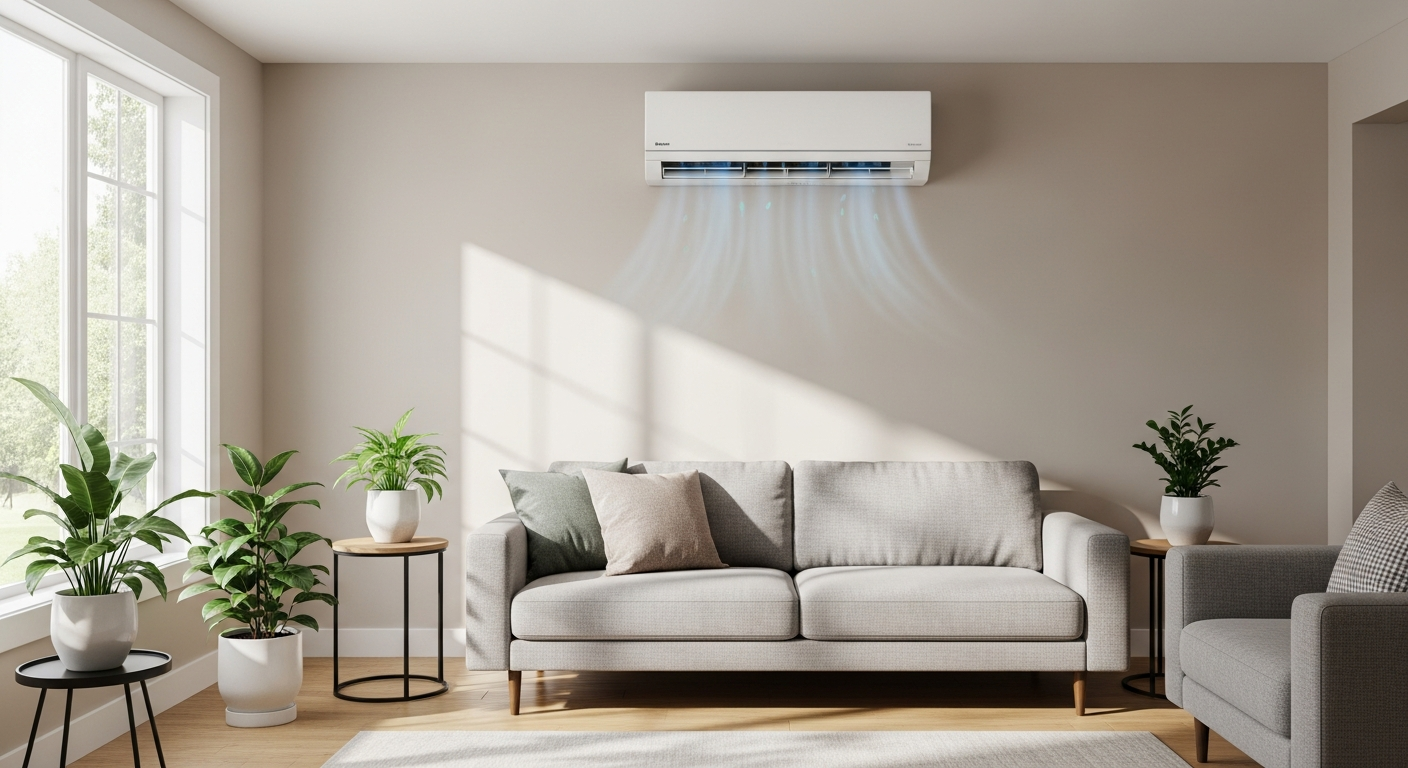
Annual tune-ups are the best investment for boiler longevity and safety.
A professional tune-up every year reduces energy bills, extends equipment life, and catches dangerous issues early. Skipping maintenance often leads to higher long-term costs and risk of carbon monoxide leaks.
What Matters Most
- Expect to pay $150–$400 for a standard boiler tune-up, with higher costs for oil boilers or older units.
- A full tune-up includes combustion testing, safety checks, and cleaning critical components—tasks only a licensed technician can do safely.
- Use HVACDatabase tools like the cost estimator and repair-or-replace calculator to budget and decide if it's time for a new boiler.
- Always verify your contractor performs a combustion analysis and checks the expansion tank.
- Annual maintenance is often required to keep your warranty valid.
Strengths
- Proactive maintenance prevents 80% of winter breakdowns.
- Combustion analysis ensures safe, efficient operation.
- Many service contracts offer priority scheduling and discounts.
Weaknesses
- Upfront cost may feel high if no issues are found.
- Not all "tune-ups" are equal; some contractors skip essential steps.
- Older boilers may reveal problems that require costly repairs.
Decision summary
| Scenario | Usually do | Why |
|---|---|---|
| Boiler less than 10 years old and running fine | Schedule annual tune-up | Maintains efficiency and warranty |
| Boiler over 15 years old with frequent repairs | Use repair-or-replace calculator | May be more cost-effective to replace |
| You smell gas or suspect CO leak | Evacuate and call emergency service | Safety first; do not attempt DIY |
| Cost of repair exceeds 50% of new unit price | Consider replacement | Investing in new efficiency saves long-term |
Quick Answer: Boiler Tune-Up Cost & Value
A professional boiler tune-up typically costs between $150 and $400, depending on your boiler type, location, and service scope. This investment includes cleaning, inspection, and safety testing that can lower energy bills by up to 10% and prevent mid-winter breakdowns. Most manufacturers require annual maintenance to maintain warranty coverage.
What’s Included in a Standard Boiler Tune-Up
A comprehensive tune-up goes beyond a simple filter change. Here’s what a licensed technician typically performs:
| Service Task | What It Does for You | Pro Only? |
|---|---|---|
| Visual inspection & leak check | Identifies corrosion, water leaks, or gas odors early | Homeowner can spot obvious leaks; pro confirms safety |
| Heat exchanger cleaning | Restores heating efficiency, lowers fuel use | Yes – requires opening unit and special tools |
| Burner and ignition assembly cleaning/inspection | Ensures reliable ignition and clean burn; prevents soot buildup | Yes – involves combustion components |
| Combustion analysis (gas/oil) | Measures CO, O₂, and flue gas temperature to verify safe, efficient operation | Yes – specialized meter and training required |
| Testing safety controls (pressure relief valve, high-limit switch) | Prevents over-pressurization and overheating | Yes – involves live electrical testing |
| Checking & adjusting water pressure, expansion tank | Ensures even heat distribution and protects system from pressure damage | Homeowner can monitor pressure gauge; tank check is pro |
| Cleaning or replacing air filter (if applicable) | Maintains airflow for combi or high‑efficiency units | Homeowner can do monthly |
| Flue/vent inspection | Prevents CO backdraft and ensures proper exhaust | Yes – inspection for blockages and integrity |
Factors That Affect Boiler Tune‑Up Cost
Your actual price may vary based on:
- Boiler type: Oil boilers typically cost more ($200–$400) due to nozzle replacement and soot cleaning. Gas boilers are usually $150–$300.
- Unit condition: A heavily scaled or long-neglected boiler may require extra labor—expect $50–$150 more for a deep clean.
- Location & season: Rates rise during peak demand (fall). Use HVACDatabase.com to compare local contractors and seasonal discounts.
- Service plan vs. one‑time: Annual maintenance agreements often run $150–$300 per year and include priority service, discounts, and multiple visits.
For a personalized estimate, try our HVAC Cost Estimator.
Benefits of Annual Boiler Maintenance
- Lower energy bills: A clean system uses up to 10% less fuel.
- Warranty protection: Most manufacturers void coverage without annual professional service records.
- Safety: Early detection of a cracked heat exchanger or blocked vent prevents carbon monoxide poisoning.
- Reliability: Catch worn parts before they fail during the coldest week.
Safety Boundaries: What Homeowners Can (and Cannot) Do
Safe Homeowner Checks
- Monitor the boiler pressure gauge (ideally 12–15 psi when cold).
- Test your carbon monoxide detector monthly.
- Keep the area around the boiler clear of clutter and flammable materials.
- Bleed radiators if you have cold spots—see our guide on how to bleed a radiator.
- Check for visible water leaks or rust on the boiler and pipes.
Leave These to a Licensed Professional
- Opening the boiler cabinet or accessing the burner/combustion chamber.
- Using a combustion analyzer or adjusting fuel/air ratio.
- Testing or replacing safety controls, relief valves, or electrical components.
- Cleaning the heat exchanger or burner assembly.
- Repairing or replacing gas valves, pumps, or ignition systems.
If you smell gas or suspect a carbon monoxide leak, evacuate immediately and call emergency services. Never try to fix a gas leak yourself.
Decision Rules: Tune‑Up, Repair, or Replace?
Use this flow to decide your next step:
- Boiler is under 12 years old, no major issues: Schedule an annual tune‑up. Use our maintenance reminders to stay on track.
- Boiler is 12–15 years old, with a repair estimate under $500: Perform the repair and continue annual maintenance. Get a second opinion with our Quote Checker.
- Boiler over 15 years, or repair exceeds 50% of a new unit’s cost: Consider replacement. Use the Repair or Replace Calculator to compare 5‑year costs.
- Frequent breakdowns (more than 2 repairs in a year): It’s time to replace. Find trusted contractors via HVACDatabase Search.
Also, check your boiler’s age with our System Age Decoder.
Use HVACDatabase Tools to Plan Your Budget
- Cost Estimator – get a personalized price range for your boiler service.
- Repair or Replace Calculator – compare 5‑year costs of fixing vs. upgrading.
- Maintenance Reminders – never miss an annual tune‑up again.
- Quote Checker – upload a quote and see if it’s fair.
- System Age Decoder – find out how old your unit really is.
Contractor Checklist: Questions to Ask Before You Book
Not all tune‑ups are created equal. Print or save this list when calling contractors:
- “Will you perform a full combustion analysis and provide a printed report?”
- “Do you inspect and recharge the expansion tank?”
- “Is cleaning the heat exchanger included in your base price?”
- “Are you licensed, insured, and familiar with my boiler brand?”
- “Can you show me proof of annual maintenance for warranty records?”
- “What’s your service guarantee if something goes wrong after the tune‑up?”
- “Do you offer a maintenance plan with priority scheduling?”
Compare quotes using HVACDatabase Contractor Comparison.
Local Market Considerations
Your region affects boiler maintenance needs:
- Cold climates (Chicago, Minneapolis): Tune‑ups are critical before heavy winter use. Frozen pipes and high run hours accelerate wear.
- Older homes (Northeast, Midwest): Radiators and piping may harbor sludge; ask about a system flush.
- Coastal areas: Salt air accelerates metal corrosion; insist on thorough visual inspection and consider anti‑corrosion treatments.
- Hot climates with occasional heating (Phoenix): Even infrequent use requires annual combustion safety checks to prevent soot buildup.
Find a local contractor: Chicago heating experts or Phoenix specialists.
Methodology: How We Develop Cost Estimates & Recommendations
HVACDatabase’s editorial team reviews service data from our network of licensed contractors, industry pricing surveys, and regional labor rates. Cost ranges represent typical first‑party spending for a standard residential boiler tune‑up. Estimates are not guaranteed and may vary based on your equipment, location, and seasonal demand. We regularly update figures to reflect market changes. Use our cost estimator for a more personalized number. For more HVAC cost guides, visit our Cost Guide Hub.
Frequently Asked Questions
How often should I get a boiler tune‑up?
Every year, ideally in early fall before heating season. Annual maintenance is required by most manufacturers to keep your warranty valid.
Can I tune up my boiler myself?
No. A professional tune‑up involves tasks that are dangerous and illegal for homeowners to perform, such as combustion testing and burner cleaning. You can, however, do basic monitoring like checking pressure, bleeding radiators, and testing CO alarms. See our safety boundaries above.
What’s the difference between a tune‑up and a repair?
A tune‑up is preventive maintenance: cleaning, inspection, and minor adjustments. A repair is a corrective fix for a broken part. Tune‑ups often catch failing parts before they cause a breakdown.
Does a tune‑up really improve efficiency?
Yes. A clean heat exchanger and properly adjusted burner can improve efficiency by 5–10%, directly lowering fuel bills. A combustion analysis confirms optimal operation.
How do I find a reputable boiler technician?
Use HVACDatabase’s search to compare local pros. Look for NATE‑ or manufacturer‑certified technicians with good reviews. Ask the questions in our contractor checklist above.
Related articles
Connect this page to adjacent guides so readers keep moving deeper into the topic cluster.

Cost to Install Multiple Smart Thermostats
Get a clear cost breakdown for installing 2–4+ smart thermostats. Includes equipment, labor, zoning upgrades, and how to save with utility rebates. Practical checks and contractor questions inside.
Duct Booster Fan Installation Cost
Uneven room temps? Duct booster fan installation costs: register fans $30–$100 DIY, inline fans $500–$800+ with pro. Learn when a booster works and when you need a bigger fix.
Makeup Air Unit Installation Cost Guide
Expect to pay $1,500–$4,500 for a pro-installed makeup air unit. Discover passive vs. tempered options, code triggers, and money-saving decision rules.