Cost to Seal and Insulate Your Home for HVAC Savings
Sealing air leaks and upgrading insulation can lower heating and cooling costs 15-30%. This guide compares real project costs and shows how to get the best ROI.
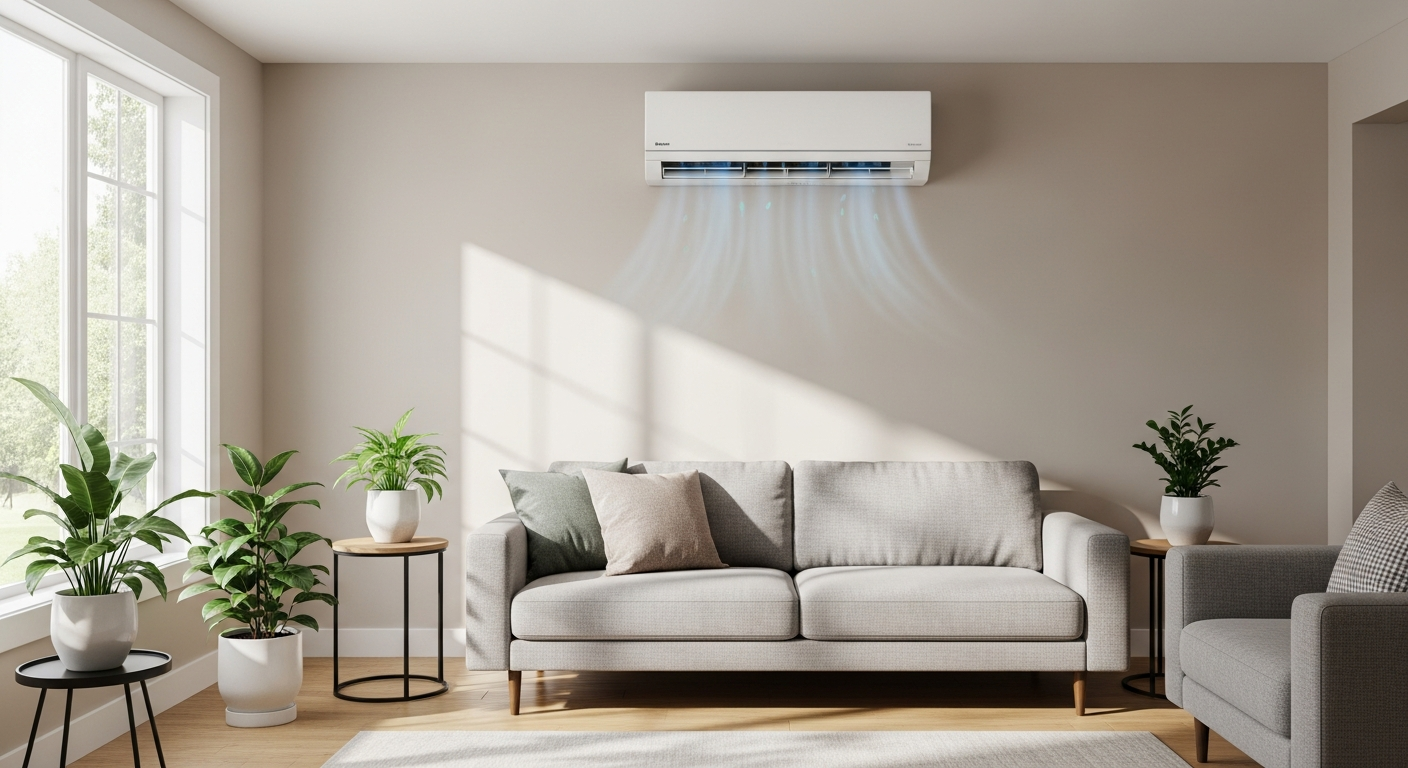
Seal first, then insulate to climate-appropriate R-values
Air sealing delivers the fastest comfort and dollar savings. Follow with insulation upgrades tailored to your climate zone to maximize HVAC efficiency and equipment lifespan.
What Matters Most
- Professional air sealing costs $1,000–$2,500 and often cuts energy waste by 50–70%.
- Attic insulation to R-49 (cold climates) or R-38 (warm) typically runs $1,500–$3,500.
- Rebates and tax credits can offset 20–30% of project costs; always check before you pay.
- Right-sizing your HVAC after envelope upgrades can save $1,000+ on new equipment.
- Use a blower door test before and after to verify results and hold contractors accountable.
Strengths
- Immediate reduction in drafts and temperature swings.
- Longer HVAC lifespan through reduced runtime and less cycling.
- Lower energy bills by 15–30% on average.
- Potential to downsize future equipment, saving upfront cost.
Weaknesses
- Upfront cost of $3,000–$10,000 for whole-home upgrades may require financing.
- Wall insulation may require drilling and patching, with some disruption.
- Improper air sealing can risk backdrafting; a pro must assess combustion safety.
- Payback for wall insulation can exceed 10 years in mild climates.
Which Upgrade Comes First?
| Scenario | Usually do | Why |
|---|---|---|
| Drafty rooms and high bills | Blower-door air sealing | Stops the largest energy waste—uncontrolled airflow. |
| Attic has less than 6 inches of insulation | Blown-in attic insulation to R-38+ | The attic is the dominant heat gain/loss surface. |
| Cold floors in winter, frozen pipes | Crawlspace or basement insulation | Warms the floor and prevents moisture problems. |
| Building a new addition or gut renovation | Closed-cell spray foam walls + roof deck | Acts as air barrier and high-R insulation in one step—meets modern codes. |
Quick Answer: What Does It Cost to Seal and Insulate?
Professional air sealing typically runs $1,000–$2,500, while attic insulation costs $1,500–$3,500. Wall insulation adds $2,000–$4,500, and crawlspace or basement work ranges $1,000–$3,000. Combined packages often lower the per-project cost by 10–20%. Many utility rebates and federal tax credits can cover 20–30% of the expense. Use our Energy Savings Calculator to estimate your potential payback.
Why a Tight Thermal Envelope Matters for HVAC
Your furnace and AC can only perform as well as the shell they’re in. Air leaks force equipment to run longer, increasing wear, energy use, and repair frequency. Sealing and insulating can reduce heating and cooling loads by 15–30%, which may let you downsize a future HVAC unit by half a ton or more—saving $1,000+ on the equipment upfront. The right order: stop uncontrolled airflow first, then add insulation to slow conductive heat transfer.
What to Seal and Insulate: Costs by Area
| Project | Editorial Cost Range | Typical R-Value Added | Best For |
|---|---|---|---|
| Air Sealing (blower-door guided) | $1,000 – $2,500 | N/A (50–70% leak reduction) | Every home; start here |
| Attic Insulation (blown-in cellulose) | $1,500 – $3,500 | R-30 to R-49+ | Homes with <6 inches existing |
| Wall Insulation (dense-pack or foam) | $2,000 – $4,500 | R-13 to R-21 | Pre-1980s uninsulated walls |
| Crawlspace/Basement | $1,000 – $3,000 | R-10 to R-19 | Cold floors, frozen pipes |
Ranges reflect average 1,500–2,500 sq. ft. homes and may vary by region and access. Always get three itemized quotes.
Safety Boundaries: What a Homeowner Can (and Cannot) Tackle
✅ You Can Safely Do
- Install weatherstripping around doors and operable windows.
- Caulk stationary gaps along baseboards, trim, and exterior penetrations.
- Add attic hatch insulation and weatherstrip the access.
- Inspect for visible gaps in ductwork in unconditioned spaces (mark them for a pro to seal).
🚫 Leave to Licensed Professionals
- Blower door test – requires calibrated equipment to safely depressurize; identifies hidden leaks without compromising combustion appliance venting.
- Spray foam application – chemicals require protective gear and precise mixing; off-gassing risks if done incorrectly.
- Sealing near combustion appliances – improper air sealing can cause dangerous backdrafting of carbon monoxide. Pros verify adequate combustion air.
- Attic and crawlspace insulation in older homes – may disturb asbestos, vermiculite, or knob-and-tube wiring; pros follow safety protocols.
- Any work involving gas lines, refrigerant, electrical panels, or high-voltage HVAC components – these remain pro-only for safety and code compliance.
Decision Rules: When to Act
- If you feel drafts → air sealing is the priority; a blower door test pinpoints exactly where.
- If your attic insulation is less than 6 inches deep (approximately R-19 or less) → bring it to at least R-49 in cold climates or R-38 in warm climates.
- If your HVAC is over 10 years old and cycles frequently → sealing and insulating can extend its remaining life by reducing runtime.
- If you are sizing a new HVAC system → do the thermal upgrades first, then perform a Manual J load calculation; you might save $1,000+ by downsizing the unit.
- If your energy bills are above the regional average (use our Energy Calculator to benchmark) → a home energy audit likely pays for itself.
Use Our Free Tools Before You Spend
- Energy Savings Calculator – plug in your rates and house size to see potential dollar savings.
- Rebate Finder – check utility, state, and federal incentives by ZIP code; many cover 20–30% of insulation costs.
- HVAC Cost Estimator – compare new system quotes after right-sizing your load.
- Quote Checker – upload contractor bids for air sealing or insulation and see how they compare to market norms.
Contractor Checklist: 7 Questions Before You Hire
- Will you perform a blower door test before and after air sealing to show the CFM reduction?
- What R-value do you recommend for my climate zone, and why?
- Are you licensed, insured, and certified by BPI or RESNET? (Ask for credentials.)
- Do you offer a written guarantee on air sealing performance or insulation installation?
- Can you provide three local references from similar homes?
- How will you protect my home from dust, and will you clean up daily?
- Do you itemize materials, labor, and disposal fees so I can compare quotes evenly?
Find pre-vetted insulation and air sealing contractors through HVACDatabase’s contractor search.
Local Climate and Home Age Considerations
- Hot, humid climates (e.g., Houston, Miami) – prioritize attic air sealing and insulation to lower AC load; consider radiant barrier. Ensure bath and kitchen exhaust vent outside to manage humidity.
- Cold climates (e.g., Chicago, Minneapolis) – focus on attic floor, rim joists, and basement walls. Target R-49+ attic insulation.
- Older homes (pre-1980) – check for knob-and-tube wiring before insulating walls; it must be decommissioned first. Test for asbestos in vermiculite attic insulation.
- Coastal areas – use moisture-resistant rigid foam in crawlspaces to prevent mold.
How Air Sealing and Insulation Protect Your HVAC Equipment
When your home holds conditioned air longer, your system cycles less. Shorter runtimes reduce stress on the compressor, blower motor, and controls. Typical HVAC maintenance calls run $80–$250; common AC repairs like failed capacitors or contactors cost $150–$650. By cutting runtime 30%, you might avoid one repair every 3–5 years. A sealed home also keeps dust and pollen out, which protects indoor coils and filters.
Rebates and Incentives That Lower Your Net Cost
The federal Inflation Reduction Act offers tax credits up to 30% for certain insulation and air sealing materials (capped at $1,200 annually). Many states and utilities add rebates of $0.10–$0.50 per square foot. Use our Rebate Finder to see what’s available in your ZIP code. Some programs require a pre-audit, so schedule that first.
Methodology: How We Estimate Costs and Savings
Editorial cost ranges are derived from 2023–2024 aggregated contractor data, adjusted for typical 1,500–2,500 sq. ft. single-family homes. Actual quotes will vary based on site conditions, regional labor rates, accessibility, and material choices. Savings projections assume a 15–30% reduction in heating/cooling load, consistent with DOE field studies, and are modeled at national average utility rates. Always validate with a blower door test and energy model for your specific house.
Frequently Asked Questions
1. How do I know if my home is too leaky?
Signs include drafts near windows/doors even when closed, visible daylight around exterior frames, high energy bills relative to neighbors, and rooms that won’t hold temperature. A professional blower door test gives a precise leakage rate: a typical tight new home measures <3 ACH50; existing homes often range 5–15+. Our home energy audit guide explains the process.
2. Can I just add more insulation without air sealing first?
You can, but it’s much less effective. Air moving through insulation reduces its R-value by up to 50%. Sealing bypasses first ensures the insulation works as rated. Moreover, moisture-laden air leaking into an attic can cause mold and roof deck damage—insulation alone won’t stop that.
3. What’s the typical payback period?
Air sealing often pays back in 1–3 years, attic insulation in 2–5 years, and wall insulation may take 5–10 years depending on local climate and energy prices. The combined package typically yields a 15–30% utility savings, paying for itself in 3–7 years. Use our Energy Calculator for a personalized estimate.
4. Will air sealing make my house too tight?
Proper air sealing should not create an overly tight home because professionals verify that combustion appliances get enough makeup air and that mechanical ventilation is installed if needed. Modern building science aims for “seal tight, ventilate right.” If you have gas appliances, a pro will perform a combustion safety test.
5. Should I insulate before or after replacing my HVAC system?
Ideally, improve the envelope first. Then a contractor can run a Manual J load calculation on the tighter, better-insulated house, potentially allowing a smaller, less expensive unit. If you’ve already replaced the system, sealing and insulation will still reduce runtimes and extend equipment life. Our Repair or Replace Calculator can help you time the decision.
Related articles
Connect this page to adjacent guides so readers keep moving deeper into the topic cluster.

Cost to Install Multiple Smart Thermostats
Get a clear cost breakdown for installing 2–4+ smart thermostats. Includes equipment, labor, zoning upgrades, and how to save with utility rebates. Practical checks and contractor questions inside.
Duct Booster Fan Installation Cost
Uneven room temps? Duct booster fan installation costs: register fans $30–$100 DIY, inline fans $500–$800+ with pro. Learn when a booster works and when you need a bigger fix.
Makeup Air Unit Installation Cost Guide
Expect to pay $1,500–$4,500 for a pro-installed makeup air unit. Discover passive vs. tempered options, code triggers, and money-saving decision rules.