Cost to Upgrade to a High Efficiency HVAC System
High-efficiency HVAC systems can cut energy bills by 20–40%, but upfront costs are higher. We break down equipment prices, installation factors, rebates, and ROI so you can decide whether upgrading makes sense for your home.
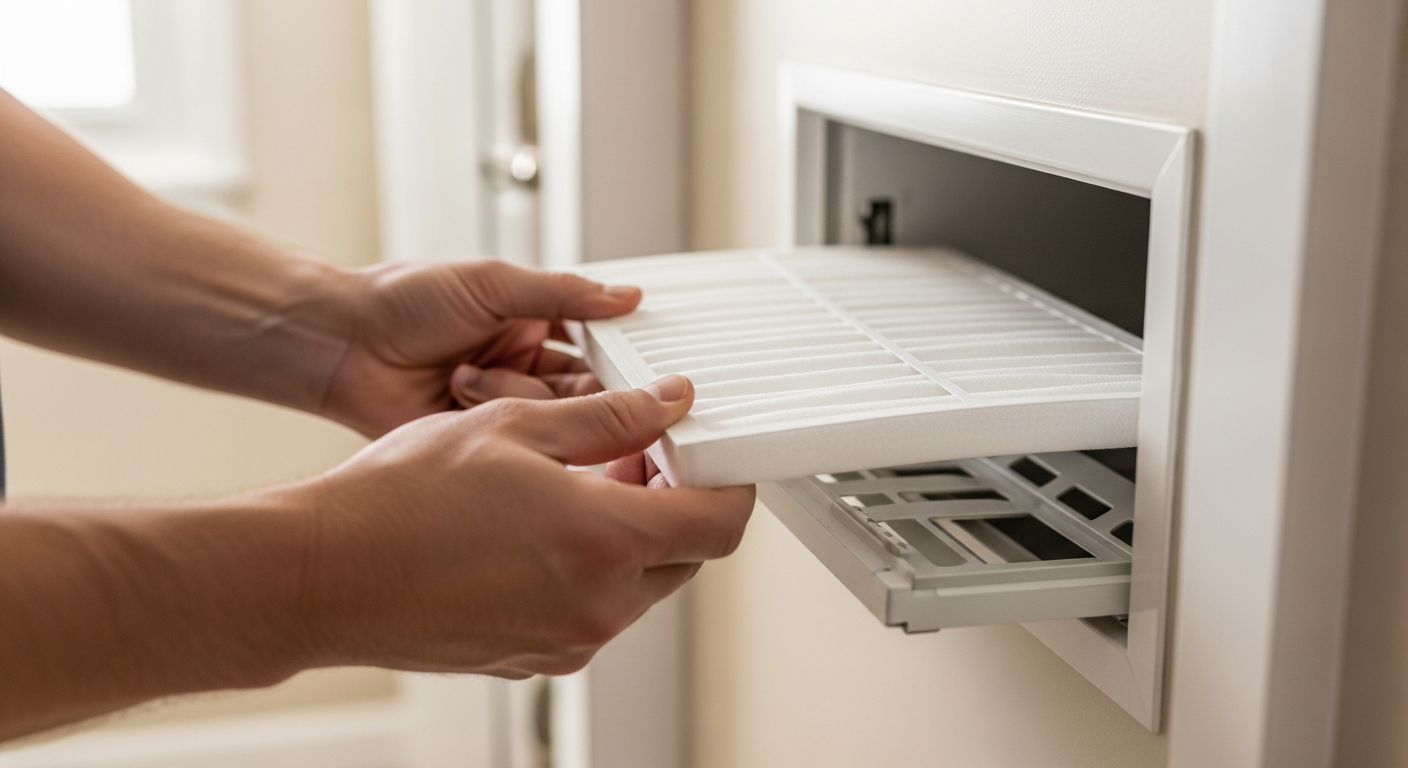
Upgrade if your system is over 12 years old or needs major repairs
For most homes, a high-efficiency upgrade pays off within 5–8 years through lower utility bills, better comfort, and available incentives. Prioritize the envelope before oversizing equipment.
What Matters Most
- Typical full-system upgrade: $8,000–$16,000 after available rebates.
- Federal tax credits and utility rebates can cut net cost by 30% or more.
- A Manual J load calculation is non-negotiable for sizing.
- Pairing with smart thermostat and duct sealing boosts savings.
- The best warranty and installation quality come from factory-certified contractors.
Strengths
- Lowers monthly energy bills by 20–40% compared to older 10 SEER systems.
- Variable-speed operation eliminates temperature swings and improves humidity control.
- Many qualifying systems are eligible for up to $2,000 federal tax credit (USA).
- Better air filtration and quieter operation than standard units.
Weaknesses
- Higher upfront cost can be 2–3x that of a basic replacement.
- May require ductwork modifications or electrical upgrades.
- Condensing furnaces need a condensate drain that may add cost if not present.
- Complex electronics mean repair costs can be higher if they fail after warranty.
Decision summary
| Scenario | Usually do | Why |
|---|---|---|
| System over 15 years old with a major repair (compressor/heat exchanger) | Replace with high-efficiency | Repair cost approaches 50% of new; old efficiency is low; tax credits available |
| System under 8 years old with a minor fix (capacitor, fan motor) | Repair | Unit likely has many years left; minor repairs are far cheaper than replacement |
| Moving within 2 years | Install basic or mid-range system | You won't recoup high-efficiency premium; but an efficient label may help resale slightly |
| Hot/humid climate (Gulf Coast, Southeast) | Choose high-SEER2 with variable-speed compressor | Latent heat removal is critical; multi-speed units dehumidify better and run more efficiently |
| Cold climate (northern US, Canada) | Cold-climate heat pump (if replacing AC+fuel) or 95%+ AFUE furnace | New heat pumps work down to -15°F; pair with backup for extreme cold; condensing furnace saves fuel |
Quick Answer
Yes, upgrading to a high-efficiency HVAC system is usually worth it if your current system is over 12 years old, needs expensive repairs, or you want to slash energy bills by 20–40%. A full-system upgrade typically costs $8,000–$16,000 before incentives, but federal tax credits and utility rebates can reduce your net cost by 30% or more. Payback is fastest in climates with high heating or cooling demands.
How Much Does a High-Efficiency HVAC Upgrade Cost?
Editorial cost ranges for equipment and professional installation. Actual prices vary by region, home size, duct condition, and contractor rates. All figures assume compliant removal of old equipment, new linesets where needed, and full commissioning.
| System | Efficiency Tier | Installed Cost Range | Typical Payback |
|---|---|---|---|
| Central AC only | 18+ SEER2 | $5,000 – $10,000 | 5–10 years |
| Gas furnace (condensing) | 95%+ AFUE | $3,500 – $7,500 | 4–8 years |
| Heat pump (air source) | 20+ SEER2 / 10+ HSPF2 | $7,000 – $15,000 | 4–7 years |
| Full system (AC + furnace or heat pump) | 18+ SEER2 / 95%+ AFUE | $8,000 – $16,000 | 5–8 years |
Use our HVAC cost estimator to get a personalized range.
Factors That Determine Your Final Price
System Size and Load Calculation
An oversized system costs more upfront and cycles frequently, reducing efficiency. A Manual J load calculation by your contractor is essential. Bypass it and you risk paying for capacity you don't need—or under-sizing and being uncomfortable.
Ductwork Condition
High-efficiency units need proper airflow. Leaky or undersized ducts can choke performance. In older homes, duct sealing or replacement may add $500–$2,500. Use our repair-or-replace calculator to see if duct fixes are worth it.
Smart Controls and Zoning
Variable-speed systems work best with communicating thermostats. Adding zoning dampers for different areas adds $1,500–$3,500 but can pay back fast in larger or multi-story homes.
How to Lower Your Net Cost
Rebates and Tax Credits
Federal tax credits (USA) can cover up to 30% of the cost, capped at $2,000 for qualifying heat pumps and high-efficiency AC/furnaces. Many utilities offer additional rebates. Check your eligibility with our rebate finder.
Envelope Improvements
Reduce the load on your new HVAC by sealing air leaks, adding attic insulation, and installing window film. See how to seal air leaks and get a home energy audit to prioritize upgrades. Even sealing rim joists can lower basement cooling losses – see insulate rim joists.
Decision Rules: When Should You Upgrade?
Use these thresholds, then run your numbers with our repair-or-replace calculator.
- Age > 15 years and a major component fails (compressor, heat exchanger): Replace with high-efficiency.
- Age 8–15 years and repair exceeds $1,500: Compare replacement quotes, including efficiency gains and rebates.
- Energy bills are climbing despite regular maintenance: Older systems can lose 5–10% efficiency per year; upgrading may cut bills by 30% or more.
- You plan to stay in the home 5+ years: High-efficiency pays back through savings and incentives.
Safety Boundaries: What Homeowners Can Check and What Pros Must Handle
You can safely:
- Inspect and change air filters monthly
- Check thermostat settings and batteries
- Clear debris around outdoor unit (2 feet clearance)
- Listen for unusual noises and schedule a pro diagnostic
Leave these to licensed HVAC technicians:
- Refrigerant handling, charging, or leak repair
- Gas line or combustion chamber work
- Compressor, capacitor, or contactor replacement
- Electrical panel or high-voltage wiring
- Control board diagnostics and replacement
- Condensate drain line clearing if acids or chemicals are involved (high-efficiency furnaces produce acidic condensate)
Never attempt to open refrigerant lines or adjust gas valves. Fines, serious injury, and voided warranties are likely. Always verify your contractor’s EPA Section 608 certification.
Contractor Checklist: Questions to Ask Before You Sign
- “Will you perform a Manual J load calculation and share the report with me?”
- “Are you factory-trained and certified for the brand you’re quoting?”
- “Does the quote include permits, inspections, and equipment commissioning?”
- “Can you document duct condition and recommend sealing or replacement if needed?”
- “What are the specific SEER2, EER2, and HSPF2 ratings of the proposed system?”
- “What rebates and tax credits do you handle, and will you file the necessary paperwork?”
- “Please explain the warranty: parts, labor, and any extended coverage.”
- “How will you verify correct airflow and refrigerant charge after installation?”
Use our contractor comparison checklist and read reviews on our contractor search page before deciding.
How We Arrive at These Cost Estimates
Our editorial cost ranges are based on thousands of homeowner-reported project costs, contractor-supplied pricing models, and industry cost databases (e.g., RSMeans). We update figures regularly and adjust for regional labor rates and equipment commodity cycles. They are not guaranteed quotes but realistic expectations for professionally installed systems meeting current code. Always get at least three written quotes for your specific home.
Frequently Asked Questions
What efficiency level qualifies as “high-efficiency”?
For air conditioners, SEER2 of 18 or higher. For furnaces, AFUE of 95% or higher. For heat pumps, SEER2 of 20+ and HSPF2 of 10+ are considered high efficiency. These numbers ensure you qualify for most utility rebates and tax credits.
Will a high-efficiency system work in my old home?
Yes, but it often requires duct evaluation and sealing. Older ductwork may be undersized or leaky. A pressure test can reveal losses. In some cases, adding a mini-split system avoids ductwork entirely. See home energy audit to prioritize.
Can I install a high-efficiency system myself to save money?
No. Refrigerant handling and electrical work require EPA certification and state licensing. DIY installation voids warranties, risks safety, and often results in poor efficiency. The cost of improper installation can exceed any savings.
How long until the upgrade pays for itself?
Typical payback is 4–8 years for gas furnaces and 5–10 years for central AC in average climates. In regions with high heating or cooling loads (e.g., Phoenix, Chicago), payback can be as short as 3–5 years. Use our energy calculator to estimate your numbers.
What is the difference between SEER and SEER2?
SEER2 is the new 2023 testing standard that better reflects real-world installed conditions with higher static pressure. A 18 SEER2 unit is roughly equivalent to a 20 SEER unit under the old test. Always ask for SEER2 ratings to qualify for current tax credits.
Methodology
HVACDatabase estimates combine common contractor price patterns, service-category pricing ranges, equipment complexity, urgency, regional labor variation, and known HVAC safety boundaries. Actual prices vary by city, brand, system size, access, warranty status, permit requirements, and whether the visit discovers ductwork, electrical, refrigerant, gas, or drainage issues. Use these numbers to sanity-check quotes, not as a guaranteed price.
Related articles
Connect this page to adjacent guides so readers keep moving deeper into the topic cluster.

Cost to Install Multiple Smart Thermostats
Get a clear cost breakdown for installing 2–4+ smart thermostats. Includes equipment, labor, zoning upgrades, and how to save with utility rebates. Practical checks and contractor questions inside.
Duct Booster Fan Installation Cost
Uneven room temps? Duct booster fan installation costs: register fans $30–$100 DIY, inline fans $500–$800+ with pro. Learn when a booster works and when you need a bigger fix.
Makeup Air Unit Installation Cost Guide
Expect to pay $1,500–$4,500 for a pro-installed makeup air unit. Discover passive vs. tempered options, code triggers, and money-saving decision rules.