Ductwork Replacement Cost Guide
Wondering what new air ducts cost? Our guide breaks down 2025 ductwork replacement pricing, material trade-offs, and labor factors so you can budget accurately.
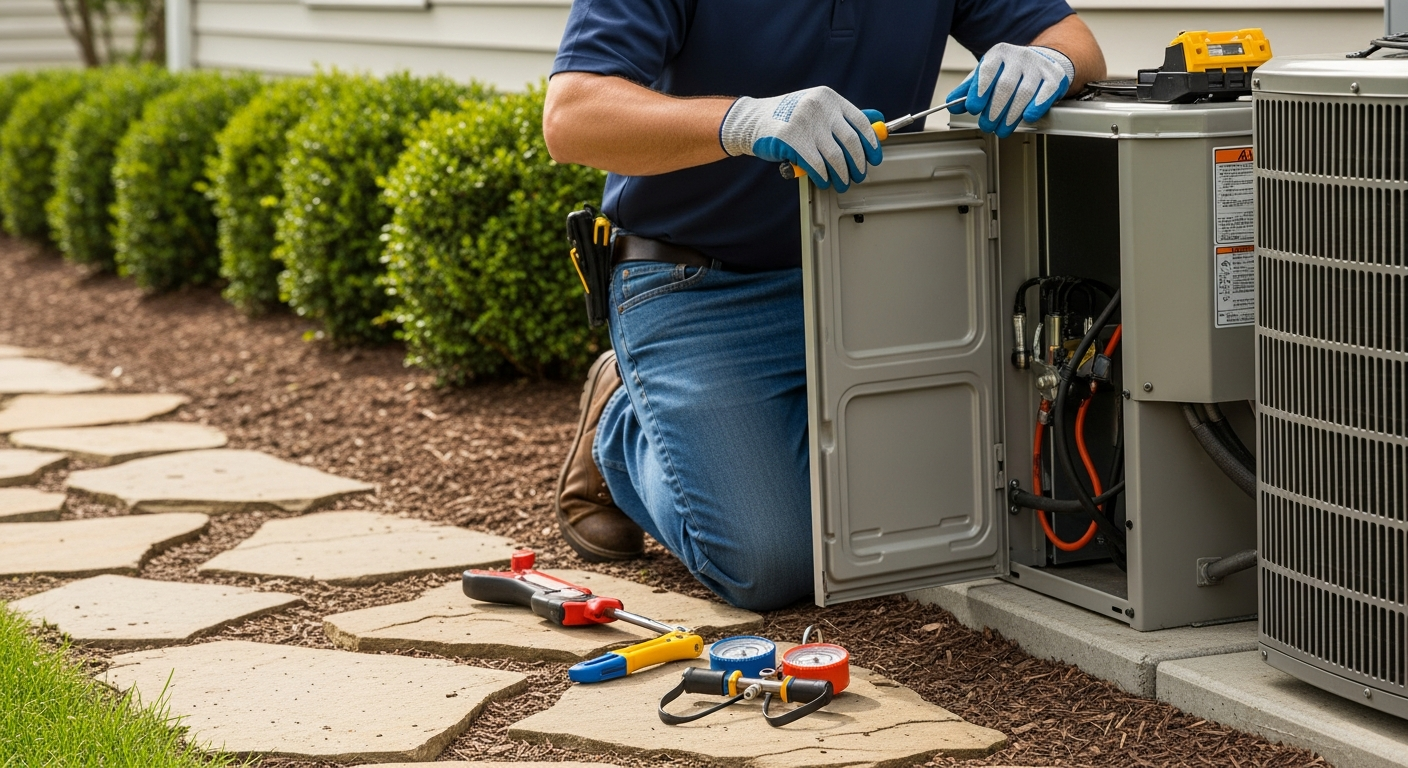
Proactive Replacement Outpays Emergency Repairs
Scheduled duct replacement, especially when paired with a new HVAC system, avoids comfort emergencies and ensures maximum energy savings. Reactive patching often leaves hidden leaks that silently drain your budget.
What Matters Most
- Average full replacement: $2,000–$5,000; partial sealing: $600–$1,800
- Manual D sizing is non-negotiable for longevity
- Metal ducts cost more but pay back in durability and air quality
- Always insulate to R-8 in unconditioned spaces
- Use HVACDatabase tools and verified contractors to compare quotes
Strengths
- Metal ductwork offers unmatched airflow and lifespan
- Proper sizing and sealing can boost HVAC efficiency by 30%
- Replacing ducts during a home renovation often reduces labor costs
Weaknesses
- High upfront investment, especially in tight-access homes
- Flex duct can fail early if undersupported or pinched
- Replacement creates temporary disruption; plan for a week or more
- Asbestos abatement in older homes can double the project cost
Decision Summary
| Scenario | Usually Do | Why |
|---|---|---|
| Ducts over 20 years old, frequent repairs, high energy bills | Full replacement | Patchwork fixes won’t restore lost efficiency or resolve hidden leaks |
| Minor leaks in accessible metal ducts under 15 years old | Professional sealing | Sealing costs 30–50% less than replacement and can deliver similar gains |
| Planning a new HVAC system install in the next year | Replace ducts together | Labor overlap reduces overall cost; avoids mismatched system components |
| Condensation or mold in flex ducts | Replace affected sections | Mold can't be thoroughly cleaned from porous flex insulation |
Introduction
If your rooms feel stuffy, your energy bills have crept up, or you hear whistling from vents, your ductwork might be costing you more than you think. Duct replacement isn't a small project, but getting it right can slash heating and cooling losses by up to 30% and dramatically improve comfort. This guide gives you clear cost benchmarks, material comparisons, and a practical checklist so you can compare quotes with confidence. Whether you're dealing with a collapsed return in a crawlspace or just outdated flex duct, you'll find the decision points and pricing transparency you need right here.
Quick Answer
- Typical full duct replacement for a 2,000 sq. ft. home runs $2,000–$5,000, with large custom metal jobs reaching $10,000+.
- Labor makes up 50–70% of the invoice; cramped attics or crawlspaces push pricing higher.
- Flexible duct is the least expensive upfront, while sheet metal costs more but lasts decades longer.
- Expect to pay $500–$2,000 for partial replacement or major sealing in accessible areas.
- Always require a written Manual D calculation before work begins—skipping this risks system damage.
Ductwork Replacement Cost Breakdown
| Project Scope | Typical Cost Range* | Notes |
|---|---|---|
| Replace all ducts in single-zone 1,500 sq. ft. home (flex) | $1,800–$3,200 | If attic/basement access is open |
| Replace all ducts in 2,500 sq. ft. two-story home (mixed flex/metal) | $3,800–$6,500 | Harder access, multiple zones |
| High-end galvanized steel, custom fabricated | $6,000–$12,000+ | Best longevity and airflow |
| Whole-home air sealing (without replacement) | $600–$1,800 | When ducts are sound but leaky |
| Add zoning dampers & controls (existing ducts) | $1,200–$3,000 | Significant labor in finished spaces |
* Editorial estimates based on national averages. Actual quotes vary by region, access, and material grade.
Material Comparison: Flex vs. Metal
Flexible Ductwork
- Cost: $1–$3 per linear foot material only
- Pros: Speedy install, less labor, fits tight spaces
- Cons: Easily kinked or crushed, shorter lifespan (15–20 years), airflow restrictions
- Best for: Short runs in open attics or when budget is tight
Rigid Metal Ductwork
- Cost: $3–$8+ per linear foot material only
- Pros: Smooth airflow, resists mold/rodents, lasts 30+ years
- Cons: Heavier, more labor for sealing and insulating, costlier
- Best for: Exposed basements, new construction, or where durability matters
Most homes use a combination: rigid trunks with flex branches. If you're upgrading, pair duct replacement with a filtration upgrade for maximum benefit.
Warning Signs You Need Duct Replacement
- Uncomfortable rooms: Temperature swings >5°F between rooms suggest collapsed or disconnected ducts.
- Dust buildup: If surfaces are constantly dusty despite filter changes, return ducts may be drawing attic or crawlspace contaminants.
- Age >20 years: Sealants and flex liners degrade, leading to 20–30% air loss. Use our system age decoder to check your HVAC installation date.
- Visible damage: Squashed flex, rusted metal, or mold on insulation.
- High bills: A sudden spike in heating/cooling costs often points to duct leaks.
Before you decide, use our repair or replace calculator to weigh sealing costs against full replacement.
Safety Boundaries: What Homeowners Can and Cannot Do
Ductwork projects can be dangerous and complex. Protect yourself by following these limits.
Safe Homeowner Checks
- Visually inspect exposed ducts for disconnected joints, crushed flex, or insulation tears.
- Check registers for airflow: use a tissue test—if it barely flutters, you may have a restriction.
- Replace air filters regularly (every 1–3 months) to reduce strain.
- Listen for whistling or rattling from vents, which often signals poor sealing or loose parts.
Leave to Licensed Professionals
- Manual D sizing calculations (wrong size destroys blowers and compressors).
- Entering crawlspaces or attics with confined space hazards, exposed wiring, or asbestos concerns.
- Sealing or modifying ducts that connect to gas or combustion appliances—cross-contamination risks require combustion safety testing.
- Handling refrigerants or opening HVAC electrical panels (shock and refrigerant hazards).
- Installing or adjusting zone dampers, control boards, or gas-fired furnace connections.
Always verify your contractor’s licensing and insurance through HVACDatabase.com before work starts.
Decision Rules: Repair, Seal, or Replace?
- If your ducts are less than 15 years old and only have small leaks
- Professional sealing (aeroseal or mastic) can restore efficiency for $600–$1,800. No replacement needed.
- If ducts are 15–25 years old with moderate leaks and you're keeping the HVAC
- Consider partial replacement in the worst sections and seal the rest. Budget $1,500–$3,000.
- If ducts are over 20 years old, heavily collapsed, or you're installing a new HVAC system
- Full replacement is usually the smarter long-term play. Sync the projects to reduce labor overlap.
- If you're moving within 3 years
- Focus on sealing only; a disclosure of known duct issues is better than a rushed, cheap replacement.
For personalized guidance, use our HVAC cost estimator to plug in your zip code and system details.
Local Climate Considerations
Your region dictates duct design priorities:
- Hot/humid (Southeast, Gulf): Insulation must be vapor-sealed to prevent condensation and mold. Metal ducts need R-8+ insulation. Consider a whole-home dehumidifier integration.
- Cold (Midwest, Northeast): Avoid ducts in exterior walls; keep them within conditioned space or deeply insulated to R-12. Frozen condensation can crack flex duct.
- Coastal (salt air): Use aluminum or stainless steel ducts and heavy-gauge fittings to resist corrosion. Check our regional cost hub for local pricing.
- Older homes (pre-1980): Watch for asbestos wrap on old metal ducts. Abatement adds $1,000–$3,000. Always test before disturbing.
No matter your location, connecting with a local pro who understands climate-specific codes is key—use our comparison tool to find qualified technicians.
Contractor Checklist: Ask Before You Sign
- “Will you perform a Manual D load calculation and give me a copy?” – Yes must be the answer.
- “How will you seal the new ducts?” – Mastic and/or UL-listed foil tape, not cloth duct tape.
- “What R-value insulation will you use, and where?” – R-6 minimum for conditioned spaces, R-8 for unconditioned attics.
- “Are permits required in my area, and will you pull them?” – Legitimate contractors handle permitting.
- “Do you perform a final duct leakage test?” – A duct blaster test or similar confirms the job.
- “Can you provide at least 3 references for similar-sized jobs?” – Follow up with them.
- “What’s the warranty on materials and labor?” – Look for 2+ years on install, 5–10+ on materials.
Ready to get quotes? Search verified HVACDatabase.com contractors in your area now.
Methodology
Our cost ranges are editorial estimates synthesized from publicly available trade data, ongoing contractor surveys, and material price indices. They represent national medians and may not reflect extreme regional highs or lows. We factor in typical labor rates, accessibility modifiers, and average duct footage for common home sizes. Always obtain multiple written quotes and a detailed scope of work before authorizing any project. This guide does not replace a professional on-site assessment.
Frequently Asked Questions
How long does ductwork last?
Quality metal ducts can last 30–50 years, while flex duct typically needs replacement every 15–20 years. Insulation and seals degrade sooner, so a 20-year-old system may be losing significant efficiency even if the ducts look fine.
Can I replace just part of the ductwork?
Yes, especially if one branch is collapsed or poorly routed. However, mixing new and old ducts can create airflow imbalances, so a professional Manual D review is essential. Partial replacement costs $500–$2,000 per major section.
How do I know if my ducts are the right size?
Signs of undersizing include loud airflow noise, low vent velocity, and frequent blower motor failures. A Manual D calculation is the only accurate method—older homes often have oversized ducts, which also wastes energy.
Will homeowners insurance cover duct replacement?
Typically not, unless damage results from a covered peril like a fire or falling tree. Wear and tear, age, and maintenance are excluded. Check your policy for “equipment breakdown” endorsements for limited coverage.
Will new ducts lower my energy bills?
Yes, if you currently have leaky, uninsulated ducts. EPA data suggests sealing and insulating can reduce HVAC energy use by 20–30%. Pair new ducts with a ventilation strategy to avoid pressure imbalances.
Related articles
Connect this page to adjacent guides so readers keep moving deeper into the topic cluster.

Cost to Install Multiple Smart Thermostats
Get a clear cost breakdown for installing 2–4+ smart thermostats. Includes equipment, labor, zoning upgrades, and how to save with utility rebates. Practical checks and contractor questions inside.
Duct Booster Fan Installation Cost
Uneven room temps? Duct booster fan installation costs: register fans $30–$100 DIY, inline fans $500–$800+ with pro. Learn when a booster works and when you need a bigger fix.
Makeup Air Unit Installation Cost Guide
Expect to pay $1,500–$4,500 for a pro-installed makeup air unit. Discover passive vs. tempered options, code triggers, and money-saving decision rules.