Energy Star vs Non Energy Star HVAC Equipment
Homeowner decision guide: Compare Energy Star vs standard HVAC equipment on cost, efficiency, rebates, and comfort. Includes decision rules, cost estimates, and contractor checklist.
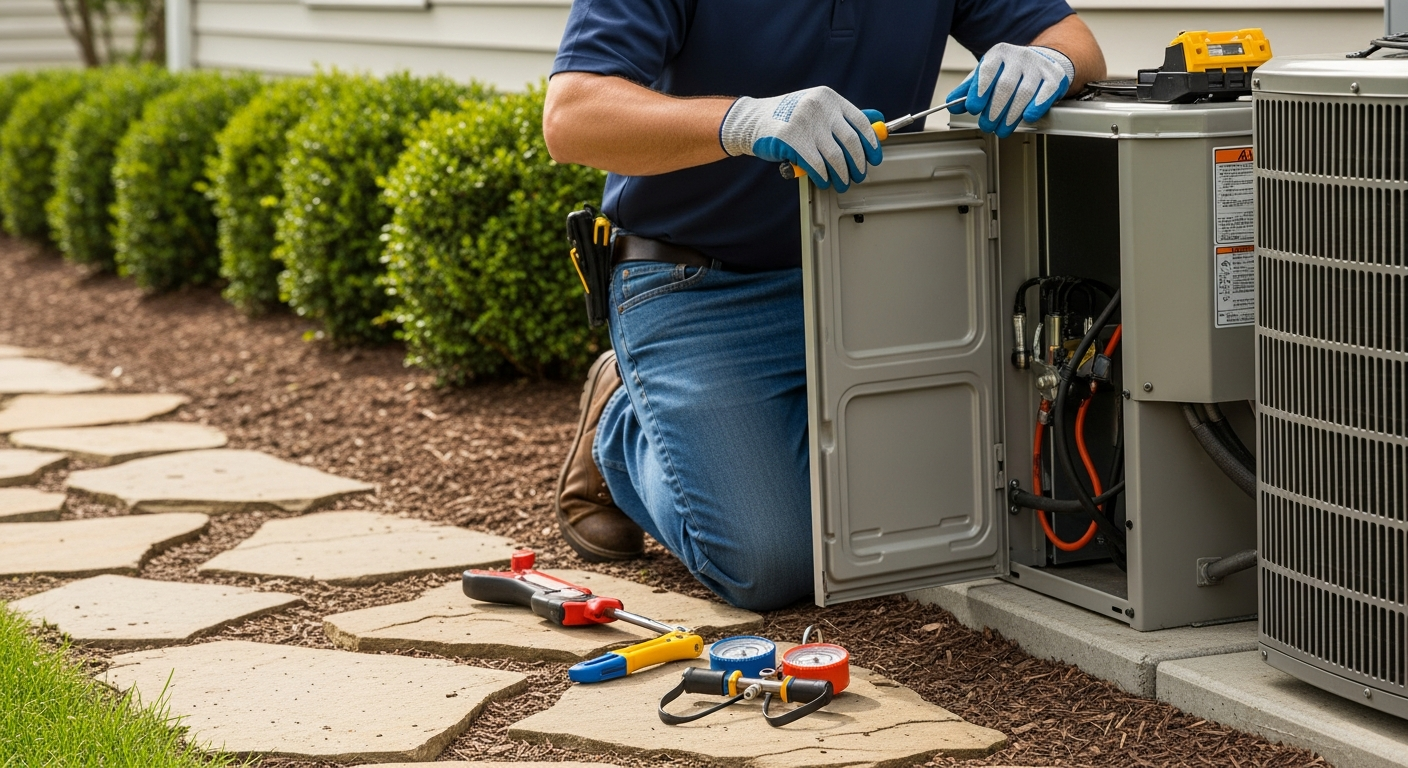
Energy Star is the smarter long-term investment for most homeowners
While upfront costs are higher, the combination of energy savings, incentives, and superior comfort makes Energy Star equipment the clear choice for those staying in their home more than 3 years. Standard units are acceptable only when budget constraints or very short occupancy override.
What Matters Most
- Plan to stay? Go Energy Star; recoup premium in 3–7 years.
- Use rebates and tax credits to slash the effective cost.
- Variable‑speed technology adds comfort beyond energy savings.
- Proper sizing and installation are more important than the badge alone.
- Start with an energy audit if your home leaks.
Strengths
- Lower lifetime cost due to energy savings.
- Qualifies for federal, state, and utility incentives.
- Provides steadier temperatures and humidity control.
- Quieter operation and reduced carbon footprint.
Weaknesses
- 10–30% higher upfront cost.
- Payback delayed if energy prices are low or occupancy is short.
- Advanced features may require more specialized servicing.
- Incentives vary by location and may change.
Decision summary
| Scenario | Usually do | Why |
|---|---|---|
| You'll stay 5+ years | Invest in Energy Star | Energy savings and rebates offset upfront cost within a few years. |
| Selling within a year | Install a standard, properly sized unit | You won't recoup the premium; focus on working, code‑compliant installation. |
| Tight emergency budget | Choose the best standard unit you can afford | Survival replacement; plan to add insulation or seal leaks to improve efficiency. |
| Your home is poorly insulated | Audit and seal first, then upgrade to Energy Star | Efficiency equipment can't overcome a leaky home; fix the envelope first. |
Quick Answer: Should You Buy Energy Star HVAC?
If you plan to stay in your home for more than 3 years and have the budget, Energy Star equipment almost always pays off through lower utility bills, tax credits, and rebates. However, non-certified units can make sense for short-term homes or tight emergency budgets.
Comparison: Energy Star vs Standard HVAC
| Factor | Energy Star Certified | Standard (Non-Certified) |
|---|---|---|
| Upfront cost | 10–30% higher | Lower purchase price |
| Energy efficiency | Top 15–25% of class; higher SEER2/ AFUE | Meets federal minimum standards |
| Annual energy savings | 10–30% lower bills | Higher operating costs |
| Comfort features | Variable-speed motors, better humidity control, quieter | Often single-stage on/off; less consistent temperatures |
| Financial incentives | Federal tax credits, utility rebates, local grants | Rarely qualify |
| Environmental impact | Lower carbon footprint | Higher energy consumption |
| Payback period | 3–7 years | N/A |
Decision Rules: When to Choose Each
Choose Energy Star if:
- You’ll live in the home for more than 3 years.
- You want consistent comfort and quiet operation.
- You qualify for rebates or tax credits that offset the premium.
- Reducing environmental impact is a priority.
Standard equipment may make sense if:
- You’re selling within 12 months.
- Your budget only allows the lowest-cost emergency replacement.
- The system serves a rarely used space (workshop, guest shed).
Cost Estimator: Crunch Your Numbers
Use our interactive tools to personalize the financial picture:
- HVAC Cost Estimator – Get a ballpark installed price for your home.
- Rebate Finder – Discover local utility and state incentives.
- Energy Savings Calculator – Estimate annual savings from higher efficiency.
Editorial estimate: Energy Star AC systems in typical 2,000 sq ft homes range from $5,000–$12,000 installed; standard units $4,000–$9,000. These ranges assume no major ductwork changes and vary by region.
Safety Boundaries: What You Can and Can’t Do
Safe homeowner checks:
- Replace disposable air filters every 1–3 months.
- Set thermostat modes and schedules.
- Keep outdoor coils clear of debris and vegetation.
- Listen for unusual noises and report them.
Pro-only work (dangerous):
- Refrigerant handling, charging, or leak repair.
- Gas line connections or combustion adjustments.
- Electrical connections at the disconnect box, capacitor, contactor, or control board.
- Compressor or coil replacement.
Installing a high-efficiency system correctly is critical. Use our contractor directory to find licensed pros with Energy Star experience.
Contractor Checklist: Questions to Ask Before You Sign
- Are you licensed, insured, and bonded in my area?
- Can you provide a copy of the AHRI certificate for the proposed equipment?
- Does the quote include all labor, permits, and disposal fees?
- How do you determine the correct sizing (Manual J load calculation)?
- What warranties are included, and who handles warranty claims?
- Do you participate in any utility rebate programs?
- Will you provide a written, itemized quote with model numbers?
- Can I see customer references from similar installations?
Local Climate Considerations
- Hot, humid regions (Gulf Coast, Southeast): Variable‑speed Energy Star ACs excel at humidity removal. Look for dehumidification ratings.
- Very hot, dry regions (Southwest): High SEER2 is critical, but oversized single‑speed units cause short‑cycling. Energy Star with variable‑speed works best.
- Cold climates (Midwest, Northeast): Energy Star heat pumps have improved cold‑weather performance; pair with energy star furnace for dual‑fuel savings.
- Coastal areas: Corrosion‑resistant coatings are worth the upgrade but don’t override Energy Star if the rating qualifies. Ask about sealed electrical components.
- Older homes: Efficiency upgrades are wasted if the envelope is leaky. Consider an energy audit and sealing leaks first.
Take Advantage of Rebates and Tax Credits
Energy Star equipment often qualifies for federal tax credits (e.g., up to $600 for ACs) and utility rebates ($50–$500 or more). Many states have additional programs. Use our Rebate Finder to search by ZIP code. Stacking these incentives can close the price gap with standard equipment.
How We Develop Our Recommendations
Our methodology combines data from EPA Energy Star specifications, national cost surveys (including HVACDatabase user reports), and contractor interviews. Cost ranges reflect typical residential installations for average‑sized homes and may not apply to complex layouts or custom ductwork. We review product performance data, rebate program terms, and regional climate patterns. This article was last updated [current date] and reflects 2025 federal standards.
Frequently Asked Questions
1. Does Energy Star HVAC really save 30% on bills?
It can, depending on your old system’s efficiency and local energy rates. Many homeowners report 20–30% reductions. Use our Energy Calculator to estimate your own savings.
2. How long does it take to recoup the higher cost?
Typically 3–7 years, but the exact payback depends on system size, climate, energy prices, and available rebates. Shorter paybacks occur when replacing very old equipment.
3. Are Energy Star units more reliable?
Not inherently; reliability depends more on brand, installation quality, and maintenance. However, many high‑efficiency units use durable components like variable‑speed motors that reduce wear from frequent on/off cycling.
4. Can I get a tax credit for just the equipment?
Tax credits usually apply to the equipment only if it meets Energy Star or CEE tier requirements. Installation labor may not be covered. Check current IRS rules.
5. What if I can’t afford Energy Star now but want efficiency?
Start with low‑cost improvements: seal air leaks, add attic insulation, install a programmable thermostat, and maintain your current system. These steps reduce load, making a future upgrade more effective.
Still unsure? Compare contractors for side‑by‑side quotes, or use our Repair or Replace Calculator if your system is aging.
Practical Next Steps
- Write down the system age, brand, model number, thermostat setting, and exact symptom before calling.
- Take photos of visible ice, water, error codes, dirty filters, or unusual equipment conditions without opening sealed or electrical compartments.
- Use HVAC cost estimator, Quote checker, Repair or replace calculator to estimate the budget or compare next steps.
- Get at least two written quotes for major repairs or replacements, especially when the system is more than 8-10 years old.
The strongest quote is not always the cheapest. Look for a contractor who explains the cause, confirms whether the repair is durable, documents warranty coverage, and gives you a clear path if the first repair does not fully solve the issue.
Related articles
Connect this page to adjacent guides so readers keep moving deeper into the topic cluster.
Electrostatic vs Pleated HVAC Filters
Electrostatic filters are washable and budget-friendly over time, but pleated filters catch more allergens. See which fits your home's air quality and HVAC demands.

Supply vs Exhaust Ventilation Systems
Discover whether a supply or exhaust ventilation system suits your home’s climate, budget, and air quality goals. Our guide includes cost ranges, safety tips, and pro checklists.
Smart Thermostat vs Smart Vent System
Homeowners often ask: smart thermostat or smart vents? Our practical guide explains the core trade-offs, safety limits, and a clear decision path to avoid wasting money or harming your system.