ERV Installation Cost Breakdown
Get a practical cost breakdown for installing an Energy Recovery Ventilator. Covers equipment, labor, hidden fees, and savings for different climates.

Clear Recommendation
For most homes in humid or mixed climates, a professionally installed ERV offers the best balance of air quality and energy savings. Choose a bid that includes proper sizing, duct integration, and electrical work, and always verify licenses and permits.
What Matters Most
- Typical whole-home ERV installation runs $2,000–$4,500.
- Unit size must match your home’s CFM need; undersized units won’t ventilate adequately.
- Labor complexity varies widely; get itemized quotes that include ductwork, electrical, and permits.
- ERVs excel in humid climates but may be overkill in dry, cold areas where an HRV costs less.
- Regular filter replacement and core cleaning keep the unit efficient and healthy.
Strengths
- Improves indoor air quality and reduces airborne pollutants, allergens, and excess humidity.
- Recovers 70–80% of heating/cooling energy from exhaust air.
- Can be integrated with existing HVAC ductwork for whole-home coverage.
- Eligible for rebates and tax incentives in many regions.
Weaknesses
- High upfront cost compared to simpler ventilation like exhaust fans.
- Requires professional installation; DIY errors can cause structural damage and mold.
- Adds another mechanical system to maintain; annual costs of $100–$300.
- In very cold climates, defrost cycles can reduce efficiency and may require preheaters.
ERV vs. HRV vs. No Upgrade
| Scenario | Usually do | Why |
|---|---|---|
| Tight home in humid climate | Install ERV | Transfers moisture and reduces cooling load |
| Tight home in cold dry climate | Consider HRV | Less expensive, only recovers heat |
| Leaky older home | Air-seal first then ERV | Ventilation benefit minimal until envelope tightened |
| Budget under $2,000 | Spot ventilation or single-room ERV | Whole-home ERV not feasible at this price |
Quick Answer: ERV Installation Cost at a Glance
Typical total cost: $2,000–$4,500
Equipment only: $600–$2,500 (depends on CFM and efficiency)
Labor and installation: $800–$2,000
Additional costs if needed: Electrical upgrades $200–$500, ductwork repairs $500–$2,000+, permits $50–$300
Annual maintenance: $100–$300 (replacement filters and core cleaning)
ERV Cost Breakdown Table
| Cost Component | Typical Range | What Affects Price |
|---|---|---|
| ERV Unit | $600–$2,500 | Home size, CFM rating, efficiency features |
| Installation Labor | $800–$2,000 | Access, duct connections, electrical run |
| Electrical Upgrades | $200–$500 | New circuit if panel space limited |
| Ductwork Modifications | $500–$2,000+ | Leaky ducts, adding returns or dedicated runs |
| Permits & Inspection | $50–$300 | Local municipality requirements |
| Annual Maintenance | $100–$300 | Filter replacements, core cleaning |
Safety Boundaries: What You Can Check vs. What Requires a Pro
ERV installation blends electrical, ductwork, and building envelope work. Always hire a licensed HVAC contractor and electrician where needed. Homeowners can safely:
- Inspect and replace internal filters (see manual)
- Clean exterior intake and exhaust hoods of debris
- Monitor system for abnormal noises or reduced airflow
Leave these tasks to professionals:
- Mounting the unit and connecting to ductwork or air handler
- Running new electrical circuits or modifying the panel
- Cutting holes in exterior walls for vents
- Sealing ductwork to prevent leaks
- Obtaining permits and scheduling inspections
Use These Tools Before Committing
Run your numbers through these free calculators to see if an ERV fits your budget and home:
- HVAC Cost Estimator – Get a customized ERV installation price range for your location.
- Repair or Replace Calculator – Decide if upgrading ventilation is better than patching old ductwork.
- Rebate Finder – Many utilities offer incentives for ERVs; see what’s available in your area.
- Quote Checker – Compare contractor bids against market benchmarks.
Decision Rules: Is an ERV Right for Your Home?
Use these thresholds to decide:
- Humid climate (above 50% RH outdoor summer average): Prefer ERV – it transfers moisture, reducing A/C load.
- Cold, dry climate (below 30% RH winter average): An HRV may be more cost-effective; ERVs can still work but offer less benefit.
- Home built before 1990 with natural leakage: Seal and insulate first; a tight envelope maximizes ERV performance.
- New construction or airtight remodel: ERV is highly recommended for code-compliant ventilation.
- Budget under $2,000 all-in: Consider a single-room ERV or a spot ventilation solution rather than whole-home.
- Existing HVAC system over 15 years old: Plan full system replacement with integrated ventilation if a major upgrade is due soon.
Questions to Ask Before Hiring an ERV Installer
- Are you licensed and insured for HVAC and electrical work? Verify state credentials.
- Can you provide a Manual J load calculation and ventilation sizing based on CFM requirements? Avoid guesswork.
- Will you pull permits and coordinate inspections? Permits ensure code compliance.
- Does the quote include all duct connections, electrical wiring, and exterior vent terminations? Beware of low-ball estimates that exclude necessities.
- What’s the warranty on the ERV unit and your labor? Look for at least 1-year labor warranty.
- How will you balance the supply and exhaust airflow? Proper balancing prevents positive or negative pressure.
- Can you provide references from recent ERV installations? Check their track record.
How Your Climate Shapes ERV Installation Cost and Value
- Hot, humid regions (e.g., Miami, Houston): ERVs are ideal because they pre-dry incoming air, cutting cooling costs. Expect slightly higher labor in peak summer. Explore local cost guides for your market.
- Cold climates (e.g., Chicago, Minneapolis): ERVs still work but need defrost controls; an HRV might be cheaper and sufficient if humidity isn’t a year-round issue.
- Coastal areas: Salt air can corrode standard ERV cores; consider epoxy-coated or marine-grade units, which add $200–$500 to the unit cost.
- Older homes (pre-1980): May require extensive ductwork upgrades or electrical panel replacement, potentially pushing total costs above $5,000.
How We Build These Estimates
Cost ranges are editorial estimates compiled from public HVAC contractor pricing data, manufacturer MSRP lists, and permit fee schedules for major U.S. metros. They are not guaranteed quotes. Actual prices vary with project complexity, region, season, and your home’s existing systems. We recommend collecting at least three itemized quotes and using our Quote Checker for validation. For emergency or urgent installations, costs can be 20–50% higher.
Frequently Asked Questions
How long does an ERV installation take?
A simple retrofit often takes one day (4–8 hours). If new ductwork or electrical panel work is needed, it may span two days. Pre-installation assessment and permitting can add a week.
Can I install an ERV myself to save money?
We strongly advise against DIY for whole-home ERVs. Improper installation can cause moisture problems, electrical hazards, and void warranties. Homeowners can handle filter changes and basic cleaning only.
Will an ERV reduce my energy bills?
In humid climates, an ERV can reduce cooling costs by 5–15% by transferring moisture. In heating climates, it recovers 70–80% of heat, but the primary benefit is indoor air quality, not energy savings.
How often should I replace the ERV filters?
Typically every 3–6 months, depending on outdoor air quality and manufacturer guidelines. Some units have washable pre-filters; check your manual.
Is an ERV worth it if I already have a furnace filter?
A furnace filter only cleans recirculated air; it doesn’t bring in fresh outdoor air. An ERV provides whole-home ventilation, which is essential for modern airtight homes.
Methodology
HVACDatabase estimates combine common contractor price patterns, service-category pricing ranges, equipment complexity, urgency, regional labor variation, and known HVAC safety boundaries. Actual prices vary by city, brand, system size, access, warranty status, permit requirements, and whether the visit discovers ductwork, electrical, refrigerant, gas, or drainage issues. Use these numbers to sanity-check quotes, not as a guaranteed price.
Related articles
Connect this page to adjacent guides so readers keep moving deeper into the topic cluster.

Cost to Install Multiple Smart Thermostats
Get a clear cost breakdown for installing 2–4+ smart thermostats. Includes equipment, labor, zoning upgrades, and how to save with utility rebates. Practical checks and contractor questions inside.
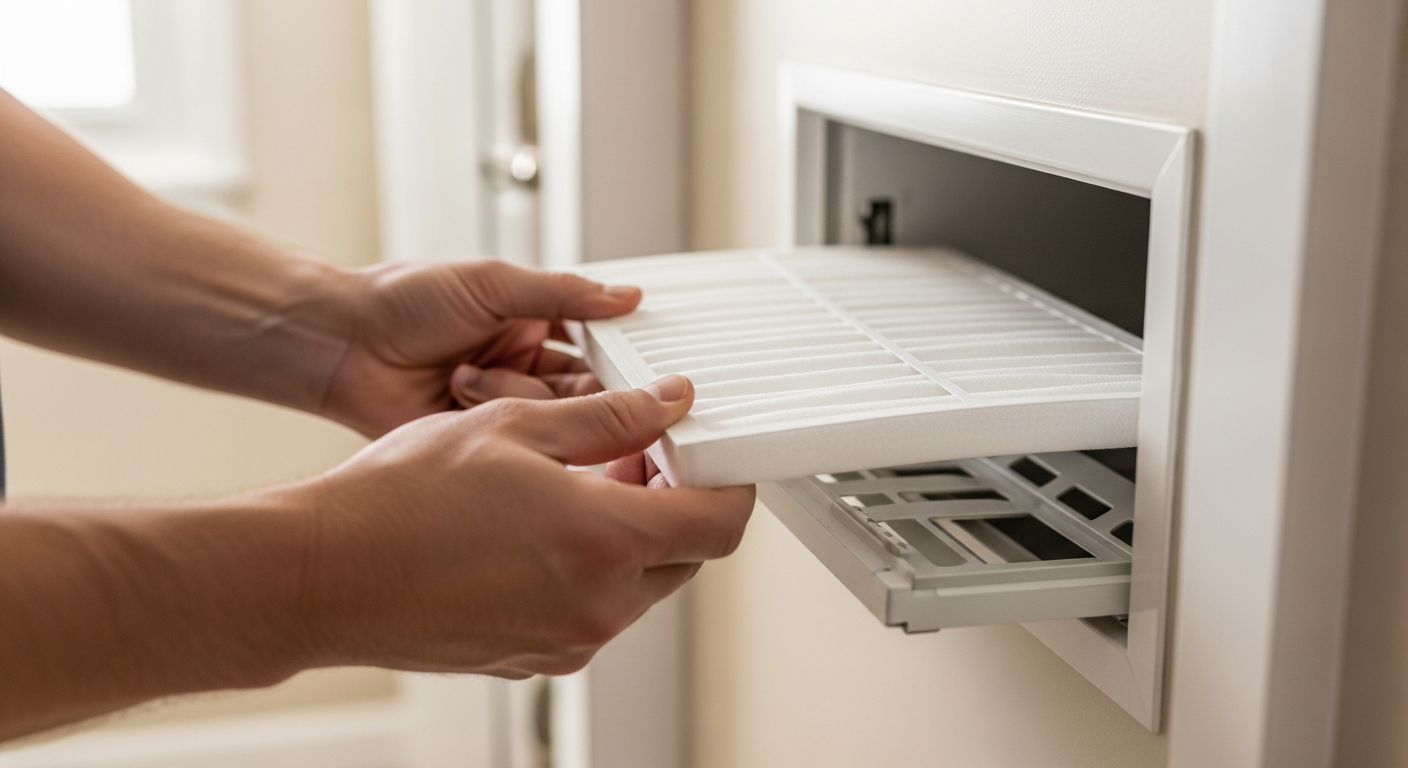
Duct Booster Fan Installation Cost
Uneven room temps? Duct booster fan installation costs: register fans $30–$100 DIY, inline fans $500–$800+ with pro. Learn when a booster works and when you need a bigger fix.
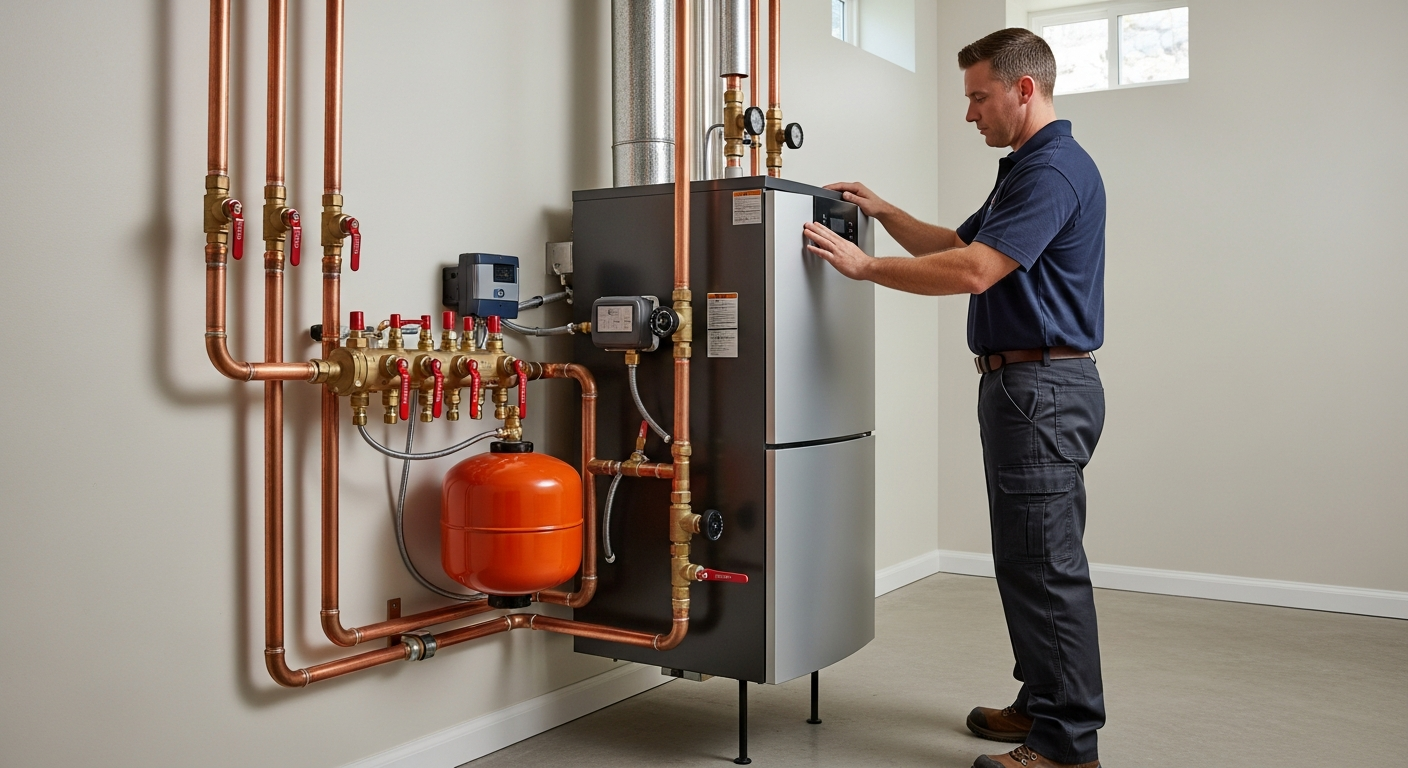
Makeup Air Unit Installation Cost Guide
Expect to pay $1,500–$4,500 for a pro-installed makeup air unit. Discover passive vs. tempered options, code triggers, and money-saving decision rules.