Furnace Ignitor Replacement Cost
Furnace blowing cold air? Get realistic ignitor replacement costs ($150–$350), learn safe homeowner checks, and use our tools to compare local quotes and decide repair vs. replace.
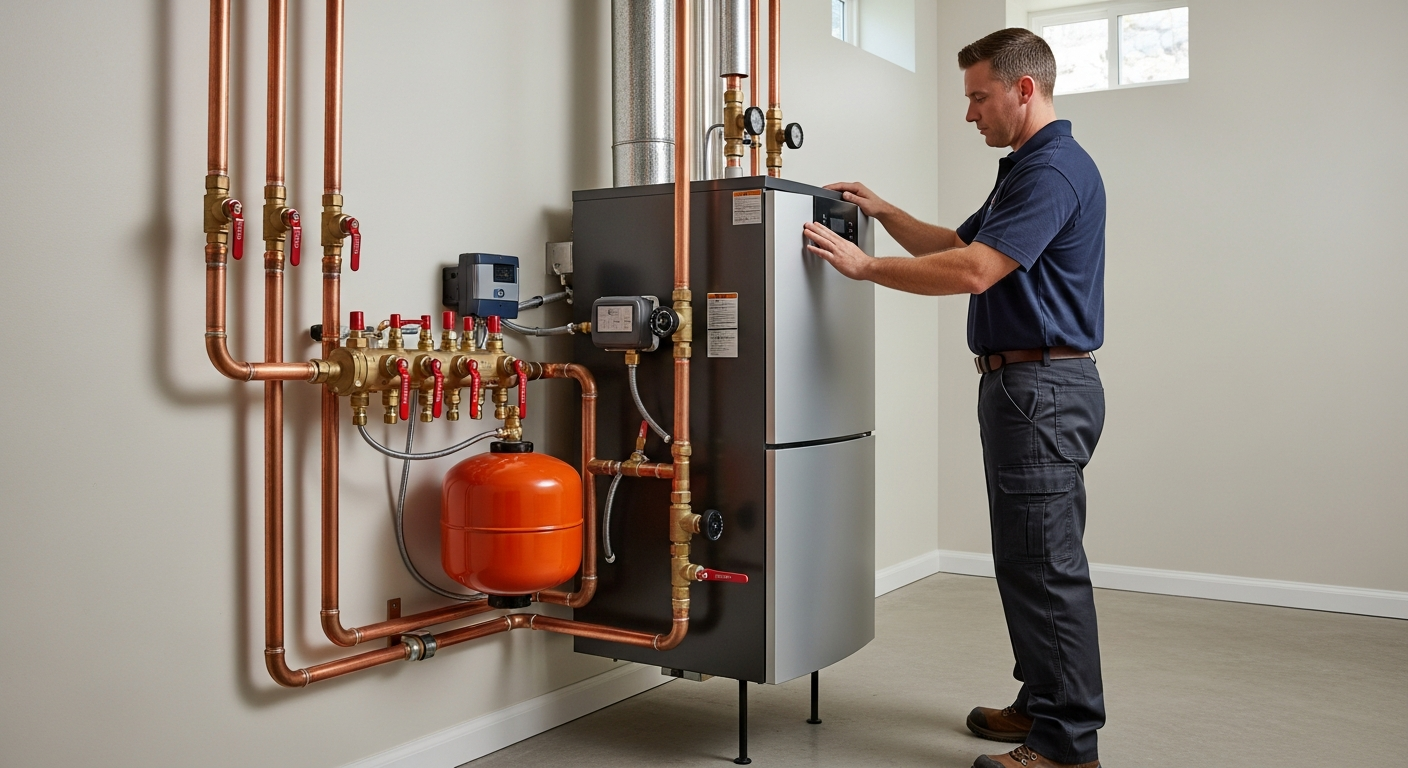
Replace the ignitor if the furnace is under 12 years old and the rest of the system checks out; otherwise, calculate total cost of ownership before putting mon
A faulty ignitor is a common, moderate-cost repair. Use diagnostic checks to confirm the issue, compare quotes, and weigh against system age to avoid wasteful spending.
What Matters Most
- Typical ignitor replacement costs $150–$350 including diagnostics and labor.
- Never touch a new ignitor element—skin oils cause early failure.
- If your furnace is over 15 years old and needs frequent repairs, replacement often saves more.
- Use our tools to compare quotes and check for rebates.
Strengths
- Quick restoration of heat for a relatively low cost.
- Professional replacement includes warranty and safety checks.
- Addressing it early prevents further damage to control boards.
Weaknesses
- Misdiagnosis can lead to unnecessary cost if the root cause is a gas valve or board.
- In very old systems, other components may fail soon, leading to repeated service calls.
- Emergency rates can double the price.
Decision Summary: Ignitor Replacement vs. System Upgrade
| Scenario | Usually do | Why |
|---|---|---|
| Furnace under 10 years, ignitor failure | Replace ignitor | Cost-effective and restores performance. |
| Furnace 10–15 years, isolated ignitor failure | Replace ignitor, but schedule a system evaluation | Preventive check can catch other aging parts. |
| Furnace over 15 years, ignitor plus other symptoms | Calculate repair vs. replace; often replace system | Avoid pouring money into a unit nearing end of life. |
| Multiple repairs in the last two years, any age | Consider full system replacement | Frequent failures signal systemic wear. |
Quick Answer
Replacing a faulty furnace ignitor typically costs $150–$350 when hired professionally. The part itself runs $20–$100, diagnostic fees add $80–$200, and labor for the swap is usually $50–$100. If your furnace is over 15 years old or needs frequent repairs, compare the cost to a new system using our Repair or Replace Calculator before committing.
What a Furnace Ignitor Does & Why It Fails
The ignitor is a small, ceramic element that glows red-hot to light the gas burners. Most are made from silicon carbide (brittle, common in older models) or silicon nitride (tougher, used in modern high-efficiency units). Over time, thermal stress, voltage spikes, or contamination cause cracks or burnout, preventing ignition.
Signs Your Ignitor Has Failed
- The furnace blower and draft inducer run, but no flame appears.
- Cold air blows from vents during a heating cycle.
- The furnace's circuit breaker trips repeatedly.
- A visible crack or white/black spot on the ignitor element (viewed through sight glass).
- The unit tries to ignite multiple times, then locks out for safety.
Furnace Ignitor Replacement Cost Breakdown
| Cost Component | Typical Range | Notes |
|---|---|---|
| Ignitor Part | $20–$100 | OEM or aftermarket; silicon nitride tends to cost more but lasts longer. |
| Diagnostic / Service Call | $80–$200 | May be credited toward the repair if you proceed. |
| Labor (replacement) | $50–$100 | Usually 30–60 minutes for accessible furnaces. |
| Total Typical Bill | $150–$350 | Emergency/after-hours visits can increase total to $300–$600. |
5 Factors That Change Your Repair Bill
- Emergency vs. scheduled service: After-hours rates often double the labor charge.
- Part type and brand: Proprietary ignitors for some Lennox or Carrier models can exceed $100.
- Accessibility: Attics, crawlspaces, or units wedged in tight closets extend labor time.
- Root cause investigation: If a cracked heat exchanger or gas valve issue caused the failure, additional charges apply.
- Regional market rates: Urban and coastal metros tend to have higher labor fees—see our cost guide hub for local numbers.
Safety Boundaries: What You Can Check vs. What Pros Must Handle
Safe homeowner checks:
- Verify the thermostat is set to “heat” and the temperature is above room level.
- Check that the furnace power switch and circuit breaker are on.
- Look through the sight glass for a steady ignition glow or visible cracks (do not open the cabinet).
- Replace a dirty air filter, which can cause overheating and short cycling that stresses the ignitor.
Professional-only tasks (do not DIY):
- Opening the furnace cabinet and handling the ignitor—oils from skin cause hot spots and early failure.
- Testing or replacing the ignitor, gas valve, flame sensor, control board, or any high‑voltage wiring.
- Any work involving gas lines, combustion components, or safety switches.
Tools to Make a Smarter Decision
Before calling a contractor, arm yourself with data:
- HVAC Cost Estimator: Get a localized price tier for both repair and full replacement.
- Repair or Replace Calculator: Enter your system’s age and repair quote to see if a new furnace pays off.
- Quote Checker: Upload a contractor’s estimate for a fairness review.
- Rebate Finder: Check utility and state incentives that could offset a new high‑efficiency system.
Decision Rules: Repair or Replace?
Use these concrete thresholds when deciding:
- Furnace under 10 years old: Replace the ignitor if no other major issues. Cost is modest and restores reliable heat.
- Furnace 10–15 years old: Replace the ignitor but schedule a full system inspection. Watch for short cycling (learn more) that accelerates wear.
- Furnace over 15 years old: If the repair exceeds one‑third the cost of a new system, or if you’ve had two+ repairs in the last year, replacement is usually smarter. Run the numbers in our calculator.
- Multiple recent repairs: Frequent breakdowns, even on a younger unit, often point to systemic problems like poor airflow or oversized equipment. Get a second opinion and consider a load calculation (BTU Calculator).
How to Hire a Trusted HVAC Technician
Use this checklist when vetting contractors:
- Ask: “Is the diagnostic fee applied to the repair if I proceed?”
- Confirm: “Do you carry general liability and workers’ comp insurance?”
- Request a written, itemized estimate before any work begins.
- Verify licensing through your state’s contractor board (or use our search to find pre‑vetted pros).
- Ask about part and labor warranty—look for at least one year on the ignitor and 30–90 days on labor.
- Inquire: “Will you check the heat exchanger, flame sensor, and gas pressure during the visit?”
Use our contractor comparison tool to line up quotes side by side.
Regional Considerations That Affect Cost and Urgency
Your location influences both pricing and how quickly you need repair:
- Cold climates (Midwest, Northeast): High demand in winter can push emergency rates up 50–100%. Example: Chicago heating contractors often book weeks out in January.
- Hot/humid regions (Southeast, Gulf Coast): Corrosion from humidity can reduce ignitor life; annual maintenance (cost estimator) is key.
- Coastal areas (Florida, California): Salt air accelerates electrical contact wear; expect slightly higher part failure rates.
- Older homes (pre‑1980): Outdated ductwork or wiring may require extra time/parts, increasing labor cost. Check for local rebates via our rebate finder.
Where Our Numbers Come From (Methodology)
Cost ranges are synthesized from a mix of contractor surveys, service‑price databases, and equipment manufacturers’ suggested list prices. They represent what a well‑qualified, insured HVAC professional charges in most U.S. markets. Actual quotes vary with season, system specifics, and home configuration. Use our tools to get personalized estimates, and always obtain at least two written bids.
Frequently Asked Questions
How long do furnace ignitors last?
Typically 7–10 years, depending on usage cycles and power quality. Silicon nitride ignitors can exceed 10 years, while older silicon carbide versions may fail in 5–7 years.
Can I replace a furnace ignitor myself?
We strongly advise against it. The ignitor is extremely fragile—skin oils cause hot spots and immediate failure—and a mistake can damage the control board or create a safety hazard. A professional replacement includes warranty and a system health check.
How do I know if it’s the ignitor and not the flame sensor?
If the ignitor glows but the burners shut off after a few seconds, the flame sensor is likely the culprit. If there is no glow at all, the ignitor, control board, or gas valve may be at fault. A tech uses a multimeter to definitively test each component.
Are there different types of ignitors?
Yes. The most common are silicon carbide (thin, flat element) and silicon nitride (cylindrical, more durable). Some high‑efficiency furnaces use a “smart” ignitor that doubles as a flame sensor. Always match the part number to your furnace model.
What happens if I ignore a faulty ignitor?
The furnace won’t heat, and repeated failed ignition attempts can flood the combustion chamber with unburned gas, tripping a safety lockout. In older systems, a cracked ignitor can also short and damage the control board, turning a $200 repair into a $600+ one.
Related articles
Connect this page to adjacent guides so readers keep moving deeper into the topic cluster.

Cost to Install Multiple Smart Thermostats
Get a clear cost breakdown for installing 2–4+ smart thermostats. Includes equipment, labor, zoning upgrades, and how to save with utility rebates. Practical checks and contractor questions inside.
Duct Booster Fan Installation Cost
Uneven room temps? Duct booster fan installation costs: register fans $30–$100 DIY, inline fans $500–$800+ with pro. Learn when a booster works and when you need a bigger fix.
Makeup Air Unit Installation Cost Guide
Expect to pay $1,500–$4,500 for a pro-installed makeup air unit. Discover passive vs. tempered options, code triggers, and money-saving decision rules.