Heat Pump Repair Cost Guide
Discover typical heat pump repair costs, from minor fixes ($150) to major compressor work ($2,500+). Use our decision tools to know when repair or replacement is the smarter financial move.
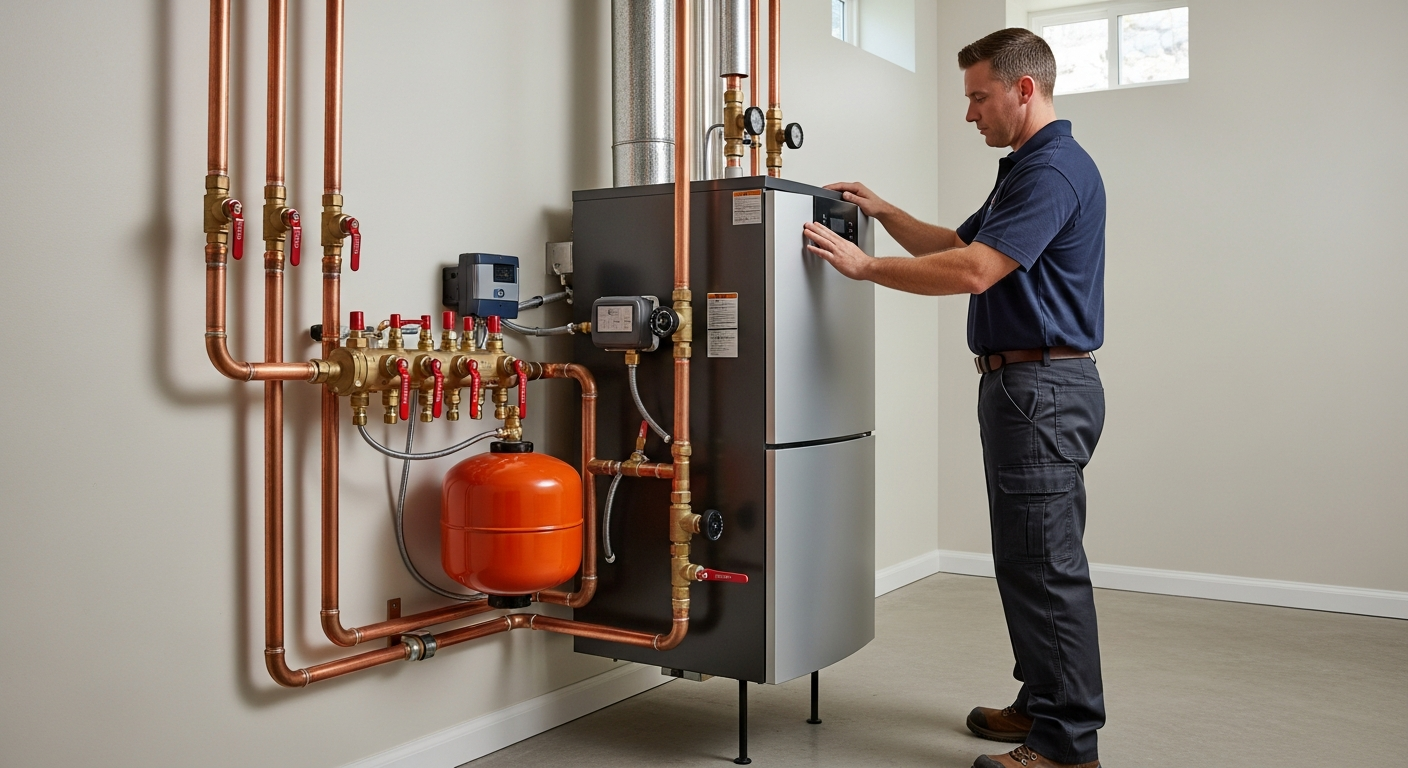
Best next step
Use the article decision rules, then compare a written quote when professional work is required.
What Matters Most
- Check safe basics first.
- Use cost ranges to sanity-check quotes.
- Call a qualified pro for refrigerant, gas, combustion, and electrical work.
Strengths
- Clearer next step.
- Better quote comparison.
Weaknesses
- Final pricing depends on local conditions.
- Some problems require in-person diagnosis.
Decision summary
| Scenario | Usually do | Why |
|---|---|---|
| Minor, safe homeowner issue | Check basics first | Filters, settings, and blocked vents can be resolved safely. |
| Mechanical, refrigerant, gas, or electrical issue | Call a qualified technician | These areas carry safety, code, and warranty risk. |
A broken heat pump can leave you sweltering in summer or shivering in winter. Before you panic, know that most repairs cost between $150 and $900, with a typical service call falling around $300–$600. This guide breaks down real-world prices, shows you when DIY checks are safe (and when to step back), and gives you a clear repair-or-replace roadmap. Use our tools to get instant estimates and find vetted local contractors.
Quick Answer: Heat Pump Repair Cost Ranges
What you’ll pay depends on what’s broken. Below are common repair types and their typical cost ranges (including parts and labor). For an exact quote, use our cost estimator.
| Repair | Typical Cost (Parts & Labor) | What It Fixes | Urgency |
|---|---|---|---|
| Thermostat Replacement | $150 – $500 | Incorrect temperature reading, system not turning on/off | Quick fix; often DIY with smart thermostats |
| Capacitor Replacement | $150 – $350 | Outdoor unit hums but fan won't start | Pro only; high voltage |
| Fan Motor Repair | $250 – $650 | No airflow, noisy fan, motor burnout | May affect cooling/heating immediately |
| Reversing Valve Replacement | $450 – $1,000 | Heat pump stuck in heating or cooling mode | Comfort issue; won't cycle properly |
| Refrigerant Leak Repair | $200 – $1,500 (leak-dependent) | Low refrigerant, poor performance, ice on coils | Stop using until repaired to avoid compressor damage |
| Compressor Replacement | $1,500 – $2,500+ | No cooling/heating, loud noises, tripped breaker | Often signals time to replace entire outdoor unit |
| Evaporator Coil Replacement | $700 – $1,500 | Leaking coil, poor performance, musty odor | Urgent if refrigerant leaking |
Note: Emergency or after-hours service adds $150–$300. Diagnostic visits: $80–$200 standard.
Safety Boundaries: What You Can Check vs. Leave to a Pro
Heat pumps contain high-voltage electricity, pressurized refrigerant, and precision components. Attempting DIY repairs on the following can cause injury, void warranties, or create costly damage:
- Refrigerant handling (charging, recovery, line brazing)
- Compressor, capacitor, or contactor replacement
- Circuit board or control board fixes
- Reversing valve or expansion valve replacement
- Any work requiring opening sealed refrigerant lines
- Gas or combustion components (for dual-fuel systems)
What You CAN Check Yourself
- Thermostat batteries and settings – ensure it's on “Heat” or “Cool” and set correctly.
- Air filter – a clogged filter can cause system freeze-ups or overheating. Replace if dirty.
- Circuit breaker – if the outdoor unit isn’t running, check the breaker. Reset once. If it trips again, call a pro.
- Outdoor unit – clear leaves, debris, and snow from the top and sides. Turn off power at the disconnect box first.
- Condensate drain – if water pools near indoor unit, use a wet/dry vacuum to clear the line.
Why Do Repair Costs Vary So Much?
Several factors can swing your final bill by hundreds of dollars. Know them before you sign an estimate:
- Warranty status: If still under manufacturer warranty, parts may be free—you pay only labor. Always check before approving work. Use our System Age Decoder to decode your unit's age from the serial number.
- Emergency or after-hours visit: A Sunday night callout typically adds $150–$300 on top of normal diagnostic fees.
- System type: Ductless mini-splits often have pricier proprietary parts than standard central heat pumps.
- Accessibility: Tight attic installs or steep roof locations increase labor hours.
- Refrigerant type: Older R-22 systems face rising refrigerant costs (up to $200/lb) if a leak occurs, making repairs less attractive.
- Regional labor rates: Expect 15–30% higher costs in major metros like Los Angeles or New York. Use our HVAC Cost Estimator to get local benchmarks.
Local Market Considerations
Your climate directly affects how your heat pump is used—and how fast it wears.
- Hot, humid regions (Southeast, Gulf Coast): Heat pumps run nearly year-round for cooling. This heavy workload can shorten lifespan. Expect more frequent capacitor and fan motor failures. Find local AC specialists experienced with coastal humidity.
- Cold climates (Northeast, Midwest): Cold-climate heat pumps are built for low temps, but still may need backup heat. Defrost board or outdoor unit issues are more common. See example Chicago heating repair rates.
- Coastal areas: Salt air corrodes coils and fins faster. Annual maintenance is non-negotiable. Search for contractors in coastal zones who understand corrosion protection.
- Older homes (pre-1980s): Ductwork may be undersized or leaky, stressing your heat pump. You may need duct sealing or upgrades, which add to overall job cost. See radiant heating options as a potential alternative.
Repair or Replace? The Expert Decision Rules
When a repair bill comes in high, use these concrete thresholds to decide:
- The $5,000 Rule: Multiply your heat pump's age (in years) by the repair quote. If the result is over $5,000, replacement likely makes more sense. Example: 12 years × $450 repair = $5,400 → Replace.
- 50% Rule: If the repair cost is more than half the price of a new unit (installed), replace—especially if the system is out of warranty. A new, properly sized heat pump often cuts energy bills by 20–40%.
- Compressor failure on a unit over 10 years old: Almost always replace the entire outdoor unit (or both indoor and outdoor). Compressor replacement alone nears the cost of a new condensing unit.
- R-22 system with a leak: The refrigerant is being phased out and costs have skyrocketed. Replace with a modern R-410A or R-32 unit.
Use our interactive Repair or Replace Calculator to plug in your numbers for a personalized recommendation.
| Scenario | Action | Reason |
|---|---|---|
| Unit < 8 years old, minor repair | Repair | Likely plenty of life left
Contractor ChecklistBefore approving HVAC work, ask for a written scope rather than a one-line price.
MethodologyHVACDatabase estimates combine common contractor price patterns, service-category pricing ranges, equipment complexity, urgency, regional labor variation, and known HVAC safety boundaries. Actual prices vary by city, brand, system size, access, warranty status, permit requirements, and whether the visit discovers ductwork, electrical, refrigerant, gas, or drainage issues. Use these numbers to sanity-check quotes, not as a guaranteed price. FAQCan I handle Heat Pump Repair Cost Guide myself?You can handle basic checks such as thermostat settings, filter replacement, blocked vents, visible debris, and obvious water or ice. Anything involving refrigerant, gas, combustion, high-voltage electrical components, compressors, or sealed system work should be left to a qualified technician. When should I call an HVAC contractor?Call a contractor if the problem repeats, the system trips a breaker more than once, cooling or heating is weak after basic checks, you see ice or water where it does not belong, or the repair requires opening equipment panels. How do I know if a quote is fair?Compare the written scope, not just the price. A fair quote should explain the diagnosis, parts, labor, warranty, exclusions, and whether follow-up work may be needed. Should I repair or replace the system?Repair usually makes sense for newer equipment with minor failures. Replacement becomes worth comparing when the system is older, the repair is major, comfort is poor, or the repair approaches 40-50% of replacement cost. What is the safest next step?Do the safe homeowner checks first, document symptoms, then use HVACDatabase tools or contractor comparison pages if the issue points to mechanical, electrical, refrigerant, gas, or combustion work. Keep reading Related articlesConnect this page to adjacent guides so readers keep moving deeper into the topic cluster.  COST_GUIDE Cost to Install Multiple Smart ThermostatsGet a clear cost breakdown for installing 2–4+ smart thermostats. Includes equipment, labor, zoning upgrades, and how to save with utility rebates. Practical checks and contractor questions inside. 7 min read 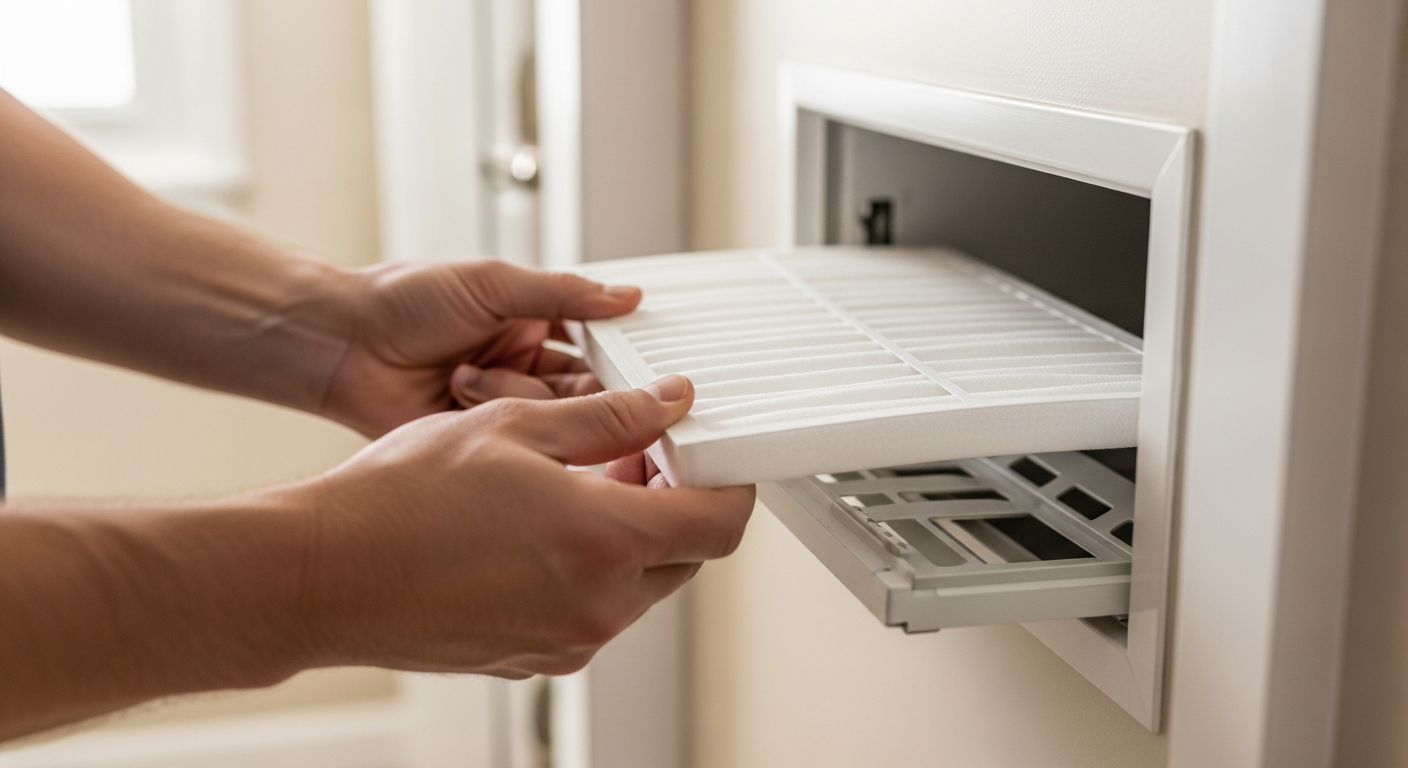 COST_GUIDE Duct Booster Fan Installation CostUneven room temps? Duct booster fan installation costs: register fans $30–$100 DIY, inline fans $500–$800+ with pro. Learn when a booster works and when you need a bigger fix. 8 min read COST_GUIDE Makeup Air Unit Installation Cost GuideExpect to pay $1,500–$4,500 for a pro-installed makeup air unit. Discover passive vs. tempered options, code triggers, and money-saving decision rules. 7 min read |