How to Install Radiant Floor Heating
Radiant floor heating provides silent, even warmth. Compare electric and hydronic systems, get cost estimates, and use our decision tools to choose between DIY and professional installation.
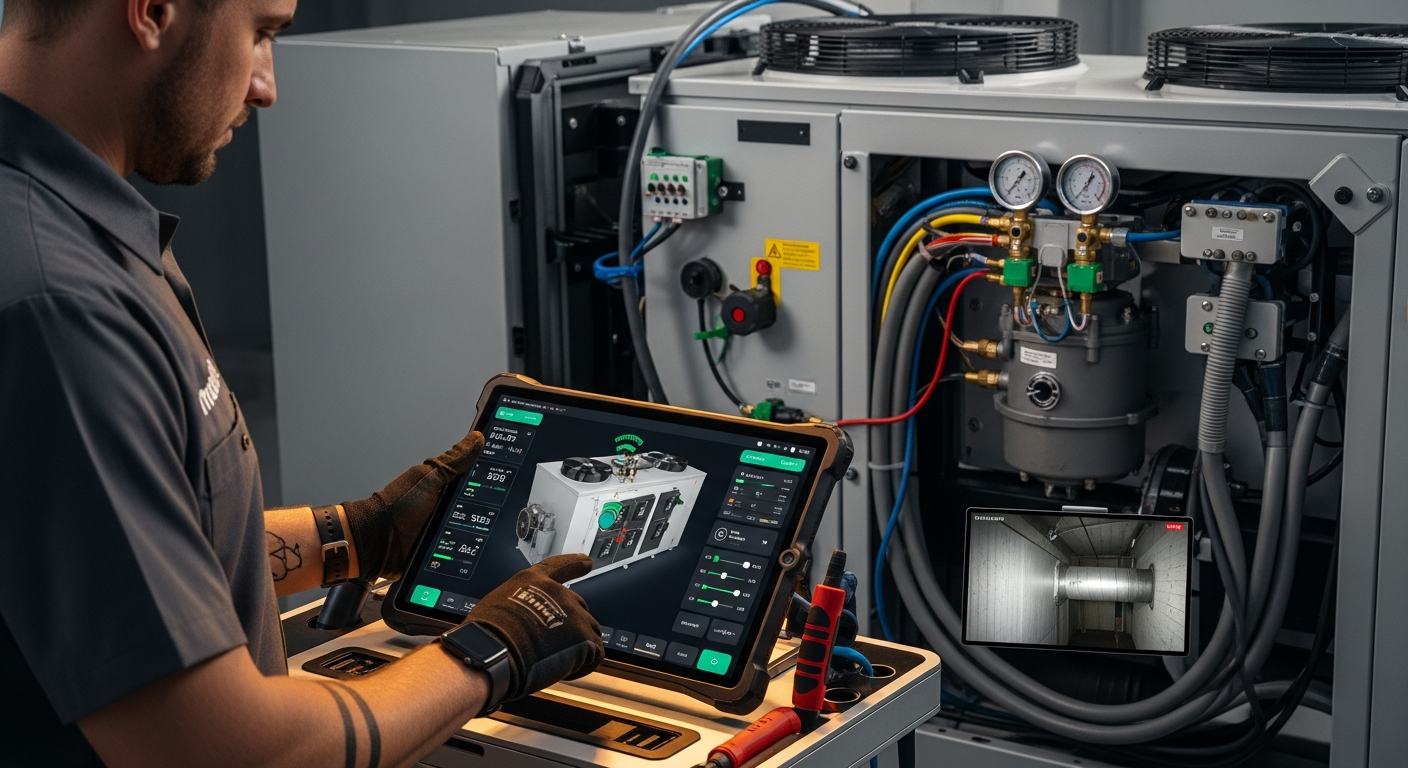
Radiant floor heating is a premium comfort upgrade, best installed by qualified professionals for whole-home projects.
For most homeowners, the safest and most cost-effective path is to hire a licensed HVAC or radiant specialist for hydronic systems, while DIY electric mat install in small rooms can be feasible with electrical knowledge.
What Matters Most
- Radiant heat offers superior comfort but higher upfront cost.
- Hydronic is most efficient for large areas; electric works for spot heating.
- Always test and verify before covering the heating elements.
- Get multiple quotes and check contractor credentials.
- Use available rebates to offset installation cost.
Strengths
- Even, quiet heat distribution
- Lower operating costs over time with condensing boiler
- No visible equipment or ductwork
- Zoning capability for energy savings
Weaknesses
- High installation cost, especially in retrofits
- Slow response time compared to forced air
- Difficult and costly repairs if failure occurs under finished floor
- Not compatible with all floor coverings
- Requires careful design to avoid overheating
Decision summary
| Scenario | Usually do | Why |
|---|---|---|
| New construction, cold climate, large home | Install hydronic radiant with condensing boiler | Lowest operating cost, highest comfort, long-term value. |
| Remodeling a small bathroom | Install electric radiant mat under tile | Low upfront cost, quick install, perfect for toasty floors. |
Quick Answer: Should You Install Radiant Floor Heating?
Radiant floor heating provides consistent, silent warmth with no duct losses, but it's a major project. For whole-home new construction or gut renovation, hydronic systems offer lower operating costs. For a single room remodel, electric mats are simpler and cheaper upfront. DIY installation is possible for electric mats over existing subfloor if you're comfortable with electrical work, but hydronic systems and any boiler integration should be left to licensed pros. Always get multiple quotes and use our HVAC cost estimator to set a realistic budget.
How Radiant Floor Heating Works and Your Options
Radiant heating warms the floor directly, so heat rises evenly through the room. There are two types:
- Electric radiant: Cables or mats that heat when electricity flows through. Best for small areas like bathrooms or kitchens.
- Hydronic radiant: PEX tubing that circulates warm water from a boiler or water heater. Ideal for whole-house heating, especially in cold climates.
| Feature | Electric Radiant (Mats/Cables) | Hydronic Radiant (PEX Tubing) |
|---|---|---|
| Best for | Small rooms, retrofits, bathrooms, kitchens | Whole-house, new construction, large open areas |
| Installation difficulty | Moderate; DIY possible with electrical experience | Complex; requires plumbing and boiler work—pro only |
| Initial cost per sq. ft. | $8–$15 installed (material + labor) | $10–$20 installed; more if boiler needed |
| Operating cost | Higher utility rates in most regions | Lowest long-term cost with efficient boiler or water heater |
| Floor height increase | ~1/4 inch | ~1–2 inches, depending on subfloor prep |
Editorial note: These cost ranges are estimated, not guaranteed. Use our HVAC cost estimator to get personalized ballparks.
Safety Boundaries: What Homeowners Can and Cannot Do
Safe homeowner checks: Verify subfloor condition, assess insulation needs, plan layout to avoid permanent fixtures, test electrical continuity on mats (with a multimeter, following manufacturer instructions), and install thermostat wiring if low-voltage. Pro-only work: Any high-voltage circuit installation, connecting the system to a dedicated breaker, boiler modification or fuel/gas connections, pressure testing hydronic loops, and installing the final flooring over the heating elements if you're not experienced with thin-set and leveling compounds. Attempting sealed plumbing or gas work carries risk of leaks, fire, or carbon monoxide.
Step-by-Step Decision Tree for Homeowners
Answer these questions to see if radiant heating is right for you and whether to DIY or hire a pro.
- Is this a new build or major renovation? If yes, consider hydronic. If it's a single room remodel, electric may be better.
- Do you have access to natural gas or a high-efficiency boiler? If yes, hydronic operating costs will likely beat electric. If not, electric may be your only option.
- Are you comfortable with electrical wiring and local codes? If installing electric mats, you may DIY if you can install a dedicated circuit to code. Otherwise hire a licensed electrician.
- Do you need a new boiler or water heater? If yes, budget an additional $3,000–$8,000+ and hire a professional HVAC contractor.
Contractor Checklist: Questions to Ask Before You Approve the Work
When you've decided to hire out the installation, use this list to vet contractors:
- Are you licensed and insured for HVAC and/or electrical work in my state?
- Can you provide three recent references for radiant floor installations similar to mine?
- Will you handle all permits and inspections?
- Do you design the layout and tubing spacing, or do you rely on the manufacturer's guidelines?
- What is included in your quote? (Materials, subfloor prep, insulation, flooring, thermostat, startup?)
- What warranty do you provide on labor, and what are the manufacturer warranties on parts?
- How will you test the system before covering it, and can I observe the test?
- Will you provide a detailed load calculation to size the system correctly?
- Do you have experience with the type of finished floor I want (tile, wood, vinyl, etc.)?
- What is your plan if the system malfunctions under the finished floor?
Local Market Considerations
Radiant heating makes sense in different climates:
- Cold climates (e.g., Chicago, Minneapolis): Hydronic systems paired with a condensing boiler can be the most comfortable and efficient whole-home solution. Ensure the subfloor insulation exceeds code minimums. Use our BTU calculator to size your heat loss.
- Hot, humid climates (e.g., Houston, Miami): Radiant heating may be overkill except for spot comfort. Consider electric mats in bathrooms for toasty toes without oversizing your HVAC.
- Coastal/moist regions: Ensure flood-proofing and vapor barriers are correctly installed to protect heating elements.
- Older homes: Subfloor structural upgrades may be needed. Check joist loading capacity before adding mass. Use our repair or replace calculator to compare upgrading your existing heating system vs. installing radiant.
Tools from HVACDatabase to Plan Your Project
- HVAC Cost Estimator: Get a customized price range for your project based on your zip code and system type.
- Quote Checker: Upload contractor quotes and see if they’re fair.
- BTU Calculator: Determine how much heat you really need to avoid oversizing.
- Rebate Finder: Find local and federal incentives for energy-efficient heating systems.
- System Age Decoder: Check if your existing boiler or water heater is due for replacement before tying it to radiant.
Methodology: How We Formed These Recommendations
We synthesize manufacturer guidelines, ASHRAE design principles, and aggregated cost data from HVAC contractors and industry reports. Cost ranges are editorial estimates based on typical U.S. markets as of 2025 and are not guaranteed. Always get multiple quotes and verify local code requirements. We do not provide detailed installation instructions for tasks that involve dangerous systems, instead focusing on safe homeowner planning and contractor vetting.
Frequently Asked Questions
Can I install radiant floor heating over an existing concrete slab?
Yes, but you'll need a thermal break or insulation to prevent heat loss downward. Thin electric mats are common for this scenario, while hydronic may require raising the floor. Always test the slab for moisture before covering.
How long does the installation take?
For a single room with electric mats, 1–2 days once prep is done. A whole-house hydronic system in new construction adds about 2–5 days to the framing/plumbing schedule, not including waiting for concrete curing or mortar drying.
Is radiant heating compatible with all floor coverings?
Most tile, stone, polished concrete, engineered wood, and luxury vinyl plank work well. Solid hardwood can warp with temperature changes; manufacturers often advise against it. Check the material's maximum allowed temperature and R-value. Carpet and pad insulate too much, reducing efficiency.
How much can I save on energy bills?
Radiant systems typically use less energy than forced air because they avoid duct losses and can run at lower water temperatures with a condensing boiler. Savings of 15–30% on heating bills are common in well-insulated homes, but actual savings depend on fuel rates and usage patterns.
What maintenance does a radiant floor system require?
Hydronic systems need annual boiler service (similar to a furnace tune-up), and checking the pressure gauge and circulation pump. Electric systems have no moving parts; only the thermostat sensor may need battery changes. No other routine maintenance is needed, but repairability is difficult if cables fail under the floor, so a careful installation and warranty are critical.
Related articles
Connect this page to adjacent guides so readers keep moving deeper into the topic cluster.
How to Implement a Whole Home Energy Management System
Integrate smart tech and HVAC controls to cut energy waste. This guide shows how to audit, upgrade, and automate your home's energy use, with real savings estimates.

How to Set Up Thermostat Geofencing
Set up thermostat geofencing to automatically adjust home temperature as you come and go. Save energy, extend equipment life, and never return to an uncomfortable house. Get our quick-start guide now.
How to Troubleshoot Smart Thermostat WiFi Issues
Your smart thermostat offline? Most WiFi drops can be fixed with power checks, router adjustments, and simple restarts. Follow our step-by-step guide to regain remote control and energy savings.