How Smart Home Sensors Prevent HVAC Emergencies
Discover how modern smart home sensors protect your property by detecting HVAC issues like leaks and clogs before they turn into expensive repairs.

The Rise of Proactive HVAC Protection
Homeownership often feels like a series of unexpected repairs. Among the most stressful are HVAC failures, which usually happen at the peak of summer or the dead of winter.
Fortunately, technology is changing how we maintain our homes. Smart sensors are no longer just luxury gadgets; they are essential tools for preventing catastrophic damage and expensive emergency calls.
By integrating these devices into your home, you can shift from reactive repairs to proactive maintenance. If you are looking for an expert to help with installation, you can find trusted professionals on HVACDatabase.com.
How Smart Water Leak Detectors Save Your Ceiling
One of the most common HVAC emergencies is a clogged condensate drain line. When the line blocks, water backs up into the drain pan and eventually overflows.
A smart leak detector placed in the secondary drain pan or near the furnace can alert your phone the second moisture is detected. This prevents water from rotting your subfloor or collapsing a ceiling below an attic-mounted unit.
These sensors are particularly vital for protecting vulnerable populations. For more safety advice, see our tips for protecting seniors during HVAC emergencies.
Automatic Shut-off Valves
Some advanced sensors can even communicate directly with your HVAC system or a smart water valve. If a leak is detected, they can automatically shut down the system or the main water line to stop the flow immediately.
Monitoring Indoor Air Quality and Safety
Smart sensors do more than just look for water. They monitor the very air you breathe to ensure your furnace or air conditioner is operating safely.
Carbon monoxide (CO) is a silent killer that can result from cracked heat exchangers. Smart CO detectors provide real-time alerts to your smartphone, ensuring you are notified even if you aren't home to hear the alarm.
Proper placement of these devices is critical for accuracy. Consult our carbon-monoxide detector placement guide to ensure your family is protected.
Identifying Flame Issues
In some cases, mechanical failures can cause dangerous combustion problems. Understanding what causes a furnace flame rollout can help you appreciate why modern heat and smoke sensors are vital additions to your mechanical room.
Smart Thermostats: The Brain of the System
While often viewed as simple temperature controllers, smart thermostats act as a diagnostic hub for your entire HVAC system. They track runtime patterns and can identify when a system is struggling.
- Short Cycling Alerts: If your system turns on and off too frequently, the thermostat can alert you to a potential problem.
- Filter Reminders: Many apps calculate actual usage rather than just time, telling you exactly when to change filters to prevent airflow restriction.
- Extreme Temperature Notifications: If your home temperature drops below a certain threshold, you'll know your heater has failed before your pipes freeze.
For those living in smaller environments, these smart controls are becoming standard. Check out HVAC innovations for tiny homes to see how compact tech is making a big impact.
Ensuring Power Consistency
Even the smartest sensors won't work without power. In areas prone to outages, homeowners must decide how to keep their safety systems online.
Many homeowners are now choosing between a generator vs battery backup for HVAC systems to ensure their sensors and controls stay active during storms.
As weather patterns become more unpredictable, these backups are essential. This is part of how HVAC design is adapting to extreme weather events to keep modern homes resilient.
The Benefit of Virtual Consultations
If your sensors trigger an alert, you don't always need an immediate on-site visit. Many contractors now offer remote troubleshooting.
Learn how HVAC companies are using virtual consultations to diagnose sensor alerts and determine if an emergency technician is actually required.
Summary of Must-Have Sensors
- Smart Drain Pan Sensors: To prevent water damage from clogs.
- Wi-Fi Carbon Monoxide Detectors: For 24/7 safety monitoring.
- Smart Thermostats: To track system health and efficiency.
- Ambient Temperature Sensors: To monitor specific rooms for hot or cold spots.
By investing in these small devices, you can avoid the thousands of dollars in repairs that follow a major HVAC failure. If you're ready to upgrade your home's protection, find a qualified technician on HVACDatabase.com today to get started.
Related articles
Connect this page to adjacent guides so readers keep moving deeper into the topic cluster.
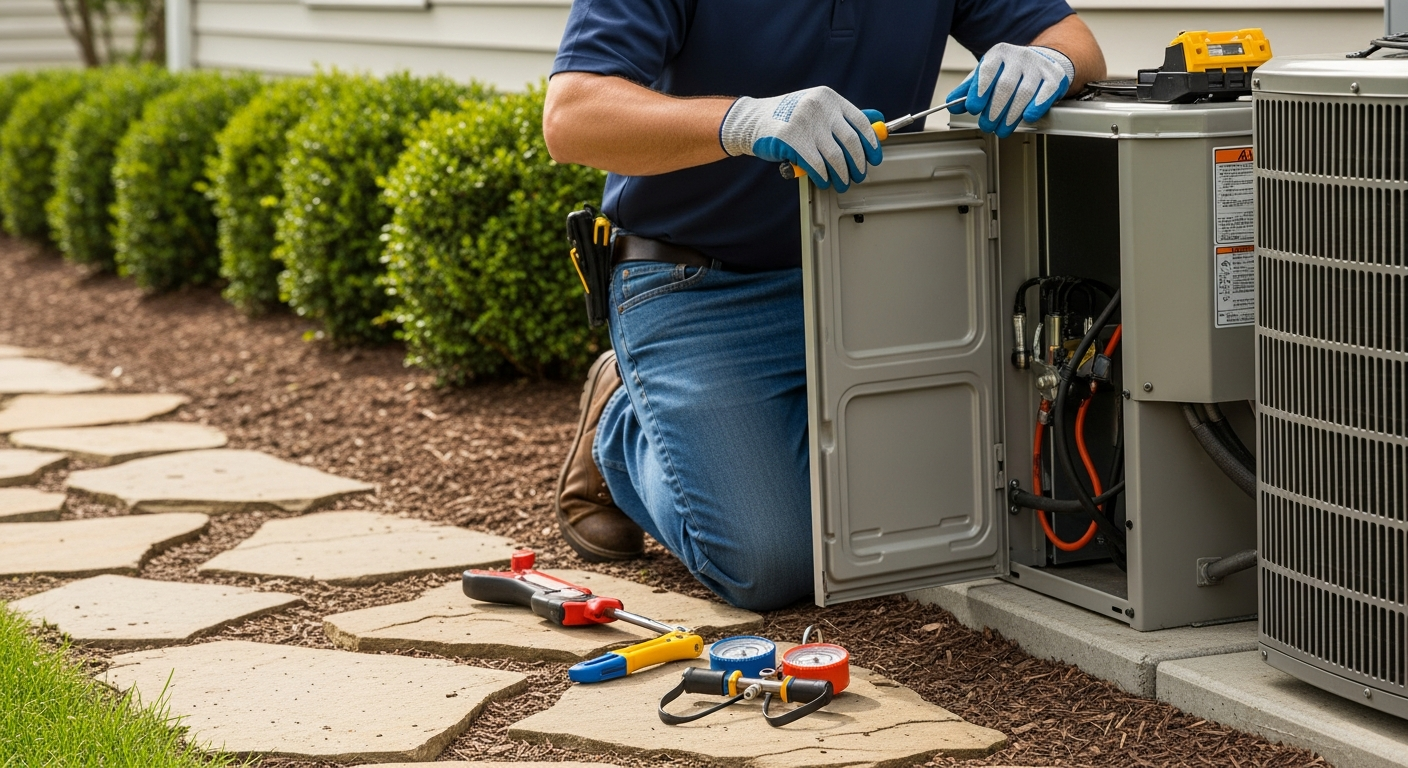
How HVAC Contractor Reviews Are Evolving Online
Discover how digital reviews for HVAC services are evolving beyond simple star ratings into detailed narratives that help homeowners make smarter hiring decisions.
Why Background Checks Matter for HVAC Contractors
Inviting a stranger into your home for HVAC repairs requires trust. Discover why background checks are essential for homeowner safety and service quality.
Tips for Reviewing HVAC Contractor Portfolios
Discover how to analyze HVAC contractor portfolios, verify technical expertise, and choose the right professional for your next installation or repair project.