How to Choose a Whole Home Humidifier
Select the right whole-home humidifier with our guide to types, sizing, and professional installation. Avoid dry air damage with a properly integrated system.

Choose a Bypass Humidifier for Most Homes, Upgrade to Steam for Demanding Conditions
A bypass whole-home humidifier offers the best balance of cost and performance for typical forced-air furnaces in homes up to 3,000 sq ft. For larger, leaky homes or heat-pump systems, a steam humidifier provides superior control and output.
What Matters Most
- Size correctly in GPD based on square footage and insulation.
- Professional installation is non-negotiable for safety and warranty.
- Automatic humidistats with outdoor sensors prevent condensation and mold.
- Maintain the unit by changing water panels annually (or more with hard water).
- Use HVACDatabase tools to estimate costs and find qualified contractors.
Strengths
- Cost-effective comfort: Bypass models keep installation costs low.
- Health benefits: Alleviates dry skin, respiratory issues, and protects wood.
- Integration: Works with existing forced-air systems.
- Scalability: Options for any home size.
Weaknesses
- Bypass models only work when furnace is heating.
- Steam units have high operating costs due to electricity.
- Hard water increases maintenance frequency and cost.
- Improper installation can cause water damage or mold.
Decision Summary
| Scenario | Usually do | Why |
|---|---|---|
| Tight budget, average home under 3K sq ft with furnace | Bypass humidifier | Lowest upfront and operating cost, sufficient output. |
| Large home over 3K sq ft or very leaky | Steam or high-output fan-powered | Needs high GPD and independent operation. |
| Heat pump without furnace | Steam humidifier | Works without hot air, precise control. |
| Hard water area | Bypass with frequent pad changes or steam with maintenance plan | All units need cleaning; bypass pads are cheap to replace. |
| Need humidity in all seasons | Steam humidifier | Can run year-round, independently of heating. |
Quick Answer
For most homes under 3,000 sq ft with a forced-air furnace, a bypass humidifier is the most cost effective choice. Larger homes, heat-pump systems, or those needing year-round humidity do better with fan-powered or steam models. Always have a professional size and install the unit—incorrect installation can cause water damage or mold.
Three Whole-Home Humidifier Types Compared
Whole-home humidifiers fall into three main designs, each with different costs, outputs, and limitations.
| Type | How It Works | Pros | Cons | Best For |
|---|---|---|---|---|
| Bypass | Uses furnace blower to push air through a water panel; requires a bypass duct. | Low cost, simple, reliable | Only runs when heating; needs extra duct space | Moderate climates, homes with forced-air furnaces |
| Fan-Powered | Internal fan pulls air across the panel; no bypass duct needed. | Higher moisture output; flexible installation | More expensive than bypass; uses more electricity | Larger homes, crawlspaces, limited duct options |
| Steam | Heats water to create steam injected directly into duct airflow. | Most precise control; works independently of heating; highest output | Highest install and operating cost; requires dedicated electrical | Very large or leaky homes, arid climates, museums, musical instruments |
Sizing: How Many Gallons Per Day Do You Need?
Humidifier capacity is rated in gallons per day (GPD). Use this quick sizing table:
| Home Size | Tight/Modern Construction | Average/Leaky Construction |
|---|---|---|
| Up to 1,500 sq ft | 10–12 GPD | 12–14 GPD |
| 1,500–3,000 sq ft | 12–18 GPD | 18–22 GPD |
| Over 3,000 sq ft | 18–25 GPD | 25+ GPD (steam strongly recommended) |
For precise sizing, use our BTU calculator to factor in heat loss, which correlates with humidification needs. Also check insulation levels with a professional energy audit.
Controls: Manual vs. Automatic Humidistats
Older manual humidistats require seasonal adjustment to prevent window condensation. Automatic digital controls with an outdoor sensor adjust humidity levels based on temperature, preventing frost and mold. Look for units with this feature—it pays for itself in comfort and safety.
Installation: What to Expect
Professional installation is not optional for most homeowners. It involves:
- Tapping into a cold water line (requires plumbing skills to avoid leaks)
- Cutting into sheet metal ducts (can cause air leaks if done improperly)
- Wiring to the furnace control board (low‑voltage, but critical for safety and function)
- Mounting the unit securely
Costs vary widely. Get three quotes and use our HVAC cost estimator to set a realistic budget. A typical bypass install might run $400–$800, while a steam system can reach $1,500–$3,000. These are editorial estimates, not guarantees.
Safety Boundaries: What You Can Check vs. Pro‑Only Work
Protect your home and warranty by staying within these boundaries:
Safe Homeowner Tasks
- Change the water panel/evaporative pad annually (or more in hard‑water areas).
- Check for visible water leaks around the unit and connections.
- Clean mineral deposits from accessible surfaces with vinegar (unit off).
- Adjust the humidistat settings according to outdoor temperature if using a manual model.
- Inspect the bypass damper (if present) and set it for the correct season.
Pro-Only Work
- Any electrical wiring, including connecting to the furnace control board.
- Cutting into ductwork or modifying the HVAC system.
- Tapping into water lines or installing a new water supply.
- Diagnosing or repairing internal components (solenoid valve, motor, heating element).
- Handling refrigerant, gas lines, or combustion appliances (not directly related to humidifiers, but never DIY these).
Decision Rules: Choosing the Right Type
Follow this decision tree to narrow your options:
- Do you have a forced‑air furnace? If no (e.g., boiler, radiant heat), only steam humidifiers can work independently; consult a professional about duct modifications.
- Is your home over 3,000 sq ft or very leaky? If yes, choose steam or high‑output fan‑powered (≥20 GPD).
- Do you need humidity even when heating isn’t running? (e.g., shoulder seasons, heat pump) → Steam humidifier is preferred.
- Is budget the primary concern? A bypass humidifier is the cheapest to install and operate, and works well for most average homes.
- Do you have hard water? All types suffer scale, but steam units can be more maintenance‑intensive. Consider a water softener or look for models with easy‑clean features.
- Is noise a concern? Fan‑powered units have a small fan that can be heard near the furnace; steam is very quiet. Bypass is silent except for air movement.
Contractor Questions Checklist
Before you approve a whole‑home humidifier installation, ask these questions:
- Are you licensed and insured for HVAC and plumbing work in my area?
- Can you provide a written estimate that breaks down equipment, labor, electrical, and plumbing costs?
- How will you handle my specific water quality? Do you recommend a filter or regular cleaning schedule?
- Will you connect the humidifier to the cold or hot water supply? (Cold is standard; hot may increase capacity but can waste energy.)
- What maintenance plan do you offer, and do you include the first year’s water panel replacement?
- How will you integrate the humidistat with my existing thermostat or smart home system?
- Can you provide references from similar homes in my climate zone?
- What warranty do you offer on labor and parts?
- Will you perform a post‑installation airflow test to ensure the humidified air is reaching all rooms?
Use our contractor comparison tool to evaluate multiple quotes side‑by‑side.
Local Climate Considerations
- Cold Northern Climates: Humidifiers are almost essential in winter. Automatic outdoor sensors are critical to prevent window condensation during sub‑zero temperatures.
- Hot, Humid Climates: You likely need a dehumidifier, not a humidifier. Installing a whole‑home humidifier may be unnecessary and could cause mold. Assess your indoor humidity levels first. Use our indoor air quality guide to understand your needs.
- Coastal Areas: Salt air can accelerate corrosion on metal components. Choose units with stainless‑steel or corrosion‑resistant parts.
- Older Homes: Drafty homes leak moisture quickly; oversize by 20–30% if you have known air leaks. Prioritize sealing and insulating first to reduce humidification load.
Tools to Help You Decide
Take advantage of these free HVACDatabase calculators:
- BTU Calculator – Determine heating load, which influences humidification needs.
- Cost Estimator – Get an editorial price range for humidifier installation in your area.
- Rebate Finder – Check for utility rebates on humidifiers or energy‑efficiency upgrades.
If your ducts are in poor condition, damp, or moldy, address that first: How to Clean HVAC Ductwork.
Methodology
Our recommendations are based on industry standards (ACCA Manual J for load calculations, ASHRAE guidelines), manufacturer data, and interviews with HVAC professionals across five climate zones. Cost ranges are editorial estimates derived from national surveys and third‑party data aggregators; actual prices vary by region, contractor, and project specifics. Always obtain three competitive bids and verify credentials before hiring.
Frequently Asked Questions
1. Can I install a whole-home humidifier myself?
We strongly advise against DIY installation. Beyond the safety risks of electrical work and water leaks, improper installation can void warranties, cause mold, or damage your furnace. The work requires plumbing, electrical, and sheet‑metal skills. Hire a licensed professional.
2. How often do I need to replace the water panel?
At minimum once per heating season. In areas with hard water, every 3–6 months is common. If you notice reduced humidity or visible mineral buildup, replace it sooner.
3. Will a whole-home humidifier save me money on heating bills?
Humid air feels warmer, so you may turn the thermostat down 2–3°F, saving up to 5% on heating costs. However, steam units use electricity, so net savings vary.
4. Can I use a whole-home humidifier with a heat pump?
Yes, but a bypass model may not work well because heat pumps often run at lower air temperatures. Fan‑powered or steam units are better; steam is the most compatible and effective.
5. What’s the risk of mold or mildew with these systems?
If correctly sized and maintained, the risk is low. Use an automatic humidistat to prevent over‑humidification. Inspect and clean the unit annually. Never exceed 45% relative humidity in cold weather to avoid condensation inside walls and attics.
Next Steps
Ready to get started? Find background‑checked humidifier installers in your area: Search Local HVAC Pros or browse cost guides: HVAC Cost Hub.
Related articles
Connect this page to adjacent guides so readers keep moving deeper into the topic cluster.
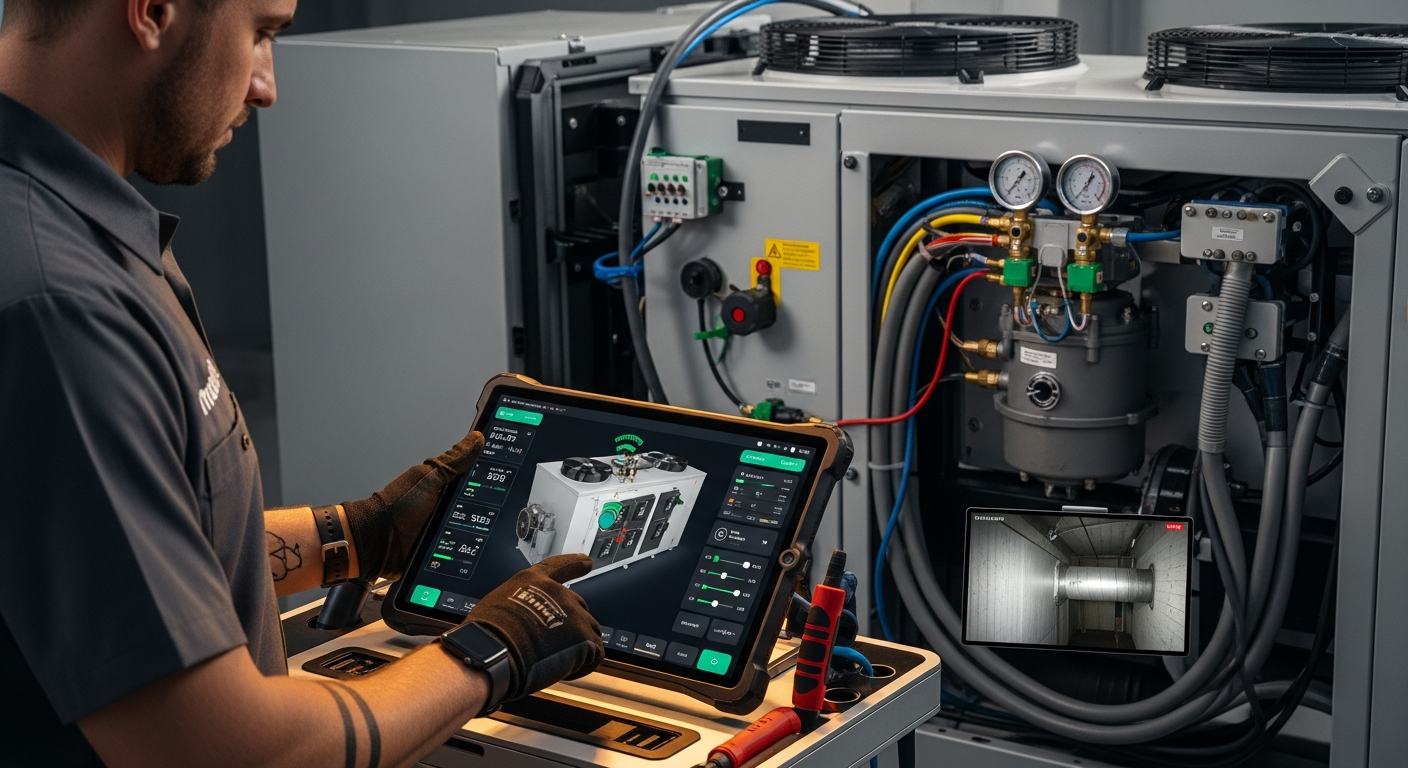
How to Implement a Whole Home Energy Management System
Integrate smart tech and HVAC controls to cut energy waste. This guide shows how to audit, upgrade, and automate your home's energy use, with real savings estimates.
How to Set Up Thermostat Geofencing
Set up thermostat geofencing to automatically adjust home temperature as you come and go. Save energy, extend equipment life, and never return to an uncomfortable house. Get our quick-start guide now.
How to Troubleshoot Smart Thermostat WiFi Issues
Your smart thermostat offline? Most WiFi drops can be fixed with power checks, router adjustments, and simple restarts. Follow our step-by-step guide to regain remote control and energy savings.