How to Choose Between HEPA and MERV Filters
Stop guessing in the filter aisle. Our guide cuts through confusion with a clear MERV vs HEPA decision table, real cost ranges, and safe DIY steps to breathe easier at home.

For 90% of homes, a MERV 11–13 pleated filter offers the best balance of clean air and HVAC safety
Reserve true HEPA for severe health needs with a professionally installed bypass system. Never force a HEPA filter into a standard slot.
What Matters Most
- Don't put a HEPA filter into a standard slot; it will damage your system.
- Check your HVAC manual for maximum MERV rating before upgrading.
- Use the Filter Finder and Cost Estimator tools for personalization.
- A static pressure test by a pro is cheap insurance before a big filter change.
- Climate and home age matter: hot, humid areas need extra care with high‑MERV filters.
Strengths
- Affordable and widely available
- Catches most allergens without major airflow penalty
- Maintains system efficiency when matched to manufacturer specs
- No duct modifications needed for standard replacement sizes
Weaknesses
- Not as effective as HEPA for sub‑micron particles like smoke and viruses
- Can still cause airflow issues in older or undersized ductwork if not verified
- May need more frequent replacement than lower MERV filters
- In extremely polluted areas, a bypass HEPA might be more appropriate
Decision summary
| Scenario | Usually do | Why |
|---|---|---|
| Standard home, no allergies | MERV 8 | Protects equipment; minimal airflow restriction |
| Pets, pollen, mild allergies | MERV 11 | Catches dander and mold spores without hurting efficiency |
| Smoke, asthma, strong allergies | MERV 13 (verify static pressure) | Removes most fine particles; may require media cabinet |
| Severe health needs, wildfire zones | Bypass HEPA system (pro install) | Medical-grade filtration; doesn't choke main HVAC |
| System older than 15 years | Stay within manufacturer max MERV | High resistance can push an aging blower over the edge |
Quick Answer
For most homeowners, a MERV 11 or MERV 13 pleated filter is the sweet spot — balancing effective particle removal with safe airflow. True HEPA filtration (99.97% at 0.3 microns) requires a dedicated bypass system because standard HVAC units can't overcome its air resistance. Don't shove a HEPA filter into your standard 1-inch slot; that risks burning out the blower motor or freezing the AC coil. Use our Filter Finder to see what fits your system.
How Filter Ratings Work
MERV (Minimum Efficiency Reporting Value) runs from 1 to 16 for residential filters. Each step up catches finer particles. HEPA (High Efficiency Particulate Arrestance) is not on the MERV scale but effectively exceeds MERV 16, trapping 99.97% of particles at 0.3 microns. Here's a practical breakdown:
| Filter Type | MERV Range | What It Catches | Airflow Effect | Cost per Filter* |
|---|---|---|---|---|
| Fiberglass | 1–4 | Large dust, lint | Very low | $2–$10 |
| Pleated MERV 8 | 8 | Pollen, dust mites, mold spores | Low | $10–$25 |
| Pleated MERV 11 | 11 | Pet dander, fine dust | Moderate | $15–$35 |
| Pleated MERV 13 | 13 | Smoke, bacteria, virus carriers | Noticeable | $20–$50 |
| True HEPA | 17+ (est.) | 99.97% at 0.3 μm | Extreme — bypass only | $50–$150+ (bypass system $500–$1,500 installed) |
*Editorial estimate ranges; not guaranteed. Prices depend on size, brand, and retailer.
Decision Tree: Pick Your Filter in 3 Minutes
- Standard dust, no allergies: Stick with MERV 8, especially if your system manual says maximum MERV 8.
- Pet dander, mild allergies, or pollen zone: Upgrade to MERV 11. Check Filter Finder for compatible sizes.
- Smoke, strong allergies, or asthma: Try MERV 13 — but first, have a pro measure static pressure. Some systems can handle it; others need a media cabinet upgrade.
- Severe allergy, immune issues, or wildfire smoke: Consider a whole‑home bypass HEPA system. This requires professional design and installation (typically $500–$1,500).
Golden rule: Never exceed the MERV rating listed in your HVAC equipment manual without a static pressure test.
Safety Boundaries
What you can do yourself
- Check your current filter size and MERV rating. Replace it with the same size and rating if it's dirty.
- Inspect for gaps around the filter slot that let air bypass. A cheap foam gasket can improve seal.
- Set a calendar reminder every 1–3 months to inspect and replace.
What should be left to a qualified technician
- Installing a filter with a higher MERV rating than the manufacturer's maximum.
- Forcing a HEPA filter into a standard 1-inch slot.
- Modifying ductwork or adding a bypass HEPA system — this involves cutting into return ducts and sometimes adding electrical connections.
- Measuring system static pressure to ensure safe airflow. A typical diagnostic visit costs $80–$200.
Cost Expectations
Here's what you might pay (editorial ranges):
- Standard MERV 8–13 replacement filters: $10–$50 at retail.
- Pro‑grade media cabinet (for 4‑inch MERV 13): $150–$400 installed.
- Bypass HEPA system: $500–$1,500 installed, depending on access and electrical needs.
- Static pressure test and airflow diagnosis: $100–$350.
Use our HVAC Cost Estimator to get a personalized price range for your area.
Tools to Help You Choose
- Filter Finder: Input your equipment to see recommended MERV levels and sizes. Go to Filter Finder
- Cost Estimator: Get an instant cost range for a filtration upgrade. Try Cost Estimator
- Repair or Replace Calculator: If your system is old and struggling, see if it's time for a new unit designed for high‑MERV filtration. Start Calculator
Local Market Factors
Your climate and home style affect filter choice:
- Hot, humid (Southeast, Gulf): Too much airflow restriction can cause AC coil freeze‑ups, leading to water damage and mold. A MERV 13 may be safer in a 4‑inch media cabinet.
- Cold (Midwest, Northeast): Furnace heat exchangers can overheat if airflow drops too low. Always verify temperature rise after changing filters.
- Coastal (salt air, high humidity): Use a filter with a tight seal; consider a MERV 11 with antimicrobial treatment to reduce mold.
- Older homes (before 1990): Ducts often leak; filter air may not reach the living space effectively. Seal ducts first, then upgrade filtration.
Contractor Checklist: What to Ask Before Upgrading
When interviewing pros, use these questions:
- What is my system's current static pressure, and what will it be with the proposed filter?
- Will the new filter void my equipment warranty?
- Do you recommend a media cabinet or a bypass HEPA? Can you show me the fan curve data?
- What's the total installed cost, including any electrical or duct modifications?
- How often should I replace this filter, and do you offer a maintenance plan?
- Are you licensed and insured? Can you provide references from similar homes?
Always get three quotes and use our Quote Checker to compare them side by side.
Frequently Asked Questions
Can I use a HEPA filter in my standard 1‑inch filter slot?
No. True HEPA filters are too dense; your blower motor will overwork and likely fail. That slot is designed for MERV 1–13 filters, not HEPA. If you need HEPA‑level filtration, install a bypass system.
What MERV rating is best for pet dander?
Pet dander ranges from 2.5 to 10 microns. MERV 11 captures most of it. If you have multiple pets or allergies, upgrade to MERV 13 after confirming your system can handle it.
How often should I replace my HVAC filter?
Check monthly. Replace fiberglass filters every 30 days, pleated MERV 8–11 every 90 days, and MERV 13 every 2–3 months. Homes with pets, construction, or wildfire smoke may need more frequent changes.
Is a MERV 13 filter as good as HEPA?
No. MERV 13 captures about 85% of particles between 0.3–1 micron, while HEPA captures 99.97%. For most allergy sufferers, MERV 13 is sufficient, but HEPA is the medical gold standard.
Do I need a professional to upgrade my filter?
If you stay within your equipment's maximum MERV rating and use the same size, you can change it yourself. If moving to a higher MERV or HEPA, have a pro measure static pressure first. Bypass HEPA systems always require professional installation.
Methodology
Our filter guidance is based on ASHRAE Standard 52.2 test data, manufacturer fan performance curves, and real‑world feedback from our nationwide network of HVAC contractors. Cost ranges are editorial estimates derived from aggregated contractor quotes, retail price monitoring, and regional adjustment factors. We do not accept payment for direct product endorsements. Always consult your equipment manual and a local NATE‑certified technician for your specific situation. Find vetted contractors in your area.
Related articles
Connect this page to adjacent guides so readers keep moving deeper into the topic cluster.
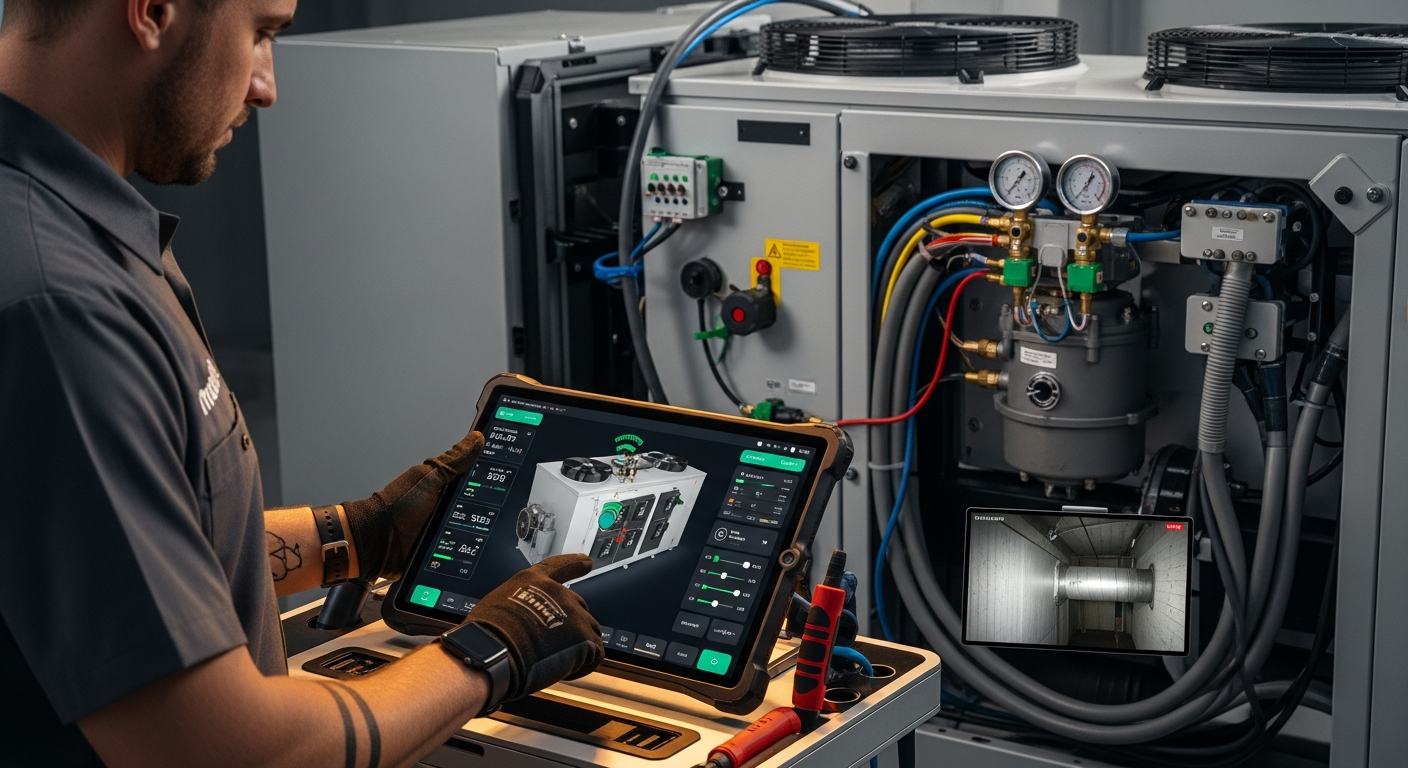
How to Implement a Whole Home Energy Management System
Integrate smart tech and HVAC controls to cut energy waste. This guide shows how to audit, upgrade, and automate your home's energy use, with real savings estimates.
How to Set Up Thermostat Geofencing
Set up thermostat geofencing to automatically adjust home temperature as you come and go. Save energy, extend equipment life, and never return to an uncomfortable house. Get our quick-start guide now.
How to Troubleshoot Smart Thermostat WiFi Issues
Your smart thermostat offline? Most WiFi drops can be fixed with power checks, router adjustments, and simple restarts. Follow our step-by-step guide to regain remote control and energy savings.