How to Clean Your AC Condensate Drain Pan
Learn to safely clean your air conditioner's condensate drain pan to prevent leaks and mold. Our guide includes DIY steps, cost comparisons, and pro hiring tips.
Clean Your Drain Pan Regularly, But Know When to Call a Pro
Most homeowners can safely clean the drain pan and flush the line with vinegar. However, if you encounter electrical issues, refrigerant leaks, or recurring overflows, stop and hire a qualified HVAC technician.
What Matters Most
- Check your drain pan monthly in peak cooling season
- Use vinegar, not bleach, to prevent corrosion
- A wet/dry vac and soapy water handle most cleanings
- Schedule a pro visit if water damage or persistent clogs occur
- Regular maintenance prevents $1,000+ water damage repairs
Strengths
- Low-cost DIY task with common household items
- Quick improvement in indoor air quality
- Prevents expensive water damage when done regularly
Weaknesses
- Cleaning won't fix cracked pans or pump failures
- Deep clogs require professional tools
- Risk of electrical shock if power is not fully disengaged
- Incorrect reassembly could cause leaks
DIY vs. Pro: Choosing Your Approach
| Scenario | Usually do | Why |
|---|---|---|
| Minor sludge, no odors | DIY with vinegar and brush | Simple cleaning removes buildup before it clogs |
| Standing water and musty smell | DIY cleaning + flush, then monitor | Vinegar kills mold; if smell persists, call pro |
| Water damage or unit shuts off | Call pro immediately | Float switch likely triggered; may need pump or line clearing |
| Cracked pan or recurring clogs | Hire licensed technician | Pan replacement or mechanical faults require expert tools |
Why Your AC Drain Pan Needs Attention
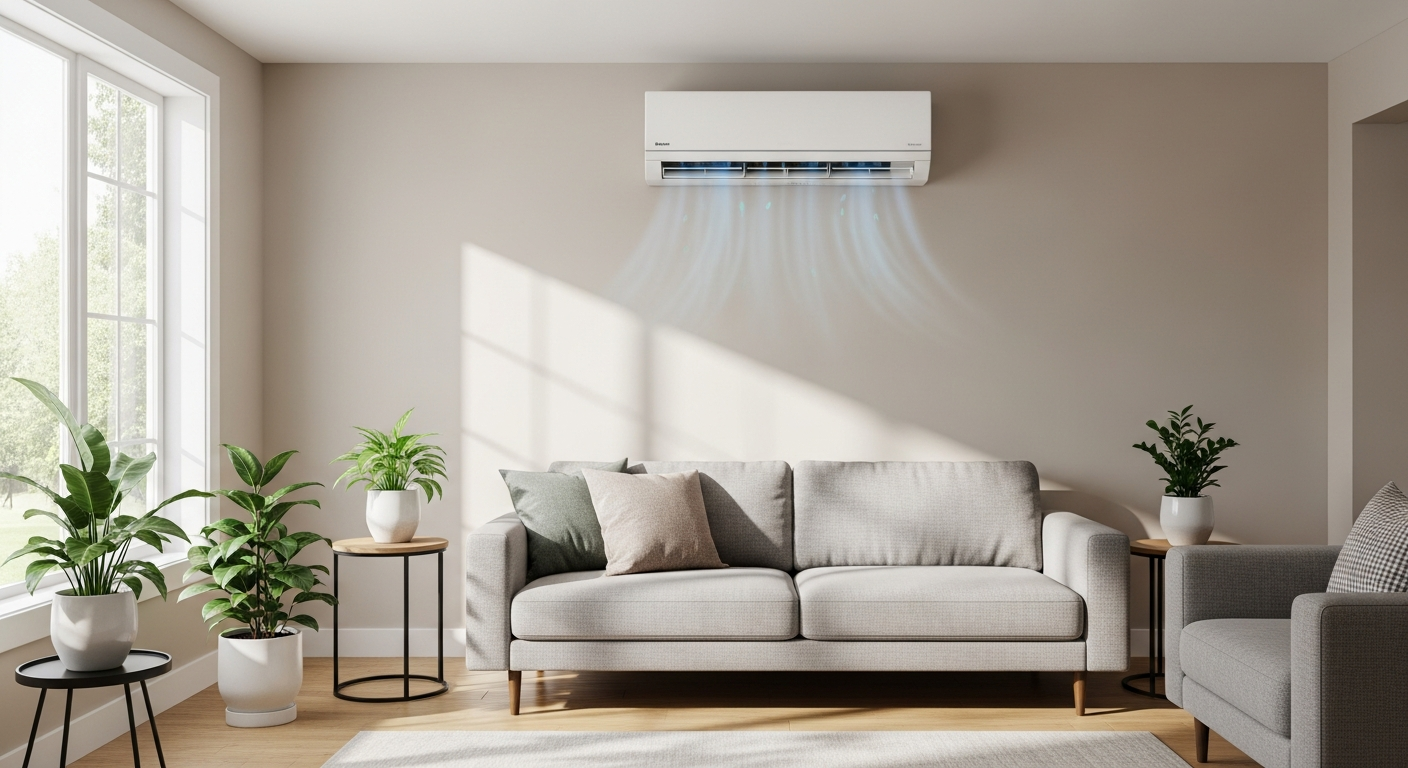
Your AC removes gallons of humidity daily, and that water collects in a drain pan. Without regular cleaning, sludge and mold thrive, leading to clogs and potential overflow that damages ceilings, walls, and floors. A clogged drain is one of the most preventable AC failures.
Quick Answer
Cleaning your AC condensate drain pan is a safe DIY task if you turn off power completely. Steps: 1) Shut off the system at the thermostat and breaker, 2) Remove standing water with a wet/dry vacuum, 3) Scrub the pan with warm soapy water, 4) Flush the drain line with distilled white vinegar, and 5) Restore power and check for proper drainage. Do this every 1–3 months in cooling season.
Safety Boundaries: What Homeowners Can and Cannot Do
Safe DIY Tasks: Cleaning the accessible drain pan, flushing the drain line with vinegar or water, checking for debris, replacing the air filter, and inspecting the emergency float switch (without bypassing it). Always turn off power at the breaker and thermostat before opening the unit.
Leave to Professionals: Any work involving refrigerant, gas lines, high-voltage electrical components (capacitors, contactors, control boards), compressor, or combustion parts. If you suspect a refrigerant leak, electrical fault, or cracked heat exchanger, stop and call a licensed HVAC contractor.
If the drain pan is inaccessible or you're uncomfortable working near the indoor coil, find a qualified pro through our contractor search.
What You'll Need
- Wet/dry vacuum (Shop-Vac)
- Distilled white vinegar or enzyme-based HVAC pan cleaner
- Warm water and mild dish soap
- Soft-bristle brush or clean cloth
- Protective gloves and flashlight
Step-by-Step Cleaning Guide
- Turn Off Power: Switch off the AC at the thermostat and flip the circuit breaker or indoor disconnect. Verify the blower is off.
- Locate the Pan: Most systems have a primary pan directly under the evaporator coil and an emergency pan below the unit. Remove the access panel; consult your manual if unsure.
- Remove Standing Water: Use the wet/dry vacuum to suction out all water. This reveals the sludge layer.
- Scrub the Pan: Mix warm water and a few drops of dish soap. Gently scrub the pan surfaces, especially corners and the drain outlet. Rinse with clean water.
- Flush the Drain Line: Pour 1-2 cups of vinegar down the drain opening. Let it sit for 30 minutes, then flush with water. This kills algae and loosens clogs.
- Optional: Use Condensate Tablets: Place a slow-dissolving pan treatment tablet in the pan to prevent future growth.
- Reassemble and Restore Power: Reattach the access panel, turn on the breaker, and set the thermostat to cooling. Verify water drips into the drain.
If you encounter a stubborn clog, see our guide on AC troubleshooting for related symptoms.
Decision Tree: DIY Cleaning or Pro Visit?
Use these thresholds to decide your next step:
| Symptom | What It Often Means | Usually Do | Why |
|---|---|---|---|
| Small amount of sludge, no odor | Normal seasonal buildup | DIY clean with vinegar | Preventive; low effort, high reward |
| Standing water, musty smell | Active mold; minor clog | DIY clean + flush, monitor | Vinegar kills mold; if returns, clog deeper |
| Water leaking onto floor or ceiling | Overflow from primary pan | Call pro | Water damage risk; may need pump or line clearing |
| AC shuts off repeatedly | Float switch activated | Call pro | Electrical safety; deep clog or pump failure likely |
When in doubt, use this rule of thumb
If cleaning doesn't solve the issue within 24 hours, or if you see any electrical or refrigerant concerns, stop and call a pro. The cost of a service call ($80–$200) is minor compared to water damage repairs that can exceed $2,000.
Cost Comparison: DIY vs. Professional Service
| Approach | Typical Cost | Best For |
|---|---|---|
| DIY vinegar flush | $0–$5 | Minor slime and prevention |
| Professional drain line flush | $80–$250 (part of maintenance visit) | Stubborn clogs, peace of mind |
| Pan replacement | $200–$600 | Cracked or rusted pan |
| Annual maintenance plan | $150–$500/year | Multiple check-ups, priority service |
Editorial estimates based on typical U.S. pricing; actual costs vary by region, access, and system type.
Tools to Help You Decide
Not sure if it's time for a bigger repair? Use our calculators to weigh options:
- Repair or Replace Calculator — if your AC is aging and repeatedly clogging
- HVAC Cost Estimator — get a rough idea of repair vs. replacement costs
- Rebate Finder — see if upgrading to a more efficient unit qualifies for incentives
Contractor Checklist: Questions to Ask Before Hiring
When you need a pro, use these questions to vet them:
- Are you licensed and insured in my state? Can I see proof?
- Do you specialize in AC drain issues, and what is your experience with my unit type?
- Will you provide a written estimate that includes parts and labor?
- Does the quote include a drain line flush, pan cleaning, and float switch check?
- What is your warranty on the work (minimum 30 days)?
- Do you offer an annual maintenance plan, and what does it cover?
Search our vetted directory at HVACDatabase.com/search to compare contractors in your area.
Regional Tips for Your Climate
Your location affects how often you need to clean:
- Hot and Humid (Southeast, Gulf Coast): Check monthly; humidity breeds mold fast. Consider a condensate pump with a safety switch.
- Hot and Dry (Southwest): Dust can combine with moisture to form sludge. Clean every 2–3 months.
- Cold Climates: During off-season, pour a cup of vinegar into the drain before shutting down to prevent algae from drying and hardening.
- Coastal Areas: Salt air accelerates corrosion. Inspect metal pans yearly for rust.
- Older Homes: Drain lines may be narrower and more prone to clogs. Consider a professional hydro-jetting every 2 years.
Methodology: How We Develop Our Recommendations
Our guidance is based on industry-standard HVAC practices, manufacturer maintenance guidelines, and aggregated service data from thousands of jobs booked through HVACDatabase.com. Cost ranges are editorial estimates reflecting national averages; actual prices depend on local labor rates, equipment specifics, and job complexity.
Frequently Asked Questions
How often should I clean my AC condensate drain pan?
Check every 1–3 months during cooling season. In humid regions or if you have pets (dander), monthly checks are best. If your unit runs year-round, clean quarterly.
Can I use bleach instead of vinegar?
No. Bleach can corrode metal drain pans and PVC pipes, and its fumes can circulate indoors. Use distilled white vinegar or an enzyme-based cleaner specifically made for HVAC drains.
What if the drain pan is cracked or rusted?
Replacement is necessary to prevent leaks. This typically requires a technician to lift the evaporator coil. Costs range from $200 to $600 depending on access and pan material.
Why does my AC keep overflowing even after cleaning?
Possible causes: a deep clog further down the drain line, a failed condensate pump, or the unit is not level. A pro can flush with high-pressure nitrogen or replace the pump.
Is it normal for some water to remain in the drain pan?
Yes, primary pans often have residual moisture. The emergency overflow pan should always be dry. If the primary pan is consistently full without draining, you have a blockage.
Regular drain pan maintenance protects your home and improves air quality. For more DIY tips, see How to Clean Your AC Condenser Coils and Prepare Your AC for Summer.
Related articles
Connect this page to adjacent guides so readers keep moving deeper into the topic cluster.
How to Implement a Whole Home Energy Management System
Integrate smart tech and HVAC controls to cut energy waste. This guide shows how to audit, upgrade, and automate your home's energy use, with real savings estimates.

How to Set Up Thermostat Geofencing
Set up thermostat geofencing to automatically adjust home temperature as you come and go. Save energy, extend equipment life, and never return to an uncomfortable house. Get our quick-start guide now.
How to Troubleshoot Smart Thermostat WiFi Issues
Your smart thermostat offline? Most WiFi drops can be fixed with power checks, router adjustments, and simple restarts. Follow our step-by-step guide to regain remote control and energy savings.