How to Create an HVAC Maintenance Schedule
A smart HVAC maintenance schedule saves you money and prevents emergencies. Use our seasonal checklist, cost estimates, and decision tools to keep your system running efficiently all year.
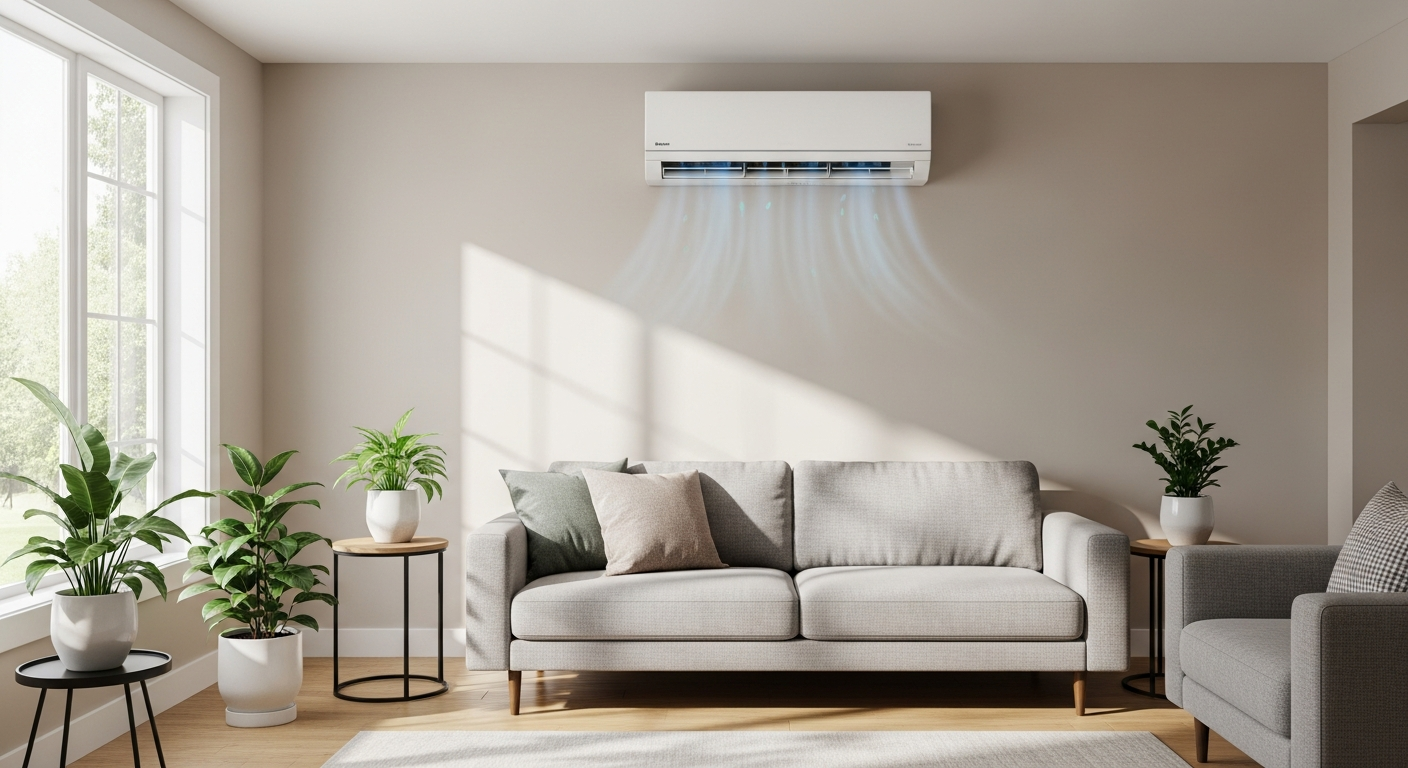
Structured maintenance prevents breakdowns and saves money
Homeowners who follow a seasonal HVAC maintenance schedule see 5-15% lower energy bills, fewer emergency repairs, and longer system life. Our checklist balances DIY tasks with professional expertise to maximize reliability.
What Matters Most
- Change filters every 1-3 months to maintain airflow and indoor air quality.
- Schedule professional inspections twice a year—spring for AC, fall for heating.
- Seal duct leaks and clear outdoor units to improve efficiency and prevent overwork.
- Use decision tools to know when to repair or replace, and always vet contractors with our checklist.
- Adapt maintenance for your climate: humid areas need drain attention, cold climates need furnace safety checks.
Strengths
- Balances DIY and pro tasks appropriately.
- Provides clear, actionable thresholds for when to call a pro.
- Includes cost ranges to help budget for maintenance.
- Adapts guidance for regional climate challenges.
- Links to useful tools for maintenance reminders and cost estimates.
Weaknesses
- Some tasks (e.g., duct sealing) may require attic or crawlspace access, which can be physically demanding.
- Professional maintenance costs vary widely; our ranges are estimates only.
- Does not cover every system type; always refer to your owner's manual.
Maintenance Decision Summary
| Scenario | Usually do | Why |
|---|---|---|
| Filter looks dirty or it's been 90 days | Replace it yourself | Keeps airflow and efficiency high; cost as low as $5–20 per filter. |
| Outdoor unit has debris within 2 feet | Clear it yourself | Prevents overheating and compressor strain. |
| Thermostat doesn't reach set temp within 15 minutes | Call a technician | Could indicate low refrigerant, faulty sensor, or system issue. |
| Noises like banging or screeching | Call a technician | Likely a mechanical problem that won't self-resolve. |
| System over 10 years and needs repair over $1,500 | Consider replacement with our repair-or-replace calculator | Newer units are more efficient and may have rebates; investing in old systems can be a money pit. |
Why an HVAC Maintenance Schedule Matters
Your HVAC system is a major investment. Without routine care, efficiency drops, utility bills rise, and breakdowns become more likely. A seasonal maintenance schedule keeps your system healthy, preserves warranties, and helps you spot small issues before they become expensive repairs. Use our checklist to balance simple DIY tasks with professional expertise, and you'll enjoy consistent comfort year-round.
Quick Answer: HVAC Maintenance Schedule at a Glance
Monthly: Check and replace air filters, clear debris around outdoor unit. Spring: Test AC, flush condensate drain, schedule professional AC tune-up. Fall: Inspect heat exchanger (pro needed for gas furnace), seal duct leaks, schedule professional heating tune-up. As needed: Monitor thermostat accuracy, unusual noises, or energy spikes.
| Season | Task | Who Does It | Why It Matters |
|---|---|---|---|
| Monthly | Check/replace air filter | Homeowner | Prevents airflow blockage, reduces strain |
| Monthly | Clear debris around outdoor unit | Homeowner | Ensures proper heat dissipation |
| Spring | Test thermostat in cooling mode | Homeowner | Verifies system readiness before heat |
| Spring | Flush condensate drain line | Homeowner | Prevents water damage and mold |
| Spring | Professional AC maintenance | Licensed technician | Checks refrigerant, electrical, coils |
| Fall | Inspect heat exchanger (gas furnace) | Licensed technician | Safety check for carbon monoxide leaks |
| Fall | Seal visible duct leaks | Homeowner | Improves efficiency, comfort |
| Fall | Professional heating maintenance | Licensed technician | Cleans burners, checks ignition, safety |
Safety Boundaries: What You Can and Cannot Do
While many maintenance tasks are safe for homeowners, some require a licensed professional to avoid injury, code violations, or equipment damage.
- Safe for homeowners: Replacing air filters, cleaning debris from outdoor unit, sealing duct leaks with mastic or foil tape, flushing condensate drain with vinegar, testing thermostat functions, checking for unusual noises or smells.
- Leave to professionals: Handling refrigerant, gas line work, electrical component replacement (capacitors, contactors, control boards), compressor work, heat exchanger inspection (gas furnaces), and any task that requires opening sealed system enclosures or bypassing safety switches.
If you suspect a refrigerant leak, gas smell, or electrical issue, turn off the system and call a qualified contractor through our contractor search.
Tools to Simplify Your Maintenance
Use HVACDatabase.com's free tools to stay on top of your schedule and make informed decisions:
- Maintenance Reminders — Get email or text alerts for filter changes and seasonal checkups.
- HVAC Cost Estimator — Understand typical costs for repairs and maintenance in your area. (Editorial estimate: $80–$250 per visit; annual plans $150–$500.)
- Repair or Replace Calculator — Crunch numbers when facing a major repair on an older system.
- How to Replace an AC Air Filter — Step-by-step visual guide.
Decision Tree: When to DIY vs. Call a Pro
Use these thresholds to decide your next move:
- Is the task on the “safe for homeowners” list above? → DIY, but turn off power first and follow instructions.
- Is the system more than 10 years old and repair exceeds $1,500? → Strongly consider replacement; use the repair-or-replace calculator.
- Do you notice burning smells, gas odor, or carbon monoxide alarm? → Evacuate and call emergency services and a licensed HVAC contractor.
- Is the outdoor unit making loud or unusual noises? → Call a pro; it could be a failing fan motor or compressor.
- Are energy bills suddenly spiking with no change in usage? → A pro can perform an efficiency audit and pinpoint issues like refrigerant loss or duct leaks.
Contractor Questions: Vetting Before You Hire
Before scheduling professional maintenance or repairs, ask these questions to ensure quality:
- Are you licensed and insured? (Request proof.)
- Can you provide a written estimate with a breakdown of labor and parts?
- Do you have experience with my system brand and model?
- Will you check and tighten all electrical connections and measure refrigerant levels?
- Do you offer a maintenance plan? What's included and what's the annual cost? (Compare with our contractor comparison tool.)
- What safety checks do you perform on gas heat exchangers?
- Can you document the work with photos and a report?
Regional Maintenance Tips
- Hot & Dry (Phoenix, AZ): Dust and dry air clog filters quickly—check monthly; condenser coils may need more frequent cleaning. Find Phoenix AC specialists.
- Humid & Coastal (Houston, Miami): Condensate drains and evaporator coils are prone to mold and algae; flush drains every 1–2 months in peak cooling. Salt air can corrode outdoor units; consider protective coatings.
- Cold & Snowy (Chicago, Minneapolis): Ensure outdoor units are covered or protected from ice buildup; have heat exchangers inspected annually for cracks. Find Chicago heating experts.
- Older Homes: Duct systems often leak 20-30%; sealing and insulating ducts is high-impact. Consider an energy audit to find hidden losses.
Methodology & Disclaimer
Our recommendations are based on industry best practices from ASHRAE, ENERGY STAR, and manufacturer guidelines. Cost ranges are editorial estimates derived from national survey data and contractor feedback, not guaranteed prices. Actual costs vary by location, system specifics, and market conditions. Always consult your owner's manual and a qualified professional for your specific equipment. We prioritize safety and do not advise homeowners to perform tasks involving refrigerants, gas, or high-voltage electricity.
Frequently Asked Questions
How often should I really change my HVAC filter?
Standard 1-inch filters should be checked monthly and replaced every 30–90 days. Homes with pets, allergies, or dusty environments may need more frequent changes. High-MERV or 4-inch media filters can last 6–12 months but still need regular inspection. A clogged filter can raise energy use by 5–15%.
What happens if I skip annual professional maintenance?
You risk voiding your manufacturer warranty, which often requires annual servicing. Efficiency can drop by up to 5% per year, and small issues (like a loose electrical connection) can turn into safety hazards or compressor failures. Professional inspections are especially critical for gas furnaces to prevent carbon monoxide leaks.
Can I do all HVAC maintenance myself?
No. Tasks involving refrigerants, gas combustion, heat exchanger inspections, and high-voltage electrical components must be handled by licensed, insured technicians. DIY attempts on these can be illegal, dangerous, and may damage the system. Stick to filter changes, cleaning, and visual checks.
How much does professional HVAC maintenance cost?
A single maintenance visit typically ranges from $80 to $250, depending on location and system type. Annual service plans covering two visits often cost $150–$500. Some plans include discounts on repairs. Use our cost estimator to get localized estimates.
When should I replace my HVAC system instead of repairing it?
Consider replacement if the system is over 10 years old, uses R-22 refrigerant (phased out), or needs a repair costing more than $1,500. Our repair-or-replace calculator factors in age, efficiency, and repair quotes to guide your decision.
Related articles
Connect this page to adjacent guides so readers keep moving deeper into the topic cluster.
How to Implement a Whole Home Energy Management System
Integrate smart tech and HVAC controls to cut energy waste. This guide shows how to audit, upgrade, and automate your home's energy use, with real savings estimates.

How to Set Up Thermostat Geofencing
Set up thermostat geofencing to automatically adjust home temperature as you come and go. Save energy, extend equipment life, and never return to an uncomfortable house. Get our quick-start guide now.
How to Troubleshoot Smart Thermostat WiFi Issues
Your smart thermostat offline? Most WiFi drops can be fixed with power checks, router adjustments, and simple restarts. Follow our step-by-step guide to regain remote control and energy savings.