How to Drain Your HVAC System for Winter
Essential winter prep: learn which HVAC components need draining, the danger signs of trapped water, and when to call a pro.

Drain exposed water lines before freeze risk peaks; hire a pro for boilers and complex systems.
For most forced-air setups, draining condensate lines is a safe DIY task with the right precautions. Boilers and hydronic systems demand professional service. Always cut power first and avoid electrical components.
What Matters Most
- Drain condensate lines that pass through unheated spaces before the first hard freeze.
- Use a wet/dry vacuum, not chemicals, to clear PVC drains.
- Insulate any exposed pipes after draining.
- Schedule a pro for boilers, humidifiers, or if you notice a musty smell.
- Factor in professional costs: a full winter tune-up ($150-$400) saves thousands in damage.
Strengths
- Prevents costly freeze cracks (heat exchanger replacement up to $4,000+).
- Simple tools needed for condensate line clearing.
- Clear decision thresholds help homeowners act on time.
- Contractor checklist ensures informed hiring.
- Local climate tips tailor advice.
Weaknesses
- Draining boilers incorrectly can cause system failure.
- DIY drainage of high-voltage components risks shock.
- Uninsulated lines may still sweat and freeze after draining.
- Covering outdoor units improperly can trap moisture.
Decision Summary: When to Drain and Who Does It
| Scenario | Usually do | Why |
|---|---|---|
| Condensate line in attic / crawlspace | Drain with wet vac (DIY) | Avoids ice blockage; simple task |
| Main indoor drain pan | Wipe dry (DIY) | Prevents mold and pan cracks |
| Boiler or hydronic system | Hire a pro | Pressure and water hammer risks |
| Outdoor AC unit standing water | Rake and level pad (DIY) | Prevents corrosion and freeze damage to cabinet |
| Whole-house humidifier | Shut off water, drain reservoir (DIY) | Removes stagnant water source |
Quick Answer: Should You Drain Your HVAC?
For most forced-air systems (furnace + AC or heat pump), you must drain the condensate line and drain pan if the line runs through an unconditioned space like an attic or crawlspace. If outdoor temperatures stay above 32°F, draining may not be urgent—but a sudden freeze can catch you off guard. Boilers and hydronic systems rarely need draining; hire a pro. Outdoor AC units don’t hold water internally but need proper pad drainage. Below is a decision table to match your system.
| System Component | Risk of Freeze Damage | Who Should Drain | Typical Cost if Damaged |
|---|---|---|---|
| Condensate PVC line (attic/crawlspace) | High | Homeowner (safe DIY) | $150–$650 (crack repair) |
| Indoor drain pan | Medium | Homeowner | $200–$800 (mold/water damage) |
| Boiler / hydronic loop | Very High | Licensed Pro only | $1,500–$4,000+ (burst pipe/heat exchanger) |
| Whole-house humidifier | Medium | Homeowner (basic shut-off) | $100–$500 (water leak) |
| Outdoor AC unit (standing water) | Low | Homeowner (clear debris) | $50–$150 (corrosion) |
Safety Boundaries: What You Can and Cannot Do
These tasks are safe for homeowners:
- Turn off electrical power at the breaker and thermostat.
- Use a wet/dry vacuum to suck water from the exterior end of the condensate drain line.
- Wipe out the drain pan with a sponge.
- Remove leaves and debris from around the outdoor unit.
Never attempt:
- Open refrigerant lines—high pressure, EPA license required.
- Touch gas valves, ignition systems, or combustion chambers.
- Replace capacitors, contactors, control boards, or any high-voltage wiring inside the cabinet (even with power off, capacitors store harmful charge).
- Drain a boiler or hydronic system—these contain pressurized hot water and require specialized air‑venting procedures.
If you suspect a freeze crack or smell gas, call a pro immediately. Use our emergency HVAC page for urgent help.
Step‑by‑Step Decision Rules
Use these concrete thresholds to decide when and how to act:
- Temperature trigger: If the forecast predicts temperatures below 25°F for more than 4 hours, drain all exposed water lines now.
- Location trigger: Any condensate line that passes through an unheated attic, garage, or crawlspace must be drained before winter, regardless of the forecast.
- Age trigger: Systems over 10 years old often have brittle drain pans or cracked lines. Schedule a professional inspection ($80–$200) to identify hidden water traps before they freeze.
- Humid environment: Homes in coastal or humid regions (e.g., Florida, Gulf Coast) may still need drain pan drying to prevent mold, even if freezing isn’t a concern. See our fall readiness guide.
Cost Estimator and Tools
Wondering if your aging system is worth the winter prep? Check our Repair or Replace Calculator to weigh repair costs against a new unit. Estimate total maintenance costs with the HVAC Cost Estimator. You may also find local utility rebates for system upgrades at the Rebate Finder.
Contractor Checklist: 5 Questions to Ask Before Hiring
When you book a winter tune‑up or drain service, ask these questions to avoid upsells and ensure quality:
- Will you physically evacuate the condensate line with a vacuum, or just pour chemicals? (Vacuum is safer and more effective.)
- Do you inspect the drain pan and trap for hairline cracks?
- Can you level the outdoor unit pad and ensure proper drainage away from the foundation?
- Will you insulate any exposed pipes after draining, and is that included in the price?
- What is the total cost, and does it include a system heating test? Standard winter maintenance visits range $150–$400; after‑hours emergency draining may cost $200+.
Find vetted local professionals with our contractor search.
Local Climate Warnings
- Cold climates (e.g., Chicago, Minneapolis): Drain by mid‑October. Insulate any exposed pipes with foam sleeves. If you have a outdoor AC unit, consider a breathable cover to prevent ice buildup.
- Coastal areas (e.g., Boston, Seattle): Salt air accelerates corrosion on drain pans. Dry thoroughly and apply a corrosion‑inhibiting spray (HDWD‑approved) to metal parts.
- Older homes (pre‑1980): Crawlspaces often have uninsulated drain lines. After draining, wrap pipes with electric heat tape (thermostat‑controlled) for extra protection.
- Humid South (e.g., Atlanta, Houston): Focus on clearing the drain line to prevent mold clogs, not just freeze damage. Consider installing a drain pan safety switch.
How We Form Our Recommendations
The thresholds, cost ranges, and safety guidelines in this article are based on HVACDatabase’s proprietary repair‑cost data, input from ASHRAE standards, and interviews with NATE‑certified technicians. Repair cost estimates reflect national averages for labor and materials, adjusted for common system configurations. Actual prices vary by region, urgency, and system accessibility. Our tools use industry benchmarks to provide personalized guidance—always get multiple quotes for big decisions.
Frequently Asked Questions
1. Do heat pumps need condensate line draining in winter?
Yes, if the heat pump is in a cold climate. During defrost cycles, the outdoor coil can shed water that may re‑freeze, but the indoor unit can still produce condensation if it operates in auxiliary heat mode. Drain and insulate the indoor line to prevent ice damming.
2. Can I use automotive antifreeze to keep my HVAC drain from freezing?
No. Automotive antifreeze is toxic and can damage PVC pipes. Even “RV” antifreeze should not enter HVAC drain lines. Only propylene glycol (food‑grade) is acceptable in hydronic heating loops—and only when applied by a pro. Stick with physical water removal.
3. What are the signs of a frozen condensate line after a cold snap?
You may notice water dripping from the indoor unit, a musty smell, or the system shutting off (safety float switch tripped). If you suspect a blockage, turn off the system and call a technician. Attempting to thaw with a torch can crack the pipe.
4. How much does professional drain line winterization cost?
A basic drain‑only service call averages $80–$200. A full winter maintenance package (includes draining, filter change, inspection) runs $150–$400. Annual service plans with two visits cost $150–$500. Emergency draining after‑hours may start at $200+.
5. Is it necessary to drain my boiler for a vacation home I’m closing for winter?
Yes, but this is a job for a licensed professional. Improper draining can introduce air into the system, leading to pump failure or water hammer. A pro will also add antifreeze (propylene glycol) if needed. For vacant homes, also shut off the water main and drain indoor plumbing.
Still unsure? Compare local contractors with our quote checker.
Methodology
HVACDatabase estimates combine common contractor price patterns, service-category pricing ranges, equipment complexity, urgency, regional labor variation, and known HVAC safety boundaries. Actual prices vary by city, brand, system size, access, warranty status, permit requirements, and whether the visit discovers ductwork, electrical, refrigerant, gas, or drainage issues. Use these numbers to sanity-check quotes, not as a guaranteed price.
Related articles
Connect this page to adjacent guides so readers keep moving deeper into the topic cluster.
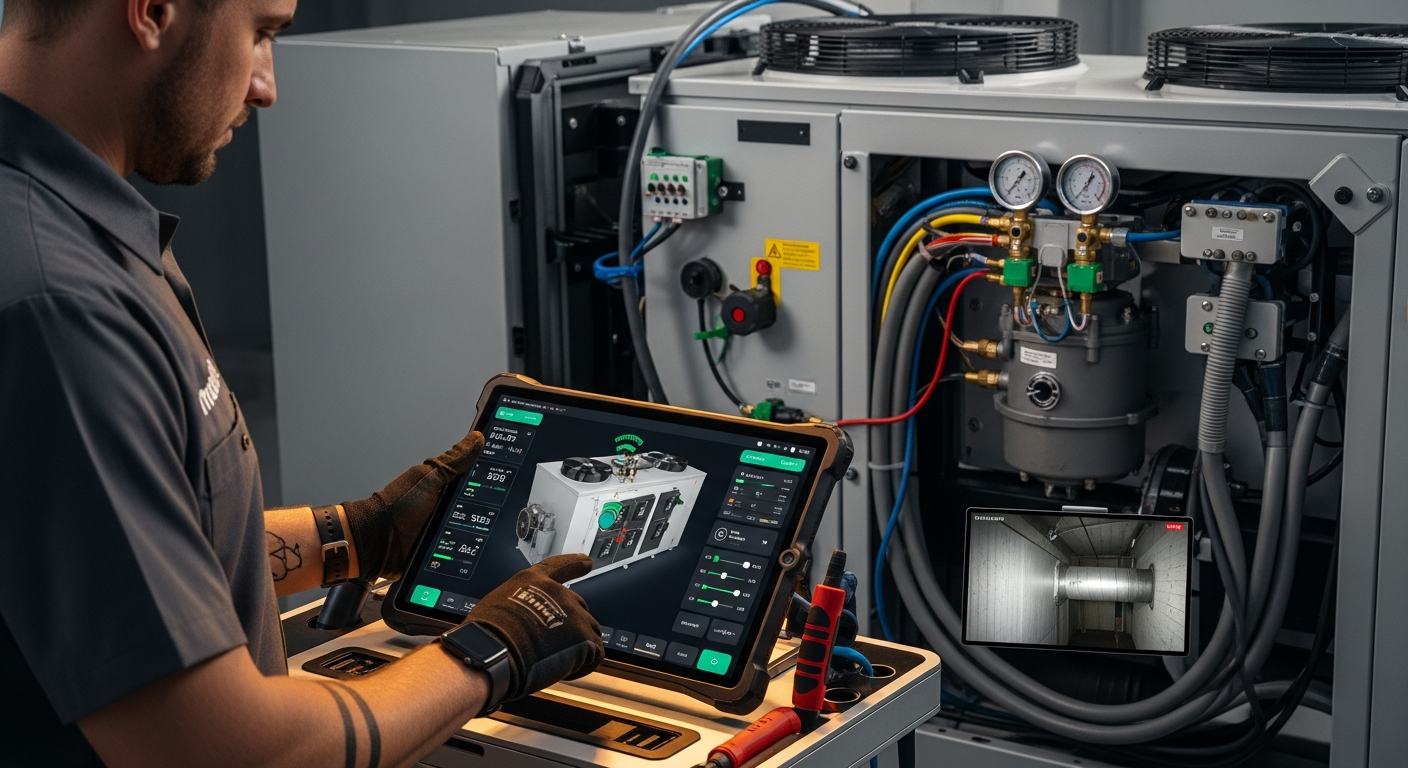
How to Implement a Whole Home Energy Management System
Integrate smart tech and HVAC controls to cut energy waste. This guide shows how to audit, upgrade, and automate your home's energy use, with real savings estimates.

How to Set Up Thermostat Geofencing
Set up thermostat geofencing to automatically adjust home temperature as you come and go. Save energy, extend equipment life, and never return to an uncomfortable house. Get our quick-start guide now.
How to Troubleshoot Smart Thermostat WiFi Issues
Your smart thermostat offline? Most WiFi drops can be fixed with power checks, router adjustments, and simple restarts. Follow our step-by-step guide to regain remote control and energy savings.