How to Find 24 Hour Emergency HVAC Services
Learn what counts as an HVAC emergency, how to find a reliable 24/7 technician fast, and what you should expect to pay for after-hours heating and cooling repairs.
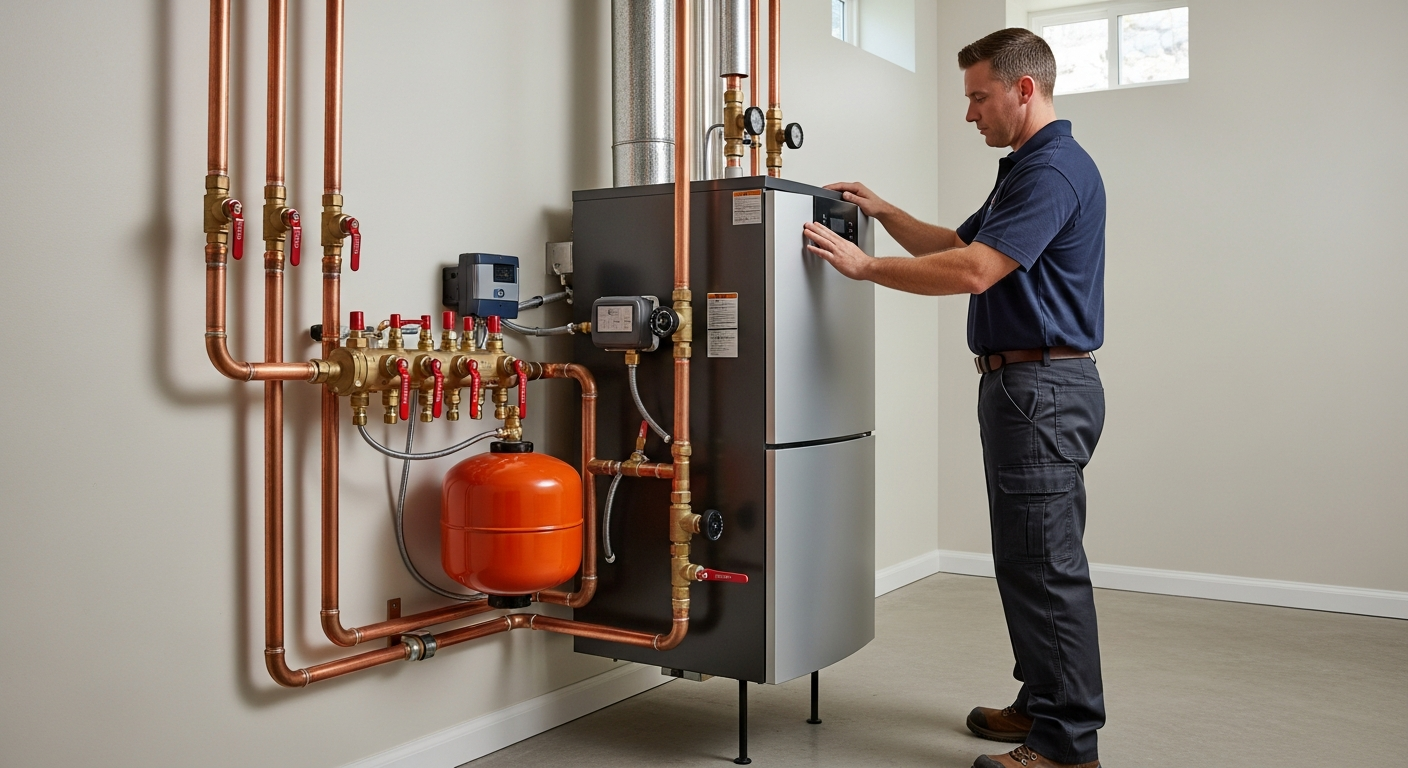
Act fast but verify the contractor. Use HVACDatabase's directory to find a vetted 24/7 pro, know the typical costs, and protect your home from further damage.
For true emergencies, prioritize safety and hire a licensed, insured technician even if it costs more after hours. Use tools to find fair pricing and avoid scams.
What Matters Most
- A real emergency involves safety threats or severe weather; routine failures can wait.
- Always ask for the diagnostic fee upfront and an ETA.
- Cross-check contractor reviews for emergency reliability.
- Temporary measures like portable heaters or fans can bridge the gap safely.
- Maintenance plans can reduce emergency call costs and sometimes waive dispatch fees.
Strengths
- Quick, direct steps to find help in a crisis.
- Clear cost ranges set realistic expectations.
- Safety boundaries prevent dangerous DIY attempts.
- Localized examples and tools make the guidance actionable.
- Decision rules and calculators help evaluate repair vs. replacement.
Weaknesses
- Emergency decisions are stressful; homeowners may still feel rushed.
- Not all 24/7 services are equal; some may still delay dispatch.
- Cost ranges are broad, and final bills can exceed estimates if major parts are needed.
- Home warranty fine print can complicate immediate payment.
Emergency vs. Non-Emergency Decision
| Scenario | Usually do | Why |
|---|---|---|
| Smell of gas | Evacuate, call gas company, then 24/7 service | Gas leaks can cause explosions or CO poisoning. |
| No heat, overnight temp >40°F | Wait for regular hours, use blankets | No immediate safety threat; avoid after-hours surcharge. |
| AC failure, heat index >105°F and elderly/children present | Call 24/7 service | Heat stroke risk; urgent repair or temporary cooling needed. |
| Loud banging from furnace | Call 24/7 if it’s not a simple filter issue | Could indicate a dangerous mechanical failure. |
Quick Answer
If your HVAC system poses an immediate safety risk (gas smell, smoke, electrical sparks) or extreme temperatures (below freezing or heat index above 105°F with vulnerable people), call 24/7 emergency service. Expect a diagnostic fee of $80–$200+, and urgent repair costs ranging from $200 for minor fixes to thousands for major failures. Use HVACDatabase’s contractor search to find verified pros with 24/7 availability and read reviews about their emergency response.
What Is—and Isn’t—a True HVAC Emergency?
| Symptom | Emergency? | Action |
|---|---|---|
| Smoke, burning odor, or visible flames from unit/vents | Yes—turn off system, evacuate if needed, call 911 then HVAC pro | Potential electrical fire; do not try to repair |
| Gas odor (rotten eggs) near furnace or indoors | Yes—leave home immediately, call gas company from outside, then schedule emergency repair | Natural gas leak; explosion risk |
| No heat, outside temp below 32°F, pipes at risk of freezing | Yes—call for 24/7 service; meanwhile, see pipe-freeze prevention | Frozen pipes can burst; water damage |
| AC failure, heat index >105°F, infants/elderly/medical conditions present | Yes—call immediately | Heat stroke risk for vulnerable occupants |
| Loud screeching, banging, or grinding from the unit | Yes—if sudden and severe, potential belt or motor failure; turn off and call | May indicate catastrophic failure soon |
| System repeatedly trips circuit breaker after one reset | Yes—electrical issue; unplug/switch off and call pro | Risk of electrical fire or damage |
| Foul smell like dirty socks or mold (no heat) | No—schedule regular service | Likely microbial growth on coil; not immediate danger |
| Thermostat display blank; batteries dead | No—replace batteries first | Simple fix |
| System short cycles but still runs | No—if safe temps, can wait | May be dirty filter or minor sensor issue |
Safety Boundaries: What You Can and Cannot Do
Safe homeowner checks: reset a tripped breaker once, change a dirty air filter, ensure supply vents are open, replace thermostat batteries, and confirm the outdoor unit isn’t blocked by debris. Never attempt to open panels on a gas furnace, touch electrical components, replace capacitors or contactors, or add refrigerant. These jobs involve high voltage, flammable gas, or high-pressure chemicals—licensing is required. If you smell gas, leave the house immediately and call the utility from outside. CO detectors are critical; review filter replacement for simple maintenance, but all other service belongs to a pro.
How to Find a Legitimate 24/7 Emergency Contractor
Start with HVACDatabase’s directory: filter by “emergency service” and read reviews that mention after-hours reliability. Avoid any company that won’t give a license number or pushes a quote before seeing the equipment. Call two or three services and ask the checklist below.
Emergency Contractor Checklist
- Are you licensed and insured for HVAC work in this state? (Ask for the license number.)
- Do you have a technician on-call right now, and how soon can they arrive?
- What is the flat-rate emergency diagnostic/trip fee? (Expect $80–$200+)
- Do you carry common parts (capacitors, motors, ignitors) on the truck?
- Will you provide a written estimate before starting any work?
- Is payment due upon completion, or do you require upfront charges?
What Emergency HVAC Service Costs
After-hours work typically adds a premium. Use our emergency cost tool to estimate local charges. Below are editorial estimate ranges only—not guaranteed prices. All costs vary by region, unit type, urgency, and parts availability.
| Fee | Range | Notes |
|---|---|---|
| Emergency diagnostic/trip charge | $80–$200+ | Often waived if repair is approved |
| After-hours labor surcharge | 1.5x–2x standard rate | Standard rates: $75–$150/hr |
| Common AC repair total | $150–$1,500+ | Simple capacitor swap vs. coil replacement |
| Furnace emergency repair total | $200–$1,000+ | Ignitor or flame sensor vs. heat exchanger |
If you have a maintenance plan, ask if the emergency dispatch fee is waived. Compare plan costs: annual agreements often range $150–$500. Run your numbers through the HVAC cost estimator for personalized local data.
Decision Rules: When to Repair vs. Replace in an Emergency
- Unit age >10 years and quote >50% of new system price → seriously consider replacement. Use our repair-or-replace calculator.
- In a no-heat emergency, financing for a new system may be available faster than complex repair parts.
- If the heat exchanger is cracked on a furnace >15 years old, replacement is often safer and more cost‑effective.
- For AC, a failed compressor on a unit older than 10 years usually points toward replacement, especially in hot climates where efficiency matters.
While You Wait: Safety and Comfort Tips
- Cold: Gather family in one room, close doors to unused spaces, use portable heaters safely (see portable heater guide). Never use a gas oven or stove for heat—it creates CO.
- Heat: Use fans, close blinds, stay hydrated, and consider cooling centers. Emergency cooling tips.
- If you suspect CO leak, evacuate. CO detectors are not infallible—err on the side of caution.
Tools and Calculators
- HVAC cost estimator – ballpark local repair/replacement costs
- Emergency HVAC cost tool – after-hours pricing breakdown
- Repair vs. Replace calculator – financial comparison
- System age decoder – find your unit’s age from serial number
- Maintenance reminder tool – prevent future emergencies
Local Considerations
In cold climates (Chicago, Minneapolis), heating emergencies demand immediate action when temps drop below 20°F. In hot regions (Phoenix, Houston), an AC failure during a heat wave with high humidity can be life-threatening. Coastal areas may require corrosion-resistant parts. Older homes may have electrical limitations; a pro should inspect before upgrades. Search for contractors in your area: Phoenix AC repair or Chicago heating repair.
Methodology
Estimates are based on typical 2024 pricing from aggregated industry data and contractor surveys. Actual costs vary by region, unit type, time of year, and parts availability. Use the cost estimator for personalized ranges. Our contractor directory features verified, licensed pros with customer reviews, helping you compare response times and emergency service quality.
FAQs
What should I do if my HVAC system stops working in the middle of the night?
First, check the thermostat batteries, circuit breaker, and air filter. If no simple fix, determine if it’s an emergency (safety risk or extreme temps). Then call a 24/7 contractor after verifying they are licensed. Use a space heater or fan to stay comfortable while waiting.
What is a reasonable emergency response time?
Most true 24/7 services aim to have a technician at your home within 60–90 minutes in metro areas. Rural locations may take 2+ hours. Confirm the ETA when you call.
Will my home warranty cover 24/7 HVAC service?
Most home warranties require you to use their dispatch process, which is rarely real-time. You may have to pay out of pocket and seek reimbursement later. Always call your warranty provider to confirm before hiring an outside contractor.
Can I avoid the emergency fee with a maintenance plan?
Many annual service agreements waive or discount after-hours dispatch fees. If you already have a plan, mention it when calling. If not, ask about signing up after the emergency—some companies offer retrospective credit toward a new plan.
What if the technician can't fix it because parts aren't available?
In emergencies, a good technician will offer a temporary fix to restore basic heating or cooling until the permanent part arrives. This might include installing a universal part or a temporary bypass if safe. Always discuss overnight options and next‑day follow-up.
How do I avoid emergency HVAC scams?
Red flags: unsolicited “free inspection” offers during extreme weather, no physical address for the company, demands for full payment in cash before work, and refusal to show a license or insurance. Use HVACDatabase to verify local pros with real reviews.
Related articles
Connect this page to adjacent guides so readers keep moving deeper into the topic cluster.
How to Implement a Whole Home Energy Management System
Integrate smart tech and HVAC controls to cut energy waste. This guide shows how to audit, upgrade, and automate your home's energy use, with real savings estimates.

How to Set Up Thermostat Geofencing
Set up thermostat geofencing to automatically adjust home temperature as you come and go. Save energy, extend equipment life, and never return to an uncomfortable house. Get our quick-start guide now.
How to Troubleshoot Smart Thermostat WiFi Issues
Your smart thermostat offline? Most WiFi drops can be fixed with power checks, router adjustments, and simple restarts. Follow our step-by-step guide to regain remote control and energy savings.