How to Handle an HVAC Gas Leak
A gas leak is a life-threatening emergency. Learn the signs, evacuation steps, and how to get professional repairs without putting your family at risk.
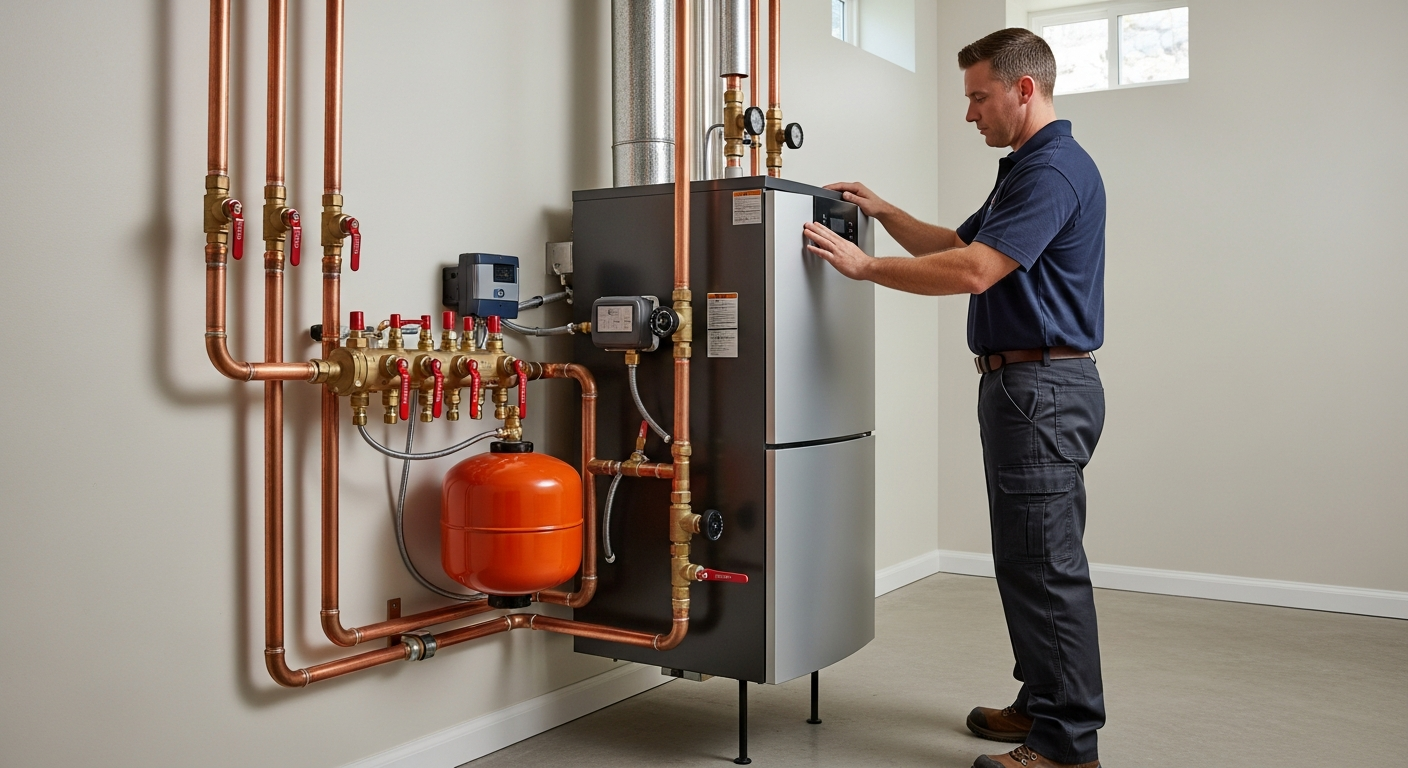
Evacuate immediately and call 911. Never try to find or fix the leak yourself.
Gas leaks demand professional intervention. This guide provides a clear action plan: recognize the signs, evacuate safely, and hire a qualified technician through HVACDatabase to inspect and repair.
What Matters Most
- If you smell gas, leave the house and call emergency services from outside.
- Do not operate any electrical devices or open flames inside.
- Install combustible gas detectors and schedule annual furnace inspections.
- Use HVACDatabase tools to estimate repair costs and find vetted contractors.
- Never attempt DIY gas line repairs—the stakes are too high.
Strengths
- Actionable, prioritized steps that remove guesswork during a crisis.
- Clear safety boundaries protect homeowners from dangerous DIY attempts.
- Local market considerations make the advice relevant to different climates and home ages.
- Cost transparency helps homeowners budget and avoid overcharges.
Weaknesses
- Homeowners cannot self‑diagnose or repair gas leaks; full reliance on pros may delay resolution during off‑hours.
- Evacuation plans must be pre‑arranged for vulnerable residents (elderly, infant, medical equipment).
Decision Summary: Gas Leak Scenarios
| Scenario | Usually do | Why |
|---|---|---|
| You smell gas inside | Evacuate; call 911 from outside | Prevent ignition and exposure |
| Hear hissing near furnace | Do not approach; evacuate; call utility | High concentration of gas; risk of explosion |
| Dead grass near outdoor gas line | Mark area; call utility from safe distance | Possible underground leak; do not dig or park nearby |
| Gas detector alarms | Treat it as real; evacuate; call for help | False alarms rare; treat seriously |
Introduction
A natural gas leak from your HVAC system is a life‑threatening emergency requiring immediate, precise action. This guide tells you exactly what to do—and what not to do—when you suspect a leak, how to keep your family safe, and how to get professional repairs without the guesswork. We cover the costs, the decision points, and the right questions to ask a contractor so you can make informed decisions in a crisis.
Quick Answer
If you smell gas, hear hissing, or your detector alarms, evacuate immediately. Do not touch any electrical switches or appliances. Call 911 and your gas utility from a safe distance. Wait for professionals to clear the area and repair the leak. Never attempt to fix it yourself.
Signs You May Have a Gas Leak
| Sign | What It Means | Immediate Action |
|---|---|---|
| Sulfur or rotten egg smell | Odorant mercaptan added to natural gas; indicates a leak | Evacuate; call 911 |
| Hissing or whistling sound near furnace or gas pipes | Gas escaping under pressure | Do not approach; evacuate; call utility |
| Dead or dying vegetation near outdoor gas line | Underground leak killing plant roots | Mark area; call gas utility from safe location |
| Bubbles in standing water outside | Gas percolating through water | Same as above; do not disturb water |
| Physical symptoms—dizziness, nausea, headache | Possible gas exposure (lower explosive limit) | Get fresh air immediately; seek medical help |
Immediate Steps to Take During a Gas Leak
- Evacuate everyone—including pets—without delay. Leave doors open to help ventilate, but do not spend extra time opening windows if it slows you down.
- Once outside, move at least a safe distance (300 feet or more) away from the building and call 911. Then call your gas utility’s emergency line.
- Do not re‑enter for any reason until emergency personnel declare the area safe.
What NOT to Do
- Do not turn any electrical switches on or off—even a small spark can ignite gas.
- Do not use phones, garage door openers, flashlights, or any battery‑powered device inside.
- Do not attempt to locate the leak source or shut off the gas valve yourself unless you can do so from outside without entering a gas‑filled area.
- Do not start vehicles or any combustion engines nearby.
Safety Boundaries: What Homeowners Can Check vs. Pro‑Only Work
Safe Homeowner Checks (from a safe location or after the emergency is cleared)
- Visually check for dead grass or disturbed soil near outdoor gas lines—do this from a distance.
- Note any unusual odors or sounds and report them to the utility.
- Test combustible gas detector batteries every six months.
- Review your family’s evacuation plan and ensure everyone knows the meeting point.
Pro‑Only Work (Never Attempt Yourself)
- Repairing or replacing gas piping, fittings, or valves.
- Pressure‑testing gas lines for leaks.
- Relighting pilot lights or restarting gas appliances after a leak.
- Any work that involves opening a gas connection or entering a space where gas may have accumulated.
Tools & Calculators to Estimate Costs & Find Help
Gas leak repairs require a licensed professional, and costs can vary widely. Use these HVACDatabase tools to get financial and hiring clarity:
- Emergency Cost Tool – Estimate what an emergency HVAC visit might cost in your area.
- Quote Checker – Compare contractor quotes side‑by‑side to spot overcharges.
- Contractor Search – Find vetted, locally licensed gas‑line repair contractors.
- Contractor Comparison – Use our checklist to evaluate pros before hiring.
Decision Tree: Who to Call & When
Click to expand decision flow
- Is there a confirmed gas smell, hissing, or detector alarm?
Yes → Evacuate immediately. Call 911 first, then the gas utility from a safe distance. No → Continue monitoring, but if suspicion is high, call the utility for a safety check. - After emergency responders arrive: They will assess the risk, shut off gas if needed, and ventilate. Do not re‑enter until cleared.
- Once the area is safe: Schedule a repair with a licensed HVAC contractor who handles gas lines. The utility may require a certified professional to test and certify the system before restoring service.
- During cold weather: If gas is off >2 hours and temperatures are below freezing, take steps to prevent frozen pipes. See How to Keep Pipes from Freezing.
Contractor Checklist: Questions to Ask Before Approving Gas Line Repair
Use these questions when interviewing contractors. Expect clear, specific answers—vague replies are a red flag.
| Question | What to Listen For |
|---|---|
| Are you licensed and insured specifically for gas line work? | Yes, and they can show proof of a state HVAC or plumbing license with gas endorsements and liability insurance. |
| Will you provide a written, itemized estimate before starting? | Yes, including diagnostic fee, parts, labor, and testing. |
| What is your protocol for leak testing after repair? | They will pressure‑test with air or inert gas, use a manometer or electronic detector, and document results. |
| Do you coordinate with the utility company for service restoration? | They confirm they will handle the required certification and communicate with the utility to get the gas turned back on. |
| Can you provide local references for gas leak repairs? | Yes, recent jobs with similar scope. |
Local Market Considerations
- Cold climates: A gas shut‑off during winter may lead to frozen pipes within hours. Prioritize pipe protection; see our pipe freezing guide. Consider a portable heater while waiting—here’s how to use one safely.
- Older homes (pre‑1980): Gas pipes may be steel that corrodes over time. After a leak, ask your contractor about upgrading to flexible corrugated stainless steel tubing (CSST) if code allows.
- Coastal/humid regions: Salt air accelerates corrosion on outdoor gas lines and fittings. Annual inspections should include a thorough external check.
Preventing Future Gas Leaks
- Annual professional furnace inspections – A technician can spot rusted burners, cracked heat exchangers, and loose connections before they leak. Budget $80–$250 per visit (editorial estimate).
- Install combustible gas detectors – These detect methane (natural gas) and are different from carbon monoxide alarms. Place near sleeping areas and the furnace room. Check batteries twice a year.
- Consider a smart gas shut‑off valve – Some systems integrate with leak detectors to automatically cut the gas supply. Consult a professional for installation.
Methodology
Cost estimates are editorial ranges based on national surveys, contractor reviews, and typical project scopes, not guaranteed prices. Actual costs vary by location, system access, urgency, and required permits. We recommend obtaining at least three quotes and verifying licenses. Our recommendations are built from industry best practices (NFPA 54, local fire codes) and are reviewed by HVAC safety experts.
Frequently Asked Questions
What should I do if I smell gas but don’t know where it’s coming from?
Evacuate immediately. Do not try to locate the source. Once outside, call 911 and your gas utility. They have the equipment to safely pinpoint the leak.
Can I use my phone inside the house if I suspect a gas leak?
No. Even low‑voltage electronics can create a spark. Leave first, then use your phone from a safe distance.
How much does it cost to repair a gas leak in an HVAC system?
Editorial estimate: $150–$2,500+. Minor leaks like a loose fitting may cost $150–$700, while damaged gas valves or major pipe repairs can hit $1,200–$2,500+. Emergency or after‑hours service adds $100–$300. Always get a written quote.
How long after a gas leak can I re‑enter my home?
Only when emergency responders declare it safe. They will ventilate the area and use meters to confirm gas levels are zero. Never re‑enter earlier.
Is a natural gas detector the same as a carbon monoxide detector?
No. Carbon monoxide detectors sense CO from incomplete combustion. They do not detect natural gas (methane). You need a separate combustible gas detector for natural gas leaks. Many combo units exist, but verify the exact gas type.
Related articles
Connect this page to adjacent guides so readers keep moving deeper into the topic cluster.
How to Implement a Whole Home Energy Management System
Integrate smart tech and HVAC controls to cut energy waste. This guide shows how to audit, upgrade, and automate your home's energy use, with real savings estimates.

How to Set Up Thermostat Geofencing
Set up thermostat geofencing to automatically adjust home temperature as you come and go. Save energy, extend equipment life, and never return to an uncomfortable house. Get our quick-start guide now.
How to Troubleshoot Smart Thermostat WiFi Issues
Your smart thermostat offline? Most WiFi drops can be fixed with power checks, router adjustments, and simple restarts. Follow our step-by-step guide to regain remote control and energy savings.