How to Install a Zoning Damper System
Struggling with hot and cold spots? A zoning damper system can balance your home's temperature. Learn about costs, whether it's worth it, and how to hire the right pro.
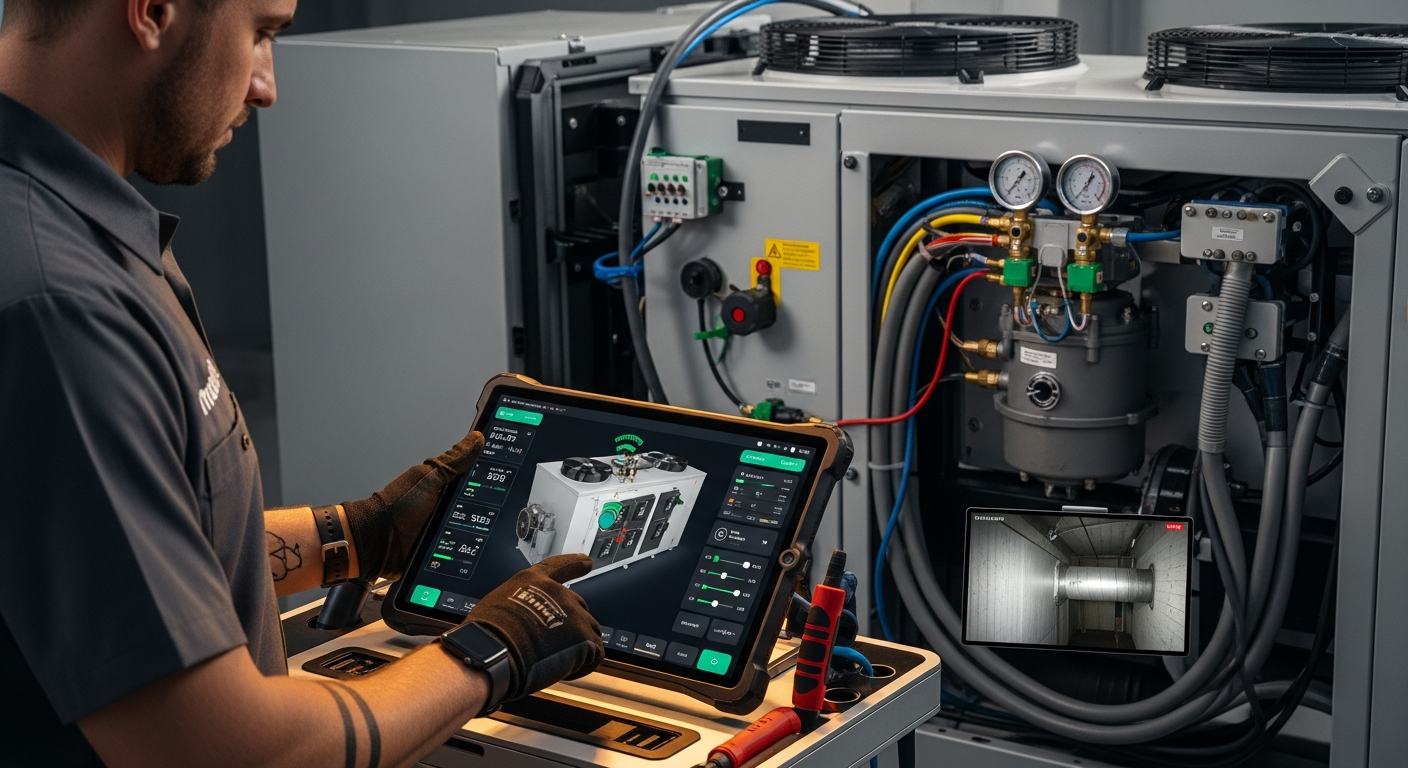
Professional installation is the only safe route for zoning dampers
Zoning improves comfort and can cut energy bills, but the complexity demands a licensed contractor. Homeowners should focus on verifying credentials and understanding the cost-benefit before proceeding.
What Matters Most
- Zoning solves uneven temperatures efficiently, but it's not a DIY project.
- Costs range from $2,000–$5,500+ for a typical 2-3 zone system.
- Always ask for a Manual J load calculation and a bypass damper.
- Use online tools to estimate costs and compare contractor bids.
- Safety boundaries: any duct cutting or control wiring is for pros only.
Strengths
- Warranty protection and code compliance.
- Proper static pressure management ensures long equipment life.
- Pro can identify and fix underlying duct or sizing issues.
- Integration with smart thermostats adds convenience.
- Correct installation maximizes energy savings.
Weaknesses
- Higher upfront cost compared to attempted DIY (but DIY often costs more in repairs).
- Finding a qualified zoning specialist can be challenging in some areas.
- Payback period depends heavily on your usage patterns; if you run all zones simultaneously, savings diminish.
- Zoning may require an electrical panel upgrade if new circuits are needed (rare but possible).
- Retrofits in older homes often incur additional duct modification costs.
Zoning vs. Whole-Home Comfort Solutions
| Scenario | Zoning Usually Best | Alternative Consideration |
|---|---|---|
| Mild hot/cold spots in a few rooms | Try smart vents or smart thermostats with remote sensors first. | Smart vents are cheaper but can cause backpressure if not designed properly. |
| Persistent 5°F+ difference between floors | Zoning with dampers and bypass is the proven fix. | If ductwork is inaccessible, a ductless mini-split added to the problem floor may be simpler. |
| Older single-stage equipment | Zoning can push limits; consider upgrading to a variable-speed system first. | Replacing the system with a multi-stage or variable-speed unit with built-in zoning controls offers better long-term value. |
| Budget under $1,500 | Zoning rarely fits; explore window ACs or portable units for targeted relief. | These are temporary solutions but can improve comfort immediately. |
Uneven temperatures from room to room are more than an annoyance—they can signal an HVAC system that’s struggling to meet your home’s needs. A zoning damper system uses motorized dampers in your ductwork to divide your home into independent comfort zones, each with its own thermostat. This can solve hot/cold spots, boost energy efficiency, and extend equipment life. But a zoning upgrade isn't cheap, and installation isn't a casual DIY project. This guide breaks down the costs, what the work involves, and how to hire a qualified pro—so you can decide with confidence.
Use the tools below to estimate your costs and savings, and always verify a contractor’s credentials before you sign a contract.
Quick Answer: Should You Install a Zoning Damper System?
For most homeowners with persistent temperature imbalances, zoning is a high-impact upgrade—but only if your current ducts are in good shape and your HVAC equipment is sized correctly. Expect to invest $2,000–$5,000+ for a typical 2–3 zone system installed. DIY is risky; a single wiring mistake can damage your control board or cause injury. Professional installation ensures proper sizing, bypass damper placement, and warranty coverage. Use our cost estimator to personalize the numbers, then find a zoning contractor near you.
How a Zoning Damper System Works
A zoning system has three main parts: a zone control panel, motorized dampers, and multiple thermostats. The panel receives calls from each thermostat and opens or closes the dampers to direct air only where needed. When a damper closes, a bypass damper usually relieves excess pressure to avoid duct noise and blower strain. Installations are customized to your floor plan—common zones separate upstairs/downstairs, master bedroom from living areas, or finished basements.
Zoning System Cost Breakdown
Costs vary by number of zones, duct accessibility, and local labor rates. Below are editorial estimates for a typical retrofit in a single-family home.
| Component | Typical Cost Per Item | Notes |
|---|---|---|
| Motorized dampers | $100–$300 each | One per zone; often 2–4 needed |
| Zone control panel | $150–$400 | Compatible with your HVAC system |
| Thermostats (per zone) | $50–$200+ | Smart thermostats add convenience but cost more |
| Bypass damper & ductwork | $100–$300 | May already be included; critical for system health |
| Installation labor | $800–$2,500+ | Includes cutting ducts, wiring, and testing |
| Total (2–3 zones) | $2,000–$5,500+ | Complex layouts, older ductwork, or additional zones push higher |
Get a personalized estimate with our HVAC Cost Estimator. You can also check local rebates with the Rebate Finder—some utilities offer incentives for zoning or smart thermostat upgrades.
Is Zoning Worth It? Decision Rules
Zoning makes sense when at least two of these conditions exist:
- Temperature differential: Consistent 5°F or more difference between floors or wings of the house, even after balancing dampers and filter changes.
- Home layout: Multi-story, sprawling ranch, rooms with large south-facing windows, or a finished basement used as living space.
- Occupancy patterns: Whole-house conditioning wastes energy because only certain zones are used at specific times (e.g., bedrooms only at night).
- System age: Your furnace or AC is well-maintained and expected to last 5+ more years; zoning an aging system may not be cost-effective.
If you’re unsure, try learning about smart thermostats that can simulate zoning with remote sensors—a lower-cost alternative that sometimes solves mild imbalances.
Safety Boundaries: What Homeowners Can & Can’t Do
Installing zoning dampers involves cutting into sheet metal ducts, running low-voltage wiring, and connecting to your furnace control board. Because of shock, fire, and equipment-damage risks, only a licensed professional should perform these tasks. Here’s where the line is drawn.
Safe Homeowner Checks & Prep
- Test and document temperature differences between rooms with a digital thermometer.
- Change your air filter and ensure all supply vents are open and unblocked—sometimes simple airflow fixes mask as zoning problems.
- Visually inspect accessible ductwork for disconnected sections or obvious leaks (call a pro to seal them).
- Map out desired zones on a floor plan to discuss with contractors.
Professional-Only Work (Do Not Attempt Yourself)
- Cutting into ductwork or installing damper blades.
- Wiring a zone control panel to your HVAC system’s transformer, terminal block, or safety circuits.
- Modifying or adding bypass ducting near the air handler or plenum.
- Any work that requires opening the furnace/air handler cabinet beyond the filter access door.
- Handling refrigerant lines or components—zoning does not involve refrigerant, but pros often check charge during servicing.
Violating these boundaries can void warranties, cause system failure, and create fire or electrocution hazards. Always hire a qualified HVAC contractor for this installation.
Hiring the Right Pro: Contractor Checklist
Before you approve a quote, ask these questions. A good contractor will answer clearly and provide documentation.
- Are you licensed and insured in my state?—Verify the license number online.
- How many zoning retrofits have you done?—Look for someone who installs at least 5–10 systems per year.
- Will you perform a Manual J load calculation?—This ensures each zone gets the right airflow; guessing leads to pressure imbalance and noise.
- How do you handle bypass air?—A barometric bypass damper should be standard, not an option. Ask where it will be installed.
- What control panel and damper brands do you use?—Stick with well-known names (Honeywell, AprilAire, EWC) for warranty and part availability.
- What is the warranty on parts and labor?—At least 1 year labor, 5 years parts is typical for zoning components.
- Can you show me a before-and-after pressure test?—Proving the improvement in static pressure ensures the system won’t damage itself.
- Will you integrate my existing thermostats or recommend new ones?—Some panels require proprietary thermostats; clarify compatibility to avoid surprise costs.
Use our Contractor Comparison tool to evaluate multiple bids side by side.
Local Climate & Home Type Considerations
Hot Humid Climates (Southeast, Gulf Coast)
Zoning can prevent an upstairs from becoming a sauna, but ensure the system still runs long enough to dehumidify. Short cycling can leave moisture; a pro may add a dehumidifier or adjust blower speeds.
Cold Climates (Midwest, Northeast, Mountain West)
Zoning an unused guest room can save heating dollars, but pipes in that zone could freeze if the space drops below 55°F. A smart thermostat can maintain a safe minimum temperature.
Older Homes (Pre-1980s)
Ductwork may be undersized or have asbestos wrap—both must be addressed before zoning. Retrofits in these homes cost $1,000–$3,000+ more for duct modifications.
Coastal Homes
Salt air corrodes metal components. Opt for stainless-steel damper blades and ask about corrosion-resistant materials for the control panel enclosure.
Tools to Help You Decide
Start with the BTU Calculator to see if your system is appropriately sized for zoning. Then, use the Cost Estimator to get a ballpark figure. If your equipment is more than 10 years old, run the Repair or Replace Calculator before investing in zoning—it might be smarter to upgrade the whole system with zoning built in. Finally, search for local contractors who specialize in zoning to get real quotes.
Methodology: How We Estimate Costs
Our editorial cost ranges are based on industry surveys, published pricing data, and conversations with HVAC professionals across U.S. markets. These are estimates, not guaranteed quotes. Actual costs depend on your home’s duct layout, accessibility, local permit fees, utility incentives, and seasonal demand. Always obtain at least three written quotes and compare scope of work, not just price. Our comparison tool makes this easier.
Frequently Asked Questions
Can I add zoning to my existing HVAC system?
In most cases, yes, provided your ducts are in good condition and your unit can handle the static pressure changes. A pro must assess the ductwork and possibly add a bypass damper. Single-stage equipment with a PSC blower motor may not be ideal—variable-speed equipment handles zoning better.
How many zones do I need?
Most homes install 2–4 zones. The right number isn’t about rooms—it’s about distinct thermal areas. A two-story home usually benefits from two zones; a ranch with a hot western wing may need three. Over-zoning can harm efficiency. A contractor’s Manual J and D calculations will determine the optimal zones.
Is installing zoning dampers a DIY project?
Not recommended. It requires precise sheet-metal work, low- and high-voltage wiring knowledge, and an understanding of HVAC control logic. Errors can burn out the control board, cause air leaks, or create a fire hazard. Even if you’re handy, most manufacturers require professional installation for warranty coverage.
Will zoning save me money on energy bills?
When used correctly—closing off unused zones—zoning can reduce heating and cooling costs by 20–30% annually. However, if you try to over-condition a zone (e.g., keep a sunroom at 68°F all day), savings disappear. Energy savings are most noticeable in homes where you can stop conditioning large unused areas for hours daily.
What could go wrong with a badly installed zoning system?
Common problems include excess static pressure that damages the blower motor, ductwork popping noises, frozen evaporator coils due to low airflow, and short cycling that wastes energy. That’s why contractor experience and proper sizing are critical. A bypass damper, correctly set, prevents most issues.
Ready to take the next step? Find a vetted zoning contractor in your area and get personalized quotes today.
Related articles
Connect this page to adjacent guides so readers keep moving deeper into the topic cluster.
How to Implement a Whole Home Energy Management System
Integrate smart tech and HVAC controls to cut energy waste. This guide shows how to audit, upgrade, and automate your home's energy use, with real savings estimates.

How to Set Up Thermostat Geofencing
Set up thermostat geofencing to automatically adjust home temperature as you come and go. Save energy, extend equipment life, and never return to an uncomfortable house. Get our quick-start guide now.
How to Troubleshoot Smart Thermostat WiFi Issues
Your smart thermostat offline? Most WiFi drops can be fixed with power checks, router adjustments, and simple restarts. Follow our step-by-step guide to regain remote control and energy savings.