How to Prepare Your HVAC for a Heat Wave
Don't wait for a heat wave to stress-test your AC. Use this decision-focused guide with cost estimates, maintenance tricks, and pro-verification checklists to keep your home cool when it matters most.
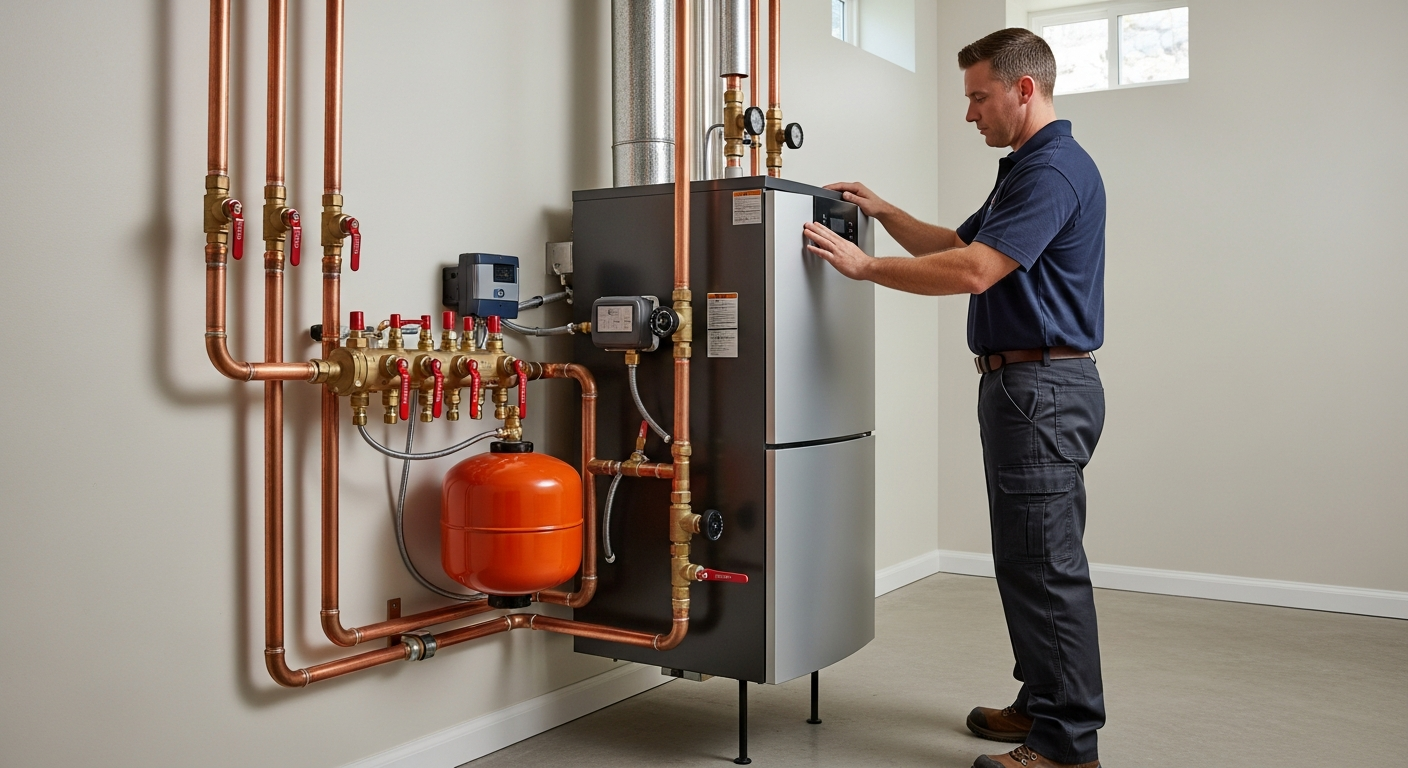
Proactive preseason maintenance is the most cost-effective way to avoid heat-wave AC failure.
A $80–$250 spring tune-up can prevent a $500+ emergency repair during the summer rush. Pair DIY checks with a professional maintenance plan for older systems to maximize reliability.
What Matters Most
- Change your air filter before the heat wave and check it monthly.
- Clear the outdoor condenser of debris and ensure 2 ft of clearance.
- Use pre-cooling strategies to reduce peak load on your system.
- If your system is over 10 years old, run the numbers on replacement before it fails.
- Always verify contractor credentials and get itemized quotes in advance.
Strengths
- Lower energy bills by 10–15% through proper airflow and coil cleaning
- Extends equipment life by reducing compressor strain and overheating
- Reduces emergency service needs when contractors are busiest and most expensive
Weaknesses
- DIY cleaning can cause damage if pressure washing or bending coils
- Preventive maintenance has an upfront cost that some homeowners skip
- Older systems may still fail despite preparation if components are worn
Decision summary: when to DIY, when to hire a pro, and when to replace
| Scenario | Usually do | Why |
|---|---|---|
| Dirty filter, debris around unit, minor duct leaks | DIY now | Safe, low-cost actions that immediately improve performance |
| System runs but not cooling well, ice on lines, strange noises | Hire pro for diagnostic ($80–$200) | May indicate low refrigerant, electrical fault, or compressor issues—all require licensed repair |
| AC is 10+ years old and needs a $2,000+ repair | Use Repair or Replace Calculator; consider replacement | Avoid sinking money into an inefficient system with looming R-22 phaseout costs |
Quick Answer: 10 Things to Do Before the Heat Hits
- Change the air filter if it’s dirty (check monthly in peak season).
- Clear debris from the outdoor condenser – leaves, grass clippings, cottonwood fuzz.
- Check the condensate drain line for clogs; flush with vinegar if needed.
- Pre-cool your home early in the morning to reduce afternoon strain.
- Inspect visible ductwork for leaks and seal with foil tape.
- Test thermostat accuracy; consider a smart model for scheduling.
- Ensure at least 2 feet of clearance around the outdoor unit.
- Listen for unusual noises while the system runs.
- Book a professional tune-up 2–4 weeks before peak summer (cost: $80–$250).
- Verify your emergency contact list includes a licensed HVAC contractor.
Why Heat Wave Prep Matters
Extreme overnight lows and triple-digit highs push residential AC equipment to its design limits. A system that barely kept up last year can fail catastrophically under longer, hotter run cycles. The difference is often a few hours of proactive maintenance versus days of sweltering discomfort while waiting for a repair crew. This guide moves beyond generic tips to give you clear thresholds, cost expectations, and decision tools—so you know exactly what to do now, what to watch for, and when to invest in professional help.
Air Filter: The First Line of Defense
A clogged filter starves the evaporator of airflow, causing the coil to ice up and the compressor to overheat. In peak heat, check every 30 days. Choose a MERV rating between 8 and 13 for a balance of efficiency and airflow; higher ratings can restrict flow in older systems. For step-by-step filter replacement guidance, see How to Replace an AC Air Filter.
Editorial cost estimate: Disposable 1″ filters cost $4–$15; 4–5″ media filters $15–$45; permanent washable filters $20–$60.
Outdoor Unit Cleaning
The condenser coil releases heat from your home. When coated with dirt or blocked by vegetation, energy use can jump 10–15% and the compressor may shut down on its internal overload. Safe DIY: Turn off power at the disconnect box, use a garden hose on a gentle setting to spray through the fins from inside out, and trim back plants. Never use a pressure washer—it bends the delicate aluminum fins.
Safety Boundaries
Homeowners can safely:
- Change the air filter
- Clean debris and vegetation around the outdoor unit
- Pour vinegar into the condensate drain access point to prevent clogs
- Inspect visible ductwork for disconnections
- Adjust thermostat settings
Leave these tasks to licensed professionals:
- Handling refrigerant or checking refrigerant pressures
- Repairing or replacing capacitors, contactors, or control boards
- Diagnosing or replacing a compressor
- Working on gas piping or combustion components
- Any repair requiring opening the sealed electrical panel
Thermostat Strategy: Smart Cooling Without Overworking the System
Setting the thermostat to 65 °F when it’s 100 °F outside won’t cool the house faster—it just makes the compressor run nonstop, risking burnout. Instead, aim for a steady 74–78 °F when home, and use ceiling fans to create a wind-chill effect that lets you raise the setpoint 2–4 °F without sacrificing comfort. If your thermostat lacks programming or remote control, consider upgrading to a smart model. Our HVAC cost estimator can help you budget for a smart thermostat installation.
Pre-Cooling: Work With the Weather
Lower the thermostat 2–3 °F below your normal setting between 4 a.m. and 10 a.m., when outdoor temperatures are lowest. This “thermal banking” reduces the amount of work your AC must do during peak demand hours. For more seasonal strategies, see How to Get Your HVAC Ready for Fall and How to Prepare Your HVAC for a Cold Snap.
Condensate Drain: Prevent Water Damage and Shutdowns
High humidity produces gallons of condensate daily. A clogged drain line can trigger a safety float switch that turns off the system. Pour a cup of white vinegar down the drain access tee once a month during heavy use. If you notice water pooling around the indoor unit or the unit won’t start, call a pro. An emergency drain pan treatment runs $80–$150 depending on access.
Ductwork and Insulation: Stop Cooling the Attic
Leaky ducts in unconditioned spaces can waste 20–30% of your cooled air. In older homes, check visible duct seams in basements and attics. Use UL 181 foil tape (not duct tape) to seal gaps. Also, look for collapsed flex ducts or disconnected runs. If you’re planning renovations, read Plan HVAC for Your Home Renovation to avoid sizing mismatches.
Decision Tree: Repair vs. Replace Before a Heat Wave
Use these thresholds to decide if a professional diagnostic should lead to a repair or a full system replacement:
- System age < 5 years: Repair is almost always the right call, unless the repair exceeds 40% of a new system’s cost.
- System age 5–10 years: If a single major component (compressor, coil) fails, get a second opinion. Use our repair or replace calculator to compare payback.
- System age > 10 years: Strongly consider replacement if the repair quote exceeds $2,000 or if refrigerant type is R-22 (phased out, expensive). A new high-efficiency unit can cut cooling bills by 20–40%.
- Multiple breakdowns in the last two years: Trend toward replacement, as reliability will only worsen.
Cost Guide: What to Expect (Editorial Estimates)
| Service or Item | Typical Range | Notes |
|---|---|---|
| Standard maintenance visit | $80–$250 | Annual plans often $150–$500 for 1–2 visits |
| Emergency diagnostic visit | $100–$200 | Higher on weekends/holidays |
| Common AC repair (capacitor, contactor) | $150–$650 | Parts and labor |
| Refrigerant leak repair and recharge | $500–$1,500 | Cost depends on leak location and refrigerant type |
| Compressor or coil replacement | $1,500–$4,000+ | Often signals time for full system replacement |
Prices vary by region, system size, urgency, and local labor rates. Always get 3 itemized quotes.
Contractor Checklist: Questions to Ask Before Approving Work
- Are you licensed, bonded, and insured in this state? (Ask for the license number.)
- Will you provide a written, itemized estimate before starting?
- Does the estimate include all labor, materials, disposal, and permits?
- What diagnostic tests will you perform? (Refrigerant pressures, airflow, amp draw, temperature split)
- Can you show me the manufacturer’s recommended maintenance checklist for my unit?
- Do you offer a maintenance plan, and what does it include per visit?
- What is your warranty on repairs and labor (minimum 30 days; many pros offer 1 year)?
- Can you provide local references from recent heat-wave emergencies?
Search for vetted contractors in your area: HVACDatabase Contractor Search. For emergency service, visit Emergency HVAC.
Local Context: Climate-Specific Advice
- Hot & Humid (Southeast, Gulf Coast): Focus on condensate drain maintenance. High humidity overloads drains; consider a secondary float switch or a pan treatment. Ductwork in humid attics must be perfectly sealed to avoid condensation and mold.
- Dry Heat (Southwest, inland California): Dust and fine debris clog condenser fins quickly. Clean monthly. Swamp coolers used in some older homes need different prep—see our article on evaporative cooler maintenance (forthcoming).
- Older Homes (pre-1990): Likely have undersized returns, leaky ducts, and possibly R-22 refrigerant. Prioritize duct sealing and consider a whole-system assessment. Use the BTU calculator to check if your unit is properly sized.
- Coastal Areas: Salt air corrodes coils faster. Rinse outdoor unit monthly with fresh water and consider a corrosion-resistant coil coating if replacing.
Proactive Tools and Calculators
Use HVACDatabase’s free tools to make smarter decisions:
- HVAC Cost Estimator: Get a personalized range for tune-ups, repairs, or full system replacements.
- Repair or Replace Calculator: Enter your quote and system age to see the financial break-even point.
- System Age Decoder: Decode the serial number to find out how old your unit really is.
- BTU Calculator: Rough-check if your home’s cooling load matches your AC’s capacity.
- Rebate Finder: See if your utility offers incentives for efficiency upgrades or smart thermostats.
- Quote Checker: Upload a recent quote for an expert sanity check.
Methodology: How We Form Our Recommendations
Cost ranges are editorial estimates based on aggregated data from HVAC contractor surveys, permit records, and national parts pricing databases. They represent what a homeowner might reasonably expect to pay in a mid-sized metro area. Actual quotes will vary due to regional labor rates, system specifics, seasonality, and accessibility. We update our guidance annually and cross-reference with the U.S. Bureau of Labor Statistics and Energy Star benchmarks. This article is reviewed by NATE-certified technicians, but it is not a substitute for on-site diagnostic by a licensed professional.
Frequently Asked Questions
1. Should I turn off my AC during a heat wave to give it a rest?
No. Turning it off lets temperature and humidity build up, forcing the system to run even harder to catch up. Instead, raise the setpoint 2–4 °F when you’re away, and use fans to stay comfortable.
2. How often should I change my air filter in extreme heat?
Check it every 30 days, and replace if you can’t see light through it. In hot, dusty climates or homes with pets, you may need to change 1″ filters monthly and 4″ media filters every 2–3 months.
3. Can I hose down my outdoor unit while it’s running?
No. Always turn off the power at the disconnect box before spraying. Wait 15–20 minutes after shutting it off to allow capacitors to discharge, then rinse gently.
4. My AC is blowing air but it’s not cold. What should I do before calling a pro?
Check that the outdoor unit is running (fan spinning, compressor humming). If the outdoor unit is silent but the indoor fan is on, it could be a tripped breaker, a failed capacitor, or a safety switch. Reset the breaker once; if it trips again, call a professional immediately—do not bypass safety switches.
5. How much does a typical AC maintenance visit cost, and is it worth it?
A maintenance visit runs $80–$250. It typically includes coil cleaning, drain flush, electrical checks, and performance measurement. Systems that receive annual tune-ups have 30–40% fewer breakdowns and last 2–4 years longer, making the investment pay for itself in avoided repairs and energy savings.
For a DIY alternative that stays within safe boundaries, see How to Winterize Your Outdoor AC Unit and How to Store Window AC Units for Winter, which include many offseason tasks you can do yourself. For local contractor comparisons, use our Contractor Comparison Tool.
Related articles
Connect this page to adjacent guides so readers keep moving deeper into the topic cluster.
How to Implement a Whole Home Energy Management System
Integrate smart tech and HVAC controls to cut energy waste. This guide shows how to audit, upgrade, and automate your home's energy use, with real savings estimates.

How to Set Up Thermostat Geofencing
Set up thermostat geofencing to automatically adjust home temperature as you come and go. Save energy, extend equipment life, and never return to an uncomfortable house. Get our quick-start guide now.
How to Troubleshoot Smart Thermostat WiFi Issues
Your smart thermostat offline? Most WiFi drops can be fixed with power checks, router adjustments, and simple restarts. Follow our step-by-step guide to regain remote control and energy savings.