How to Shut Off Your HVAC in an Emergency
Cut power, fuel, and water at the first sign of trouble. This guide shows you the exact switches, valves, and breakers to hit—and what not to touch—so you stop the hazard fast.
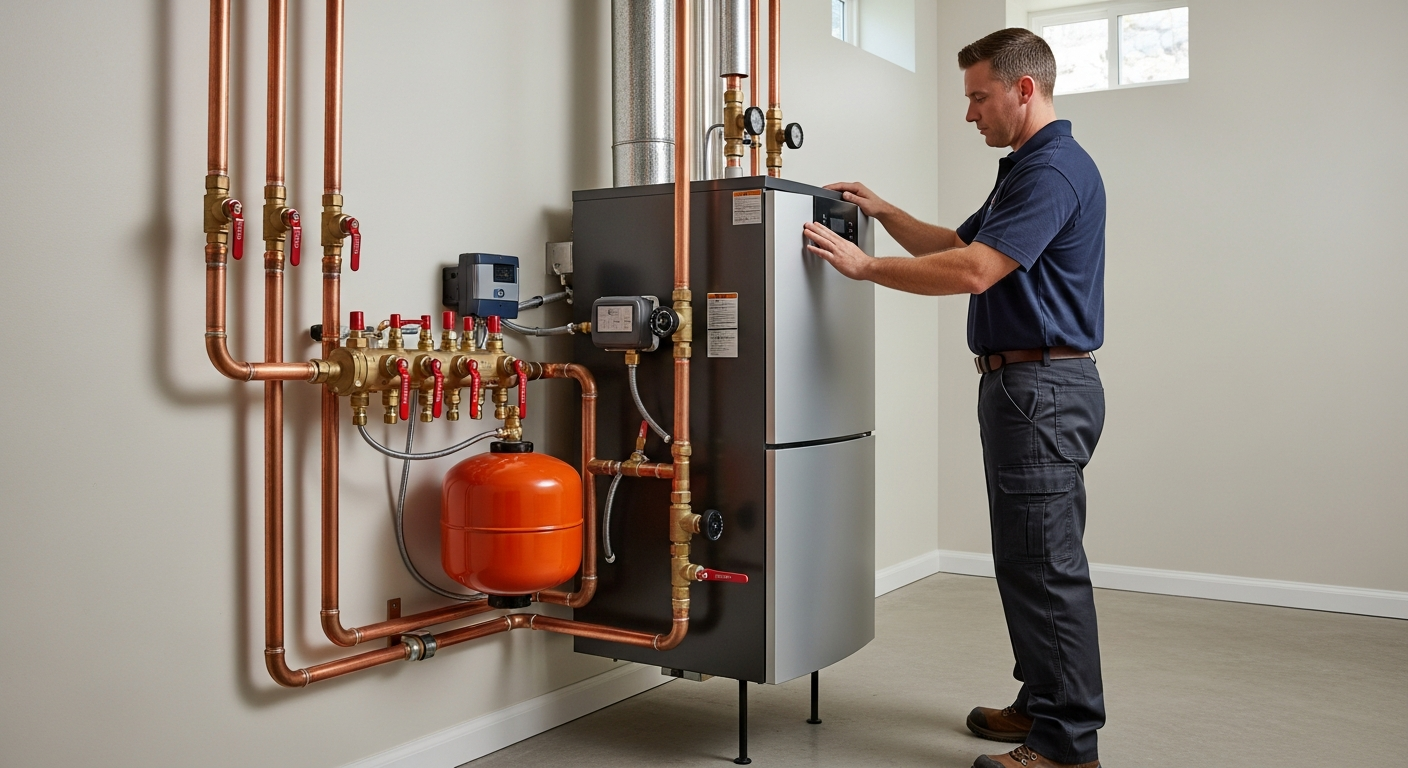
Shut off fast, then call a pro
At the first sign of gas, electrical burning, or major water leak, cut power and fuel using the switches and valves described here. Do not attempt to fix the equipment yourself—after the hazard is contained, use the linked tools to find and vet a qualified technician.
What Matters Most
- Locate and label all HVAC shut-off points today, before you need them.
- Gas smells and visible sparks always require immediate shut-off and often evacuation.
- Water damage can destroy circuit boards and start mold within 48 hours—cut power and mop up.
- Never restart a system after an emergency shut-off without a professional inspection.
- Use HVACDatabase’s Emergency Cost Estimator to budget before agreeing to after-hours work.
Strengths
- Provides immediate, specific actions without bulky background text
- Distinguishes clearly between what a homeowner can safely touch and what requires a technician
- Covers electrical, gas, and water emergencies in one place
- Links directly to free tools that help homeowners avoid overpaying
Weaknesses
- Shutting off gas at the meter requires physical strength and a wrench—some homeowners may need assistance
- In a panic, forgetting the exact location of shut-offs can delay response; physical labeling is critical
- After an emergency shutdown, the home loses heating or cooling until repairs occur, which can be uncomfortable in extreme weather
Emergency Response Decision Guide
| Scenario | What to shut off | Why |
|---|---|---|
| Rotten-egg gas odor | Gas valve at furnace or main meter | Prevent explosion or carbon monoxide poisoning |
| Burning smell or sparks from furnace | Indoor service switch and/or HVAC breaker | Stop electrical fire risk |
| Water pooling around indoor unit | Service switch, then mop water | Prevent short circuits and mold |
| Outdoor condenser smoking or flooded | Outdoor disconnect box | Stop compressor burn-out and shock hazard |
Introduction: Stop the Hazard in Seconds
When your HVAC system triggers a burning smell, gas odor, or sudden water leak, every second counts. This guide shows you the exact switches, valves, and breakers to shut off—for furnaces, air conditioners, and heat pumps—so you can stop the hazard fast without risking your safety. Learn where your emergency cut-offs live before disaster strikes, and what to do after you’ve de-energized the equipment. You’ll also find decision tables, cost estimates, and a contractor checklist to help you budget the repair and avoid unnecessary emergency-service markups.
Quick Answer
In an HVAC emergency:
- Leave the house immediately if you smell gas or see fire; call 911.
- If safe, turn off the thermostat.
- Flip the indoor service switch (often a red light-switch) to OFF.
- Shut off the outdoor disconnect for the AC (pullout or toggle).
- For gas, turn the dedicated valve 90 degrees so it’s perpendicular to the pipe.
- If you can’t reach those, cut power at the main breaker for the HVAC circuit.
- Then call a licensed HVAC professional for inspection.
Understanding Your Emergency Shut-Offs
Indoor Service Switch
Located on or right next to your furnace or air handler, this switch looks like a standard light switch but often has a red cover plate. Flipping it kills power to the blower and controls. Use it first for any indoor electrical burning smell, sparking, or sudden water leak. Temporary cooling options if a summer AC shutdown leaves you without air.
Main Breaker Panel
If the service switch is inaccessible or you suspect a larger arc, go to the home’s main electrical panel and flip the breaker labeled “Furnace,” “AC,” or “Heat Pump” to OFF. Do not touch any other breakers if you’re unsure. Never open the panel if it’s hot, sparking, or wet.
Outdoor Disconnect Box
Your outdoor condenser has a small metal box nearby. Inside is either a pullout handle (“slug”), a circuit breaker, or a toggle switch. Pull the handle or flip the switch to cut all high-voltage power to the compressor and fan. This prevents burnout from flooding, debris, or mechanical seizure. Before restoring, check and replace the air filter—a clogged filter often causes condenser strain.
Gas Shut-Off Valve
Every gas furnace has a shut-off valve on the gas line within three feet of the unit. The valve is open when the handle is parallel to the pipe; turn it a quarter-turn so it’s perpendicular to stop fuel flow. If you smell rotten eggs, evacuate first. Only attempt to close the valve if you can do so without entering a gas-filled room. For whole-house gas shut-off, locate the exterior gas meter and use a wrench to turn the rectangular valve perpendicular. After securing the area, find an emergency HVAC contractor to inspect for leaks.
Water Emergency Shut-Off
Water pooling around the indoor unit usually signals a clogged condensate drain or a cracked secondary heat exchanger. Shut off power at the service switch immediately to prevent electrical shorts. Clear standing water if you can safely reach it, but do not open the cabinet. Mold can start within 24–48 hours, so prompt attention matters—especially in humid climates.
Symptom-to-Action Decision Table
| Emergency Symptom | Immediate Action | Next Steps |
|---|---|---|
| Rotten‑egg gas smell | Evacuate. If safe, close furnace gas valve or main gas meter. | Call 911. Do not touch electrical switches. Book a pro inspection once cleared. |
| Burning smell or visible sparks from indoor unit | Turn off indoor service switch or HVAC breaker. | Do not touch metal cabinet. Call a licensed electrician or HVAC tech. |
| Water pooling around furnace/air handler | Shut off power at the service switch. Mop up water if safe. | Call for drain clearing or heat-exchanger inspection. Use Emergency Cost Estimator to budget. |
| Outdoor condenser smoking, flooded, or fan blade hitting debris | Pull the disconnect box handle or flip its breaker. | Clear visible debris only after power is confirmed off. Temporary cooling ideas while awaiting repair. |
| Loud buzzing, humming, or repeated clicking at start-up | Turn off thermostat and service switch or breaker. | Possible contactor or capacitor issue (pro-only). Use Quote Checker to verify repair estimates. |
Safety Boundaries: What Homeowners Can and Cannot Do
These actions are safe for homeowners and should be performed without hesitation:
- Flip the indoor service switch, outdoor disconnect, or labeled circuit breaker.
- Turn the gas shut-off valve on the equipment line a quarter-turn.
- Use the main gas meter shut-off with a wrench, only if you are outside and safe.
- Mop up standing water around the base of the unit.
- Visually inspect the area for obvious damage, but do not remove service panels.
These tasks are strictly for licensed professionals and must never be attempted by a homeowner:
- Opening the furnace or condenser cabinet to inspect wiring, burners, or capacitors.
- Checking or adjusting gas pressure, refrigerant levels, or heat exchanger integrity.
- Relighting a pilot light after a suspected gas leak.
- Replacing any electrical component (contactor, capacitor, control board, compressor).
- Any work involving combustion analysis or gas-line repair.
Decision Rules: When to Shut Off vs. Wait
Use these thresholds to decide whether you must act immediately or can monitor:
- Gas odor: Any smell of gas = shut off and evacuate. Do not wait.
- Burning smell: If you see smoke or sparks, shut off power instantly. If it’s just a dusty smell on first start-up, monitor for a few minutes; if it intensifies, turn off and call.
- Water leak: More than a cup of water pooling per hour = shut off. Minor condensate drips that you’ve seen before may just need a drain check. When in doubt, cut power to protect electronics.
- Strange noises: Loud screeching, grinding, or banging = shut off to prevent mechanical damage.
Use Our Tools to Prepare and Budget
- Emergency Cost Estimator: See realistic after-hours diagnostic and repair price ranges for your location before you call.
- HVAC Cost Estimator: Get personalized ranges for common repairs once the emergency is stabilized.
- Quote Checker: Compare contractor bids to avoid price gouging on rush jobs.
- Repair or Replace Calculator: Input your system age and repair cost to decide long-term after an emergency.
Contractor Checklist: 5 Questions Before You Approve Work
When calling for emergency service, ask:
- Are you licensed, insured, and specifically certified for HVAC and (if needed) gas work?
- What is your emergency diagnostic fee, and does it apply toward the repair? (Typical $80–$200, after-hours can be higher.)
- Can you provide a written estimate with a breakdown of parts and labor before starting?
- How much experience do you have with my system’s brand and fuel type?
- Will you test all safety controls (limit switches, pressure switches, gas valve) before restarting the system?
After the repair, always request an invoice showing the work performed. Use our contractor comparison tool to vet local options and read verified reviews.
Local Climate and Home-Age Considerations
Your emergency response should also account for where you live:
- Cold climates: A furnace shutdown in winter risks frozen pipes. While the HVAC is off, follow our guide to preventing frozen pipes and use safe portable heaters.
- Hot, humid regions: Water from a leaking indoor unit will quickly feed mold. Remove standing water and run a dehumidifier if available. Stay cool strategies without central air.
- Coastal areas: Salt corrosion can degrade disconnect boxes and wiring. Have a pro inspect the outdoor disconnect annualy; you can visually check for rust and replace a corroded pull-out cover (power off).
- Older homes: The main breaker panel may not be clearly labeled. Pre-label the HVAC circuit now. If your panel is a fuse box, pulling the correct fuse may require a professional.
Methodology: How Our Cost Guidance Works
Cost ranges cited in this guide are editorial estimates based on HVACDatabase’s analysis of thousands of service invoices across the U.S., adjusted for emergency surcharges, typical regional labor rates, and part availability. Diagnostic visits normally run $80–$200; after-hours calls may add 1.5x–2x. Repair prices reflect common compoenents (capacitors, contactors, drain clearing) and major work (compressors, coils) but exclude ductwork or structural fixes. Use our Emergency Cost Estimator for a location‑specific estimate.
FAQs
Where is my HVAC emergency shut-off?
The indoor service switch is typically a red- or black‑colored light switch on or next to the furnace/air handler. The outdoor disconnect is a small metal box within sight of the condenser. The gas valve is within three feet of the furnace on the black iron pipe. If you can’t locate them, check your home’s inspection report or search for a local contractor to label them.
Is it safe to turn off the gas myself?
Yes—if you can reach the shut-off valve without entering a room with a strong gas smell. Turn the handle a quarter-turn perpendicular to the pipe. If you smell gas heavily inside, evacuate immediately and let the fire department or utility handle it.
What if the breaker panel is behind the furnace or in a smoky room?
Do not enter. Instead, shut off the main breaker for the entire house from outside, if accessible, or call the fire department. Never compromise your safety to reach a switch.
Can I restart my HVAC after an emergency shut-off?
No. Only after a qualified technician inspects and confirms there is no gas leak, electrical fault, or water damage can the system be safely powered back on. Restarting prematurely risks fire, shock, or carbon monoxide poisoning.
How can I prevent panic during an emergency?
Label every shut-off now with durable tags. Create a simple diagram posted near the furnace and breaker panel. Keep the path to the gas meter and panel clear. Practice with your household so everyone knows where to go and what to touch.
Related articles
Connect this page to adjacent guides so readers keep moving deeper into the topic cluster.
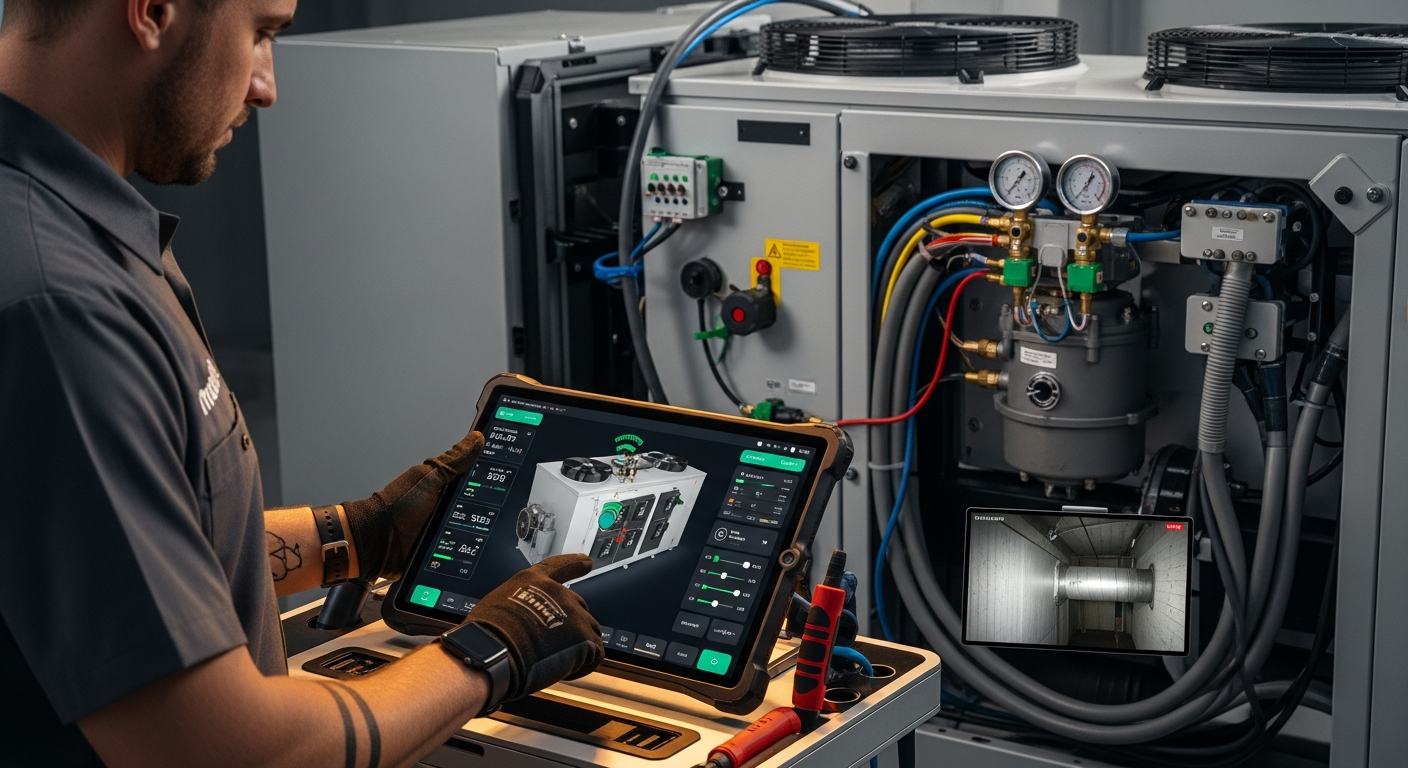
How to Implement a Whole Home Energy Management System
Integrate smart tech and HVAC controls to cut energy waste. This guide shows how to audit, upgrade, and automate your home's energy use, with real savings estimates.

How to Set Up Thermostat Geofencing
Set up thermostat geofencing to automatically adjust home temperature as you come and go. Save energy, extend equipment life, and never return to an uncomfortable house. Get our quick-start guide now.
How to Troubleshoot Smart Thermostat WiFi Issues
Your smart thermostat offline? Most WiFi drops can be fixed with power checks, router adjustments, and simple restarts. Follow our step-by-step guide to regain remote control and energy savings.