How to Use a Generator to Power Your HVAC
Powering your HVAC with a generator requires careful planning. Learn how to calculate wattage, choose the right generator, and keep your home comfortable during an outage.
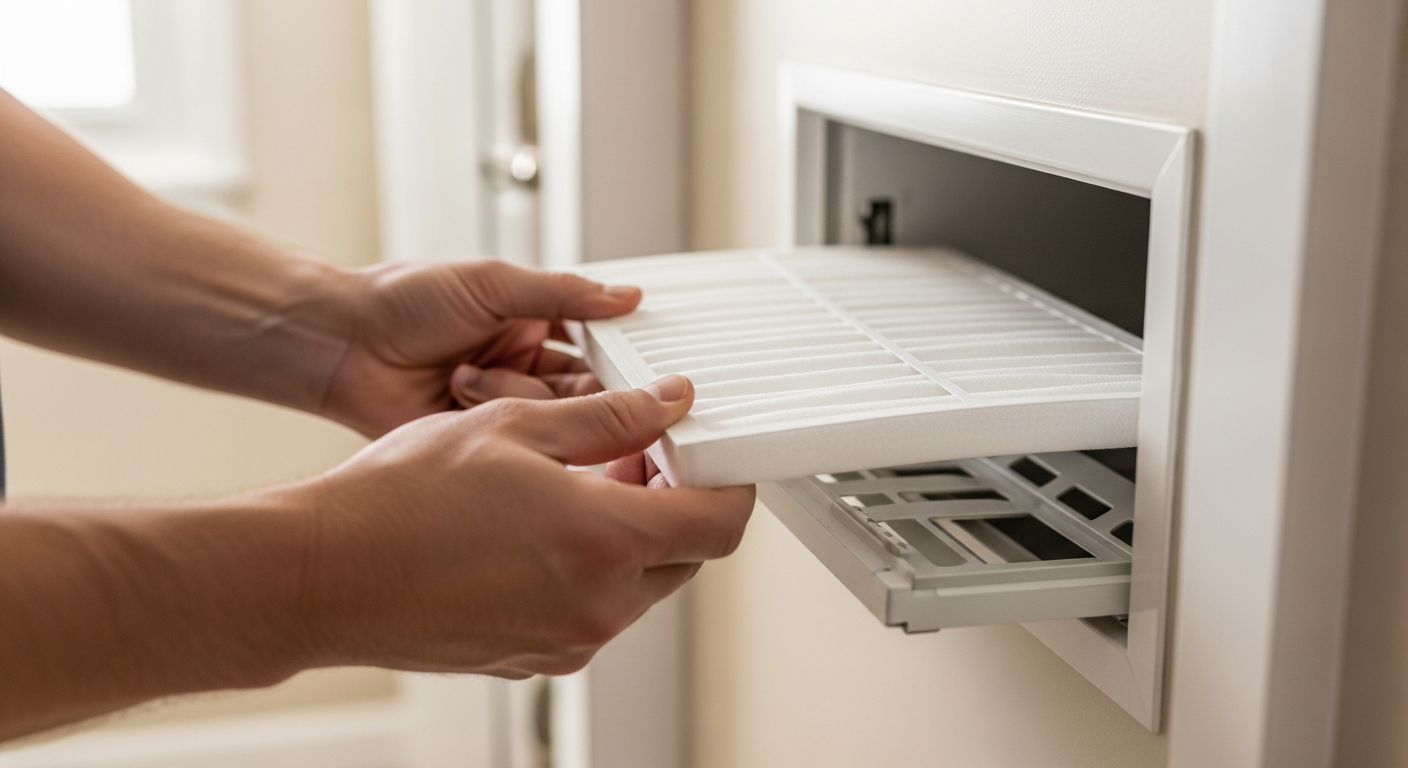
Keeping Your Comfort System Running During a Power Outage
When the grid goes down, your home can quickly become uncomfortable. Whether it is a summer heatwave or a winter blizzard, losing your HVAC system is more than an inconvenience; it can be a safety risk.
Using a generator to power your HVAC is a common solution, but it requires technical knowledge to do so safely. You cannot simply plug a central air conditioner into a standard wall outlet on a portable unit. This guide will walk you through the process of keeping your climate control active when the lights go out.
Understand Your HVAC Power Requirements
Before you attempt to hook up a generator, you must understand the difference between 'running watts' and 'starting watts.' HVAC systems, particularly air conditioners and heat pumps, require a massive surge of electricity just to get the compressor started.
A central AC unit might need 3,000 watts to run but could require 15,000 watts for a split second to start up. If your generator cannot handle that initial surge, it will trip a breaker or stall out immediately. You should also consider tips for avoiding HVAC emergencies to ensure your system is in peak condition before a storm hits.
Choosing the Right Generator for the Job
Not all generators are created equal when it comes to heating and cooling. You generally have two paths: portable units or standby systems.
- Portable Generators: These are affordable but usually only have enough power for window units, space heaters, or furnace blowers.
- Whole-House Standby Generators: These are hardwired into your electrical system and kick on automatically. They are the best choice for central air conditioning.
If you are debating which path to take, check out our comparison on whole house vs portable generators for more detailed insights. For smaller emergencies, you might also compare a portable heater vs space heater to bridge the gap during short outages.
Powering a Gas Furnace vs. Central AC
Powering a gas furnace is relatively easy because the fuel (natural gas or propane) provides the heat. The generator only needs to power the blower motor and the electronic ignition, which usually takes less than 1,000 watts. Most medium-sized portable generators can handle this via a dedicated transfer switch.
Central air conditioning is much more demanding. To run a 3-ton AC unit, you typically need a generator with at least 10,000 to 12,000 watts of peak capacity. If you find your AC is failing after a power surge, you may need to consult an emergency HVAC repair cost guide to estimate potential fixes.
Safety First: The Transfer Switch
You should never connect a generator directly to your home's wiring using a "suicide cord" (a male-to-male plug). This is illegal and incredibly dangerous, as it can back-feed electricity into the grid and injure utility workers.
Instead, have a licensed professional install a manual transfer switch or an interlock kit. This ensures that your home is completely disconnected from the utility grid before the generator power is applied. If you are preparing your system for cold weather, you should also learn how to winterize your air conditioner to prevent damage during the off-season.
Steps to Power Your HVAC Safely
- Calculate your load: Check the data plate on your outdoor condenser for the RLA (Running Load Amps) and LRA (Locked Rotor Amps).
- Check fuel levels: HVAC systems consume a lot of power, which means your generator will burn through fuel quickly.
- Switch the breaker: Use your transfer switch to isolate your home from the grid.
- Start the generator: Let it stabilize for a minute before flipping the HVAC breaker.
- Monitor the system: Listen for unusual noises or signs of the generator struggling.
Maintenance and Preparation
A generator is only useful if it works when you need it. Regular testing and oil changes are vital. Similarly, your HVAC system needs to be ready for the stress of generator power. If you notice issues during the transition, such as the system struggling to switch modes, read our guide on how to change your AC from cooling to heating mode.
Common maintenance tasks, like knowing how to fix a leaking condensate drain pan, can prevent water damage that might occur if the system restarts unexpectedly. Keeping your drains clear ensures that once the power is back, your system runs efficiently.
Find a Pro to Help
Sizing a generator and installing a transfer switch are not DIY projects for the average homeowner. Electricity can be lethal if handled incorrectly. To ensure your home is prepared for the next outage, you can find trusted HVAC contractors and electricians on HVACDatabase.com. These professionals can perform a load calculation and recommend the perfect setup for your specific equipment.
By partnering with a pro from HVACDatabase.com, you gain peace of mind knowing that your family will stay cool or warm no matter what happens to the local power grid. Proper preparation today saves you from a localized disaster tomorrow.
Related articles
Connect this page to adjacent guides so readers keep moving deeper into the topic cluster.

How to Get a Written HVAC Estimate
Discover the essential steps to obtaining a detailed written HVAC estimate and why documented quotes are critical for every homeowner.
How to Safely Restart HVAC After a Gas Leak
Discover the critical safety protocols and inspection steps required to safely restart your HVAC system following a gas leak detection or repair.

How to Handle HVAC Failure During a Newborn at Home
Discover essential safety tips and actionable steps to manage your home environment when your HVAC system fails with a newborn in the house.