HVAC Prep Checklist for Snowbird Homeowners
Heading south for the winter? Follow our comprehensive HVAC checklist to ensure your home remains safe, efficient, and damage-free while you are away.

Winterizing Your HVAC System: A Guide for Snowbirds
As the temperatures drop, many homeowners pack their bags and head to warmer climates. This transition, known as 'snowbirding,' requires more than just booking a flight; it requires careful preparation of your primary residence to prevent frozen pipes or system failures.
An unattended home is vulnerable to HVAC malfunctions that can lead to costly water damage or mold growth. By following a structured prep list, you can enjoy your time in the sun with total peace of mind.
Schedule a Professional Inspection
The single most important step before leaving is ensuring your furnace or heat pump is in peak condition. You do not want your heating system to fail during a polar vortex while you are thousands of miles away.
A professional technician can identify worn-out components that might fail under stress. You can easily find local, trusted professionals through the HVACDatabase.com contractor directory to perform these essential checks.
For more details on what these visits entail, check out the new guidelines for pre-season HVAC inspections. A small investment in maintenance now prevents a massive repair bill later.
Optimize Your Thermostat Settings
Many homeowners make the mistake of turning their heat off entirely. This is a recipe for disaster, as it allows interior temperatures to drop below freezing, leading to burst pipes.
Set your thermostat to a minimum of 55 degrees Fahrenheit. This provides enough warmth to protect your plumbing without significantly increasing your utility bills.
If you haven't upgraded yet, consider a smart thermostat. This allows you to monitor your home's temperature from your smartphone and receive alerts if the system loses power or the temperature drops unexpectedly.
Manage Humidity Levels
While cold air is generally dry, stagnant air in a sealed home can still lead to moisture issues. If you live in a humid region, ensure your HVAC system is set to manage indoor humidity to prevent mold growth on drywall and furniture.
Reviewing a seasonal HVAC maintenance schedule for homeowners can help you understand how humidity control fits into your overall home health strategy.
Change Your Air Filters
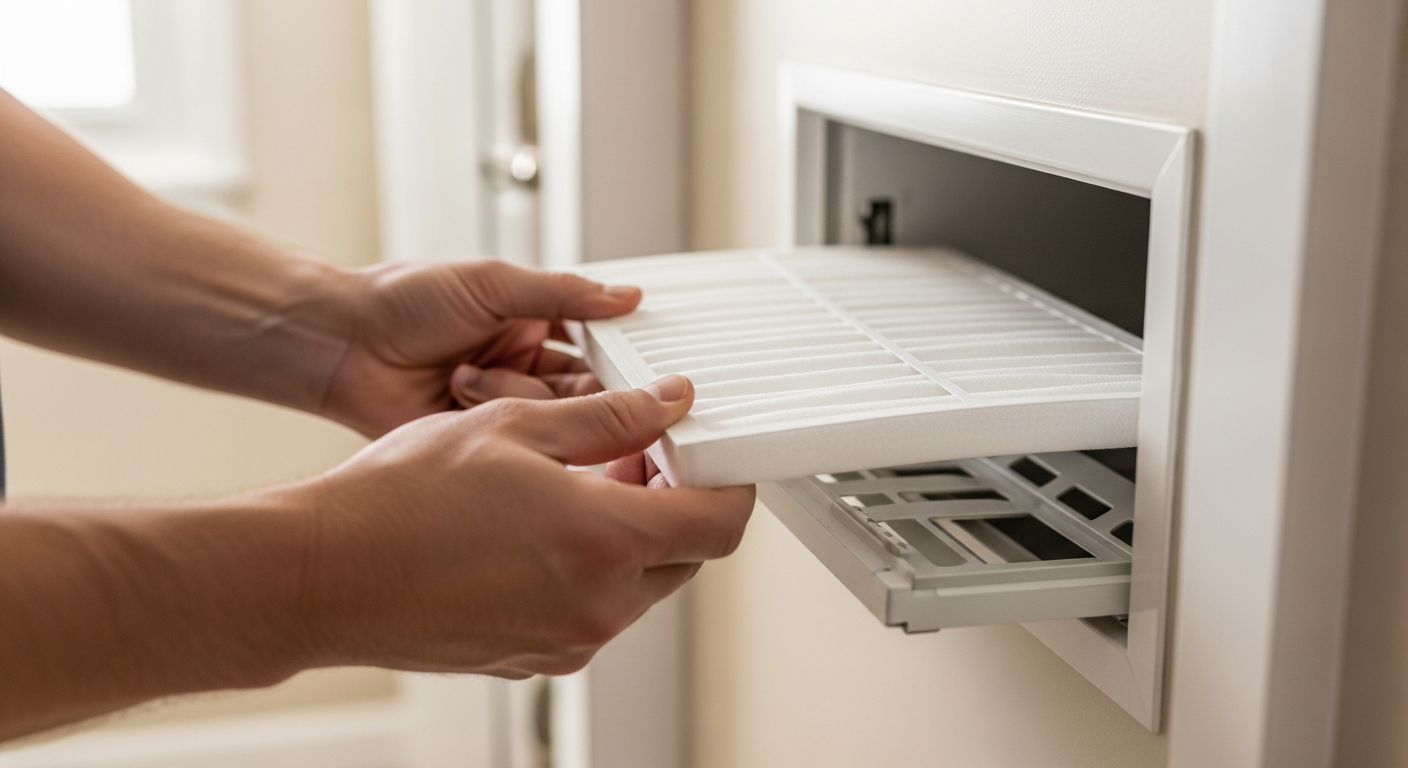
It might seem unnecessary to change a filter before you leave, but a clean filter ensures maximum airflow and efficiency. A clogged filter forces your blower motor to work harder, increasing the risk of a mechanical breakdown while you are away.
Install a fresh, high-quality pleated filter. This simple task is a core part of any HVAC tips for homeowners in cold-weather climates.
Clear the Exterior Area
Before you depart, walk around the exterior of your home. Ensure the outdoor unit or furnace exhaust vents are clear of debris, leaves, and tall grass.
If you live in an area prone to heavy snow, ensure that snow cannot easily drift and block your intake or exhaust pipes. Blocked vents can cause your furnace to shut down or, worse, lead to carbon monoxide buildup inside the home.
Prepare Your Plumbing and Heating Loops
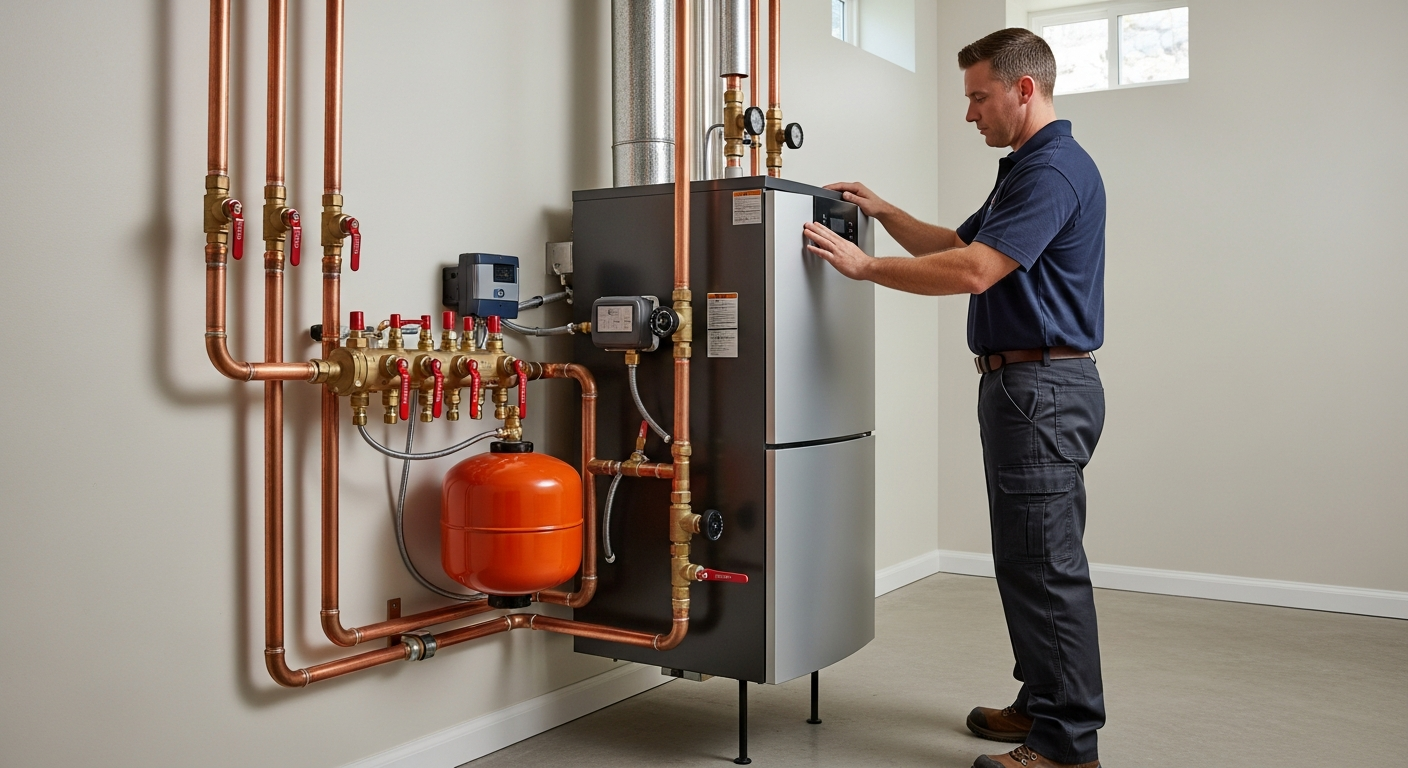
If your home uses a boiler or radiant heating, it is vital to ensure the system is clean. Some homeowners choose to flush your heating system before winter to remove sediment and improve heat transfer.
Additionally, consider a home energy audit to identify drafts or insulation gaps. Sealing these areas prevents your HVAC system from running unnecessarily while the house is empty.
The Importance of a Local Contact
Even with the best preparation, emergencies happen. Provide a neighbor or a local property manager with the contact information for your preferred HVAC contractor.
If they notice an issue, they can quickly coordinate a repair. You can pre-select a company using the verified listings on HVACDatabase.com so you know exactly who is entering your home.
Returning Home Safely
When you return in the spring, don't just crank the AC. There are specific tips for restarting your HVAC after an extended shutdown that can prevent system shock.
If you normally work remotely from your winter home, keep in mind these HVAC tips for people who work from home to ensure your temporary office stays comfortable and energy-efficient year-round.
Final Snowbird Checklist Summary
- Replace all air filters with fresh units.
- Set thermostat to at least 55°F (13°C).
- Turn off the main water supply (if appropriate for your climate).
- Check and clean all external vents and intakes.
- Test smoke and carbon monoxide detector batteries.
- Verify that your smart home monitoring systems are online.
By taking these proactive steps, you ensure that your return home is welcoming and stress-free, rather than a restoration project.
Related articles
Connect this page to adjacent guides so readers keep moving deeper into the topic cluster.
How Landscaping Affects Your HVAC Costs
Discover how strategic planting and shade can lower your cooling costs and improve the efficiency of your HVAC system while protecting your outdoor unit.
Tips for HVAC Efficiency in Passive Solar Homes
Maximize the benefits of your passive solar design with specialized HVAC strategies that balance natural heat gain with mechanical climate control.
Tips for Restarting Your HVAC After an Extended Shutdown
Restarting your HVAC after a long break requires more than just flipping a switch. Follow these essential steps to ensure your system runs safely and efficiently.