Hydronic Heating System Cost Guide
Hydronic heating installation costs $8,000–$25,000 for a typical home. Our guide breaks down boiler, radiant floor, and baseboard prices with tools, checklists, and safety tips to help you decide.
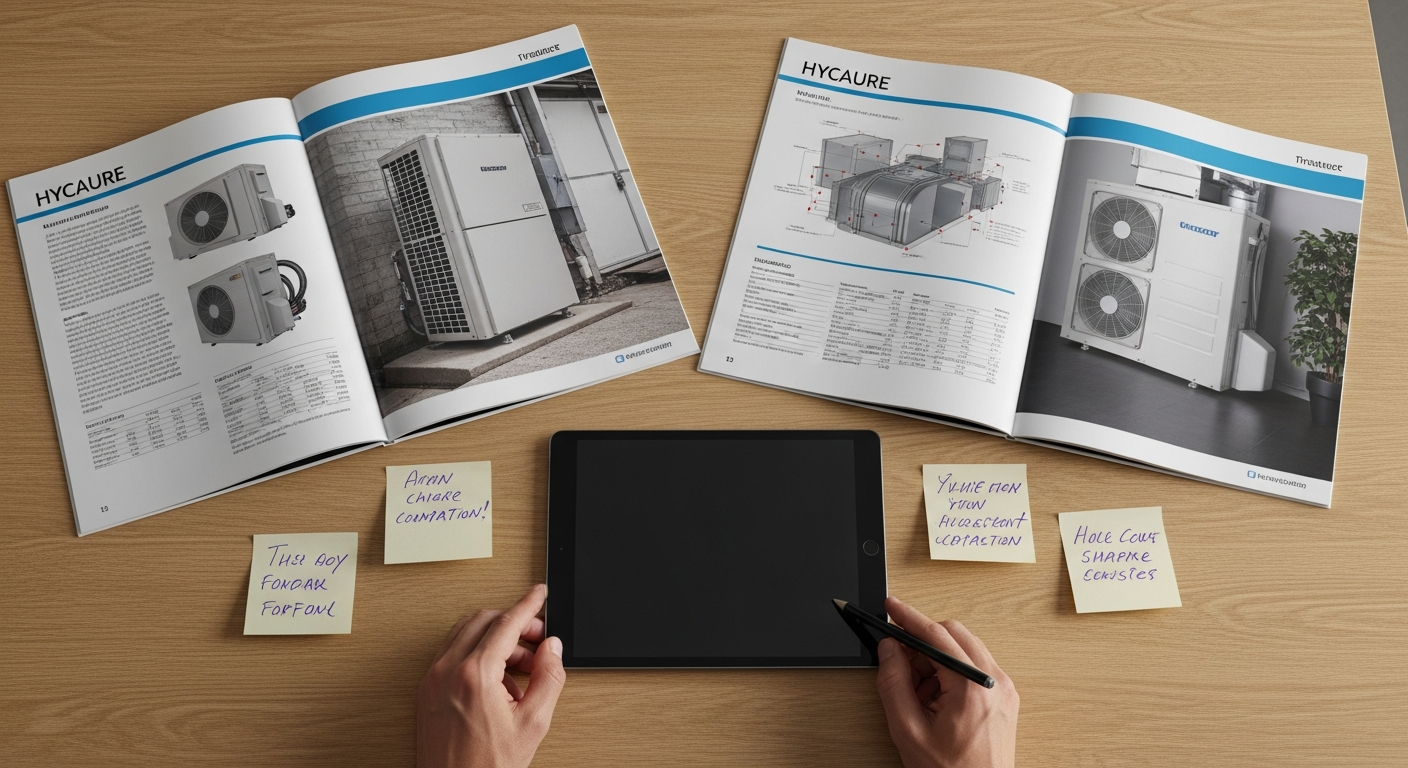
Premium Comfort with High Upfront Cost
Hydronic systems deliver unmatched quiet and even warmth, but the $12,000+ price tag and invasive retrofits make them best suited for new builds or planned renovations. If you prioritize allergies, silence, and long-term efficiency, it's worth the investment.
What Matters Most
- Expect to pay $12,000–$18,000 for a typical 2,000 sq ft installation.
- Boiler choice drives both initial and operating costs.
- Radiant floor is a luxury worth considering only during new construction or major renovations.
- Always hire a licensed hydronic specialist and demand a Manual J heat loss calculation.
- Annual professional maintenance is non-negotiable for safety and efficiency.
Strengths
- No airborne allergens or dust circulation
- Zoned comfort reduces energy waste
- Consistent, draft-free heat
- Long equipment lifespan (boilers 15–30 years, piping 50+ years)
- Compatible with solar thermal and other renewable heat sources
Weaknesses
- High upfront cost limits accessibility
- Slow to respond to thermostat changes
- Retrofits can require extensive demolition
- Does not provide cooling; separate AC needed
- Requires regular professional upkeep
When to Choose Which Hydronic Approach
| Scenario | Usually do | Why |
|---|---|---|
| Building a new home and want best comfort | Install radiant floor with condensing boiler | Open floors allow cost-effective tubing; condensing boiler saves fuel long-term. |
| Older home with existing radiators and a failing boiler | Replace boiler with high-efficiency unit; keep radiators | Reusing distribution slashes costs; efficiency jump lowers bills. |
| Budget-conscious retrofit in a cold climate | Install baseboard radiators and a mid-efficiency boiler | Baseboards cost $600–$1,200/room and provide quiet, even heat. |
| You have forced air but want better humidity control | Consider hydro-air coil add‑on | Uses ductwork; adds humidity control option; less comfortable than radiant. |
| You live in the South and need only occasional heat | Stay with heat pump or gas furnace | Hydronic overkill for mild winters; payback too long. |
Hydronic heating circulates hot water (or glycol) through sealed pipes to radiators or underfloor tubing, delivering quiet, even warmth without blowing allergens. While upfront costs exceed forced-air systems, comfort and energy savings often justify the investment. A full system for a 2,000 sq ft home typically costs $12,000–$18,000, with boilers, distribution, and labor as major line items. This guide gives you real price benchmarks, decision tools, and a contractor checklist to budget and hire smart.
Quick Answer
For a standard 2,000-square-foot home, budget $12,000–$18,000 for a complete hydronic system, including a mid-efficiency gas boiler and baseboard or radiant floor distribution. High-efficiency boilers and retrofits can push the total past $25,000. Installation takes one to two weeks. You’ll typically see a 15–30% reduction in heating bills compared to forced air, with zone control adding further savings. This system is ideal for allergy sufferers, new construction, and cold-climate homeowners seeking premium comfort.
System Cost Comparison
| System Type | Installed Cost Range | Best For | Key Considerations |
|---|---|---|---|
| Baseboard Radiators (hydronic) | $8,000–$15,000 | Retrofits, zoned heating | Lower upfront cost, easy to install in existing homes; less dust disturbance |
| Radiant Floor – New Construction | $12,000–$20,000 | New builds, allergy sufferers | Most comfortable and efficient; ideal when subfloor is accessible |
| Radiant Floor – Retrofit | $18,000–$30,000+ | Major renovations | High labor due to floor removal/reinstall; consider low-profile panels |
| High-Efficiency Condensing Boiler System | $15,000–$25,000+ | Cold climates, long-term savings | 90%+ AFUE; may require new venting and condensate drain |
All prices are editorial estimates; actual costs vary by region, home size, and labor rates.
Safety Boundaries: What Homeowners Can (and Cannot) Do
Hydronic systems involve water, electricity, and combustion – a mix that demands professional expertise for many tasks. However, there are safe checks you can perform yourself.
Safe Homeowner Checks
- Inspect radiators or baseboards for cold spots (indicating trapped air); bleeding is a safe DIY task. See our radiator bleeding guide.
- Check the boiler’s pressure gauge – it should read 1–1.5 bars when cold. Low pressure may indicate a leak or need for topping up (water only, no gas work).
- Ensure thermostats are set correctly and zone valves open when calling for heat.
- Look for visible water leaks around pipes or connections – puddles, stains, or corrosion.
- Verify that circuit breakers for the boiler and pumps haven’t tripped.
Pro-Only Work (Never DIY)
- Any gas line connection, combustion adjustment, or flue vent inspection.
- Electrical wiring inside the boiler cabinet, control board troubleshooting, or capacitor/relay replacement.
- Compressor, refrigerant, or high-voltage AC work (if your system includes a chiller).
- Boiler heat exchanger cleaning, burner removal, or any internal component swap.
Annual professional maintenance – including heat exchanger flush and combustion efficiency check – is essential to prevent mineral buildup and ensure safety. Expect to pay $150–$300 per visit or $250–$500 for an annual service plan.
Use Our Tools to Nail Your Budget
Before soliciting quotes, use these free HVACDatabase tools to build a realistic estimate:
- BTU Calculator – Determine the correct boiler capacity for your climate and home size. Oversizing wastes money; undersizing leaves you cold.
- Cost Estimator – Plug in your project details to get an editorial price range for your area.
- Repair or Replace Calculator – If you have an existing boiler, find out if repair or replacement makes more financial sense.
- Quote Checker – Upload contractor quotes and we’ll flag potential overpricing or missing line items.
Decision Guide: Is Hydronic Right for You?
Use these concrete rules to decide:
- New construction + allergies or silence priority? Go with radiant floor heating + high-efficiency condensing boiler.
- Retrofitting an existing home with forced air? Consider staying with high-efficiency forced air unless you can tolerate baseboard radiators and higher upfront cost. Radiant retrofit costs often outweigh gains.
- Older home with leaky, outdated steam radiators? Reuse the distribution by converting to hot-water hydronic and upgrading the boiler – often cheaper than a full rip-out.
- Budget under $10,000? Focus on high-efficiency baseboard units and a standard wall-hung boiler; skip radiant.
- Existing boiler over 20 years and repair quote exceeds $2,500? Replacement is usually the smarter long-term move. Use our repair or replace calculator to confirm.
- Cold climate (Zone 6–7) with high heating days? Invest in a condensing boiler with outdoor reset controls – it can cut fuel use by up to 30%.
Contractor Questions Before You Sign
Ask every bidder these questions and compare answers:
- “Are you licensed and insured specifically for hydronic heating in my state?”
- “Can you provide three recent hydronic installation references and photos?”
- “Will you perform a Manual J heat loss calculation to size the boiler, or do you use a rule of thumb?” (Accept only Manual J.)
- “What boiler brand, model, and AFUE rating do you recommend, and why does it suit my home?”
- “How will you handle zoning and balancing to ensure even heat in every room?”
- “What’s the total installed price, including permits, disposal, structural changes, and any needed electrical panel upgrades?”
- “If converting from oil to gas, what’s the cost and timeline for the conversion?”
- “What labor and parts warranties do you offer? Is the work guaranteed for at least one year?”
- “How long will the actual installation take, and how do you protect my floors and walls during work?”
- “Do you provide a written maintenance schedule and offer an annual service plan?”
Collect at least three bids and use our Quote Checker to spot outliers. Verify credentials via our contractor directory.
Regional Cost Factors and Considerations
Hydronic system prices shift by location. Keep these in mind:
- Cold climates (Northeast, Midwest): High heating demand justifies high-efficiency condensing boilers. Local codes may require specific venting; costs run 10–20% above the national average. See Chicago heating contractors for market examples.
- Humid regions (Southeast): Consider a separate dehumidification strategy, as hydronic doesn’t manage humidity like forced air. Budget for an independent dehumidifier if needed.
- Coastal areas: Salt air accelerates corrosion; stainless steel or coated components are worth the extra 5–10% in material cost.
- Older homes: May require electrical panel upgrades ($1,500–$4,000) to power modern boiler circulators and controls. Radiator retrofits can be invasive; plan for plaster repair.
- New developments: Radiant floor is easiest during framing; take advantage of open floors to keep labor low. Use our BTU calculator early in design.
How We Estimate Costs
Our editorial estimates draw from a combination of national contractor surveys, wholesale equipment pricing databases, and publicly available labor rate data. We adjust for regional cost multipliers and assume mid-efficiency equipment from reputable brands. Figures include labor for installation but exclude major structural renovations like asbestos abatement or full floor replacement. All prices are starting points, not guaranteed quotes. We recommend obtaining at least three written bids and using our Quote Checker to validate them.
Frequently Asked Questions
1. What is the return on investment for hydronic heating?
Annual heating costs typically drop 15–30% compared to forced air, depending on fuel type and efficiency. If you save $500/year on a $15,000 system, simple payback is around 30 years. However, comfort improvements, increased home value, and zone control often make it worthwhile even without a rapid financial return. High-efficiency boilers in cold climates can shorten payback to 10–15 years.
2. Can I add hydronic heating without tearing up existing floors?
Yes. Baseboard radiators require minimal demolition – just small pipe runs through walls or floors. For radiant heat, “staple-up” systems attach tubing beneath the subfloor from a basement or crawlspace, avoiding floor removal. Low-profile panel systems can be placed on top of existing floors with a thin covering. Full retrofit with underfloor tubing is possible but labor‑intensive and costly.
3. How often should a hydronic boiler be serviced?
Annually. A professional should inspect the burner, heat exchanger, and combustion chamber for debris or corrosion; test carbon monoxide levels; and flush the system if mineral buildup is present. Homeowners can bleed radiators as needed. Skipping maintenance can reduce efficiency by 10% or more and risks safety.
4. Can hydronic heating work with my existing forced-air ducts?
Hydronic is a separate system: water-filled pipes, not air ducts. You can install a hydro‑air handler that uses boiler-heated water to warm air blown through ducts, but it’s a hybrid and not true radiant hydronic. This adds cost but can be a compromise for homes with ductwork.
5. What temperature water runs through a hydronic system?
Standard baseboard systems circulate water at 140–180°F (60–82°C). Radiant floor systems typically run much cooler, between 85–140°F (29–60°C), which improves boiler efficiency and comfort. Outdoor reset controls automatically adjust water temperature based on outdoor conditions, saving energy.
Methodology
HVACDatabase estimates combine common contractor price patterns, service-category pricing ranges, equipment complexity, urgency, regional labor variation, and known HVAC safety boundaries. Actual prices vary by city, brand, system size, access, warranty status, permit requirements, and whether the visit discovers ductwork, electrical, refrigerant, gas, or drainage issues. Use these numbers to sanity-check quotes, not as a guaranteed price.
Related articles
Connect this page to adjacent guides so readers keep moving deeper into the topic cluster.

Cost to Install Multiple Smart Thermostats
Get a clear cost breakdown for installing 2–4+ smart thermostats. Includes equipment, labor, zoning upgrades, and how to save with utility rebates. Practical checks and contractor questions inside.
Duct Booster Fan Installation Cost
Uneven room temps? Duct booster fan installation costs: register fans $30–$100 DIY, inline fans $500–$800+ with pro. Learn when a booster works and when you need a bigger fix.
Makeup Air Unit Installation Cost Guide
Expect to pay $1,500–$4,500 for a pro-installed makeup air unit. Discover passive vs. tempered options, code triggers, and money-saving decision rules.