Oil to Gas Conversion Cost Guide
Switching from oil to natural gas? Our guide details conversion costs, compares oil vs gas, and offers a decision tree, contractor checklist, and rebate finder to help you decide.
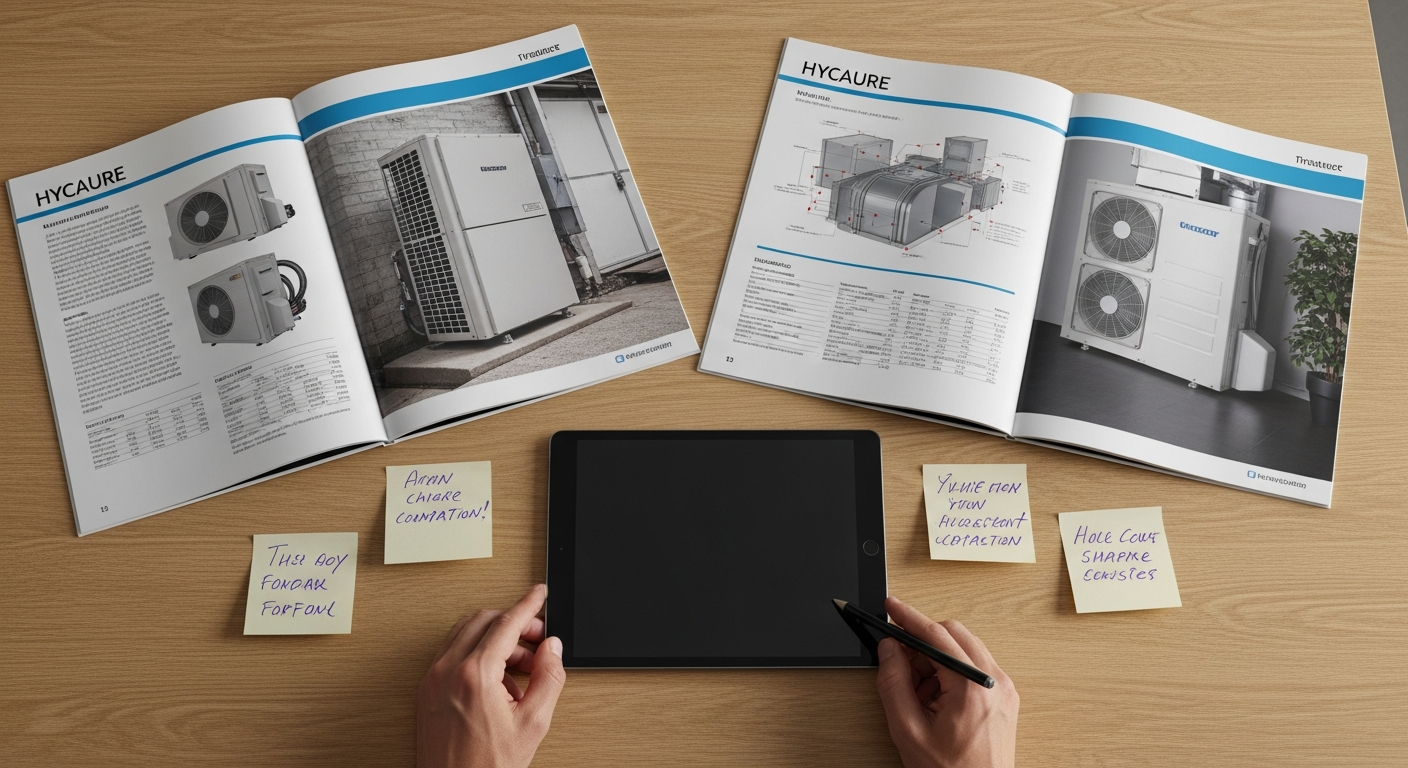
Convert If Gas Is Available and Equipment Is Old
For homes with access to natural gas and an aging oil system, converting pays for itself within 5–7 years through fuel savings, lower maintenance, and available rebates. Verify utility availability and tank condition first.
What Matters Most
- Total cost typically $6,000–$13,000; verify all line items in quotes.
- Use HVACDatabase’s tools to size, estimate, and check rebates before committing.
- Always hire a licensed pro for gas, tank, and venting work.
- Convert now if your oil tank or furnace is nearing end of life to avoid double replacement cost.
- Expect lower annual maintenance and no fuel delivery hassles.
Strengths
- Lower fuel costs and stable supply via underground pipes.
- Eligible for federal, state, and utility incentives.
- Increased home value and easier future sale.
- Cleaner burning reduces soot and service calls.
- Compatible with modern high-efficiency equipment.
Weaknesses
- High upfront investment may not be recouped if moving soon.
- Not an option where no gas line exists; heat pumps may be better.
- May require expensive chimney liner or ductwork upgrades.
- Gas prices can still fluctuate regionally.
- Permitting and utility coordination can cause delays.
Oil vs Gas: When to Convert
| Scenario | Usually do | Why |
|---|---|---|
| Your oil furnace is 15+ years old | Convert to gas | You need a new furnace anyway; gas saves $500+/yr in fuel and maintenance |
| Oil tank is rusty or 25+ years old | Convert to gas | Tank removal cost is unavoidable; bundling with conversion reduces overall project cost |
| Natural gas main is far (>200 ft) from house | Stick with oil or consider heat pump | Trenching costs can exceed $4,000, making payback too long |
| You plan to sell within 2 years | Maybe convert only if tank is failing | You may not recoup cost; but a failing tank must be dealt with |
Quick Answer
For most homeowners with access to a natural gas line, an oil-to-gas conversion is a sound investment that pays back through lower fuel costs, less maintenance, and reliable supply. Typical all-in cost: $6,000–$13,000. If your heating system is over 15 years old or your oil tank is aging, the savings and available rebates can make the switch even smarter.
Oil to Gas Conversion Cost Breakdown
| Item | Estimated Range | Notes |
|---|---|---|
| New gas furnace/boiler | $3,500–$9,000 | High-efficiency models cost more upfront but qualify for tax credits and rebates. Use our BTU calculator to size it right. |
| Oil tank removal or abandonment | $1,000–$3,000 | Required by most municipalities. Leaking tanks may cost more. |
| Gas line installation (from street to meter) | $1,000–$4,000 | Lower if gas is already at the house; higher if trenching is needed. |
| Chimney liner installation | $750–$2,000 | Stainless steel liner often needed for gas exhaust compatibility. |
| Permits and inspections | $200–$600 | Local fees vary. Always pull permits. |
| Total typical range | $6,000–$13,000 | Use our HVAC cost estimator for a personalized estimate. |
When Should You Convert? A Quick Decision Tree
Click to expand decision tree
Ask yourself:
- Is natural gas available on your street? If no, conversion is not possible. Consider heat pump alternatives.
- Is your current heating system over 12 years old? If yes, replacement is likely needed soon anyway—converting now avoids another oil system.
- Is your oil tank over 20 years old or showing signs of rust? If yes, replacement or removal is imminent. Combine with conversion.
- Can you access the rebate finder and see if local utility or federal tax credits cover 15%+ of the project? If yes, the payback period shortens drastically.
- Do you plan to stay in the home for 5+ years? If yes, you'll likely recoup the upfront cost through savings.
If you answered “yes” to 3 or more, conversion is likely a smart move.
Safety Boundaries: What You Can Do and What Must Be Left to Pros
Homeowner Safe Checks
- Confirm gas availability with your utility.
- Check your oil tank for visible leaks or rust (do not touch or move it).
- Gather quotes and verify contractor licenses through our quote checker.
- Test your carbon monoxide detectors and ensure they work before and after conversion.
Pro-Only Work (Do Not DIY)
- Disconnecting or capping any gas line — high risk of explosion or carbon monoxide poisoning.
- Removing, cleaning, or abandoning an oil tank — environmental hazard, requires certified disposal.
- Installing gas appliances or venting — requires pressure testing and code compliance.
- Any electrical work on control boards, capacitors, or high-voltage components — risk of shock or fire.
- Chimney or flue modifications — must meet fire safety and draft requirements.
Use Our Free Tools to Plan Your Conversion
- HVAC Cost Estimator: Get a personalized price range based on your location and system size. Try it here.
- Quote Checker: Upload proposals from contractors and get a detailed fairness review. Check your quote.
- Repair or Replace Calculator: Plug in your equipment’s age, repair history, and efficiency to see if converting is better than fixing. Calculate now.
- System Age Decoder: Enter your furnace’s serial number to find its exact age and make an informed decision. Decode it.
- BTU Calculator: Right-size your new gas furnace to avoid overpaying. Size it up.
- Rebate Finder: Discover federal, state, and utility incentives for high-efficiency gas appliances. Find rebates.
Contractor Checklist: 10 Questions to Ask Before You Sign
- Are you licensed, bonded, and insured for gas line and HVAC work in my area?
- Will you handle the permit process and call for all required inspections?
- Does your quote include complete oil tank removal, disposal, and any necessary soil testing?
- What size (BTU) gas furnace/boiler do you recommend, and how did you calculate it? (Ask for a Manual J load calculation.)
- Will you install a stainless steel chimney liner if needed, and is that included?
- What are the efficiency ratings (AFUE) of the equipment you’re proposing?
- Are you a factory-authorized dealer for the brand? How long is the labor warranty?
- Can you provide references from recent oil-to-gas conversions in my neighborhood?
- Will you handle the gas line disconnect of the old oil equipment and start-up of the new system?
- Do you offer a written guarantee on project completion date and price? Use our contractor comparison tool to weigh options.
Local Market Considerations
- Cold climates (e.g., Chicago, Boston): High-efficiency gas condensing boilers or furnaces shine. Ensure your contractor sizes for extreme cold; insulation upgrades may also improve payback. Find heating contractors in Chicago.
- Hot/humid climates (e.g., Phoenix): If you primarily use heat occasionally, a gas furnace paired with an existing AC may be ideal. Also consider a heat pump as an alternative. See AC contractors in Phoenix.
- Coastal areas: Salty air accelerates tank rust; removal may be urgent. Check for local environmental fees on tank disposal.
- Older homes: Knob-and-tube wiring or asbestos insulation may require abatement before new gas line installation. Check for adequate duct size — modern high-velocity systems may be an option.
How We Develop Our Cost Estimates
Our editorial team analyzes aggregated project data from HVACDatabase’s contractor network, public permit records, and labor rate databases. Ranges reflect typical projects and assume a licensed, insured professional doing all gas, venting, and electrical work. Prices are adjusted for regional differences and do not include federal or local rebates unless noted. Individual homes may vary significantly; we recommend using our tools and getting at least three written quotes.
Frequently Asked Questions
How long does an oil-to-gas conversion take?
Most projects take 3–7 days, depending on trenching for new gas lines and coordination with the utility.
Can I keep my existing heating system and just switch the burner?
No. Oil-fired appliances are designed differently; you must replace the entire furnace or boiler. Converting only the burner is unsafe and against code.
Are there any tax credits for oil-to-gas conversion in 2025?
Yes, high-efficiency gas furnaces (AFUE ≥ 97%) may qualify for up to $600 federal tax credit through the 25C program. Use our rebate finder to check eligibility.
What happens to the old oil tank if I don't remove it?
Abandoning a tank in-place is sometimes allowed, but it must be professionally cleaned and filled with sand or foam. Leaving an active or empty tank underground risks leaks and can affect future home sales.
Will my home insurance go down after switching to gas?
It may. Without an on-site oil tank, you eliminate the risk of a spill. Many insurers offer a discount; check with your provider.
Methodology
HVACDatabase estimates combine common contractor price patterns, service-category pricing ranges, equipment complexity, urgency, regional labor variation, and known HVAC safety boundaries. Actual prices vary by city, brand, system size, access, warranty status, permit requirements, and whether the visit discovers ductwork, electrical, refrigerant, gas, or drainage issues. Use these numbers to sanity-check quotes, not as a guaranteed price.
Related articles
Connect this page to adjacent guides so readers keep moving deeper into the topic cluster.

Cost to Install Multiple Smart Thermostats
Get a clear cost breakdown for installing 2–4+ smart thermostats. Includes equipment, labor, zoning upgrades, and how to save with utility rebates. Practical checks and contractor questions inside.
Duct Booster Fan Installation Cost
Uneven room temps? Duct booster fan installation costs: register fans $30–$100 DIY, inline fans $500–$800+ with pro. Learn when a booster works and when you need a bigger fix.
Makeup Air Unit Installation Cost Guide
Expect to pay $1,500–$4,500 for a pro-installed makeup air unit. Discover passive vs. tempered options, code triggers, and money-saving decision rules.