Online HVAC Troubleshooting vs In Person Service
Deciding between a DIY fix and a service call? Learn when online guides are enough and when you need a professional HVAC technician.
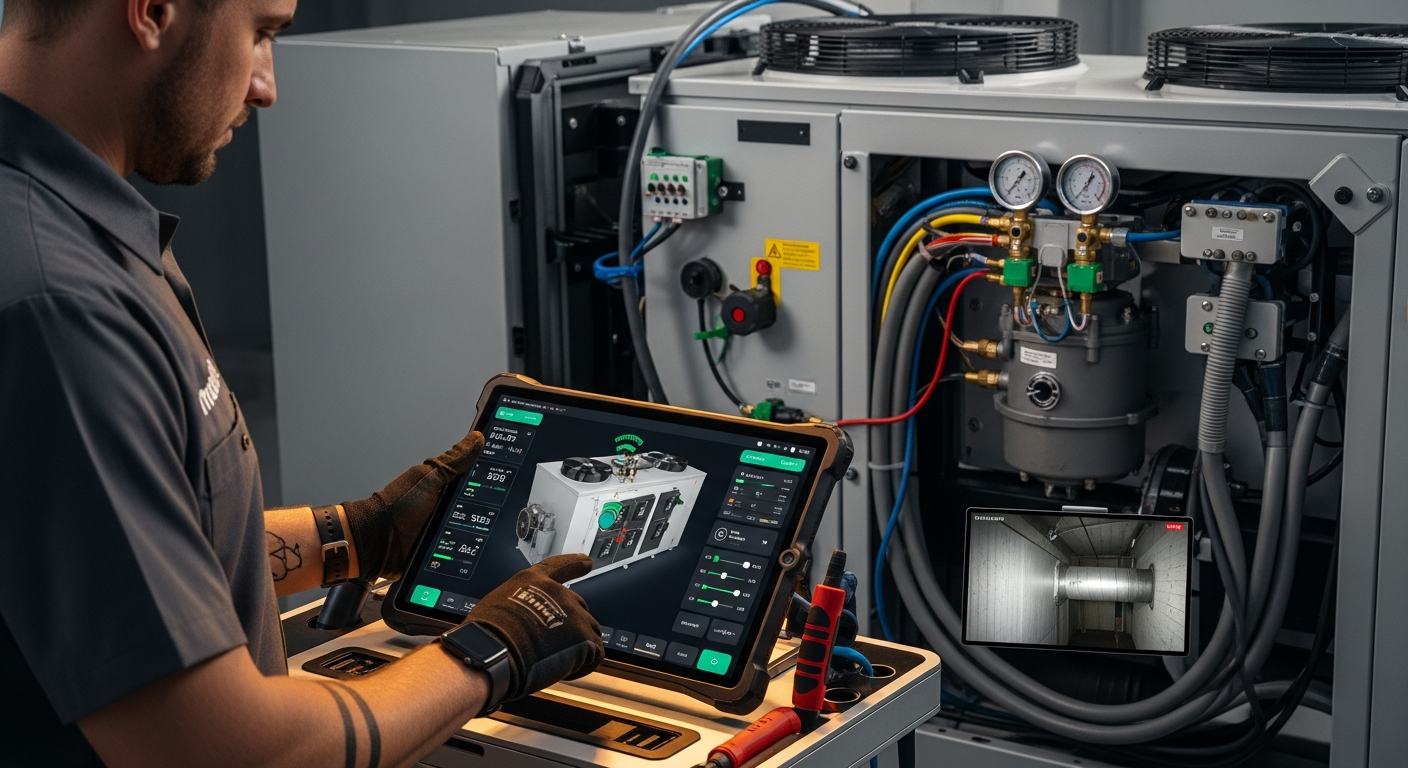
The Dilemma: Fix It Yourself or Call a Pro?
Every homeowner faces that moment of dread when the air conditioner stops blowing cold or the furnace begins making a strange clanking noise. Your first instinct might be to reach for your phone and search for a solution online.
While the internet is a vast resource for DIY enthusiasts, not every HVAC problem is suitable for a quick fix. Understanding the balance between online troubleshooting and in-person service is essential for your safety and your home's comfort.
The Power of Online HVAC Troubleshooting
Online resources have revolutionized how we maintain our homes. From step-by-step articles to video walkthroughs, you can find a guide for almost any minor mechanical issue.
When Online Guides Shine
Online troubleshooting is perfect for basic maintenance and diagnostic tasks. If your system isn't turning on, a simple search might remind you to check your circuit breaker or your thermostat batteries.
You can easily learn how to remove debris from your outdoor AC unit through online tutorials. These guides help you prevent major breakdowns before they start without spending a dime on labor costs.
Safety First: The Limits of DIY
However, there is a significant gap between YouTube HVAC tutorials vs hiring a contractor. While a video can show you how a component looks, it cannot provide the hands-on experience needed to handle high-voltage electricity or pressurized refrigerants safely.
Common DIY-Friendly HVAC Tasks
If you prefer the DIY route, stick to tasks that don't involve opening the sealed refrigerant loop or messing with gas lines. Many homeowners find success with these simple steps:
- Changing air filters every 30 to 90 days.
- Cleaning around the outdoor condenser unit.
- Unclogging a visible condensate drain line.
- Programming or calibrating a smart thermostat.
For those who want to be proactive, following tips for DIY annual HVAC maintenance can extend the life of your equipment. These small wins save money and provide a sense of accomplishment.
When In-Person Service is Mandatory
There are scenarios where "googling it" can actually lead to more expensive repairs or dangerous living conditions. Professional HVAC technicians undergo years of training to identify subtle signs of wear and tear that an untrained eye might miss.
Complex Electrical Diagnostics
While you might learn how to use a multimeter for HVAC troubleshooting, interpreting the readings correctly is another story. A professional understands the nuances of electrical resistance and load, ensuring they don't misdiagnose a failing compressor as a simple bad capacitor.
Refrigerant and Gas Issues
By law, only EPA-certified technicians should handle refrigerants. If your AC is low on Freon or Puron, there is a leak that needs to be brazed and sealed. Similarly, any issue involving a gas furnace or a combi-boiler vs traditional boiler setup should be handled by an expert to prevent carbon monoxide leaks.
The Value of Professional Expertise
Hiring a contractor from HVACDatabase.com ensures you are getting a verified professional who brings more than just tools to your home. They bring peace of mind and warranties on their labor.
Long-Term Savings
An online guide might help you fix a symptom, but a pro finds the root cause. For instance, if you are debating between quiet vs standard HVAC systems cost difference, a local expert can perform a Manual J load calculation to ensure the unit you choose is perfectly sized for your home's square footage.
Indoor Air Quality Expertise
Professionals also understand the mechanics of air movement. They can explain the benefits of an exhaust fan vs ERV for bathroom ventilation, helping you maintain a healthy home environment that prevents mold and mildew growth.
How to Decide: The 30-Minute Rule
A good rule of thumb for homeowners is the "30-Minute Rule." If you cannot identify the problem and find a safe, documented solution within 30 minutes of online research, it is time to call a professional.
Trying to force a DIY repair often leads to "part-changing," where homeowners buy various sensors and motors hoping one fixes the issue. This usually ends up costing more than a single service call from a trusted technician found on HVACDatabase.com.
Conclusion
Online troubleshooting is an incredible tool for education and minor maintenance. It empowers you to understand your home's systems and perform basic upkeep that prevents breakdowns. However, when it comes to technical repairs, electrical work, or complex system replacements, nothing beats in-person service.
Balance your curiosity with caution. Use the internet to stay informed, but rely on the experts for the heavy lifting. Your HVAC system is one of the most expensive investments in your home; treat it with the care it deserves by knowing when to put down the laptop and pick up the phone.
Related articles
Connect this page to adjacent guides so readers keep moving deeper into the topic cluster.
Bosch vs Carrier Heat Pumps
Choosing between Bosch and Carrier heat pumps? This guide compares their inverter technology, performance, and efficiency to help you decide.

DIY HVAC Filter vs Professional Filter Service
Choosing between DIY filter changes and professional service involves balancing cost, convenience, and technical expertise to ensure your home's air quality remains high.
Scroll vs Rotary HVAC Compressors
Discover the key differences between scroll and rotary compressors, including efficiency, noise levels, and which technology is right for your HVAC system.