Single vs Dual Stage Compressors
Discover the key differences between single and dual-stage compressors to improve your home's energy efficiency and comfort level.
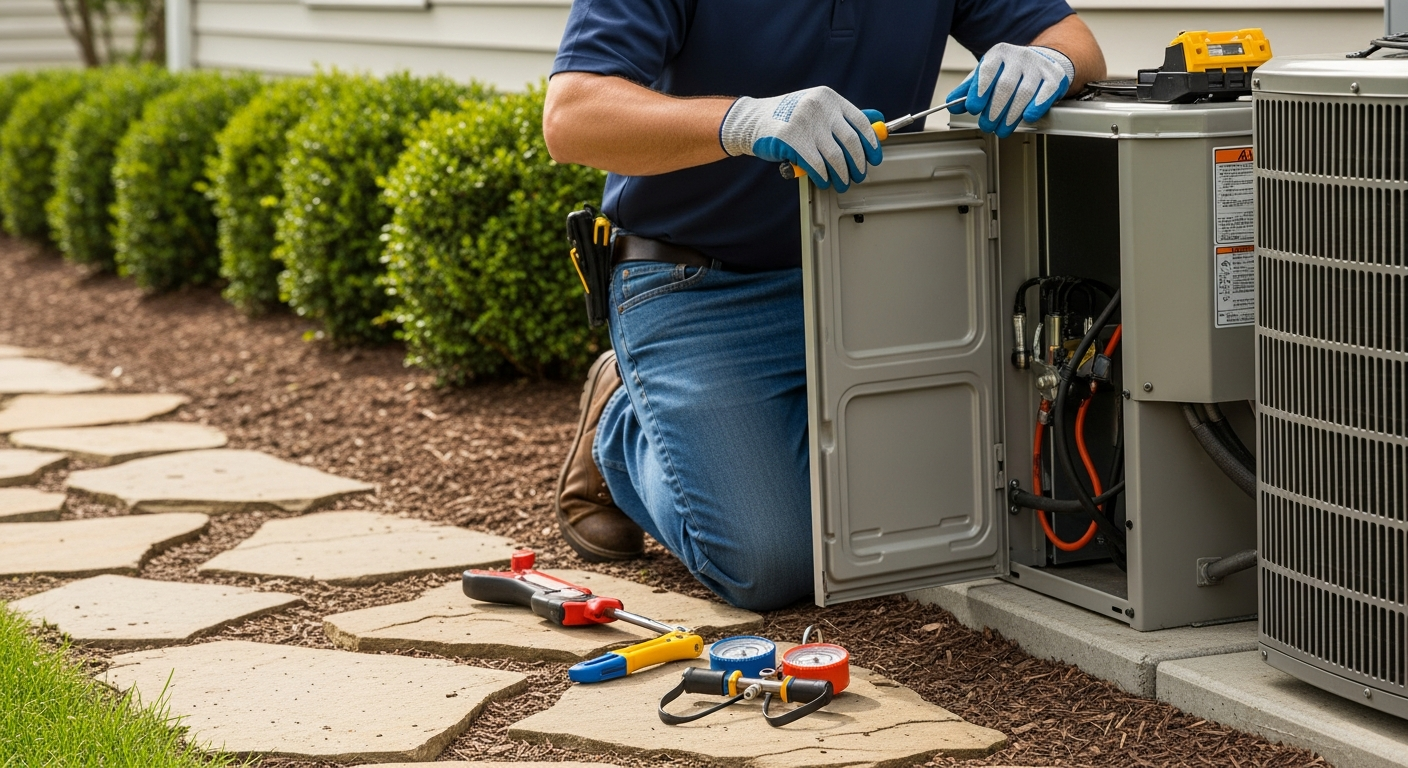
Choosing the Right Compressor for Your Home
When your air conditioner or heat pump reaches the end of its lifespan, you face a critical decision. You aren't just choosing a brand; you are choosing the technology that dictates your comfort for the next decade.
The heart of any HVAC system is the compressor. It is the component responsible for circulating refrigerant and cooling your home.
Homeowners generally choose between two primary types: single-stage and dual-stage (two-stage) compressors. Understanding these differences helps you make a smart investment when browsing budget vs premium HVAC equipment.
What is a Single-Stage Compressor?
Single-stage compressors are the traditional standard in the HVAC industry. They operate on a simple binary principle: they are either 100% on or completely off.
When your thermostat detects the temperature has risen above your setting, the compressor kicks on at full power. Once the target temperature is reached, it shuts down entirely.
Pros of Single-Stage Units
- Lower Initial Cost: These units are the most affordable to purchase and install.
- Simplicity: Fewer moving parts and simpler electronics often mean straightforward repairs.
- Availability: Almost every manufacturer produces reliable single-stage models.
Cons of Single-Stage Units
- Temperature Swings: Because they only run at full blast, you may notice 'cold blasts' followed by periods of rising heat.
- Energy Inefficiency: Starting and stopping consumes more electricity than maintaining a steady speed.
- Humidity Issues: Shorter run cycles may not allow enough time for the system to remove moisture from the air.
What is a Dual-Stage Compressor?
A dual-stage compressor, also known as a two-stage compressor, offers two levels of operation: high and low. Most units run at about 65-70% capacity on the low setting and 100% on the high setting.
On a typical day, the system stays in the low stage for longer periods. It only switches to the high stage during extreme heat or when you significantly lower the thermostat.
Pros of Dual-Stage Units
- Consistent Comfort: Longer run times at lower speeds eliminate the temperature fluctuations common in single-stage systems.
- Superior Dehumidification: Since the unit runs longer, it pulls significantly more moisture out of the air, making your home feel cooler at higher temperatures.
- Energy Savings: While the upfront cost is higher, the efficiency gains can lower your monthly utility bills.
Cons of Dual-Stage Units
- Higher Upfront Price: Expect to pay a premium for the advanced technology.
- Complexity: More sophisticated components can lead to slightly higher repair costs over time.
Comparing Efficiency and Performance
The efficiency of these systems is measured by SEER2 ratings. While single-stage units are often the baseline for efficiency, dual-stage systems bridge the gap between basic units and high-end variable-speed systems.
If you are interested in the next level of technology, you can learn about two-stage vs variable speed AC systems to see how they compare.
Which Is Best for Your Climate?
Climate plays a massive role in your decision. In regions with moderate temperatures, a single-stage unit might be sufficient. However, if you live in a humid or extremely hot environment, the benefits of a dual-stage compressor are undeniable.
For those utilizing electric heat, it is also worth considering how these compressors integrate with your heating source. You can explore the differences in our guide on gas furnace vs electric furnace setups.
Maintenance and Longevity
Regardless of which stage you choose, the lifespan of your unit depends on proper installation and maintenance. Complex dual-stage systems require technicians who understand modern communication boards and sensors.
When hiring a professional, be sure to understand flat rate vs hourly HVAC repair pricing so you aren't surprised by the bill. You should also check for hvac brands to avoid based on reviews before signing a contract.
The Impact of Refrigerant Changes
As you shop for a new compressor, be aware that the industry is undergoing significant changes. New environmental regulations are phasing out older refrigerants. You should educate yourself on the new R-454B refrigerant to ensure your new system is future-proof.
Finding the Right Professional
Choosing between single and dual-stage is a big decision, but you don't have to make it alone. A qualified technician can perform a Manual J load calculation to determine exactly what your home needs. To get started, homeowners can find trusted HVAC contractors on HVACDatabase.com who specialize in high-efficiency installations.
Final Recommendation
If you plan to stay in your home for more than five years and value indoor air quality, the dual-stage compressor is the superior choice. The improved dehumidification alone makes it worth the investment for most families.
However, if you are on a tight budget or replacing a unit in a rental property, a high-quality single-stage unit remains a reliable workhorse. For more technical details on how these motors function, read our breakdown of understanding HVAC compressor types.
Visit HVACDatabase.com to connect with local experts who can provide quotes for both single and dual-stage systems tailored to your specific home layout.
Related articles
Connect this page to adjacent guides so readers keep moving deeper into the topic cluster.
Scroll vs Rotary HVAC Compressors
Discover the key differences between scroll and rotary compressors, including efficiency, noise levels, and which technology is right for your HVAC system.

Fujitsu vs Mitsubishi Mini Split Systems
Deciding between Fujitsu and Mitsubishi for your ductless cooling? This guide compares performance, technology, and warranties to help you make the right choice.

Fujitsu HVAC Equipment Buying Guide
Discover the benefits of Fujitsu mini-splits and central heat pumps. This guide covers performance, cost factors, and how to find the right installer for your project.