Split System vs Packaged AC
Not sure whether a split or packaged air conditioner fits your home? Our guide breaks down efficiency, installation, costs, and maintenance so you can choose with confidence.

Split Systems Are the Go‑To for Most Homeowners
If you have indoor space and plan to stay in your home, a split system delivers higher efficiency, longer life, and better comfort control. Packaged units fill a vital niche for homes with no interior space or a tight budget.
What Matters Most
- A split system offers 20–50% higher SEER ratings and 5–10 more years of service life.
- Packaged units free up indoor space and can be installed quickly, often for $1,000–$2,000 less upfront.
- Always run a Manual J load calculation before choosing; oversizing or undersizing hurts efficiency.
- Check utility rebates—high-efficiency splits often qualify for $300–$1,000+ back.
Strengths
- Higher SEER ratings reduce monthly bills
- Longer lifespan protects your investment
- Wide range of furnace and coil combinations for custom comfort
- Preferred by homeowners who value quiet indoor operation
Weaknesses
- Requires dedicated indoor space and sometimes duct modifications
- Installation is more labor‑intensive and time‑consuming
- Higher upfront equipment cost
Decision Summary
| Scenario | Usually do | Why |
|---|---|---|
| You have a basement, attic, or large closet | Split system | Maximizes efficiency and lifespan; allows furnace pairing |
| Indoor space is extremely limited (mobile home, crawlspace) | Packaged unit | Eliminates indoor air handler; all equipment outside |
| You want lowest possible upfront cost and fast install | Packaged unit | Factory assembled and pre‑charged; less labor |
| Long‑term ownership (10+ years) in a hot climate | Split system | High SEER options pay back through energy savings |
When your air conditioner needs replacing, you’ll choose between a split system (separate indoor and outdoor units) and a packaged unit (all‑in‑one outdoor cabinet). This guide cuts through the confusion with a quick answer, side‑by‑side comparison, decision rules, and cost‑estimating tools—so you can decide confidently.
Quick Answer
If your home has a basement, attic, or closet for an indoor air handler and you want the highest seasonal efficiency, choose a split system. If indoor space is tight or installation cost is your top concern, a packaged unit gets the job done with less indoor footprint and often lower upfront cost.
How Each System Works
Split System
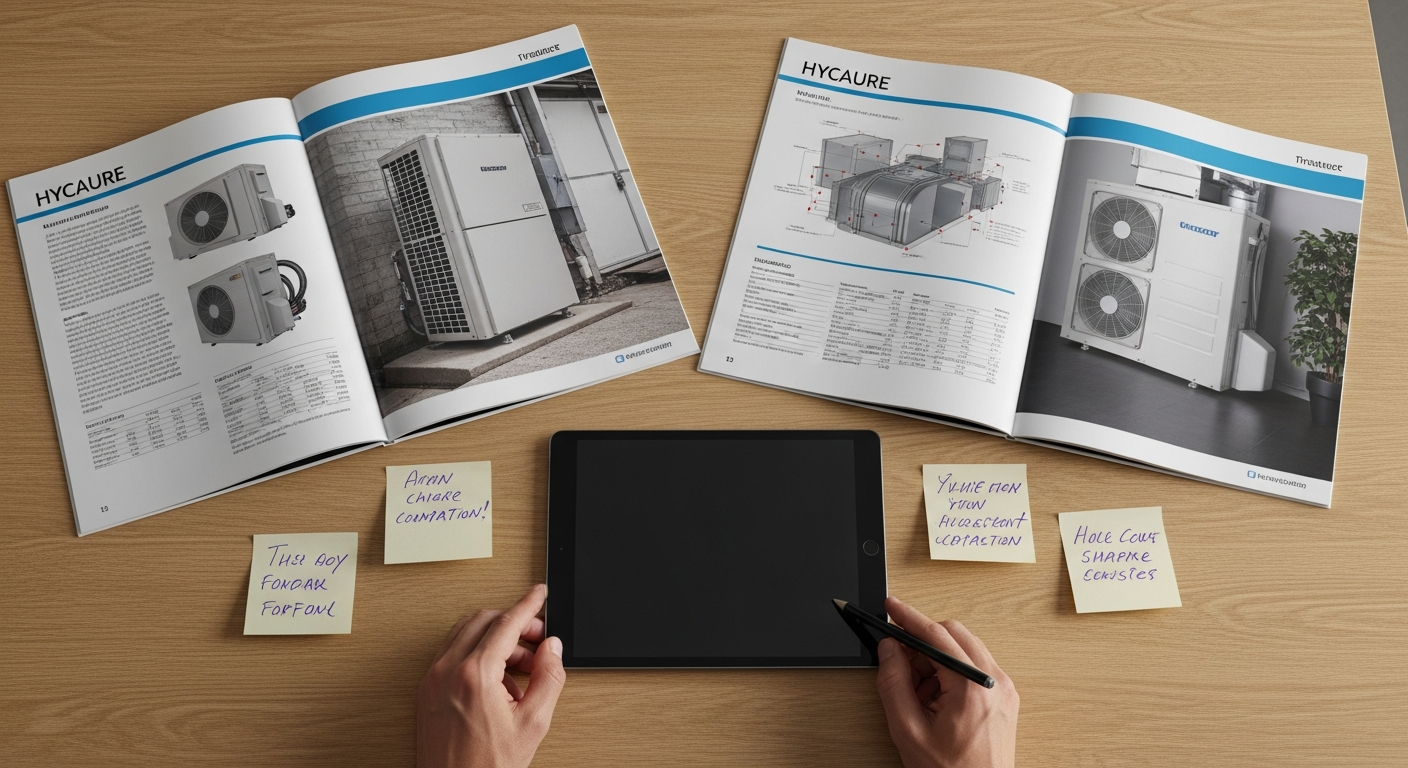
A split system places the noisy compressor and condenser outside in a metal cabinet, while the evaporator coil and blower sit inside (often paired with a furnace). Refrigerant lines run between them. This keeps sensitive components protected from weather and allows high-efficiency pairing.
Packaged Unit
All parts—compressor, coils, and blower—live in one outdoor cabinet, usually on a concrete slab or rooftop. Only ductwork enters the home. Factory assembly speeds installation and saves indoor space, but the entire system faces rain, snow, and heat.
Feature Comparison
| Feature | Split System | Packaged Unit |
|---|---|---|
| Typical SEER Range | 14–26+ | 13–18 |
| Installed Cost (Editorial Estimate)* | $5,000–$10,000 (AC + indoor coil, with existing furnace) | $4,000–$8,000 (complete system) |
| Space Required | Dedicated indoor space (closet, attic, basement) | Outdoor slab or roof only |
| Expected Lifespan | 15–20 years (indoor coil protected) | 10–15 years (all components exposed) |
| Maintenance Access | Inside and outside; more steps | All components in one outdoor location |
| Best For | Homes with furnace, long-term ownership, high efficiency | Limited indoor space, mobile homes, crawl spaces, budget-first |
*Costs are editorial estimates based on national averages; actual bids vary by region, ductwork, and rating.
Efficiency and Operating Costs
Split systems typically offer higher SEER ratings, meaning lower monthly electricity bills. For example, a 16 SEER split vs a 14 SEER packaged unit can save $150–$250 per year in a hot climate. Use our HVAC Cost Estimator to project lifetime energy savings.
Space and Installation Considerations
Installing a split system often requires running refrigerant lines through walls and placing an air handler in a conditioned space, increasing labor time. Packaged units arrive pre‑charged and need only duct and electrical connections, cutting installation to a single day in many cases. However, if you later need to replace a packaged unit, the entire system must be swapped at once, whereas splits allow mixing and matching high‑efficiency components.
Maintenance and Durability
Both systems need annual professional tune‑ups (typical cost $80–$250 per visit). Homeowners can safely handle filter changes (guide), outdoor coil cleaning (guide), and condensate drain pan clearing (guide). Packaged units are more exposed to weather and animals, but one‑piece design makes technician access easier. Split systems can develop refrigerant leaks at indoor coil connections over time—a pro‑only repair costing $500–$1,500.
Safety Boundaries
Homeowner‑Safe Tasks
- Replace air filters every 1–3 months.
- Keep outdoor unit free of debris and vegetation.
- Clean condenser coils gently with water (power off).
- Check and flush condensate drain lines to prevent clogs.
Pro‑Only Work
- Never handle refrigerant; it requires EPA certification.
- Never open electrical panels, test capacitors, or replace compressors.
- Never bypass safety switches or modify gas/electric connections.
If you suspect a refrigerant leak, mechanical failure, or electrical issue, find a vetted HVAC contractor.
Decision Tree: Which System Should You Choose?
- Do you have an indoor space (basement, attic, or closet) for an air handler?
- Yes → Split system is viable and often best.
- No → Packaged unit is likely your only option.
- Is long‑term energy efficiency your priority?
- Yes → Split system delivers higher SEER ratings and lower bills.
- No → Packaged unit offers acceptable efficiency at lower initial cost.
- Is your budget tight now, and do you plan to move within 5 years?
- Yes → Packaged unit may save on installation, but check rebates—find rebates.
- No → Invest in a split system for long-term savings and comfort.
Use Our Tools to Nail Down the Numbers
Make a data‑driven choice with these calculators:
- BTU Calculator – Correct sizing prevents short cycling and high bills.
- Cost Estimator – Ballpark your installation cost.
- Repair or Replace Calculator – See if your old system is worth fixing.
- Rebate Finder – Uncover utility incentives for high‑efficiency units.
Contractor Checklist: Questions to Ask Before You Sign
- Will you run a Manual J load calculation to size the system correctly?
- What SEER rating do you recommend for our climate and home, and what are the estimated annual operating costs?
- Is the unit factory‑charged? If a split system, can you confirm the refrigerant line set length limits?
- What warranties cover parts, compressor, and labor? How long?
- Does the quote include permit, disconnect, pad, and any duct modifications?
- Can you provide references from similar installations in my area?
- Are you licensed, insured, and bonded? (Verify at our contractor directory.)
Local Climate and Home Factors
Hot & Humid (e.g., Houston, Miami): A high‑SEER split system with proper dehumidification is ideal. Corrosion‑resistant coatings help in coastal areas.
Cold Climates (e.g., Chicago, Minneapolis): A split system often pairs with a gas furnace for dual‑fuel efficiency; packaged units can be roof‑mounted to avoid snow.
Tight Urban Homes (e.g., DC rowhouses): Packaged units on a flat roof save precious floor area.
Methodology
Our comparisons rely on manufacturer performance data (AHRI), U.S. Department of Energy benchmarks, and aggregated contractor pricing surveys conducted in 2024–2025. All cost ranges are editorial estimates meant for planning; actual quotes will vary with your home’s ductwork, local labor rates, utility rebates, and system capacity. Always obtain at least three written quotes. Tools like our Cost Estimator use regional multipliers and real‑time equipment cost data.
Frequently Asked Questions
Can I DIY install a packaged unit?
No. Even though packaged units are pre‑charged, installation requires electrical wiring, ductwork connections, and proper refrigerant charge verification—all pro work. Incorrect installation voids warranties and risks safety. Always hire a licensed HVAC contractor.
Are packaged units always less efficient?
Not always, but the highest SEER ratings (20+) are typically found only in split systems. Packaged units top out around 16–18 SEER, which still meets ENERGY STAR requirements in most regions.
How long do split vs packaged systems last?
Split systems average 15–20 years because the coil and blower are indoors. Packaged units average 10–15 years due to constant outdoor exposure. Proper maintenance extends both.
Do I need new ductwork when switching between system types?
Often, yes—especially if going from a split to a packaged unit, as the supply and return connections relocate. A pro must evaluate duct sizing and static pressure. Use our Repair or Replace Calculator to weigh options.
Which system is cheaper to repair?
Packaged units often have lower labor costs for common repairs because all components are accessible in one location. However, some parts (like the entire assembly) can be more expensive to replace. Split system repairs may involve two trips (indoor and outdoor) but individual component replacement can be less costly.
Related articles
Connect this page to adjacent guides so readers keep moving deeper into the topic cluster.
Electrostatic vs Pleated HVAC Filters
Electrostatic filters are washable and budget-friendly over time, but pleated filters catch more allergens. See which fits your home's air quality and HVAC demands.

Supply vs Exhaust Ventilation Systems
Discover whether a supply or exhaust ventilation system suits your home’s climate, budget, and air quality goals. Our guide includes cost ranges, safety tips, and pro checklists.
Smart Thermostat vs Smart Vent System
Homeowners often ask: smart thermostat or smart vents? Our practical guide explains the core trade-offs, safety limits, and a clear decision path to avoid wasting money or harming your system.