Whole Home Dehumidifier Cost Guide
Planning to improve your indoor air quality? A whole-home dehumidifier costs $1,500–$3,500 installed. Use our guide to see if it fits your budget and climate.

For Most Humid-Climate Homes, a Whole-Home Dehumidifier Is a Smart Investment
If indoor humidity consistently climbs above 55% and you're already using portable units, a professionally installed whole-home system offers better comfort, lower energy bills, and protection against mold damage.
What Matters Most
- Budget $1,500–$3,500 for a fully installed system; get at least three quotes.
- A 70-pint unit handles most homes under 2,500 sq ft; go larger for very damp regions.
- Never attempt DIY installation—electrical and ductwork risks are high.
- Annual maintenance keeps the system running efficiently for a decade or more.
Strengths
- Integrates seamlessly with existing HVAC ductwork.
- Reduces strain on air conditioner, potentially lowering cooling costs.
- Protects home structure and finishes from moisture-related damage.
- Operates quietly and automatically, no need to empty a bucket.
Weaknesses
- Higher upfront cost than multiple portable units.
- May require electrical and ductwork upgrades that add to total cost.
- Not cost-effective for homes with mild humidity or those that can fix the source of moisture (e.g., crawlspace encapsulation).
Whole-Home vs. Portable Dehumidifier: Decision Summary
| Scenario | Usually do | Why |
|---|---|---|
| Consistent high humidity across multiple rooms | Install a whole-home dehumidifier | Covers entire home; runs on its own schedule; lower long-term cost per pint of moisture removed. |
| One damp basement or crawlspace only | Use a standalone 50-pint portable unit | Targeted solution; under $300; no ductwork needed. |
| Mild humidity but musty odors | Inspect and improve ventilation (e.g., exhaust fans, ERV) | Often a cheaper fix; addressing air movement can resolve the issue without new equipment. |
Quick Answer: Whole Home Dehumidifier Costs
Installing a whole-home dehumidifier typically ranges from $1,500 to $3,500, including the unit and professional labor. Most mid-sized homes (2,000–3,000 sq ft) fall near $2,200–$2,800. High-capacity 120-pint units in humid regions may push closer to $3,500. Factors like ductwork modifications, electrical upgrades, and drain complexity can shift the price. Use our HVAC Cost Estimator to get a personalized range in under two minutes.
Cost Breakdown: What You're Paying For
| Component | Typical Range | Notes |
|---|---|---|
| Dehumidifier unit | $800–$2,200 | 70-pint models: $800–$1,400; 90–120-pint: $1,200–$2,200 |
| Installation labor | $500–$1,500 | Ductwork tie-in, drain line, electrical hookup, humidistat |
| Optional electrical work | $150–$500 | If a dedicated 20A circuit is needed |
| Ductwork repairs | $200–$1,200+ | Sealing leaks or upgrading size for proper airflow |
| Annual maintenance | $100–$250 | Coil cleaning and filter replacement |
Editorial estimates—actual quotes vary by region and contractor. Compare local bids before deciding.
Key Factors That Move the Price
- Home size and humidity load: Larger or damper homes need higher pint-per-day capacity. Use our BTU and Load Calculator for sizing context.
- Existing ductwork health: Leaky or undersized ducts inflate costs. A duct inspection often reveals hidden issues.
- Drainage complexity: Gravity drains cost less than condensate pumps. Pump installations add $150–$400.
- Electrical readiness: If your panel can't support a new circuit, upgrade costs vary widely.
Safety Boundaries: Homeowner vs. Pro Work
Installing a whole-home dehumidifier involves sheet metal, refrigerant-adjacent ductwork, and high-voltage connections. These tasks are firmly off-limits for DIY. However, you can safely:
- Measure indoor humidity with a $10 hygrometer. If above 60% consistently, a dehumidifier may help.
- Check your air filter monthly; a dirty filter reduces airflow and increases humidity.
- Verify that existing bathroom exhaust fans vent outside—not into the attic.
- Inspect for standing water, musty odors, or mold spots that signal a moisture problem.
Never attempt to modify refrigerant lines, install a condensate drain into a sewer line without a trap primer, or wire a 240V circuit without a licensed electrician. Poor installation can cause water damage, mold growth, or electrical fires.
When Does a Whole-Home Dehumidifier Make Sense? Decision Rules
Consider a whole-home system if three or more of these apply:
- Your home feels sticky or smells musty even when the AC runs.
- Indoor humidity exceeds 55% during cooling months, measured at midday.
- You use multiple portable dehumidifiers and empty buckets daily.
- You see cupping wood floors, peeling wallpaper, or mildew on bathroom ceilings.
- Energy bills are climbing because your AC overcools to remove moisture.
If only one bedroom or basement is damp, a standalone unit (or fixing ventilation, e.g., upgrading a bathroom fan) may solve it for under $500.
Contractor Checklist: 7 Questions Before You Hire
- “Will you perform a Manual J or room-by-room load calculation for dehumidification sizing?”
- “Do you pull a permit and schedule an inspection? (If required locally)”
- “Can you install a dedicated drain with an air gap to prevent sewer gas backflow?”
- “How will the system integrate with my existing thermostat or smart home controls?”
- “Do you offer a duct-leakage test before and after to ensure the system doesn't depressurize my home?”
- “What’s the warranty on the unit and on your labor?”
- “Can you provide at least three references from similar installations?”
Use our Contractor Comparison Tool to verify licenses, insurance, and reviews before scheduling.
Local Insights: Climate Shapes Your Choice
- Hot-Humid (Southeast, Gulf Coast): A whole-home dehumidifier often pays for itself within 3–5 years by reducing AC runtime and preventing mold. Look for rebates via our Rebate Finder.
- Hot-Dry (Southwest): Whole-home units are less critical. Evaporative cooling may be sufficient, but if you have a pool or indoor fountain, consider a smaller 70-pint model.
- Mixed-Humid (Midwest, Northeast): Basements and sealed attics benefit most. Ask about ERV/HRV integration for balanced humidity control.
- Older Homes: Often lack dedicated returns or have undersized ducts. Budget an extra $500–$1,500 for modifications. Use our System Age Decoder to see if your HVAC is due for replacement before adding a dehumidifier.
Tools to Help You Decide
Run the numbers before calling a contractor:
- HVAC Cost Estimator – personalized price ranges based on your zip code.
- Quote Checker – upload bids to see if they're fair.
- BTU Calculator – understand your home's total load.
Methodology: How We Estimate Costs
Our editorial cost ranges come from analyzing HVACDatabase contractor pricing data, manufacturer MSRPs, and nationwide labor surveys. We update figures semi-annually. These are not guaranteed quotes; always get at least three local bids. Learn more at our Cost Guide Hub.
Frequently Asked Questions
1. Can I install a whole-home dehumidifier myself?
No. It requires altering ductwork, running new electrical circuits, and possibly tapping into refrigerant lines. Improper installation can lead to water leaks, mold, and voided warranties. Always hire a licensed HVAC contractor.
2. How do I know what size dehumidifier I need?
Contractors size by pint removal per day. A rough guideline: 70 pints for up to 2,500 sq ft in moderately humid areas; 90–120 pints for larger homes or very humid climates. A Manual J calculation is the professional standard.
3. Will a whole-home dehumidifier lower my AC bills?
Yes, often by 5–15%. When humidity is controlled, you can set the thermostat higher without sacrificing comfort. The system also reduces the latent load on your AC, allowing it to cool more efficiently.
4. How long does a whole-home dehumidifier last?
Expect 10–15 years with annual coil cleaning and filter changes. The compressor is the critical component; keep the filter clean to prolong its life.
5. Are there any rebates or tax credits for dehumidifiers?
Whole-home dehumidifiers are generally not covered by federal tax credits, but some local utilities offer rebates if the unit meets ENERGY STAR criteria. Check our Rebate Finder for offers in your area.
Last updated: based on HVACDatabase editorial standards. Always verify with local code and licensed professionals.
Related articles
Connect this page to adjacent guides so readers keep moving deeper into the topic cluster.

Cost to Install Multiple Smart Thermostats
Get a clear cost breakdown for installing 2–4+ smart thermostats. Includes equipment, labor, zoning upgrades, and how to save with utility rebates. Practical checks and contractor questions inside.
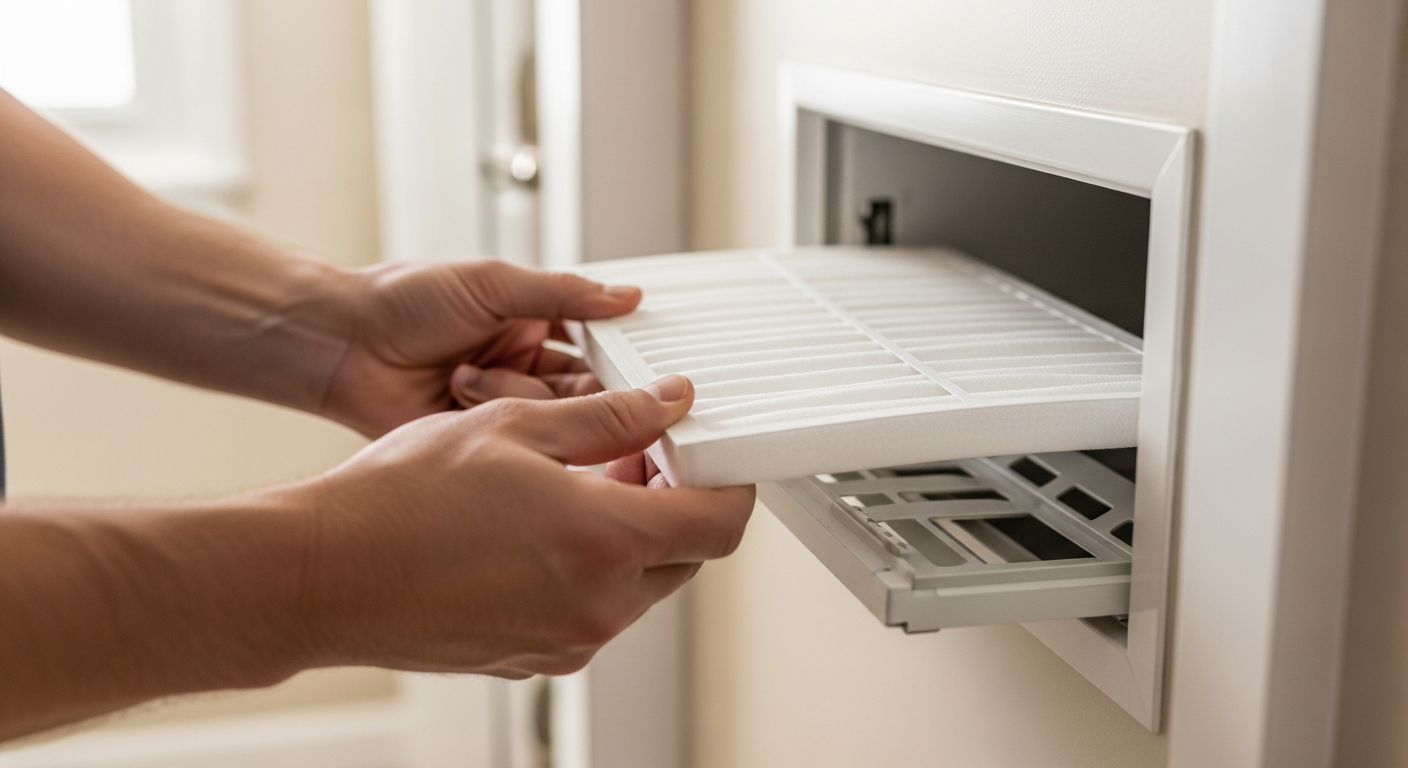
Duct Booster Fan Installation Cost
Uneven room temps? Duct booster fan installation costs: register fans $30–$100 DIY, inline fans $500–$800+ with pro. Learn when a booster works and when you need a bigger fix.
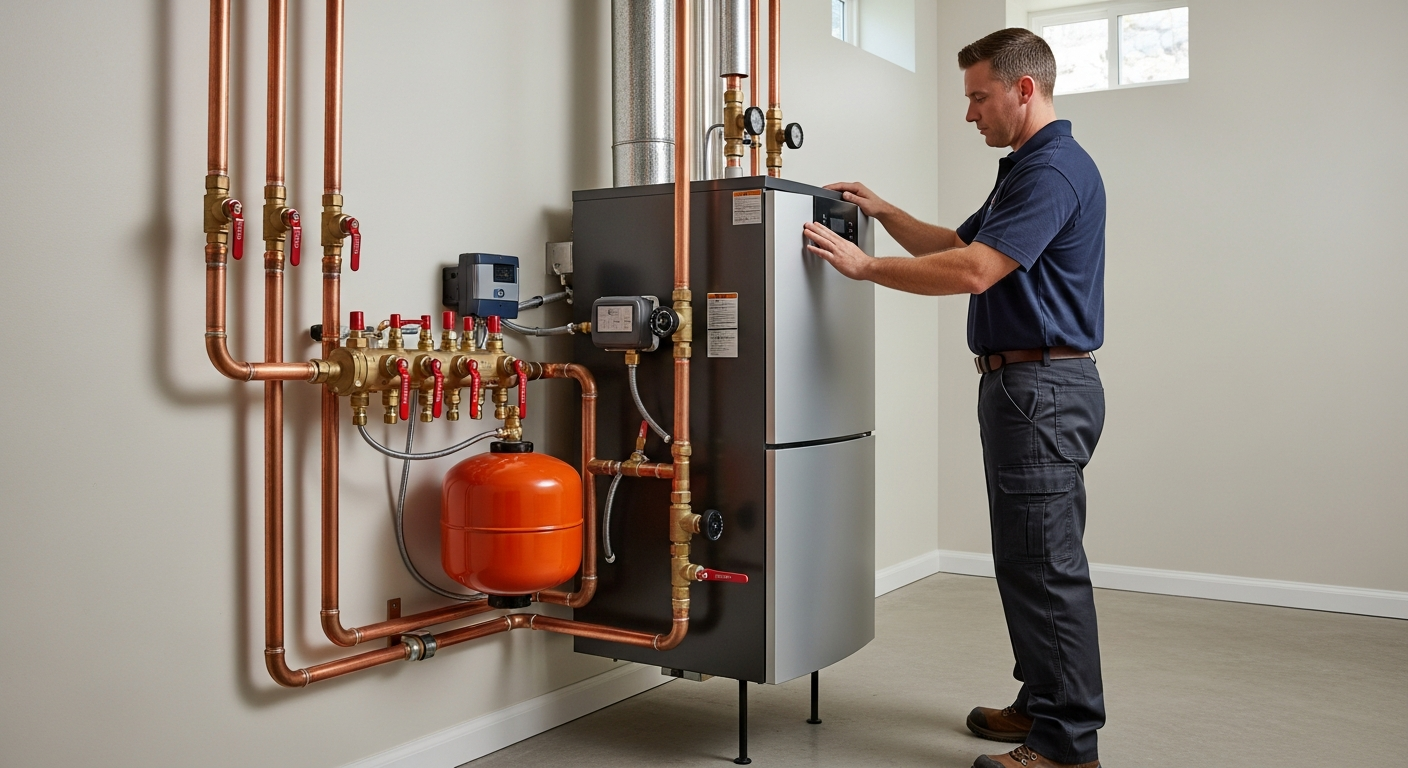
Makeup Air Unit Installation Cost Guide
Expect to pay $1,500–$4,500 for a pro-installed makeup air unit. Discover passive vs. tempered options, code triggers, and money-saving decision rules.