Why Fall HVAC Maintenance Prevents Winter Emergencies
A $150 fall tune-up prevents $1,500+ emergency repairs. Get your furnace ready now and beat the winter rush with our actionable guide, checklist, and tools.
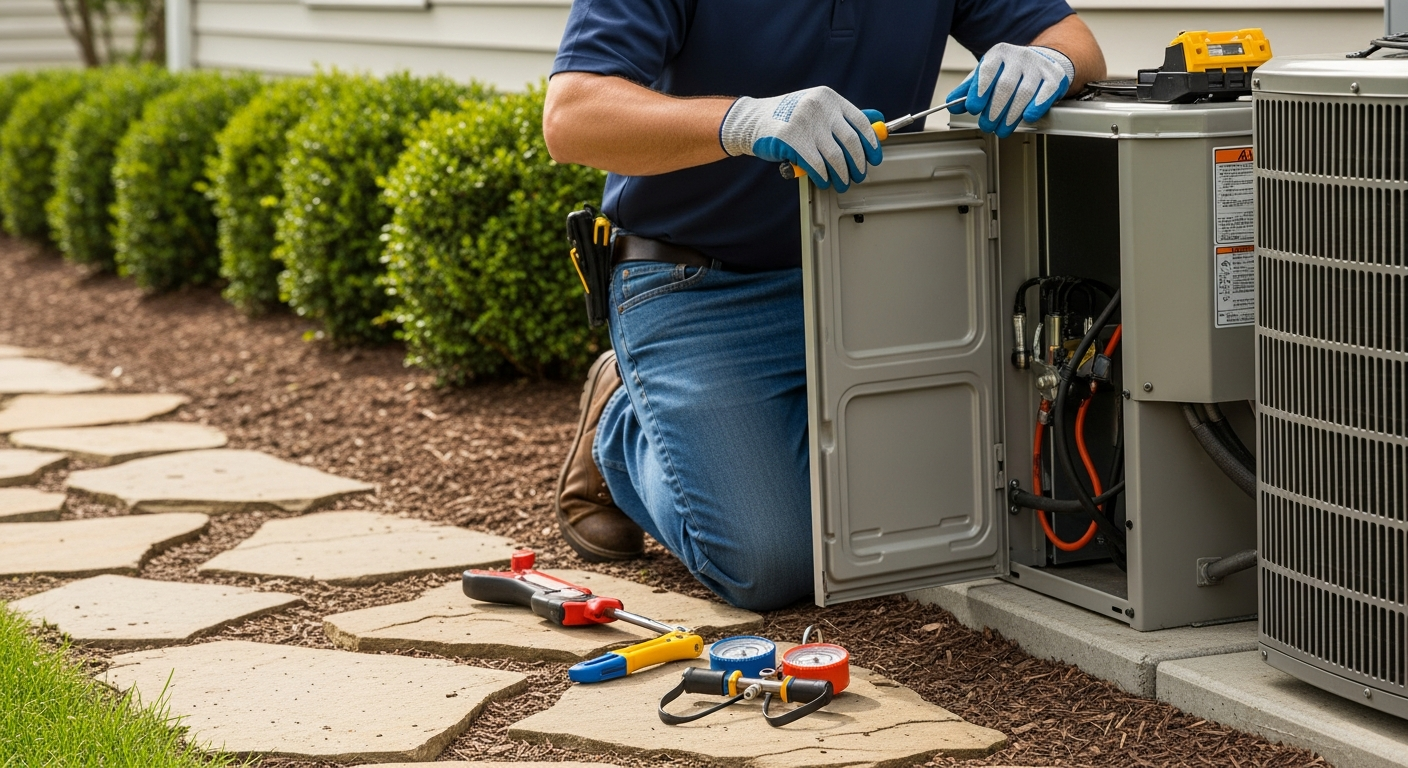
Fall maintenance is a non-negotiable investment
A $150 fall tune-up avoids costly emergency repairs, improves efficiency, and prevents carbon monoxide risks. Use our tools and checklist to find a qualified pro and book early.
What Matters Most
- A pre-season tune-up costs $80–$250 and can prevent $1,500+ emergency repairs.
- Safety risks like carbon monoxide leaks are almost entirely preventable with professional inspection.
- Schedule by mid-October to avoid the rush and secure the best pricing.
- Always ask for a written report and compare quotes with HVACDatabase tools.
- Never attempt DIY on gas, electrical, or combustion components.
Strengths
- Catches small issues before they become emergencies.
- Lowers energy bills by restoring efficiency.
- Extends equipment lifespan and protects warranties.
- Provides critical safety verification (CO, gas leaks).
- Saves time by avoiding peak season wait times.
Weaknesses
- Upfront cost may feel like an expense if no issues are found.
- Scams exist: some contractors push unnecessary repairs.
- Not all tune-ups are equal; some companies offer superficial checks.
- Delaying still carries a risk, but extreme procrastination can lead to system failure at the worst time.
Fall Tune-Up vs. Wait and See
| Scenario | Usually do | Why |
|---|---|---|
| Furnace older than 12 years | Schedule fall tune-up in September | High risk of heat exchanger cracks and inefficient burn |
| Furnace under 5 years, annual service done | Schedule by mid-October | Maintain warranty and catch infant failures |
| No service in 18+ months, odd smells | Emergency inspection ASAP | Potential gas leak or carbon monoxide danger |
| Budget-conscious, system runs fine | Book a fixed-fee tune-up under $150 | Preventative cost is far lower than emergency repair |
Quick Answer: Why Fall Maintenance Matters
Fall HVAC maintenance is your best defense against winter breakdowns. A professional tune-up (typically $80–$250) catches small issues before they become costly no-heat emergencies. It improves efficiency, reduces energy bills, and protects your family from carbon monoxide risks. Schedule by mid-October to beat the rush and secure your comfort.
Don’t Let Your First Cold Night Be a Breakdown
Every winter, the first freeze triggers a wave of emergency calls from homeowners whose furnaces won't start. The culprit? Neglected maintenance. Dust, worn parts, and hidden cracks strain your system all summer, and when you demand heat, they fail. A fall tune-up—ideally before outdoor temps consistently dip below 50°F—gives your technician time to fix issues while parts and labor are readily available. Waiting until the cold snap risks days without heat and emergency premiums. Use our maintenance reminders to never miss a seasonal check.
Cost Comparison: Fall Tune-Up vs. Emergency Repair
| Service | Typical Cost Range | When |
|---|---|---|
| Standard fall maintenance visit | $80–$250 | Planned, during business hours |
| Annual maintenance plan (2 visits) | $150–$500 | Includes fall and spring |
| Emergency diagnostic visit | $80–$200+ (higher after-hours) | No heat, often nights/weekends |
| Common furnace repair (blower motor, ignition) | $150–$1,500 | Reactive, after failure |
Editorial estimate ranges. Actual costs vary by region, system type, and contractor.
Safety Boundaries: What You Can Do vs. What Requires a Pro
Homeowners can safely perform these checks without risk:
- Inspect and replace the air filter (every 1–3 months, or as needed). A clogged filter costs $10–$30 and improves airflow immediately.
- Check that all supply vents are open and unblocked.
- Ensure the area around the furnace is clear of flammable items and dust.
- Test your thermostat by setting it to heat and raising the temperature a few degrees. Listen for fan start and warmth.
- Visually inspect outside vent pipes for obstructions (e.g., snow, leaves, nests).
- Test carbon monoxide detectors and replace batteries.
Pro-only tasks: Never attempt to inspect the heat exchanger, adjust gas pressure, handle refrigerant, replace capacitors, or open sealed electrical panels. These involve high voltage, explosive gas, or toxic chemicals. A licensed technician performs combustion analysis, measures airflow, and checks for gas leaks using specialized tools. Use our contractor search to find qualified pros.
Decision Tree: When to Schedule Your Fall Tune-Up
Use these rules to decide urgency:
Rules
- Furnace age ≥ 15 years: Schedule now. Older systems are more likely to have cracked heat exchangers or failing parts. Ask about a repair or replace evaluation.
- No maintenance in 12+ months: Prioritize a visit within 2 weeks. Neglect leads to efficiency loss and safety risks.
- Unusual noises, odors, or soot: Turn off the system and call a tech immediately. Do not wait for a tune-up.
- Last service was last fall: You’re on track. Book at your convenience, but before outdoor temperatures drop below 40°F at night.
- You have a heat pump: Fall service also cleans coils and checks reversing valve. Schedule in early fall.
- If you have a maintenance plan: Your provider likely automatically schedules. Confirm date.
Contractor Checklist: What to Ask Before Booking
- Is the price a flat rate or hourly? A fall tune-up should be a fixed fee, typically $80–$250, including inspection, cleaning, and minor adjustments.
- What exactly does the tune-up include? At minimum: burner cleaning, heat exchanger visual inspection, blower motor lubrication, thermostat calibration, safety control testing, and filter replacement (if you provide filter).
- Do you carry insurance and required local licenses? Ask for proof before they start.
- Will you provide a written report with photos? Good technicians document the condition of heat exchanger, combustion readings, and any recommended repairs.
- If a repair is needed, do you provide a written quote with parts and labor separate? Get it in writing; compare with the HVAC cost estimator.
- How do you handle emergency follow-up if the system fails after tune-up? Reputable companies offer a warranty on maintenance work (e.g., 30-day guarantee).
- Can you clean and inspect the chimney/vent pipe? Especially important for older homes.
Regional Considerations for Fall Maintenance
- Cold climates (e.g., Midwest, Northeast): Prioritize early service (September–October). Frozen condensate lines and snow-blocked vents are common. Consider a winterization service that includes pipe insulation.
- Hot, humid climates (e.g., Southeast, Gulf Coast): Your AC may still run into fall. Transition maintenance: clean coils, check defrost, and switch to heat mode. Look for mold in ducts; a pro can sanitize.
- Coastal areas (salt air): Corrosion on outdoor heat pump units accelerates. Ask about anti-corrosion coatings and more frequent cleanings. Use System age decoder to assess if corrosion has aged the unit.
- Older homes: May have original ductwork or asbestos insulation. Hire a contractor experienced with older systems to avoid damage. Check if your system size matches your home with the BTU calculator.
- Tornado/hail regions: After storm season, inspect outdoor unit for dents or damage. A fall service includes checking refrigerant charge and fan balance.
For a detailed cold-climate checklist, read How to Prepare Your HVAC System for Winter.
Plug into HVACDatabase Tools to Save Money
Before and after your maintenance, use our free tools:
- HVAC Cost Estimator: See what a fall tune-up or potential repair should cost in your area.
- Repair or Replace Calculator: If your technician flags a major issue, decide if repair is worth it.
- Rebate Finder: High-efficiency components may qualify for utility rebates. Check before upgrading.
- Maintenance Reminders: Never miss a seasonal check again.
Already have a quote? Use our Quote Checker to see if it’s fair.
Methodology: How We Estimate Costs and Recommendations
HVACDatabase editorial estimates are based on aggregated data from thousands of projects shared by homeowners and contractors, industry pricing surveys, and Bureau of Labor Statistics labor rates. Ranges represent the middle 80% of reported costs, excluding outlier markets. Actual costs vary by region, season, system complexity, and contractor overhead. Always compare at least three quotes from screened pros.
Fall HVAC Maintenance FAQs
How much should a fall furnace tune-up cost?
A standard fall maintenance visit typically costs between $80 and $250 without a service contract. If you purchase an annual maintenance plan covering two visits, prices range from $150 to $500 per year. Emergency or after-hours calls cost more. Use our cost estimator for localized data.
Can I skip fall maintenance if my furnace is newer than 5 years?
No. Even newer systems need cleaning and safety checks. Dust accumulation, loose electrical connections, and calibration issues can still occur. Most manufacturers require annual maintenance to keep warranties valid. Skipping now could void coverage.
Is a fall tune-up the same as an annual inspection?
Yes, for heating. A “tune-up” is a comprehensive inspection, cleaning, and calibration of the furnace or heat pump. Many companies bundle heating and cooling maintenance into an annual plan. The fall visit focuses on heat; spring focuses on cooling.
What’s the most dangerous thing to ignore?
A cracked heat exchanger is the most critical risk. It can leak carbon monoxide into your home. Symptoms include a yellow or flickering burner flame, soot near the furnace, and unexplained headaches. If you suspect this, shut the system off and call a pro immediately. Do not try to inspect it yourself.
I have a heat pump. Does fall maintenance differ?
Heat pump maintenance includes cleaning both indoor and outdoor coils, checking refrigerant charge (pro-only), testing defrost cycle, and verifying the reversing valve. Fall is also the time to clear leaves and debris from the outdoor unit. Expect a slightly higher cost, around $100–$300.
Related articles
Connect this page to adjacent guides so readers keep moving deeper into the topic cluster.

Tips for Choosing a Smart Thermostat for a Heat Pump
Learn which smart thermostat features prevent expensive auxiliary heat mistakes, how to verify compatibility, and when to call a pro.

Understanding C Wire Adapters for Smart Thermostats
Missing the C wire for your smart thermostat? C wire adapters solve power issues without pulling new wiring. Compare types, costs, and installation options.

Best Smart Thermostats for Multi Zone Homes
Discover which smart thermostats deliver accurate zoning, remote sensors, and energy savings for homes with multiple HVAC zones. Our guide helps you pick the right model and avoid costly compatibility mistakes.