Why Referrals Are the Best Way to Find HVAC Contractors
Word-of-mouth referrals deliver more reliable HVAC contractors than paid ads. This guide shows how to vet referrals, ask the right questions, and use HVACDatabase tools to hire a pro.
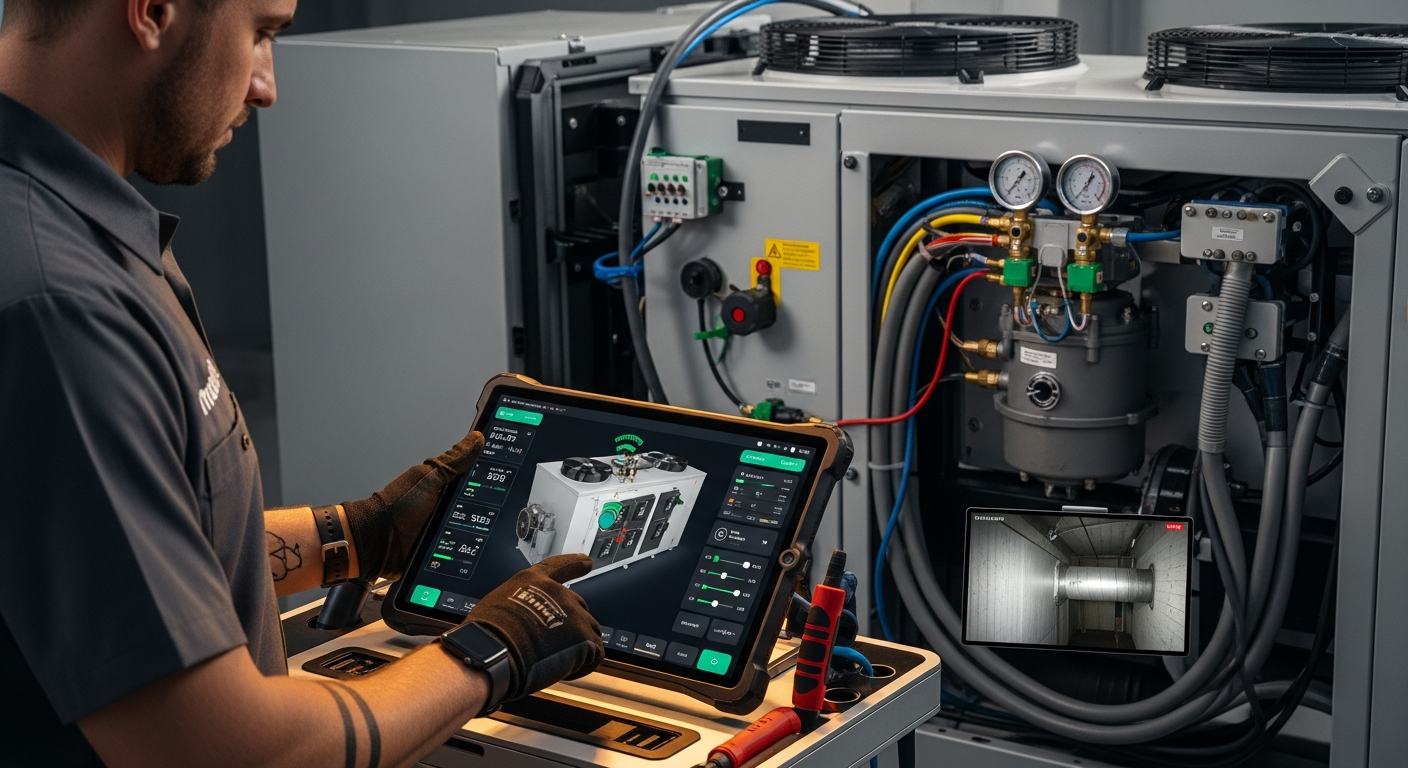
Referrals are the most reliable way to hire HVAC contractors.
Personal recommendations carry the trust of real-world experience—unfiltered by marketing. When combined with license verification, online reviews, and cost tools, referrals give you a system that dramatically reduces the risk of a bad hire.
What Matters Most
- Start with at least 3 referrals, then verify each.
- Use the cost estimator to ensure quotes are competitive.
- Ask the 10-point contractor checklist before hiring.
- Match contractor expertise to your climate and home type.
- Confirm license, insurance, and warranty in writing.
Strengths
- Leverages real-world performance data, not ads.
- Local referrals often understand regional codes and climate.
- Combined with tools, minimizes chances of overpaying.
- Reduces risk of hiring unqualified or uninsured contractors.
Weaknesses
- Small sample size might miss better contractors.
- Referrer might not disclose negative experiences.
- Job-specific differences can limit applicability.
- Over-reliance without verification can still lead to issues.
Decision Summary: How to Find HVAC Contractors
| Scenario | Usually do | Why |
|---|---|---|
| Need emergency repair | Call a referred tech if available; verify license on the spot | Speed matters but avoid unverified risk |
| Planning system replacement | Get 3 referrals, check reviews, use cost estimator | Ensures competitive pricing and quality |
| New to area, no referrals | Search directories with reviews; ask for recent reference contacts | Builds trust without personal connections |
| After a referral, uncertain | Cross-check license, run quote through checker, read reviews | Combines trust with objective data |
Quick Answer
To find the best HVAC contractor, begin with referrals from neighbors, friends, or local community groups. Verify each candidate's license and insurance, then compare their quotes against editorial cost ranges (use our cost estimator). Ask detailed questions about their experience with your specific HVAC issue and climate. This blended method—referrals plus verification—avoids the blind spots of either approach alone.
Why Referrals Beat Paid Ads
Paid advertisements show how a company wants to be perceived. A referral reveals how it actually performs when the heat or cold hits. When a neighbor recommends a contractor, they are vouching for punctuality, honesty, and technical skill—without any financial incentive. That’s why referrals remain the gold standard for finding tradespeople. But a name alone isn't enough. You need a systematic way to vet that recommendation, which this guide provides.
Decision Table: Comparing Ways to Find an HVAC Contractor
| Method | Pros | Cons | When to Use |
|---|---|---|---|
| Personal Referrals | Unbiased, real-world performance data, local expertise | Limited sample, may not match your specific job | As your starting point; always verify |
| Online Reviews | Large sample, patterns of behavior | Possible fake reviews, hard to gauge context | To cross-check referrals and spot red flags |
| Paid Ads / Direct Mail | Wide reach, may offer discounts | No performance guarantee, curated image | Rarely; only if backed by strong independent reviews |
| Contractor Directories (like HVACDatabase) | Pre-screened, license-verified listings, integrated tools | Still require additional due diligence | When you need a vetted list to complement referrals |
Safety Boundaries: Homeowner Checks vs. Pro-Only Work
As you interview contractors, you can perform simple system observations to better describe issues. However, never attempt repairs beyond basic filter changes or thermostat settings. Pro-only tasks include:
- Refrigerant handling or recharge – requires EPA certification.
- Electrical diagnostics or component replacement – risk of shock.
- Gas line or combustion adjustments – carbon monoxide hazard.
- Compressor, capacitor, or contactor work – high voltage and stored energy.
- Opening sealed system cabinets – can damage the unit and void warranties.
Safe homeowner checks: replacing air filters, checking thermostat batteries, ensuring vents are open, and observing error codes on the thermostat (if any). Use these observations when talking to contractors to help them diagnose faster.
Tools to Verify Your Referral
Don’t rely on a name alone. Our free tools help you confirm that a referred contractor’s pricing and recommendations are fair:
- HVAC Cost Estimator – See typical price ranges for your project type and location before calling for quotes.
- Quote Checker – Compare your detailed quote against market data to spot overcharges or missing line items.
- Repair or Replace Calculator – If the referral says you need a new system, use this to validate that decision based on age, repair cost, and efficiency.
- System Age Decoder – Decode your unit’s serial number to confirm its age; cross-check against the contractor’s diagnosis.
- Contractor Search – Even with a referral, search our directory to see their license status and any reported issues.
Decision Rules: When to Trust a Referral
Use these thresholds to decide whether to hire a referred contractor:
- License & insurance: Must be provided immediately. Reject any contractor who delays or makes excuses.
- Quote alignment: A replacement system quote should fall within ±15% of the editorial estimate for your area. If higher, get a second opinion.
- Reviews consistency: Check their rating on Google, Yelp, and BBB. Fewer than 4.0 stars or repeated complaints about the same issue (e.g., overcharging) is a red flag.
- Warranty transparency: They must offer a written warranty on labor (minimum 1 year). If they hesitate, walk away.
- Specialization match: For heat pump issues, choose a contractor with proven heat pump expertise, not just general HVAC. Ask the referrer about this.
Contractor Checklist: Questions to Ask Before You Hire
When you call a referral, go beyond the name. Use this checklist:
- Are you licensed in this state? (Ask for the license number and verify here.)
- Do you carry general liability and workers' compensation insurance? Can you send certificates?
- How many systems like mine have you installed or repaired in the last year?
- Can you provide 3 recent references from jobs in my neighborhood?
- Will you perform a manual J load calculation for a new system, or just replace like-for-like? (Demand a load calc.)
- What is your warranty on parts and labor? Who handles warranty claims?
- Do you handle permits, and is the permit cost included in the quote?
- What is your payment schedule? (Avoid large upfront payments.)
- Do you offer a written, itemized estimate before work begins?
- How do you handle cleanup and disposal of old equipment?
Local Context: Climate-Savvy Hiring
Your climate dictates your HVAC priorities. Referrals from neighbors with similar homes are gold because the contractor already knows the local challenges:
- Hot, humid areas (e.g., Southeast): Prioritize contractors experienced with dehumidification and variable-speed systems. Check humid-climate AC tips.
- Cold climates (e.g., Midwest): Ensure the contractor understands high-efficiency furnaces and proper sizing for sub-zero conditions. Example: Chicago heating contractors.
- Coastal or corrosive environments: Ask about corrosion-resistant coils and warranties. Local referrals will know.
- Older homes: Look for contractors who have experience with ductwork retrofits and electrical upgrades. Ask the referrer if the contractor handled similar old-house quirks.
Methodology: How We Develop Cost Estimates
The cost ranges in this article are editorial estimates based on analysis of thousands of HVAC projects reported by homeowners, contractors, and industry price databases. They reflect national median ranges adjusted for regional factors, system type, and market conditions. They are not guaranteed prices and can vary due to:
- System size and brand
- Seasonal demand
- Accessibility and required permits
- Warranty coverage
- Necessary ductwork or electrical upgrades
Editorial estimate ranges: diagnostic visit $80–$200 standard (after-hours higher), standard HVAC maintenance visit $80–$250 (annual plans $150–$500), common AC repair $150–$650 for minor work, $500–$1,500 for refrigerant/leaks/motors, $1,500–$4,000+ for compressor/coil replacements. Prices vary by system size, brand, region, season, access, permits, warranty, and whether extra electrical or ductwork is required.
Always obtain multiple quotes and use our Quote Checker to compare line items.
Frequently Asked Questions
1. How many referrals should I get before hiring an HVAC contractor?
Aim for at least three. This gives you a range of pricing and styles. More than five can be overwhelming. Two is the absolute minimum for a replacement; for emergency repair, one verified referral may suffice if they meet all checklist criteria.
2. Can I trust a referral from someone I don't know well, like a social media neighbor group?
Yes, but verify more thoroughly. Ask the person for specifics: what job was done, when, and if they'd hire again. Then check the contractor's license and online reviews. Online referrals are useful leads, not endorsements.
3. What if a referred contractor is more expensive than others?
Higher price isn't necessarily bad if it includes better workmanship, a longer warranty, or higher-efficiency equipment. Use the cost estimator to see if the price falls within a reasonable range. Always ask why the quote is higher; a good contractor will justify it with line items.
4. How do I know if the contractor is truly an expert in my type of system?
Ask about their training, certifications (e.g., NATE), and how many similar systems they've installed recently. A referral from someone with the same equipment is ideal. If not, ask the contractor for references from those specific jobs.
5. Should I always use a referred contractor for warranty work or brand-specific repairs?
For warranty repairs, you may need a factory-authorized dealer. A referral can still be valid if they are authorized. Check the manufacturer's list or ask the contractor. Unauthorized repairs can void warranties.
Related articles
Connect this page to adjacent guides so readers keep moving deeper into the topic cluster.

Tips for Choosing a Smart Thermostat for a Heat Pump
Learn which smart thermostat features prevent expensive auxiliary heat mistakes, how to verify compatibility, and when to call a pro.

Understanding C Wire Adapters for Smart Thermostats
Missing the C wire for your smart thermostat? C wire adapters solve power issues without pulling new wiring. Compare types, costs, and installation options.

Best Smart Thermostats for Multi Zone Homes
Discover which smart thermostats deliver accurate zoning, remote sensors, and energy savings for homes with multiple HVAC zones. Our guide helps you pick the right model and avoid costly compatibility mistakes.