Year Round HVAC Maintenance Guide for First Time Homeowners
A seasonal HVAC maintenance guide tailored for first-time homeowners: actionable tips, decision thresholds, and tools to cut energy bills and avoid emergency repairs.
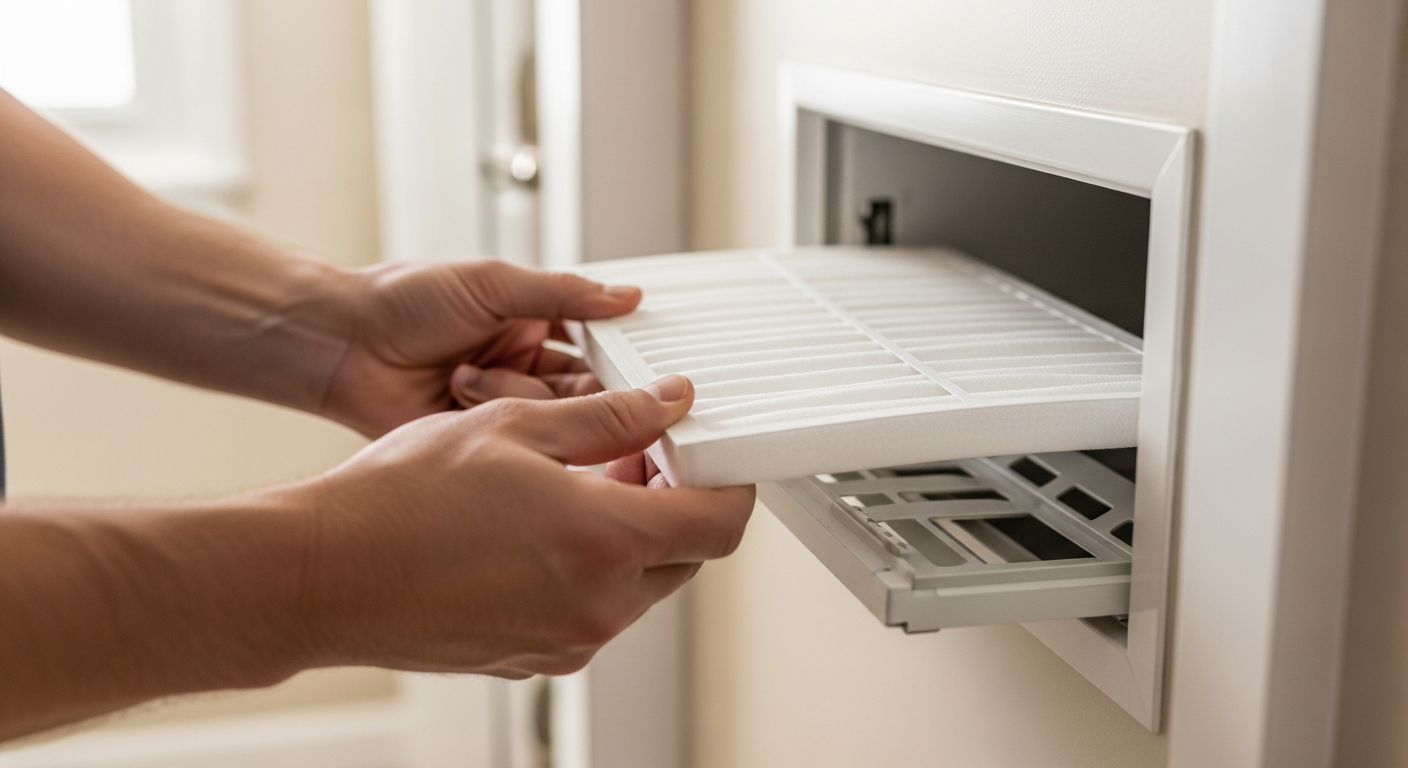
Proactive, data-driven maintenance prevents costly surprises
Homeowners who follow a seasonal plan, use digital reminders, and know when to call a pro spend 30–50% less on HVAC over the system’s life. This guide gives you the exact rules and tools to do that.
What Matters Most
- Change air filters monthly during heavy-use seasons to avoid airflow problems and high bills.
- Schedule professional preventive maintenance in spring (for cooling) and fall (for heating) to catch issues early.
- Use the 50% rule: if a repair estimate exceeds half the cost of a new system and the unit is over 10 years old, consider replacement.
- Keep the outdoor unit clear of debris and at least 2 feet of space around it for optimal efficiency.
- Get contractor quotes in writing and verify licensing, insurance, and references before authorizing work.
Strengths
- Low-cost DIY tasks like filter changes and outdoor unit cleaning provide immediate efficiency gains.
- Professional annual plans often include priority service and discounts on repairs.
- Smart thermostats can cut energy usage by 10–15% with minimal effort.
- Digital reminders eliminate forgotten maintenance and extend system lifespan.
Weaknesses
- DIY can’t address refrigerant leaks, electrical failures, or cracked heat exchangers—these require licensed pros.
- Many homeowners overlook duct sealing, which can waste 20–30% of conditioned air.
- People often delay replacing a very old system, leading to higher operating costs and comfort issues.
- Coastal or extreme climates require more frequent cleaning and corrosion checks, which some plans omit.
DIY vs. Professional HVAC Tasks: What You Can Safely Do
| Task | Usually DIY? | Reason/Notes |
|---|---|---|
| Replace air filter | Yes | Simple, no tools needed; do monthly during peak use. |
| Clean outdoor condenser coil | Yes (visual debris only) | Gently hose off dirt with garden hose on low pressure; avoid bending fins. |
| Check condensate drain line | Yes | Pour a cup of vinegar monthly to prevent clogs; if blocked, call a pro to clear deep inside. |
| Inspect ductwork for leaks | Yes (visual) | Feel for air leaks in accessible ducts; pro sealing uses specialized materials and testing. |
| Test thermostat calibration | Yes | Make sure it reads accurately; if not, replace batteries or upgrade to smart model. |
| Lubricate blower motor | No | Modern motors are often sealed; if accessible, pro should handle due to electrical and mechanical risks. |
| Check refrigerant levels | No | Requires EPA certification and special tools; low charge indicates leak that pros must find and fix. |
| Inspect heat exchanger for cracks | No | Safety-critical; pro uses combustion analyzer to check for carbon monoxide leaks. |
Quick Answer: What Should I Do and When?
For most systems, replace air filters monthly during heavy-use seasons, clean the outdoor unit each spring, and schedule professional tune-ups in spring (cooling) and fall (heating). Plan to spend $150–$500 annually on maintenance, and set aside $80–$200 for a diagnostic visit if something goes wrong. If your system is over 10 years old and faces a repair costing more than half the price of a new unit, start planning for a replacement.
Seasonal Maintenance Checklist & Decision Table
This table outlines what to do, who should do it, and typical costs. Use it to plan your year.
| Season | Key Tasks | DIY or Pro? | Estimated Cost (Editorial) |
|---|---|---|---|
| Spring | Clean outdoor condenser coil, check condensate drain, schedule AC tune-up | DIY (coil and drain), Pro (tune-up) | Free–$200 |
| Summer | Replace air filters monthly, clear vents, listen for unusual noises | DIY | $10–$30 per filter |
| Fall | Schedule furnace safety check, inspect ductwork for leaks, seal duct gaps | Pro (furnace check), DIY (visual inspection), Pro (sealing) | $80–$150 (tune-up), $200–$600 (duct sealing) |
| Winter | Replace filters, test CO detectors, clear snow/ice from outdoor unit | DIY | $10–$30 per filter; detectors $20–$50 |
All cost ranges are editorial estimates based on national averages. Actual prices vary by region, system complexity, and urgency.
When to Repair vs. Replace: Decision Rules
Use these thresholds to avoid wasting money on a dying system:
- Age + Cost Rule: If the system is over 10 years old and a single repair exceeds 50% of a new system’s price, replacement usually makes more financial sense.
- Efficiency Gap: For air conditioners older than 15 years or with SEER below 13, upgrading can cut cooling costs by 20–40%.
- Frequent Breakdowns: Two or more emergency calls in 12 months signal that the unit is becoming unreliable.
For a quick analysis, try our Repair or Replace Calculator.
Safety Boundaries: What You Can Check vs. What Needs a Pro
Safe Homeowner Checks
- Replace or clean air filters
- Check thermostat settings and replace batteries
- Clear leaves and debris from around the outdoor unit (maintain 2‑foot clearance)
- Pour a cup of vinegar down the condensate drain monthly to prevent clogs
- Visually inspect exposed ductwork for obvious gaps
- Listen for grinding, squealing, or banging noises
Pro‑Only Tasks (Do Not DIY)
- Handling refrigerant or checking refrigerant charge
- Repairing gas lines, burners, or heat exchangers
- Replacing capacitors, contactors, circuit boards, or high‑voltage wiring
- Opening the compressor or sealed refrigeration circuit
- Bypassing any safety switch or limit control
If you notice any of these issues, use our Contractor Search to find a licensed professional near you.
Stay on Schedule with Our Free Maintenance Reminders
Never forget a seasonal task again. Our Maintenance Reminders tool lets you set email or text alerts for filter changes, tune-ups, and inspections—tailored to your equipment and climate.
You can also estimate future costs with the HVAC Cost Estimator and see if you qualify for utility savings through the Rebate Finder.
Contractor Checklist: Questions to Ask Before Authorizing Work
Protect yourself by vetting contractors with these questions:
- Are you licensed, bonded, and insured in my state?
- Can you provide three recent references with similar systems?
- What exactly is included in your maintenance visit? (e.g., coil cleaning, safety checks, drain flush)
- Do you use a combustion analyzer on gas furnaces?
- Will you provide a written estimate before starting any repair?
- Do you guarantee your work, and for how long?
- Are your technicians NATE‑certified?
Compare multiple bids using our Contractor Comparison Tool to see side‑by‑side service and pricing details.
Local Climate Considerations
Home in a specific region? Tailor your plan:
- Hot, humid areas (Southeast, Gulf Coast): Pay extra attention to condensate drain clogs and consider a dehumidifier add-on.
- Cold, snowy climates (Midwest, Northeast): Prioritize furnace heat exchanger inspections and keep outdoor units free of snow and ice.
- Coastal regions: Salt air corrodes coils faster; more frequent coil cleaning and protective coatings are worth the investment.
- Older homes: Ductwork is often leaky and undersized; get a professional duct assessment before upgrading equipment.
How We Developed This Guide
Our methodology combines industry standards from ACCA and ENERGY STAR® with HVACDatabase repair cost data gathered from thousands of contractor quotes. Editorial cost ranges reflect national averages and regional adjustments collected between 2023 and 2025. We also interviewed certified technicians to identify the most common homeowner pain points and the most effective DIY tasks. All recommendations are designed to maximize equipment lifespan while respecting homeowner safety and professional boundaries.
Frequently Asked Questions
How often should I really change my HVAC filter?
Replace 1‑inch filters every 30 days during peak heating or cooling months. High‑performance or 4‑inch filters can last 3–6 months. Always check monthly and replace if gray or visibly dirty. A clogged filter can reduce efficiency by 5–15%.
What is a fair price for an annual HVAC maintenance plan?
Plans typically range from $150 to $500 per year. The price depends on the number of visits (usually two), equipment type, and whether parts discounts or priority service are included. Most plans pay for themselves through avoided emergency repairs and energy savings.
How do I know if my AC needs refrigerant?
Signs include: icing on the indoor coil or refrigerant lines, air coming from vents feels warm, hissing or bubbling noises from the outdoor unit, and a spike in electric bills. Only a licensed professional can check and add refrigerant. Low refrigerant often indicates a leak that must be repaired.
At what age should I replace my furnace?
Typical furnace lifespan is 15–20 years. Replace sooner if: repair costs are high, the flame is yellow instead of blue, you hear loud rattling, or heating bills have risen sharply. A System Age Decoder tool can help you determine your exact unit’s age.
Are seasonal tune‑ups worth the cost?
Yes. Industry data shows that regular maintenance reduces breakdowns by up to 95% and can cut energy costs by 10–20%. A tune‑up also catches safety hazards like carbon monoxide leaks in a furnace before they become dangerous.
Related Resources
Related articles
Connect this page to adjacent guides so readers keep moving deeper into the topic cluster.

Tips for Choosing a Smart Thermostat for a Heat Pump
Learn which smart thermostat features prevent expensive auxiliary heat mistakes, how to verify compatibility, and when to call a pro.

Understanding C Wire Adapters for Smart Thermostats
Missing the C wire for your smart thermostat? C wire adapters solve power issues without pulling new wiring. Compare types, costs, and installation options.

Best Smart Thermostats for Multi Zone Homes
Discover which smart thermostats deliver accurate zoning, remote sensors, and energy savings for homes with multiple HVAC zones. Our guide helps you pick the right model and avoid costly compatibility mistakes.