Baseboard Heater Installation Cost
Compare installation costs for electric and hydronic baseboard heaters. Learn what drives pricing, safety boundaries, and how to get accurate quotes from vetted pros.
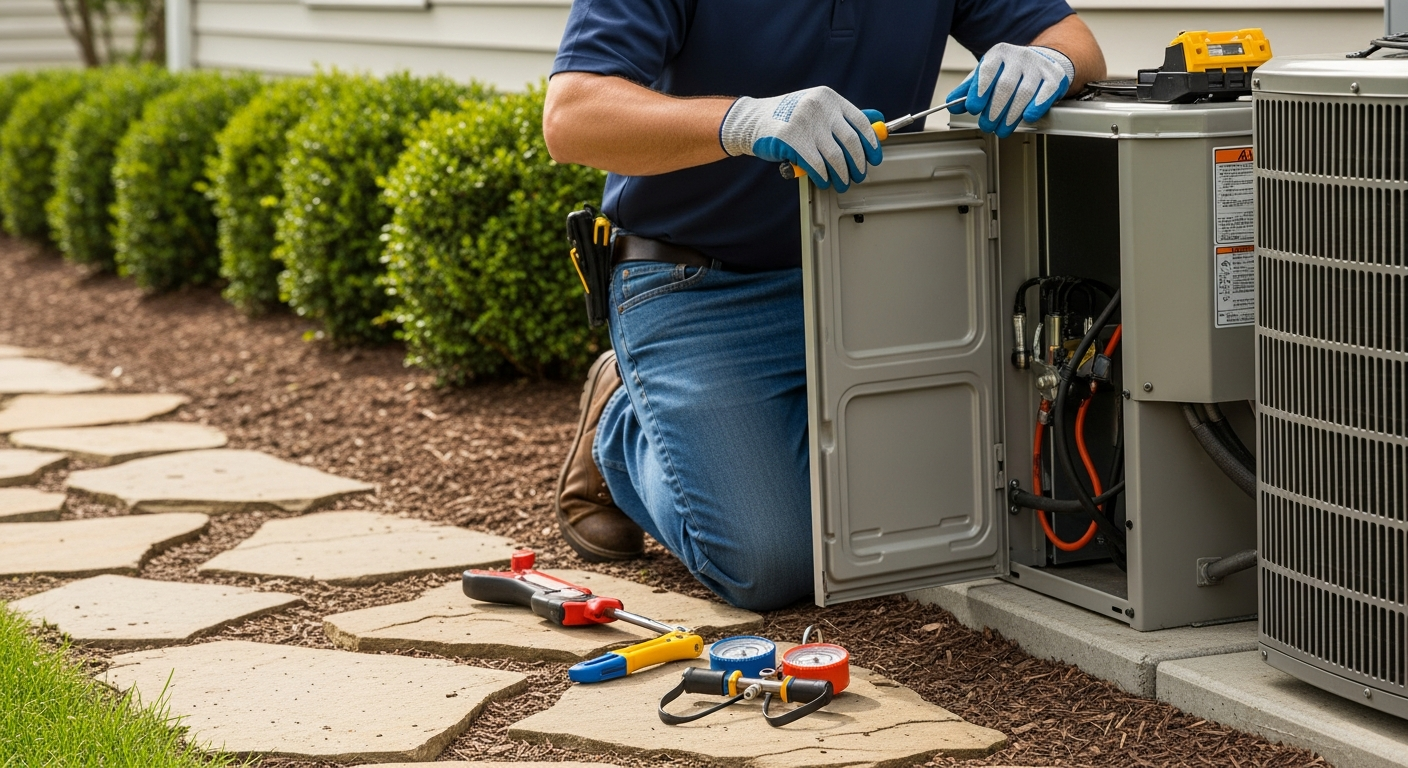
Electric baseboards win for most supplemental heat projects
For spot heating and occasional-use rooms, electric baseboards offer the lowest upfront cost and simplest install. Hydronic is worth the premium when you heat the space daily or already have a boiler.
What Matters Most
- Get three quotes and verify licenses before signing.
- Budget $500–$1,200 per electric unit installed; $700–$1,800+ for hydronic.
- Never DIY 240V wiring or circuit installation.
- Use a BTU calculator to avoid oversizing or undersizing.
- Smart thermostats can cut energy use but may require a compatible line-voltage model.
Strengths
- Electric baseboards are cheap, easy to zone, and require no plumbing.
- Hydronic baseboards deliver more consistent, residual heat and often cost less to run in cold climates.
- Both types work without ductwork, making them ideal for retrofits.
Weaknesses
- Electric baseboards can be expensive to operate if used continuously.
- Hydronic installation is more complex and may need a boiler or dedicated plumbing.
- Both may require electrical panel upgrades, adding significant cost.
Electric vs. Hydronic Baseboard Heaters
| Scenario | Usually Do | Why |
|---|---|---|
| You need heat in a home office or guest bedroom used 2–3 hours per day. | Choose electric | Low upfront cost; energy use is minimal for short periods. |
| You want set-and-forget comfort in a main living area, all winter. | Choose hydronic | Stays warm longer, reduces hot/cold swings, and can be more efficient for continuous use. |
| Your home already has a boiler with extra capacity. | Add hydronic zone | Tapping into existing hydronics is straightforward and avoids new electrical circuits. |
| Your electrical panel is full and upgrading it would cost $2,000+. | Consider electric-hydronic self-contained units or mini-split heat pump | These may require less electrical capacity than a large electric baseboard array. |
Quick Answer: Baseboard Heater Installation Cost
For a professionally installed electric baseboard heater, expect to pay $500–$1,200 per unit, including the heater, labor, and basic thermostat. Hydronic (hot water) units run $700–$1,800+ per unit due to higher material costs and often more complex piping or wiring. A single-room project with one heater might total $400–$1,500, while adding multiple zones or upgrading an electrical panel can push costs past $4,000.
What Determines Your Final Price?
Several factors move the needle. Use the table below to see how each element stacks up for electric and hydronic options.
| Cost Factor | Electric Baseboard | Hydronic Baseboard | Notes |
|---|---|---|---|
| Heater Unit | $50–$300 | $200–$500+ | Hydronic units cost more but provide longer-lasting, even heat. |
| Labor – Basic Replacement | $150–$400 | $250–$600 | Swapping an existing unit of the same type, same location. |
| Labor – New Circuit Run | $500–$1,000+ | $500–$1,000+ | Includes new breaker, wire, and wall modifications. Often required for new installations. |
| Thermostat (Wall-Mounted) | $30–$250 | $30–$250 | Basic manual vs. smart/programmable. Line-voltage thermostats are common for electric baseboards. |
| Permit & Inspection | $50–$200 | $50–$200 | Required for new circuits or boiler connections. Confirm with your contractor. |
Editorial note: These ranges reflect typical costs across U.S. markets in 2024. Actual quotes will depend on your specific home, region, and contractor.
Safety Boundaries: What You Can Do, What a Pro Must Handle
Baseboard heater installation involves high-voltage electricity and, for hydronic systems, boiler water connections. Our guidance aligns with industry safety standards to protect you and your home.
Safe Homeowner Tasks:
- Turn off the heater at the thermostat and clean dust and debris from the fins and cover with a vacuum.
- Check for furniture or drapes blocking airflow (keep at least 12 inches clearance).
- Test the unit by turning up the thermostat to confirm it heats and shuts off properly.
- Inspect the wall for cracks or cool drafts, and seal with caulk or weatherstripping to improve efficiency.
Pro-Only Work (Do Not Attempt Yourself):
- Running new electrical circuits from the breaker panel or connecting 240V wiring.
- Upgrading or modifying the electrical panel.
- Installing or altering boiler-fed hydronic piping.
- Any work involving gas lines, refrigerant, or combustion systems.
- Replacing internal electrical components such as heating elements, contactors, or capacitors.
Always hire a licensed electrician or HVAC technician for installation. Find trusted pros in your area using our contractor directory.
Electric vs. Hydronic: Decision Rules for Homeowners
Use this logic to pick the right type:
- Choose electric if: You need spot heating in a room that’s only used occasionally (guest room, basement). Upfront cost is lower, and installation is simpler. No boiler required.
- Choose hydronic if: You heat the space daily for long periods. Hydronic units stay warm longer after cycling off, reducing temperature swings and often lowering energy bills. They also make sense if you already have a boiler with capacity to add a zone.
- If your electrical panel is maxed out: An electric unit may trigger a costly panel upgrade. Hydronic tied to an existing boiler avoids that, but a new boiler is even more expensive.
- For whole-room heating: Calculate the BTU requirement using our BTU calculator. Electric units must be sized exactly; hydronic systems are more forgiving but still need proper sizing.
Tools to Nail Your Budget
Before you call for quotes, use these free calculators to get a solid estimate:
- BTU calculator: Determines the heating capacity needed for your room based on square footage, insulation, and climate.
- HVAC cost estimator: Provides a personalized price range for your baseboard heater project using local labor and material data.
- Rebate finder: Uncovers utility and state incentives for energy-efficient heating upgrades, which may apply to smart thermostats or high-efficiency hydronic equipment.
Contractor Checklist: Must-Ask Questions
Get three bids and verify each pro with these questions:
- Are you licensed, insured, and familiar with local code for baseboard heater circuits?
- Will you pull a permit and arrange the inspection?
- Do you include wall patching and painting in your quote after running new wires?
- What thermostat do you recommend, and why? Is a line-voltage or low-voltage model needed?
- Can you perform a room-by-room load calculation and share the results?
- Have you worked on homes in my neighborhood, and can I speak to references?
Use our contractor comparison tool to side-by-side evaluate licenses, reviews, and quotes.
Local Market Impact on Cost
Where you live changes the bill. In cold-climate cities like Chicago, contractors are busier during winter, which can inflate labor rates by 10–20%. Older homes in the Northeast often require upgrading outdated electrical panels, adding $1,500–$4,000. In milder regions like Phoenix, baseboard heaters are less common but still used for bathrooms or additions; expect shorter lead times but potentially higher electrician rates due to demand for other skills. Always ask for local references and check our cost guide hub for region-specific data.
Methodology
Our cost estimates are synthesized from real project data, industry labor rate surveys, manufacturer pricing, and editorial input from HVAC professionals. They are designed to help homeowners set realistic budgets, not as guaranteed quotes. Factors like ceiling height, insulation quality, panel accessibility, and market seasonality cause variation. We recommend obtaining detailed, written estimates from at least three licensed contractors.
Frequently Asked Questions
How many baseboard heaters do I need for a room?
As a rule of thumb, you need roughly 10 watts of electric heat per square foot in a well-insulated room. For a 150 sq. ft. bedroom, a single 1,500-watt electric unit is often sufficient. Hydronic sizing is similar but measured in BTUs (1 watt = 3.41 BTUs). Always use a load calculation tool for accuracy.
Can I install a baseboard heater myself?
We strongly advise against DIY installation of 240V electric baseboard heaters. Improper wiring risks fire, shock, and code violations. A plug-in 120V portable unit can be used without an electrician, but permanent hardwired units must be installed by a licensed pro.
Do hydronic baseboard heaters require a boiler?
Yes, traditional hydronic baseboards circulate hot water from a central boiler. However, self-contained electric-hydronic units exist that use an internal heating element to warm sealed oil or water. These don’t need plumbing but still require a dedicated electrical circuit.
What size breaker do I need for an electric baseboard heater?
A typical 240V, 2,000-watt heater requires a 15-amp double-pole breaker and 14-gauge wire. Larger heaters or multiple units on one circuit may need 20-amp breakers and 12-gauge wire. Only a licensed electrician should determine and install the correct size.
Are there rebates for installing baseboard heaters?
Rebates for baseboard heaters are uncommon, but smart thermostats compatible with baseboard systems sometimes qualify. Check our rebate finder and your utility company. If upgrading from oil or propane to an electric heat pump, larger incentives may apply.
Related articles
Connect this page to adjacent guides so readers keep moving deeper into the topic cluster.
Cost to Install Multiple Smart Thermostats
Get a clear cost breakdown for installing 2–4+ smart thermostats. Includes equipment, labor, zoning upgrades, and how to save with utility rebates. Practical checks and contractor questions inside.
Duct Booster Fan Installation Cost
Uneven room temps? Duct booster fan installation costs: register fans $30–$100 DIY, inline fans $500–$800+ with pro. Learn when a booster works and when you need a bigger fix.
Makeup Air Unit Installation Cost Guide
Expect to pay $1,500–$4,500 for a pro-installed makeup air unit. Discover passive vs. tempered options, code triggers, and money-saving decision rules.