Emergency HVAC Repair Cost Guide
Emergency HVAC repairs can cost $200–$2,000+. Learn what drives the price, how to avoid overpaying, and when to repair vs. replace. Use our cost tools and contractor checklist.

Proactive preparation reduces emergency costs
Budget for a diagnostic fee, know when to wait, and use our tools to compare contractor prices. Regular maintenance and a pre-vetted contractor list save you hundreds during a breakdown.
What Matters Most
- Always confirm the emergency rate structure before dispatching a technician.
- Simple fixes like tripped breakers or dirty filters cause many no-heat/no-cool calls—check these first.
- If the system is over 12 years old and needs a compressor or heat exchanger, replacement may be cheaper long-term.
- Use our emergency cost tool to benchmark local prices.
- Never attempt refrigerant or electrical repairs yourself; safety risks and legal violations are high.
Strengths
- You can often reduce costs by waiting until regular hours if the situation isn't life-threatening.
- Pre-screening contractors using our quote checker avoids price gouging.
- Understanding the difference between diagnostic fees, hourly labor, and emergency premiums prevents invoice shock.
Weaknesses
- Emergency repairs are inherently more expensive due to after-hours rates.
- Parts unavailability can lead to multiple service calls.
- Without maintenance, small problems escalate into costly emergencies.
Decision Summary
| Scenario | Usually do | Why |
|---|---|---|
| AC dies on mild night | Wait until morning | Avoid after-hours premiums |
| Furnace out in snowstorm | Call immediately | Prevent frozen pipes |
| System 12+ years, major repair | Replace | 5,000 rule makes repair uneconomical |
| Thermostat blank | Check batteries/breakers | Often a simple fix |
Quick Answer: How Much Does Emergency HVAC Repair Cost?
Emergency HVAC repairs typically cost $200 to $2,000+, depending on the problem, time of call, and parts needed. The biggest cost drivers are after-hours labor premiums (50–100% above standard rates), emergency dispatch fees ($150–$300), and the type of repair. Simple fixes like a blown fuse or dirty sensor may be under $300; major repairs like a compressor or blower motor can exceed $1,500. Use our emergency cost tool to estimate your specific situation.
Emergency HVAC Cost Breakdown
Here’s what you’ll typically pay for the most common emergency scenarios. These are editorial estimates based on national averages—actual prices vary by region, season, and contractor.
| Service Component | Typical Cost Range | Notes |
|---|---|---|
| Emergency Diagnostic Visit | $150 – $300 | Often waived if you proceed with the repair. Standard visits are $80–$200. |
| After-Hours Labor Premium | 1.5x – 2x standard hourly rate | Expect $100–$200 flat surcharge or 50–100% hourly increase. |
| Capacitor/Contactor Replacement | $150 – $450 | Common AC failure cause; quick repair if part is on truck. |
| Flame Sensor Cleaning/Replacement | $100 – $250 | Frequent furnace issue; often a simple fix. |
| Blower Motor Replacement | $400 – $900 | More extensive; may require ordering parts. |
| Refrigerant Leak Repair & Recharge | $500 – $1,500+ | Detecting and fixing leaks adds labor; refrigerant type affects cost. |
| Compressor Replacement | $1,500 – $3,500+ | Often not worth it on older systems—consider replacement. |
Note: Prices do not include parts for major components if out of warranty. Always ask for an all-inclusive quote before work begins.
Safety Boundaries: What You Can Check vs. Leave to Pros
During an HVAC emergency, some troubleshooting is safe and can save you a service call. However, never attempt repairs involving high voltage, refrigerant, natural gas, or combustion components. These pose serious risks of electrocution, fire, poisoning, or environmental harm and may violate local codes.
Safe Homeowner Checks
- Verify thermostat settings: set to “cool” or “heat” and temperature correctly.
- Check circuit breakers: reset tripped breakers for HVAC equipment.
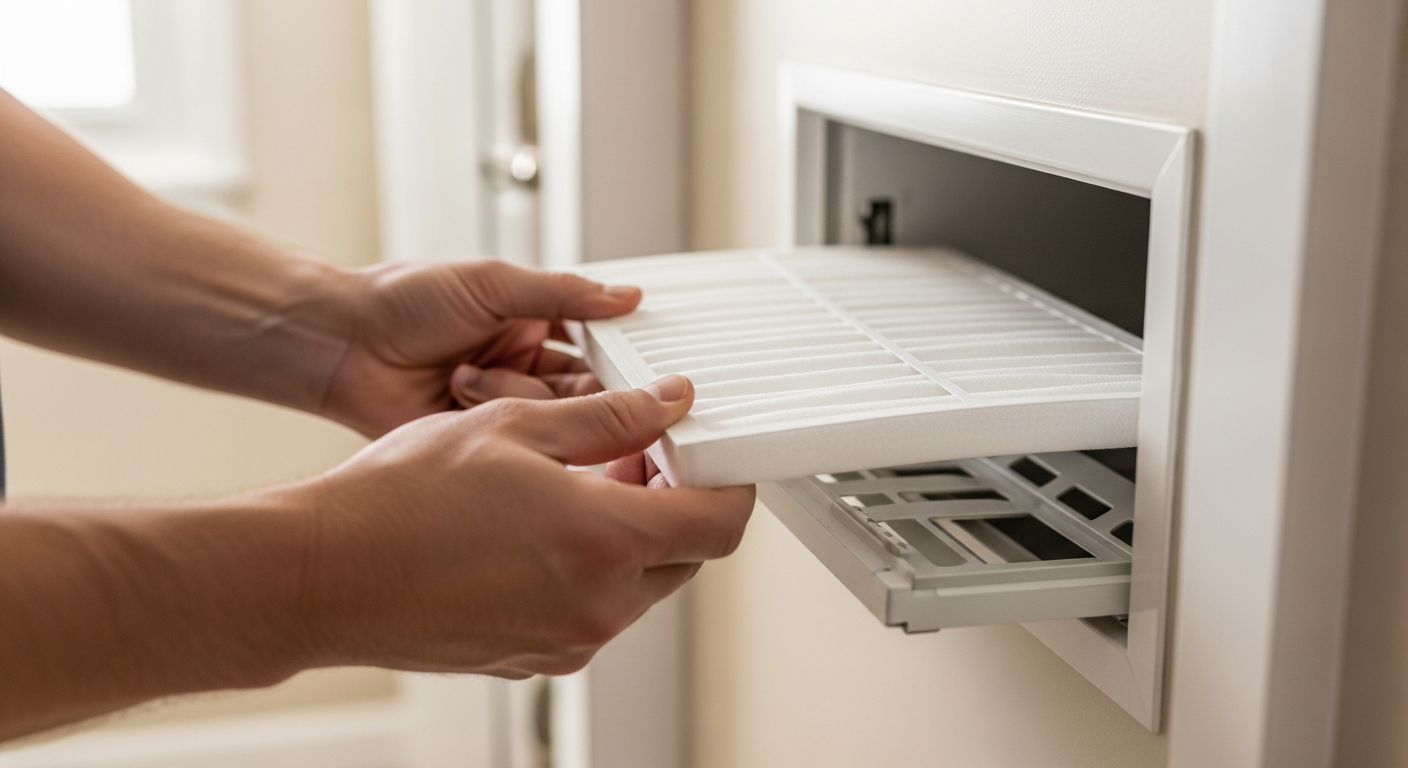
- Inspect air filter: a severely clogged filter can cause shutdowns—replace if dirty.
- Ensure vents and registers are open and unblocked.
- Look for ice on refrigerant lines (indicates a pro repair need, but you can observe).
Pro-Only Work (Do Not DIY)
- Refrigerant leak detection and charging (requires EPA certification).
- Gas valve, burner, or heat exchanger repairs (carbon monoxide risk).
- Electrical capacitor, contactor, or control board replacement (shock hazard even when power is off).
- Compressor or motor repairs involving wiring or refrigerant lines.
- Ductwork modifications that affect combustion air.
If you smell gas, leave the home and call your utility immediately. For all other emergencies, find a trusted HVAC contractor on HVACDatabase.
Use Our Tools to Estimate Your Emergency Cost
Before calling a contractor, get a ballpark idea with our calculators. They help you understand fair pricing and avoid overpaying.
- Emergency Cost Tool: Enter your system type, issue, and time of call to see estimated ranges.
- HVAC Cost Estimator: Get broader repair and replacement costs for your region.
- Repair or Replace Calculator: If your system is aging, this tool helps you decide whether a costly repair is worth it.
- Quote Checker: Upload a contractor quote to see how competitive it is.
When to Wait and When to Call: Decision Rules
Emergencies aren't always immediate calls for help. Use these rules to decide.
| Scenario | Usually Do | Why |
|---|---|---|
| AC dies at 10 p.m. on a mild night (under 80°F) | Wait until morning; try troubleshooting | Avoid after-hours premiums if comfort and safety aren’t compromised. |
| Furnace out during a snowstorm with freezing pipes risk | Call immediately | Frozen pipes can cause catastrophic damage. Heat with portable heaters in the meantime. |
| System is 12+ years old and needs a $1,500+ repair | Consider replacement over repair | The 5,000 rule: if repair cost × age > $5,000, replace. (e.g., $1,500 repair × 12 years = $18,000 > $5,000 → replace). |
| Thermostat screen is blank | Check batteries/breakers first | Many no-power issues are simple DIY fixes. |
| You smell burning or gas | Evacuate and call utility/911, then an HVAC pro | Safety first; never ignore combustion odors. |
Contractor Questions to Ask Before Approving Emergency Work
Even in an emergency, take two minutes to qualify the contractor. Use this checklist to avoid scams and ensure fair pricing.
- What is your emergency rate structure? Is it time-and-a-half, double, or a flat premium?
- Is the diagnostic fee applied toward the repair if I proceed? If not, you may pay extra.
- Do you carry common parts for my system brand? If a part must be ordered, ask how that affects total cost and timeline.
- Can you provide an all-inclusive written estimate before starting? Get it in writing—verbal quotes often change.
- Are you licensed, insured, and EPA certified? Verify via our contractor comparison tool.
- What is your warranty on emergency repairs? Typically 30–90 days on labor, but confirm.
- Do you offer financing or payment plans for large repairs? Some contractors have options, especially for repeat customers.
Local Context: How Your Location Affects Emergency Costs
Costs vary significantly by climate and market. Here's what to expect in different regions.
- Hot climates (e.g., Phoenix, Tucson): AC emergencies in summer are high demand; expect surcharges and longer wait times. Many Phoenix AC contractors stock common parts due to volume. Consider an annual maintenance plan to prevent breakdowns during peak heat.
- Cold climates (e.g., Chicago, Minneapolis): Furnace emergencies in winter command premium rates. Chicago heating contractors often have 24/7 emergency lines, but parts for older boilers may be scarce. Have a backup heat plan—see our article on preventing frozen pipes.
- Humid/coastal areas: Corrosion from salt air can cause more frequent failures. Costs may be higher for specialized corrosion-resistant components.
- Older homes: Retrofitting modern parts or fixing outdated ductwork can increase emergency repair complexity and cost.
Methodology: How We Create Our Cost Estimates
Our editorial team analyzes hundreds of thousands of service records, contractor surveys, and regional pricing databases to produce typical cost ranges. These are not guaranteed prices but serve as homeowner benchmarks. Factors considered include:
- National and regional labor rates adjusted for after-hours premiums.
- Part supply chain costs and availability by brand and season.
- Economic factors like inflation and material costs.
- User-reported data from our cost estimator tool.
We update estimates quarterly. Always get multiple quotes for large jobs.
Frequently Asked Questions
Is it worth paying for emergency HVAC service on a weekend?
Only if the situation impacts health, safety, or property (e.g., extreme heat, freezing temperatures, water leaks, or medical conditions). Otherwise, wait for standard hours to save significantly.
Why do emergency HVAC fees vary so much?
Companies set their own rates based on overhead, technician pay, and market demand. After-hours work often requires union overtime or premium pay for on-call staff. A small local shop may charge less than a large 24/7 franchise.
Can I avoid the diagnostic fee if I use the same company for repair?
Many contractors waive or credit the diagnostic fee if you proceed with the repair. Always confirm this policy before the technician arrives.
My system is 15 years old and the compressor failed. Should I replace it?
Almost always yes. A compressor replacement costs $1,500–$3,500, and other components may fail soon. Use the repair or replace calculator for a data-driven decision.
What can I do while waiting for an emergency technician?
Stay safe: use portable heaters or fans strategically, avoid using ovens or grills for heat, and if it's hot, close blinds and use cool towels. See our guides on staying cool and using portable heaters.
Related articles
Connect this page to adjacent guides so readers keep moving deeper into the topic cluster.
Cost to Install Multiple Smart Thermostats
Get a clear cost breakdown for installing 2–4+ smart thermostats. Includes equipment, labor, zoning upgrades, and how to save with utility rebates. Practical checks and contractor questions inside.
Duct Booster Fan Installation Cost
Uneven room temps? Duct booster fan installation costs: register fans $30–$100 DIY, inline fans $500–$800+ with pro. Learn when a booster works and when you need a bigger fix.
Makeup Air Unit Installation Cost Guide
Expect to pay $1,500–$4,500 for a pro-installed makeup air unit. Discover passive vs. tempered options, code triggers, and money-saving decision rules.